SEO Title: Hydroponics Guide: Grow Fresh Plants Without Dirt
SEO Slug: hydroponics-guide
Meta Description: Learn how hydroponics lets you grow fresh vegetables and herbs indoors without soil. Read our complete beginner guide for tips and setups.
Focus Keyword: Hydroponics
Secondary Keywords: indoor gardening, plant nutrient solution, growing plants without soil, hydroponic systems
Estimated Reading Time: 8 minutes
Table of Contents
- What Is Hydroponics?
- Why Grow Plants Without Soil?
- Main Types of Hydroponic Systems
- Essential Equipment You Need
- How to Mix Nutrient Solutions
- Step-by-Step Growing Guide
- Common Mistakes to Avoid
- Pros and Cons of Indoor Growing
- Key Takeaways
- Frequently Asked Questions
- Conclusion
**What Is Hydroponics?**
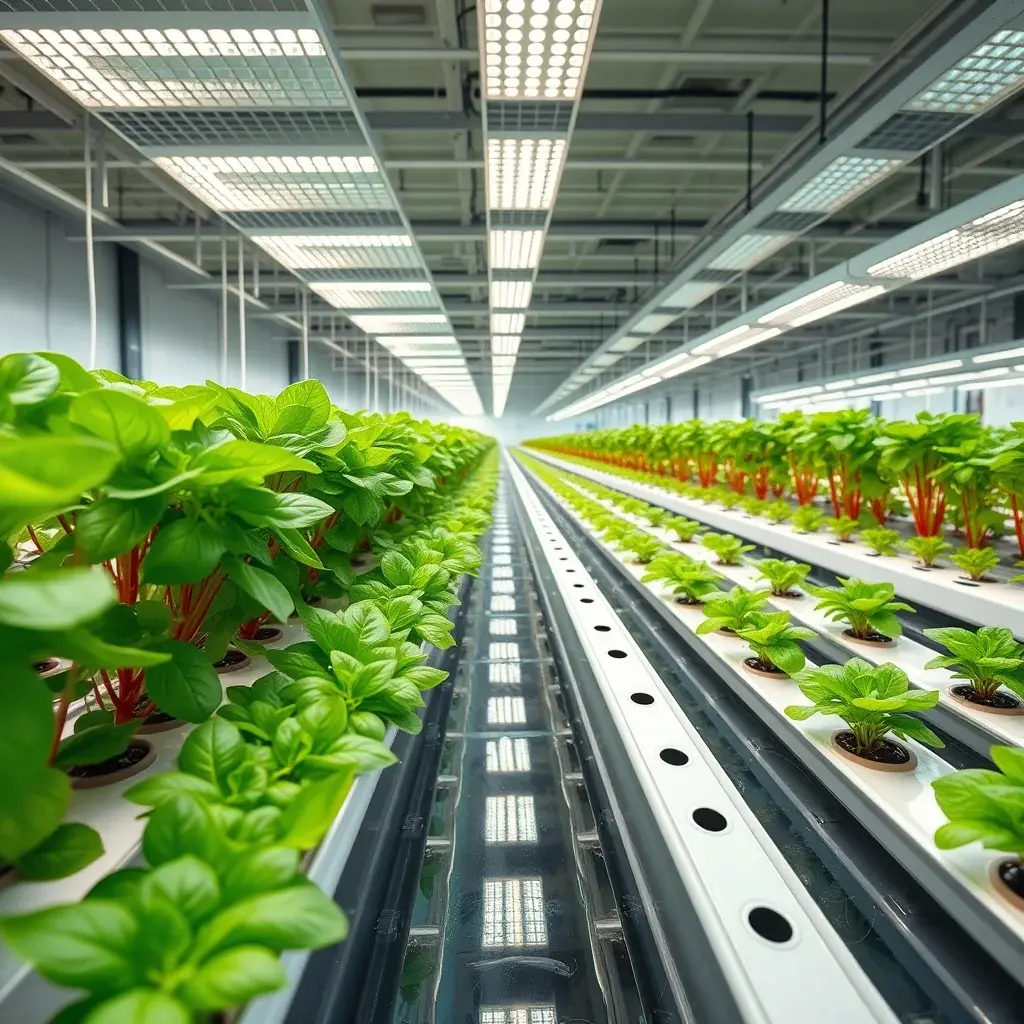
Hydroponics is a modern way to grow plants without using dirt. Instead of soil, plant roots sit in water that contains all the food they need. You can read more about the basics in our Hydroponics 101: Growing Healthy Plants Without Soil guide. Plants get direct access to minerals and oxygen, which helps them grow much faster than traditional garden plants.
People use this method in small apartments, garages, and large greenhouses. Because you do not need a yard, anyone can start a garden right on their kitchen counter.
**Why Grow Plants Without Soil?**
Growing food this way has big perks. Traditional farming requires lots of land and water. Soil can also carry pests and plant diseases that ruin your harvest.
When you use water systems, you save water because the liquid recycles inside the setup. Plants focus all their energy on growing tall and strong instead of pushing through hard dirt.
| Feature | Soil Gardening | Hydroponics |
|---|---|---|
| Water Usage | High (much evaporates) | Low (recirculates) |
| Growth Rate | Standard pace | Faster growth |
| Pest Risk | High (bugs live in dirt) | Low (indoor control) |
**Main Types of Hydroponic Systems**
There are several ways to set up your garden. Each system moves water and nutrients differently to feed the roots.
**Deep Water Culture Systems**
Deep Water Culture, or DWC, is the easiest setup for beginners. Plant roots hang directly down into a tub filled with water and plant food. An air pump keeps the water oxygenated so the roots do not drown.
**Nutrient Film Technique Setups**
Nutrient Film Technique (NFT) uses a small stream of water that runs continuously over the roots. A small pump pushes water to the top of a slanted channel, and gravity pulls it back down.
**Essential Equipment You Need**
You do not need expensive gear to start. You can build a simple system using items from your local hardware store.
- A clean plastic reservoir or tub
- An aquarium air pump and air stone
- Net pots to hold the plants
- Growing medium like clay pebbles
- Special liquid plant nutrients
- pH test kit
| Equipment | Purpose | Estimated Cost |
|---|---|---|
| Air Pump | Adds oxygen to water | Low |
| Net Pots | Holds plants in place | Low |
| LED Grow Lights | Provides sunlight indoors | Medium |
**How to Mix Nutrient Solutions**
Plants cannot live on water alone. They need nitrogen, phosphorus, potassium, and other trace minerals. You buy these as liquid or powder concentrates.
Fill your reservoir with clean tap water or filtered water. Add your nutrients according to the package directions, and always test the pH level to make sure plants can absorb the food properly.
**Step-by-Step Growing Guide**
Follow these simple steps to start your first garden:
- Germinate your seeds in small starter plugs.
- Set up your water reservoir and attach the air pump.
- Mix your water and nutrients to the correct levels.
- Place your young seedlings into the net pots.
- Turn on your grow lights and monitor daily.
**Common Mistakes to Avoid**
Beginners often make simple errors that hurt plant health. Watch out for these common pitfalls.
- Using the wrong amount of plant food
- Ignoring water temperature
- Failing to check pH levels daily
- Not giving plants enough light
**Pros and Cons of Indoor Growing**
Every growing method has good and bad points. Here is a quick look at what to expect.
**The Pros**
You can grow fresh food all year long, even in winter. Weed control is never an issue since there is no dirt. Plants mature faster and yield more produce.
**The Cons**
Systems rely on electricity to run pumps and lights. If the power goes out for too long, plants can suffer. You also need to test water chemistry regularly.
**Expert Tips for Success**
Keep your water temperature between 65 and 70 degrees Fahrenheit. Clean your entire system between growing cycles to stop algae and bacteria from growing.
**Best Practices for Maintenance**
Change your water reservoir every two weeks. Top off evaporated water with plain water between changes so the nutrient mix does not become too strong.
**Important Notes on Lighting**
Indoor plants need strong light to thrive. LED grow lights work best because they use very little electricity and do not create too much heat.
**Troubleshooting Plant Problems**
If leaves turn yellow, check your pH levels first. Bad pH is the number one reason plants cannot eat their food.
**Expanding Your Garden**
Once you master a small setup, you can visit earnstools.com to find more tips on upgrading your growing space.
**Key Takeaways**
- Hydroponics lets you grow plants without soil.
- Deep Water Culture is best for beginners.
- Always monitor your water pH and nutrient levels.
- Good lighting is essential for indoor success.
**Frequently Asked Questions**
Can I grow any plant this way?
Most leafy greens, herbs, and tomatoes grow very well in water systems.
Do I need a sunny window?
No, artificial grow lights work even better than natural window light.
How often should I change the water?
Change the water and nutrients every two weeks for best results.
Is it hard for beginners?
Simple setups like Deep Water Culture are very easy to learn.
Can I use regular garden dirt in the water?
No, soil will clog your pumps and introduce pests to your system.
How much does a starter kit cost?
You can build a DIY system for a very small amount of money.
**Conclusion**
Starting with hydroponics is a fun and rewarding hobby. You do not need a green thumb or a big backyard to enjoy fresh vegetables. Follow the basic steps, keep your water clean, and watch your indoor garden thrive.
Suggested Internal Link Opportunities: Link to other articles about indoor gardening tools or seed starting tips on your blog.
Suggested External Authority Sources: Visit the USDA website (usda.gov) for agricultural research and plant nutrition guides.