SEO Title: Hydroponics: Everything You Need to Start Growing Plants Without Soil
SEO Slug: hydroponics-growing-guide
Meta Description: Ready to try gardening without dirt? Learn how hydroponics works, what gear you need, and the best ways to grow fresh produce at home today.
Focus Keyword: Hydroponics
Secondary Keywords: indoor gardening, nutrient solution, grow lights, plant growth, water culture
Estimated Reading Time: 10 minutes
Table of Contents
- What is Hydroponics?
- Why People Choose Hydroponics
- Different Types of Hydroponic Systems
- Essential Gear to Start Growing
- Understanding Your Nutrient Solution
- Picking the Right Plants for Beginners
- Managing Water and pH Levels
- Light Requirements for Success
- Common Mistakes to Avoid
- Pros and Cons of Soil-Free Gardening
- Daily and Weekly Maintenance
- Troubleshooting Plant Problems
- Setting Up Your First System
- Choosing Between Indoor and Outdoor Setup
- Final Thoughts on Growing Success
What is Hydroponics?
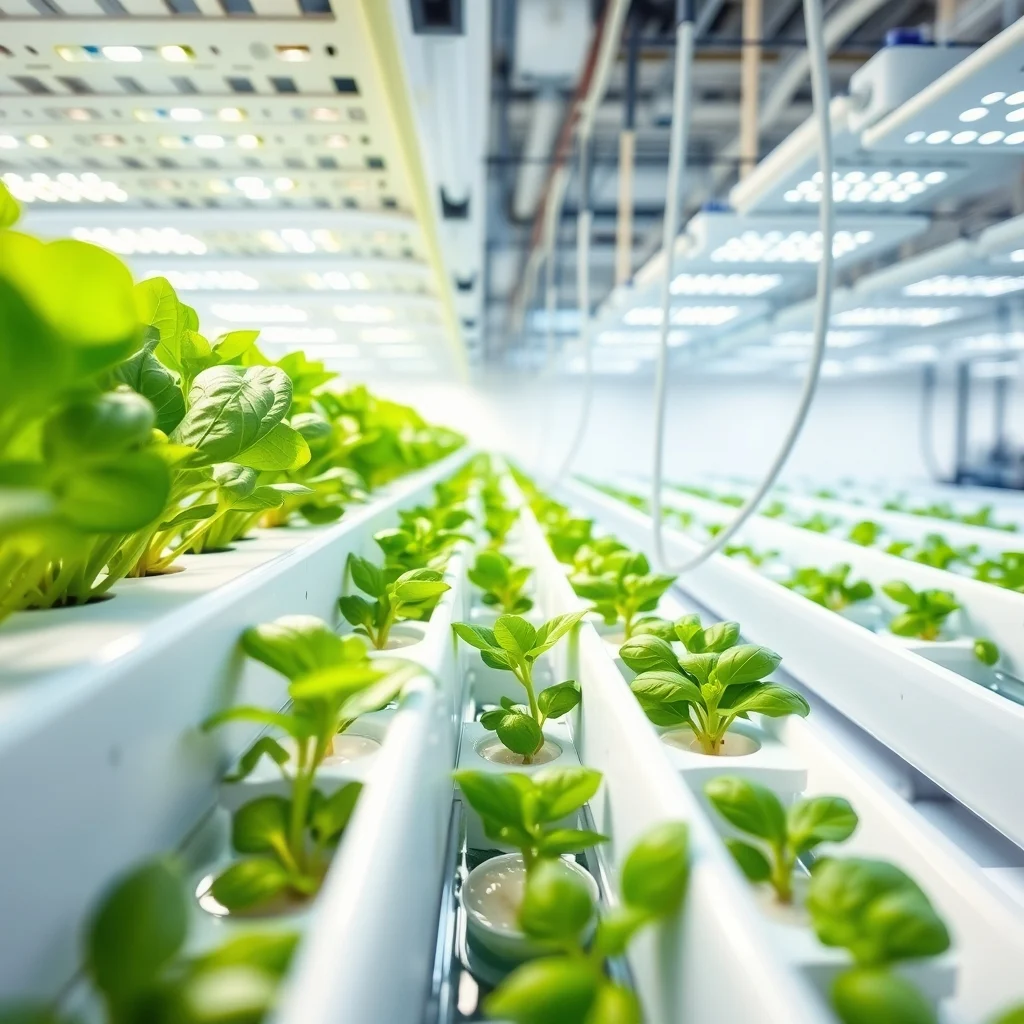
Hydroponics is a way of growing plants by using water instead of soil. You give plants a mix of water and minerals to help them grow strong. Because the roots get everything they need directly from the water, plants often grow much faster than they would in the ground.
You might think this sounds like science fiction, but it is actually quite simple. Once you set up your system, it handles the hard work for you. Many people at earnstools.com find that they get bigger yields in smaller spaces using this method.
Why People Choose Hydroponics
There are a few big reasons to skip the dirt. First, you save a lot of space. Since roots do not have to spread out to find food, you can pack more plants into a small room or a shelf.
Second, you use less water. In a traditional garden, much of your water drains into the dirt and disappears. In a closed system, you reuse the water over and over. It is a very clean way to garden.
Different Types of Hydroponic Systems
There are many ways to set up your garden. Some use pumps, while others are very basic.
| System Type | Best For | Ease of Use |
|---|---|---|
| Deep Water Culture | Lettuce and herbs | Easy |
| Wick System | Small plants | Very easy |
| Nutrient Film Technique | Professional growers | Hard |
Essential Gear to Start Growing
You do not need a fancy lab to get started. Most beginners start with a few basic items. You will need a container for the water, a net pot to hold the plant, and a medium like clay pebbles or rockwool to keep the plant steady.
If you want to read more about the best ways to get started, check out this guide on Hydroponics: The Best Way to Grow Plants Without Soil. It covers the basics of building your first container.
Understanding Your Nutrient Solution
Soil holds natural food for plants. When you grow in water, you must add that food yourself. You can buy liquid nutrients at any local gardening shop. These bottles have a mix of minerals like nitrogen, phosphorus, and potassium.
Always follow the label on the bottle. Using too much food can burn the roots and kill your plants. Using too little will make the plants look yellow and weak.
Picking the Right Plants for Beginners
Start with simple plants before moving on to hard ones. Leafy greens are the best place to start. They grow very fast and handle water systems well.
- Lettuce
- Spinach
- Basil
- Mint
Managing Water and pH Levels
Plants are picky about the water they sit in. You should check the pH level at least once a week. If the water is too acidic or too basic, the roots cannot drink the nutrients. Most plants like a slightly acidic level around 6.0.
Light Requirements for Success
Plants need light to make food. If you grow indoors, your plants will need a strong light source. Modern LED grow lights are great because they do not get too hot and they save energy.
Common Mistakes to Avoid
The most common mistake is over-watering or under-feeding. You also want to keep your water clean. If the water smells bad, your plants are probably in trouble. Change your water every few weeks to keep things fresh.
| Mistake | How to Fix |
|---|---|
| Yellow leaves | Check nutrient levels |
| Algae growth | Block light from the tank |
| Root rot | Add an air stone |
Pros and Cons of Soil-Free Gardening
Before you commit, look at the trade-offs. Soil-free gardening is fast and clean, but it does require more attention to detail. You cannot just leave your plants for a month without checking them.
Daily and Weekly Maintenance
Spend five minutes every day looking at your plants. Check that the pump is running and the water level is high. Once a week, test the pH and wipe down any parts that might have algae.
Troubleshooting Plant Problems
If your plant looks sick, look at the roots first. Healthy roots are white and firm. Brown or mushy roots usually mean the plant is not getting enough oxygen. Adding an air pump can fix this quickly.
Setting Up Your First System
Find a spot with good air flow. Place your container on a flat, level surface. Set up your lights so they are a few inches above the tops of your plants. Once everything is plugged in, let the system run for a day to make sure there are no leaks.
Choosing Between Indoor and Outdoor Setup
Growing indoors gives you more control over the bugs and the temperature. Growing outdoors is cheaper because you can use the sun for free. Most people prefer a small indoor setup to keep fresh herbs in the kitchen.
Final Thoughts on Growing Success
Hydroponics is a rewarding hobby. Once you harvest your first plant, you will see why so many people prefer it over traditional dirt gardening. Keep it simple, stay consistent, and enjoy your fresh food.
Key Takeaways
- Hydroponics saves space and grows plants faster than soil.
- Water quality and pH levels are the most important parts of your system.
- Start with easy plants like lettuce before trying big plants like tomatoes.
- Keep your water clean to prevent root rot.
Frequently Asked Questions
Is hydroponics expensive to start? Not at all. A simple bucket system can cost very little.
Do I need special fertilizer? Yes, you need liquid plant food meant for water systems.
Can I grow anything? You can grow almost anything, but some plants are harder than others.
Does it taste the same? Yes, many people think it tastes even better.
How much space do I need? You can grow plants on a small desk or a kitchen counter.
Is it hard to learn? No, it just takes a bit of practice and observation.
Suggested Internal Link Opportunities
Suggested External Authority Sources
- USDA National Agricultural Library: https://www.nal.usda.gov
- University of California Agriculture and Natural Resources: https://ucanr.edu