SEO Title: Hydroponics Made Simple: Grow Plants Without Soil Today
SEO Slug: hydroponics-made-simple
Meta Description: Learn how hydroponics lets you grow fresh herbs and vegetables without soil. Get simple tips, system types, and expert advice for your home garden.
Focus Keyword: Hydroponics
Secondary Keywords: indoor gardening, nutrient solution, grow system, plant roots, water farming
Estimated Reading Time: 8 minutes
Table of Contents
- What Is Hydroponics?
- Why Grow Without Soil?
- Main Types of Hydroponic Systems
- Essential Equipment You Need
- Choosing the Right Plants
- Step-by-Step Setup Guide
- Common Mistakes to Avoid
- Frequently Asked Questions
What Is Hydroponics?
When you hear the word hydroponics, you might think of a high-tech science lab. In truth, it is just a simple way to grow plants using water instead of dirt. Your plants sit in a special container while their roots soak up water mixed with rich food. You can set up a small garden right in your kitchen, basement, or garage.
Plants do not actually need dirt to live. Dirt simply acts as a holder for their roots and a storehouse for water and food. When you take away the dirt and give your plants direct access to what they need, they grow much faster. This method has become very popular for home growers who want fresh greens all year long.
Why Grow Without Soil?
Growing plants in water offers big benefits over traditional backyard gardening. You do not have to worry about weeds, bugs living in the dirt, or heavy digging. It saves a lot of water too, because the liquid stays in a closed system instead of soaking deep into the ground where roots cannot reach it.
If you live in an apartment or a place with bad outdoor soil, you can still grow a huge harvest. You just need a small space near a window or under a grow light. Many people use setups from Hydroponics at Home: Grow Plants Without Soil to get started quickly.
Main Types of Hydroponic Systems
You can choose from several different systems depending on your space and budget. Here is a quick look at the most popular choices for beginners:
- Deep Water Culture (DWC): Roots hang straight down into a tub of water filled with food and an air pump.
- Nutrient Film Technique (NFT): A small stream of water flows constantly over the roots in a sloped channel.
- Wick System: A simple rope pulls water up from a tank to the plant roots without using any pumps or electricity.
- Ebb and Flow: Water fills the plant container for a short time and then drains back out into a lower tank.
Essential Equipment You Need
To start your new garden, you need a few basic items. Do not buy expensive gear right away. You can build a basic setup with items from a local hardware store or check out resources at earnstools.com for inspiration.
Here are the core parts you need:
- A water tank or reservoir
- Net pots to hold your plants
- Growing medium like clay pebbles or rockwool
- A water pump or air pump
- Special plant food liquid
Choosing the Right Plants
Not every plant grows well in water. If you are a beginner, start with leafy greens or fast-growing herbs. They are very forgiving and reward your early efforts with quick results.
Good starter plants include lettuce, spinach, basil, mint, and cilantro. Once you gain more confidence, you can try growing larger plants like tomatoes, cucumbers, or strawberries.
Step-by-Step Setup Guide
Setting up your first water garden is easy when you follow a clear plan. Take your time and check your equipment before adding any plants.
- Clean your water tank and all plastic parts with warm soapy water.
- Set up your air pump and make sure bubbles flow freely in the tank.
- Mix your plant food into the water according to the instructions on the bottle.
- Place your starter plants into the net pots with your chosen growing medium.
- Set the pots into the system so the roots touch the water.
- Turn on your lights and check the system daily.
Common Mistakes to Avoid
Even though growing plants this way is simple, beginners often make a few common errors. Watch out for these pitfalls to keep your garden healthy.
Do not add too much plant food, because high nutrient levels can burn the roots. Keep an eye on your water level so the roots never dry out completely. Clean your system every few weeks to stop algae from growing in the light.
Key Takeaways
- Hydroponics lets you grow plants in water instead of soil.
- Leafy greens and herbs are the best choices for your first try.
- Keep your water clean and check nutrient levels often.
- You do not need a lot of space to start a indoor garden.
Frequently Asked Questions
Do hydroponic plants grow faster than soil plants?
Yes, most plants grow faster because their roots have direct access to water and food at all times.
Do I need natural sunlight for my indoor garden?
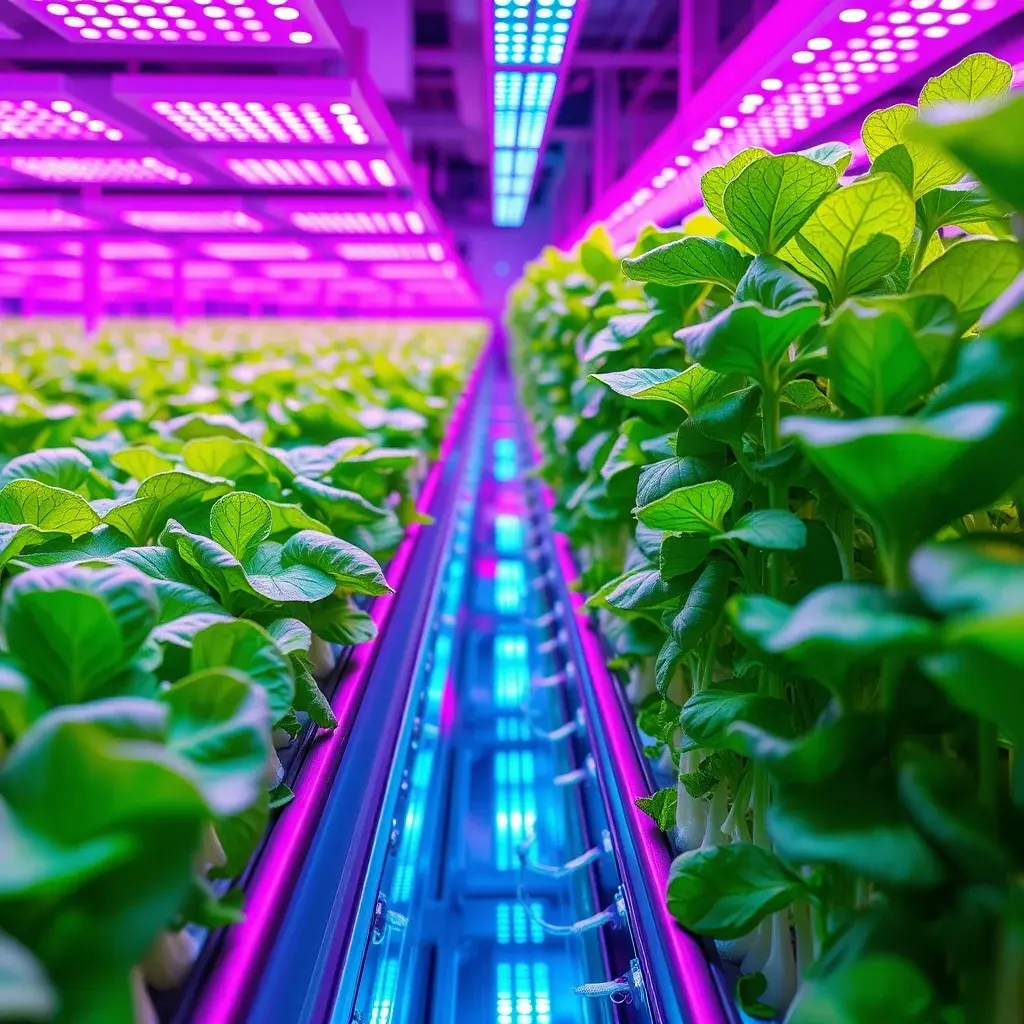
No, you can use LED grow lights if your room does not have a sunny window.
How often should I change the water?
You should completely change the water and add fresh plant food every two to three weeks.
Can I use tap water for my system?
Yes, but let the water sit out for a day so the chlorine can evaporate before you add plant food.
Is hydroponics hard to learn?
Not at all. Simple systems like Deep Water Culture take only a few minutes a day to maintain.
Will my indoor garden smell bad?
A healthy system should not smell at all. If you notice a bad odor, it usually means the water needs to be changed.
Conclusion
Starting with hydroponics is a fun and rewarding hobby that brings fresh greens right to your kitchen. You do not need a green thumb or a big backyard to grow amazing plants. Follow the simple steps in this guide, keep your water clean, and enjoy watching your indoor garden thrive.
Suggested Internal Link Opportunities:
Suggested External Authority Sources: