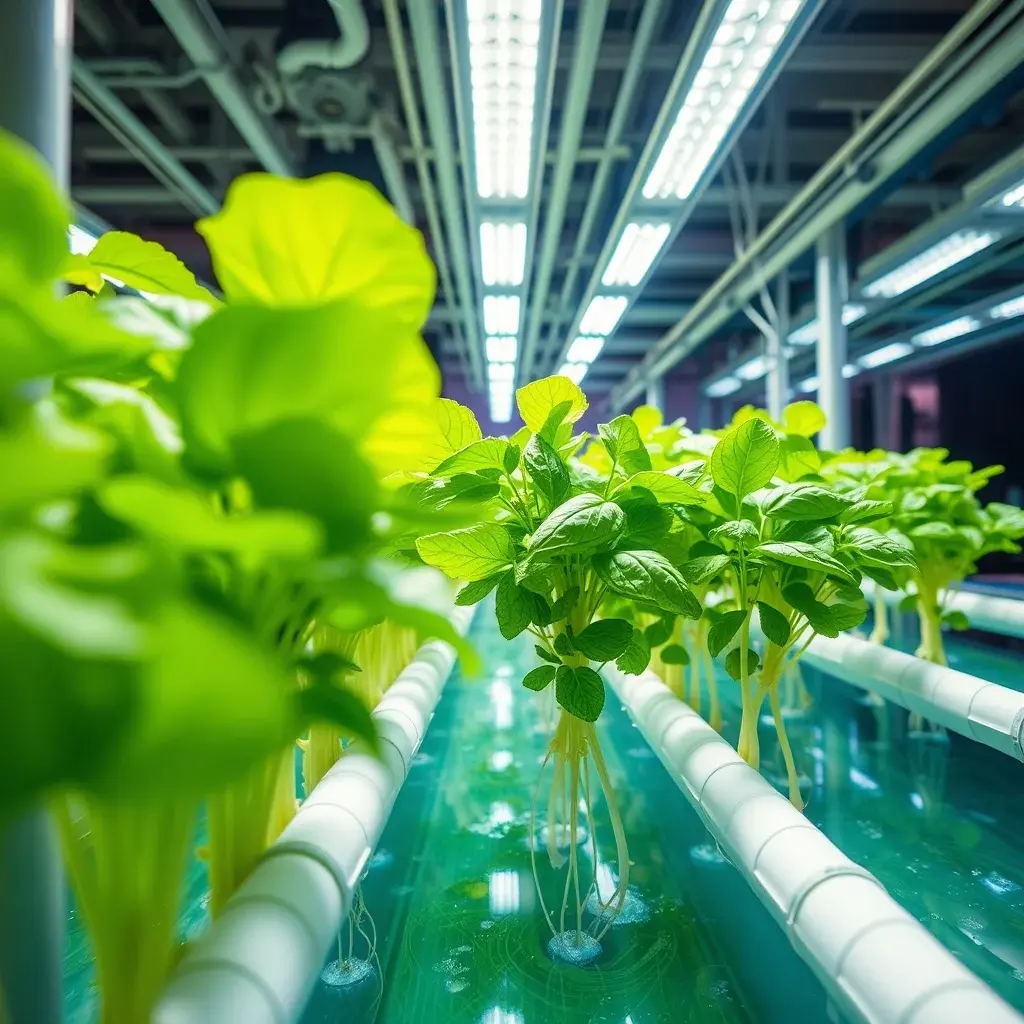
Hydroponics is a modern method of growing plants without soil, delivering nutrient-rich water directly to plant roots in a controlled environment. Through advanced soilless gardening techniques, indoor hydroponics allows horticulturists and home gardeners to cultivate vibrant crops year-round with up to 90% less water than traditional agriculture. By removing soil-borne diseases and optimizing ambient conditions, hydroponic farming maximizes yield, accelerates crop growth cycles, and transforms urban spaces into thriving botanical sanctuaries. In this ultimate guide, you will discover the fundamental principles of hydroponics, explore essential hydroponic system configurations, master nutrient solution management, and learn how to launch your own flourishing indoor setup.
Key Takeaways
- Hydroponics optimizes crop yield by supplying dissolved mineral nutrients directly to plant root systems without using soil.
- Popular hydroponic system designs include Deep Water Culture (DWC), Nutrient Film Technique (NFT), Ebb and Flow, and Drip Systems.
- Precision control over pH levels, electrical conductivity (EC), and lighting produces faster growth and higher efficiency than traditional soil gardening.
What is Hydroponics and How Does Soilless Gardening Work?
At its core, hydroponics replaces soil with an inert growing medium and an aqueous solution packed with essential macro- and micronutrients. Plants do not inherently require soil to grow; they require water, oxygen, carbon dioxide, light, and mineral ions like nitrogen, phosphorus, potassium, calcium, and magnesium. Soil simply acts as a mechanical anchor and nutrient reservoir, but it also harbours pests, weed seeds, and fungal pathogens.
In a hydroponic farming setup, inert substrates such as expanded clay pebbles, coco coir, rockwool, perlite, or vermiculite support the physical structure of the root system. Water enriched with precisely balanced liquid fertilizers bathes the roots continuously or intermittently. Because the roots do not need to expand aggressively in search of nourishment, energy is redirected straight into producing lush foliage, fragrant blossoms, and succulent fruit.
The Essential Components of a Complete Hydroponic System
Building a high-yielding hydroponic system requires a harmony of specialized equipment designed to sustain root health and liquid delivery. Every successful indoor hydroponics installation relies on core botanical mechanics to maintain precise environmental parameters.
1. Growing Substrates and Media
Inert growing media provide structural anchoring without altering the chemical balance of your nutrient solution. Coco coir offers superb water retention, rockwool delivers exceptional air porosity, and expanded clay pebbles allow rapid drainage and maximum oxygen flow across root zones.
2. Nutrient Solution and Reservoir
The reservoir holds the water and dissolved fertilizers essential for vegetative and reproductive plant stages. Maintaining balanced mineral ratios ensures foliage remains deep green and root systems stay resilient against cellular fatigue.
3. Submersible Pumps and Aeration
Oxygenation is vital to prevent root rot and anaerobic bacteria proliferation. Submersible water pumps push fluid through feed lines, while air pumps connected to air stones diffuse dissolved oxygen throughout the liquid mass.
Comparing Popular Hydroponic System Configurations
Choosing the ideal layout depends on your target plant species, available footprint, and desired automation level. Below is a concise comparison of common indoor hydroponics methods.
| System Type | Operating Mechanism | Best Suited Crops | Skill Level Required |
|---|---|---|---|
| Deep Water Culture (DWC) | Roots suspended constantly in oxygenated nutrient solution | Leafy greens, basil, lettuce | Beginner |
| Nutrient Film Technique (NFT) | Continuous shallow stream of solution flows over bare roots | Greens, strawberries, herbs | Intermediate |
| Ebb and Flow (Flood & Drain) | Growth tray is periodically flooded and drained into reservoir | Fruiting crops, peppers, tomatoes | Intermediate |
| Drip System | Dippers drip precise liquid amounts onto individual plant bases | Large crops, cucumbers, tomatoes | Advanced |
Benefits of Indoor Hydroponic Farming
Transitioning to indoor hydroponics provides total authority over microclimatic variables, removing weather volatility from the agricultural equation. Cultivators harvest pristine produce completely untouched by chemical pesticides or soil contamination.
Furthermore, soilless gardening demonstrates unmatched resource conservation. Closed-loop recirculating systems reuse runoff water, resulting in up to ten times less water consumption compared to traditional field tillage. For urban dwellers lacking garden beds, vertical hydroponics turns modest indoor living areas into abundant year-round vegetable harvests.
Managing pH and Electrical Conductivity (EC) for Optimal Yields
Mastering chemical parameters is the defining line between mediocre results and exceptional botanical harvests. Plants absorb dissolved nutrients only within specific pH bands, making regular monitoring mandatory.
Most hydroponic crops thrive in a slightly acidic pH range between 5.5 and 6.5. If the pH strays outside this window, nutrient lockout occurs, leading to leaf chlorosis and stunted development. Electrical conductivity (EC) measures the concentration of ionic salts in the water, revealing whether your solution requires fresh water replenishment or nutrient concentrate boosts.
Best Practices and Avoidable Pitfalls in Hydroponic Gardening
To establish a flawless indoor growing environment, maintain strict cleanliness across all equipment reservoirs and delivery lines. Algae blooming can quickly clog irrigation emitters and compete for oxygen, so keep light completely isolated from liquid reservoirs.
Common mistakes include over-fertilization, inadequate air circulation, and neglecting ambient temperature control. Water temperatures should ideally range between 65°F and 72°F (18°C to 22°C) to optimize dissolved oxygen levels and discourage pathogens like Pythium.
Expert Insight: Maintaining System Biosecurity and Root Health
According to research guidelines published by the Penn State Extension, root zone sanitation and oxygenation are paramount for preventing devastating waterborne diseases in closed recirculating hydro systems. Horticultural specialists recommend integrating regular applications of beneficial microbes or beneficial mycorrhizal fungi into inert growing media. These micro-organisms colonize root surfaces, creating a biological shield against opportunistic fungal pathogens while accelerating organic compound uptake.
Frequently Asked Questions
What can you grow in a home hydroponics setup?
Virtually any plant can grow hydroponically, but fast-growing leafy greens, lettuce, spinach, kale, culinary herbs, strawberries, dwarf tomatoes, and bell peppers yield the best results for home growers.
Is hydroponic food as nutritious as soil-grown organic produce?
Yes, hydroponically grown vegetables often match or exceed the nutritional density of soil-grown produce because plants receive a continuous, perfectly tailored balance of all necessary minerals and trace elements.
How often should I change the nutrient solution in my reservoir?
It is best practice to completely flush and replace your hydroponic reservoir every 7 to 14 days to prevent salt buildup and maintain balanced nutrient proportions.
Do hydroponic systems require special lighting?
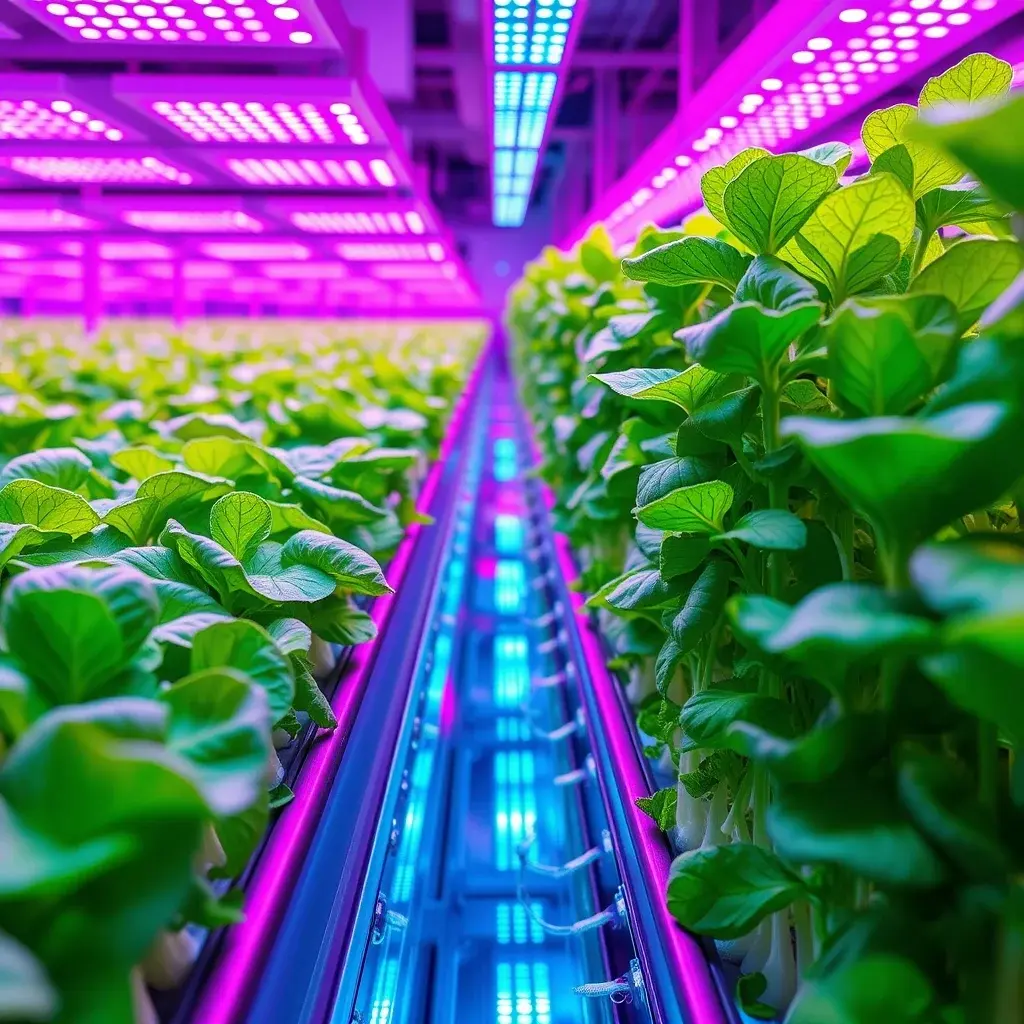
Indoor hydroponic gardens require high-intensity light sources such as full-spectrum LED grow lights or T5 fluorescent fixtures to supply adequate PAR (Photosynthetically Active Radiation) for robust growth.
Embarking on your hydroponics journey empowers you to grow ultra-fresh, pesticide-free produce right inside your home year-round. Begin by building a simple Deep Water Culture or indoor herbal setup, invest in reliable pH and EC meters, and watch your indoor oasis flourish into an abundant, high-tech harvest.