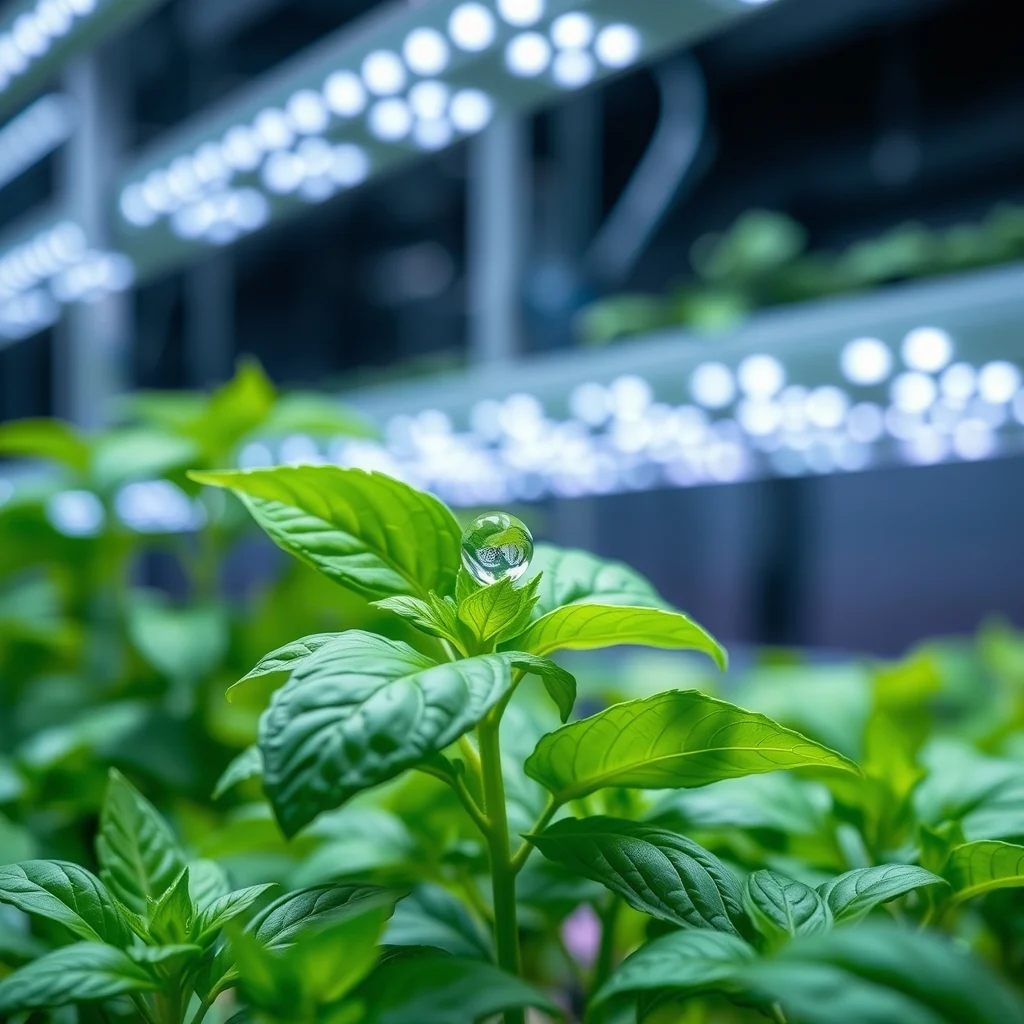
Hydroponics is a highly efficient method of growing plants without soil by supplying mineral nutrient solutions directly to the roots in a water-based solvent. This innovative approach to soilless gardening allows growers to deliver precise nutritional requirements directly to plant root zones within controlled indoor hydroponics setups. Whether cultivating fresh herbs in a compact kitchen tower or managing full-scale commercial hydroponic farming operations, mastering the underlying principles of an advanced hydroponics system empowers gardeners to accelerate plant development, conserve natural resources, and harvest abundant produce continuously regardless of external weather conditions.
Key Takeaways
- Hydroponics bypasses traditional soil, delivering water-dissolved essential minerals directly to root systems for accelerated growth rates.
- Core system variations include Deep Water Culture (DWC), Nutrient Film Technique (NFT), Ebb and Flow, Aeroponics, and Drip Systems.
- Indoor hydroponics systems conserve up to 90% more water than conventional soil farming while eliminating soil-borne pests and weeds.
- Maintaining accurate water pH (5.5–6.5) and Electrical Conductivity (EC) levels is critical for avoiding nutrient lockout and ensuring optimal absorption.
What Is Hydroponics and How Does Soilless Gardening Work?
At its fundamental biological core, soil is not strictly required for plant life. Plants require soil primarily as a mechanical anchor and a structural reservoir to hold moisture, oxygen, and essential ionic elements. Hydroponic cultivation eliminates the soil layer completely, substituting inert growing media to stabilize the plant while delivering a balanced, water-soluble fertilizer solution straight to the subterranean root architecture.
When terrestrial plants grow in traditional earth, roots must stretch extensively through soil particles searching for nitrogen, phosphorus, potassium, and trace minerals. In a properly tuned hydroponic environment, these essential ions are dissolved directly in oxygenated water. Because the root system does not need to spend precious cellular energy foraging for food, the plant diverts its energy reserves upward toward foliage, flowering, and rapid fruit production.
Modern research supported by the U.S. Department of Agriculture highlights how controlled-environment agriculture optimizes resource efficiency. By precisely regulating light spectrums, ambient temperatures, and root zone moisture, growers can achieve growth speeds up to 30 to 50 percent faster than field-grown crops in comparable timeframes.
Core Types of Hydroponic Systems Explained
Choosing the correct functional mechanism for your hydroponics system depends on your available space, budget, technical expertise, and crop selection. While all hydroponic methodologies rely on nutrient-rich water, the mechanical delivery method varies significantly across designs.
1. Deep Water Culture (DWC)
Deep Water Culture is one of the simplest and most effective active hydroponic designs. Plants are suspended in net pots resting on a floating platform or reservoir lid, submerging their roots entirely in an oxygenated nutrient bath. Continuous aeration provided by an air pump and submerged air stone prevents root suffocation and encourages explosive root expansion. DWC is extraordinarily beginner-friendly and excels at growing fast-turnover leafy greens such as lettuce, spinach, and kale.
2. Nutrient Film Technique (NFT)
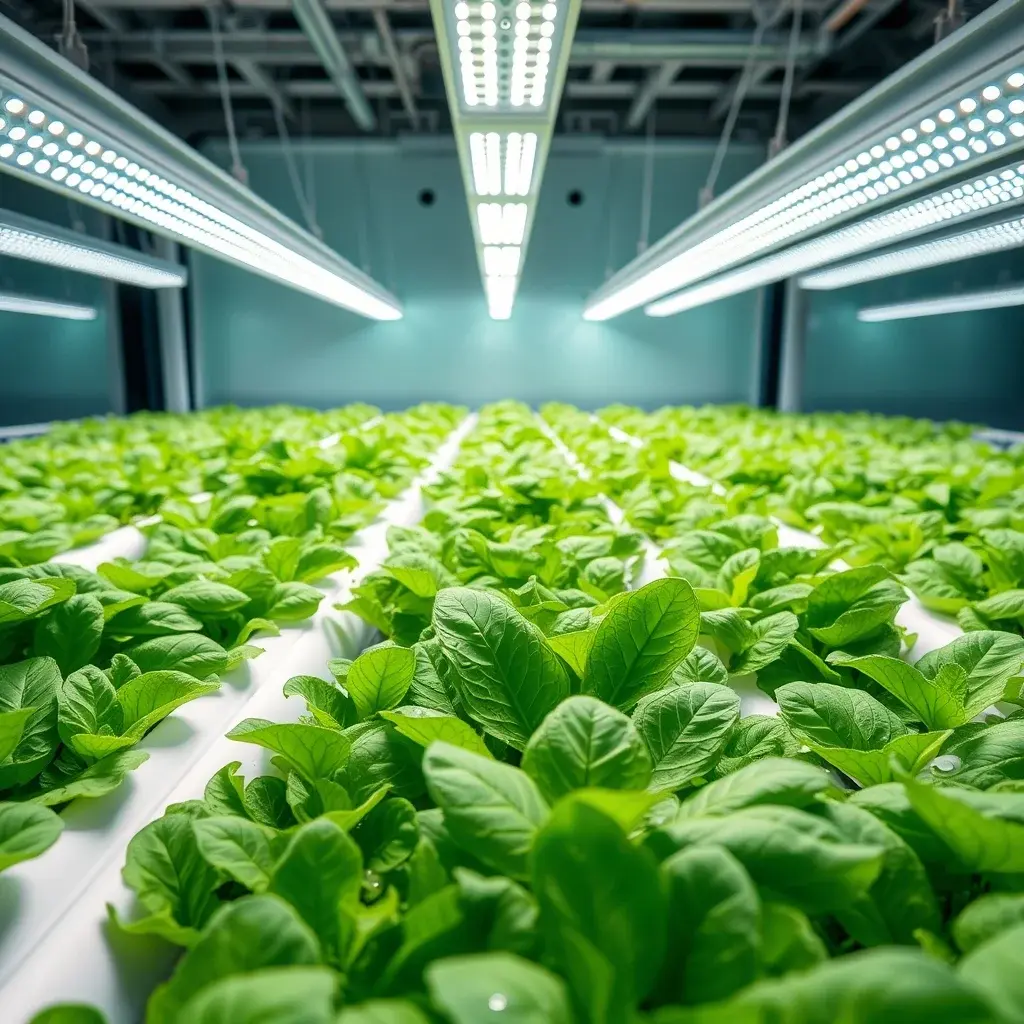
In an NFT layout, a shallow, continuous stream of nutrient solution trickles down a series of slightly sloped channels or gullies. The plant roots dangle inside the channel, absorbing nutrients from the thin film of flowing water while the upper root tissue stays exposed to ambient air for unlimited gas exchange. The bare root mass continuously bathes in oxygen and minerals before the fluid drains back into a lower reservoir to recirculate. NFT systems are exceptionally popular for vertical farming and commercial berry or herb production.
3. Ebb and Flow (Flood and Drain)
The Ebb and Flow system functions on a periodic flooding cycle. Growing containers filled with inert media sit inside a grow tray above a main reservoir. A submersible water pump connected to a digital timer intermittently pumps nutrient solution into the upper tray, flooding the root zone. Once the pump turns off, gravity drains the liquid back down into the reservoir through an overflow fitting, drawing fresh atmospheric oxygen down into the medium as the liquid recedes.
4. Aeroponics
Aeroponics represents the high-tech pinnacle of indoor hydroponics. Instead of submerging roots in liquid or running water films, aeroponic roots hang freely in a dark chamber where high-pressure mist nozzles intermittently blast them with fine, nutrient-rich droplets. Because the root system remains completely suspended in air, oxygenation levels are maximized, leading to rapid metabolic activity and exceptional nutrient absorption efficiency.
5. Drip Systems and Wick Systems
Drip systems utilize micro-tubing to slowly drip precise doses of nutrient solution onto the base of each plant resting in porous media like coco coir or rockwool. Runoff is either collected for recirculation or allowed to drain away. Conversely, passive Wick systems rely on capillary action, drawing solution upward through a absorbent fiber wick from a non-aerated reservoir into the growing medium. Wick setups require no electricity, making them simple, quiet, and reliable for low-water plants.
Comparing Popular Hydroponic Systems
Understanding the balance between system complexity, initial investment, and biological performance helps growers choose the ideal setup for their specific goals. The following table breaks down the key characteristics of primary hydroponic methods.
| System Style | Mechanical Complexity | Primary Ideal Crops | Water Efficiency | Maintenance Level |
|---|---|---|---|---|
| Deep Water Culture | Low | Lettuce, Basil, Herbs | High | Low |
| Nutrient Film Technique | Moderate | Greens, Strawberries | Very High | Moderate |
| Ebb and Flow | Moderate | Tomatoes, Peppers, Cannabis | High | Moderate |
| Aeroponics | High | Leafy Greens, Root Cuttings | Extreme | High |
| Drip System | Moderate to High | Fruiting Vines, Heavy Feeders | Moderate | Moderate |
Essential Components for an Indoor Hydroponics Setup
To establish a productive indoor hydroponics ecosystem, several key environmental and mechanical elements must work in absolute harmony. Skipping critical components can result in slow plant growth, nutrient imbalances, or crop failures.
- Full-Spectrum LED Grow Lights: Natural sunlight provides the essential light spectrum needed for photosynthesis. Indoors, high-efficiency LED grow fixtures simulate sunlight, giving off tailored photon spectrums that power biological growth cycles without producing excessive heat.
- Hydroponic Reservoirs and Pumps: A food-grade plastic reservoir holds the water and plant food mixture. Submersible water pumps push fluid through feed lines, while air pumps connected to porous air stones ensure high dissolved oxygen (DO) concentration.
- Inert Growing Media: Unlike soil, hydroponic media provides zero chemical nutrients. Expanded clay pebbles, coconut coir, perlite, vermiculite, and rockwool cubes offer neutral root anchorage while retaining the ideal balance of moisture and aeration.
- Water Testing Meters (pH and EC): Digital pH pens and Electrical Conductivity (EC) or Total Dissolved Solids (TDS) meters are indispensable tools. They allow growers to measure water acidity and mineral density with scientific precision.
Key Benefits of Hydroponic Farming
Adopting soilless farming techniques offers numerous advantages over traditional dirt-based gardening methods, revolutionizing home food production and commercial agriculture alike.
Water conservation stands out as a primary ecological advantage. Because hydroponic reservoirs recapture, recirculate, and contain moisture within sealed loops, these systems use up to 90 percent less fresh water than conventional field farming, where vast quantities of water evaporate or leech deep into soil strata out of root reach.
Space optimization is another major advantage of indoor hydroponics. Vertical growing towers and stacked NFT racks allow urban growers to produce high yields per square foot in compact urban spaces, indoor closets, basements, or warehouses.
Furthermore, removing soil eliminates soil-borne pathogens, parasitic nematodes, weeds, and burrowing pests. Consequently, growers can significantly reduce or completely eliminate the need for chemical pesticides and herbicides, yielding cleaner, healthier produce.
Nutrient Management and Water Chemistry Best Practices
Managing the chemical profile of your water solution is fundamental to achieving consistent yields in indoor hydroponics setups. Plants require macronutrients—nitrogen, phosphorus, potassium, calcium, magnesium, and sulfur—alongside trace micronutrients like iron, manganese, zinc, and boron dissolved in accurate proportions.
Maintaining an optimal pH range is essential for plant health. Most crops thrive best when the root zone pH remains between 5.5 and 6.5. If the pH drifts above 6.5 or drops below 5.5, specific mineral elements become chemically locked out, preventing root uptake regardless of how much fertilizer is added to the reservoir.
Water temperature management is equally vital. Hydroponic reservoirs should ideally maintain fluid temperatures between 65°F and 70°F (18°C–21°C). Liquid temperatures above 72°F (22°C) hold significantly less dissolved oxygen and create ideal conditions for pathogenic root diseases like water mold (*Pythium*).
Common Hydroponic Pitfalls and How to Prevent Them
While hydroponics offers superior growth speeds, system errors can impact plants faster than in traditional soil setups, where dirt acts as a protective buffer. Recognizing hazards early protects your investment and ensures healthy harvests.
Root rot remains a frequent challenge for indoor growers. It presents as slimed, discolored, foul-smelling roots caused by poor oxygenation and warm reservoir temperatures. Prevent root rot by maintaining strong reservoir aeration with air pumps, using beneficial root inoculants, and keeping fluid temperatures cool.
Algae growth occurs whenever ambient grow lights strike nutrient-rich water directly. Algae consumes dissolved nutrients and strips oxygen from root systems. Prevent algae blooms by using opaque, light-proof plastic reservoirs and covering exposed growing media top layers with light-blocking covers.
Mechanical power outages or pump burnouts can quickly desiccate exposed roots in active systems like NFT or aeroponics. Installing backup power sources or integrating automated water-level alerts ensures uninterrupted system operation and protects plant roots during unexpected equipment failures.
Expert Insight: Fine-Tuning the Root Zone Environment
To achieve exceptional performance in high-density indoor hydroponics, experienced growers pay close attention to the balance between environmental humidity, transpiration rates, and root-zone dissolved oxygen levels.
Maintaining high dissolved oxygen (DO) levels above 8 parts per million (PPM) at the root zone dramatically accelerates ATP cellular energy production within plant roots. When paired with an active Vapor Pressure Deficit (VPD) target of 0.8 to 1.2 kPa, plants uptake nutrients rapidly without suffering heat stress or nutrient burn.
Regular maintenance routines are critical for long-term operational success. Fully drain, flush, and refill your hydroponic nutrient reservoir every 10 to 14 days with fresh water and newly balanced nutrients. Flushing prevents excess mineral salts from accumulating on media and inside drip emitters, ensuring consistent nutrient flow and stable root health throughout the entire plant life cycle.
Frequently Asked Questions
What plants grow best in an indoor hydroponics system?
Leafy greens like lettuce, spinach, butterhead, and arugula, along with culinary herbs like basil, cilantro, mint, and parsley, thrive exceptionally well in basic hydroponic setups. Fruiting crops like tomatoes, bell peppers, strawberries, and cucumbers also produce heavy yields, but require larger systems, stronger lights, and higher nutrient concentrations.
Is hydroponic food organic and as nutritious as soil-grown food?
Hydroponically grown produce is nutritionally equal to, and often superior to, soil-grown crops because plants receive optimal mineral balances throughout their entire life cycle. While USDA organic certification for hydroponics is available under specific organic fluid standards, hydroponic plants absorb identical elemental ionic compounds whether delivered by organic soil decomposition or pure mineral salts.
How often do I need to change the water in my hydroponic reservoir?
You should fully replace your hydroponic reservoir solution every 10 to 14 days. Between complete water changes, top off the reservoir with clean, pH-balanced water to replace moisture lost through evaporation and plant transpiration, re-checking EC and pH daily.
How much electricity does an indoor hydroponic setup consume?
Electricity consumption depends heavily on the wattage of your LED grow lights and circulation pumps. A typical small home setup using an efficient 100-watt to 200-watt LED light fixture alongside small water pumps uses very little energy, adding minimal costs to monthly utility bills while producing consistent harvests.
Starting your journey into hydroponic farming begins best with a small, manageable project—such as a single Deep Water Culture bucket or a simple countertop herb kit—allowing you to master basic water chemistry, pH balance, and lighting setup before expanding into automated, high-capacity vertical systems.
One thought on “The Ultimate Guide to Hydroponics Gardening: Growing Plants Without Soil”