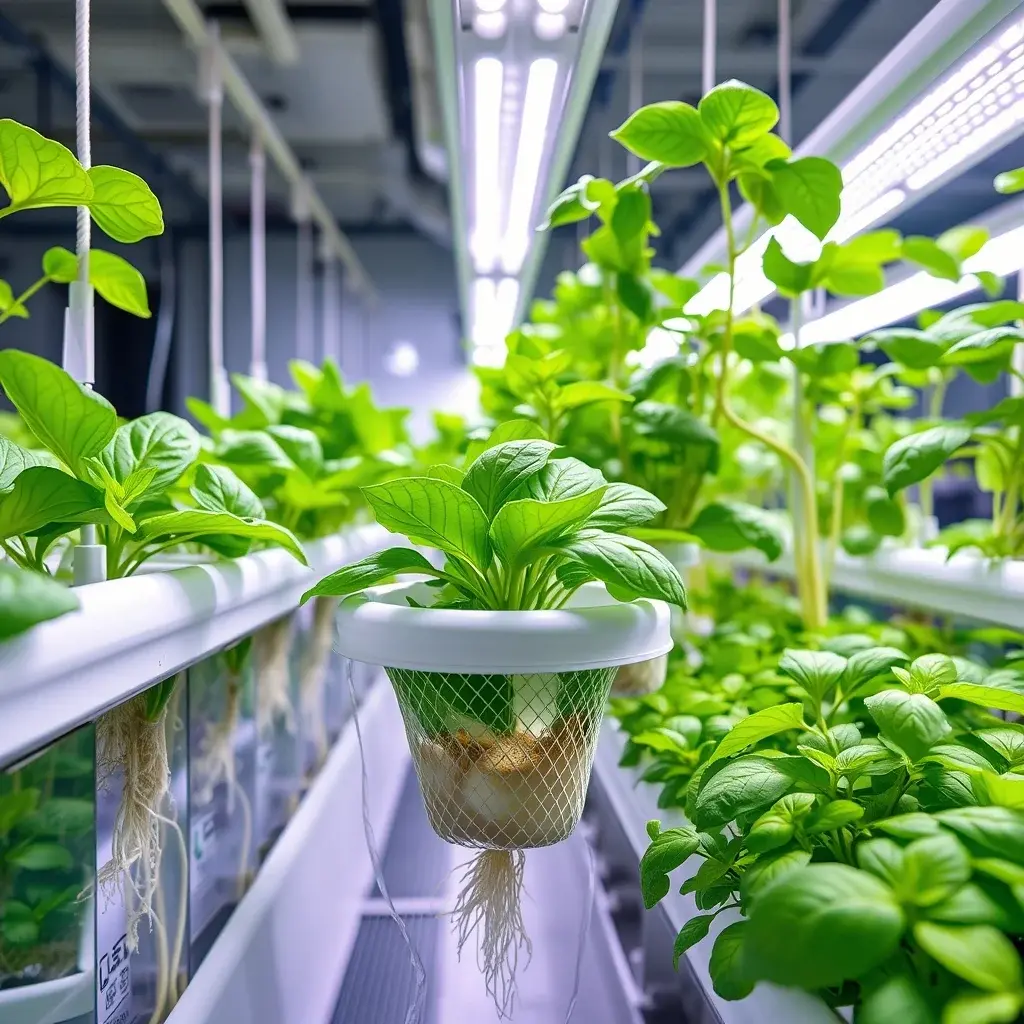
Hydroponics gardening is a highly efficient method of cultivating plants without soil, utilizing a nutrient-rich water solution to deliver essential minerals directly to the root system. By eliminating traditional dirt, indoor hydroponics enables plants to grow up to 30 to 50 percent faster while achieving significantly higher crop yields in smaller spaces. Whether you are seeking year-round fresh kitchen herbs or exploring commercial hydroponic farming, mastering this advanced soilless gardening technique allows complete control over plant nutrition, light exposure, and environmental conditions regardless of outdoor weather.
Key Takeaways
- Hydroponics removes soil, delivering liquid dissolved nutrients directly to oxygenated root zones for accelerated plant growth.
- Water efficiency is paramount, using up to 90% less water than traditional ground agriculture through recirculating reservoirs.
- Six main hydroponic system configurations suit different crop types, space limits, and technical expertise levels.
- Precise monitoring of pH, Electrical Conductivity (EC), and light spectrum ensures optimal crop health and maximal harvest yields.
What is Hydroponics and How Does Soilless Gardening Work?
At its core, hydroponics replaces soil with an inert growing medium and liquid nutrient solution. Soil naturally acts as a reservoir for minerals and structural support, but roots must expend valuable metabolic energy seeking out moisture and elements. In a hydroponic system, essential macro-nutrients like nitrogen, phosphorus, and potassium—alongside vital micro-nutrients—are dissolved directly in highly oxygenated water.
Because nutrients immediately bathe the root network, plants do not need to build extensive, sprawling root structures. Instead, they direct their energy toward rapid vegetative development, dense foliage, and abundant fruit production. Inert growing media such as coconut coir, expanded clay pebbles, perlite, or rockwool provide anchor support for stems without altering the delicate chemical balance of the nutrient solution.
Understanding the Core Types of Hydroponic Systems
Choosing the right hydroponic system depends heavily on your available space, preferred plant varieties, and technical background. Each design manages water movement, aeration, and nutrient delivery through unique mechanical mechanisms.
1. Deep Water Culture (DWC)
Deep Water Culture is widely praised for its elegance and operational simplicity. Plants are suspended in net pots above a reservoir continuously filled with nutrient solution. An aquarium air pump connected to submerged air stones provides constant oxygen bubbles, ensuring roots submerge fully without suffocating or developing rot.
2. Nutrient Film Technique (NFT)
NFT systems continuously pump a shallow, cascading stream—or film—of liquid nutrients over plant roots aligned in sloping grow channels. The tops of the root masses remain exposed to abundant air, while the bare tips absorb water and nutrients. NFT setups excel at producing fast-growing, lightweight crops like butterhead lettuce and basil.
3. Ebb and Flow (Flood and Drain)
Ebb and Flow operating systems function on automated watering cycles. A water pump periodically floods a grow tray containing plants anchored in media with liquid nutrients. Once the flood cycle ends, gravity drains the solution back into an underlying reservoir, drawing fresh air deep down into the root tray.
4. Aeroponic Systems
Aeroponics represents the high-tech frontier of indoor hydroponics. Plant roots hang suspended inside a sealed dark chamber where micro-misters periodically spray them with nutrient-dense fog. This unmatched exposure to atmospheric oxygen fuels extraordinary growth rates, though systems require precise digital timers and backup power.
Comparing Hydroponic System Features
| System Type | Maintenance Level | Best Suitable Crops | Water Efficiency | System Complexity |
|---|---|---|---|---|
| Deep Water Culture | Low | Lettuce, Kale, Herbs | High | Beginner |
| Nutrient Film Technique | Moderate | Greens, Spinach, Strawberries | Very High | Intermediate |
| Ebb and Flow | Moderate | Tomatoes, Peppers, Beans | High | Intermediate |
| Aeroponics | High | Leafy Greens, Root Cuttings | Extreme | Advanced |
Key Benefits of Indoor Hydroponic Farming
Transitioning from traditional dirt gardens to indoor hydroponic farming unlocks astonishing advantages for home hobbyists and commercial operations alike. Space constraints disappear when vertical racks allow multi-tiered growing in small urban footprints.
Water conservation is one of the most compelling advantages of soilless cultivation. Closed recirculating reservoirs capture and reuse every droplet that is not transpired by foliage, cutting total water consumption dramatically compared to open field irrigation. Furthermore, growing indoors drastically mitigates pest infestations, eliminating the need for harsh chemical pesticides according to agricultural research published by the United States Department of Agriculture.
Essential Water Chemistry: Managing pH and EC Levels
Maintaining biological health inside an active hydroponic reservoir requires routinely checking two crucial metrics: potential Hydrogen (pH) and Electrical Conductivity (EC). If water chemistry drifts outside specific boundaries, plant roots experience nutrient lock-out, preventing absorption even if nutrients are abundant.
Most leafy crops and fruiting plants flourish in a slightly acidic pH range between 5.5 and 6.5. Electrical Conductivity measures total dissolved mineral salts in your water, helping growers quantify exact nutrient concentrations. Regularly testing EC ensures plants receive adequate feed levels without suffering from mineral burn or systemic salt accumulation.
Common Hydroponic Pitfalls to Avoid
While hydroponics offers unparalleled control, system failures can affect plant health quickly because there is no soil buffer. Stagnant reservoir temperatures above 72°F (22°C) significantly drop dissolved oxygen levels, creating breeding grounds for root rot pathogens such as Pythium.
Another common mistake among beginner growers is light deprivation. Indoor plants need high-intensity full-spectrum LED grow lights running 12 to 16 hours daily to maintain vigorous photosynthesis. Additionally, failing to completely flush and clean nutrient reservoirs every two weeks can cause toxic nutrient imbalances and localized salt crusting.
Expert Insight: Optimizing Root Zone Aeration
To maximize growth potential, seasoned hydroponic growers pay close attention to oxygenation within the root zone. Dissolved oxygen acts as a catalyst for active nutrient transport across plant cell membranes. Maintaining water temperatures around 65°F to 68°F (18°C to 20°C) allows the solution to retain maximum oxygen concentration. Pairing robust commercial air pumps with micro-porous air diffusers dramatically boosts root vigor, preventing stagnant zones in the reservoir and driving explosive foliage growth.
Frequently Asked Questions
What crops grow best in indoor hydroponics?
Fast-growing leafy greens like butterhead lettuce, spinach, kale, and culinary herbs like basil, cilantro, and mint thrive exceptionally well. Fruiting plants such as cherry tomatoes, bush peppers, and strawberries also yield high harvests when supported with adequate lighting and trellis structures.
Is hydroponics hard to maintain for beginners?
Not at all. Starting with simple passive systems like Deep Water Culture or small countertop kits makes hydroponics accessible. Once you establish a routine for checking pH and topping off water, daily maintenance takes only a few minutes.
Do hydroponic plants taste as good as soil-grown produce?
Yes, hydroponic crops often exhibit superior flavor profiles and crisp textures. Because growers provide tailored blend proportions of essential minerals and optimal lighting, plants produce high concentrations of natural sugars and aromatic compounds.
How often should I change my nutrient solution?
It is best practice to completely drain, rinse, and refill your hydroponic nutrient reservoir every 12 to 14 days. This prevents salt buildup, corrects mineral ratios, and keeps pathogens away from healthy root networks.
Embracing hydroponics opens up modern opportunities for clean, high-yield plant production anywhere in your home. By choosing an manageable system like Deep Water Culture, establishing steady water monitoring habits, and adjusting grow lighting properly, you will quickly cultivate vibrant produce year-round.
One thought on “Understanding Hydroponics Gardening: The Ultimate Guide to Soilless Farming”