SEO Title: Hydroponics Gardening: A Practical Guide to Growing Without Soil
SEO Slug: hydroponics-gardening-guide
Meta Description: Learn how to start your own hydroponics system. Grow fresh vegetables and herbs indoors year-round without using any soil. Simple steps for beginners.
Focus Keyword: Hydroponics
Secondary Keywords: indoor gardening, grow lights, nutrient solution, hydroponic systems, soilless farming
Estimated Reading Time: 12 minutes
Table of Contents
- What is Hydroponics?
- Why Should You Try Hydroponics?
- Basic Parts of a Hydroponic System
- Common Hydroponic Methods
- Choosing Your First Plants
- Managing Your Nutrient Solution
- Light and Temperature Needs
- Common Mistakes to Avoid
- Setting Up Your First System
- Maintenance Tips
- Pros and Cons
- Final Thoughts
What is Hydroponics?
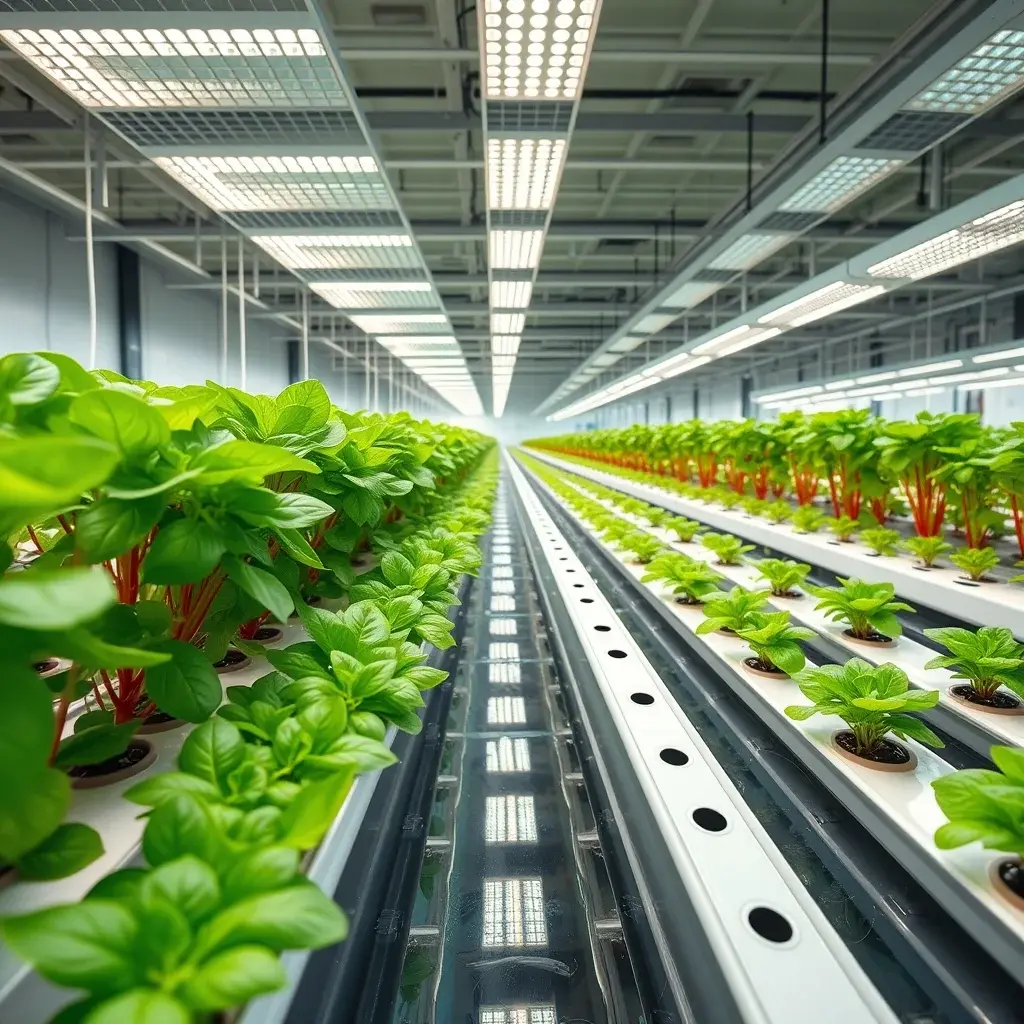
Hydroponics is a way of growing plants using water instead of soil. You feed the plants directly through a water-based mineral solution. This method allows you to grow food inside your home or a greenhouse all year long.
Plants need nutrients, water, and air to survive. By removing the soil, you give the roots direct access to these essentials. This often leads to faster growth and bigger harvests compared to traditional garden beds.
Why Should You Try Hydroponics?
Many people switch to this method because it saves space. You can stack systems vertically or use shelves to grow more food in a small apartment. It also uses less water than soil gardening because the water stays in the system and gets recycled.
You also deal with fewer pests. Most common garden bugs live in the soil. Without dirt, your indoor garden stays much cleaner. If you want to see how this fits into your home, earnstools.com has great resources for home gardeners.
Basic Parts of a Hydroponic System
Every system needs a few core parts to work. You do not need expensive gear to get started.
- A reservoir to hold the water.
- A way to hold the plant, like net pots.
- A growing medium, such as clay pebbles or coconut coir.
- An air pump to keep the water oxygenated.
- A nutrient solution mix.
Common Hydroponic Methods
There are several ways to set up your grow area. The Deep Water Culture (DWC) method is the most popular for beginners. In DWC, the roots hang directly into the nutrient-rich water.
| Method | Best For | Difficulty |
|---|---|---|
| Deep Water Culture | Lettuce and herbs | Easy |
| Wick System | Small plants | Very Easy |
| Ebb and Flow | Tomatoes | Medium |
Choosing Your First Plants
Start with easy crops to build your confidence. Lettuce, spinach, and kale grow very fast in water. Basil, mint, and cilantro are also excellent choices for indoor setups.
If you want to grow larger plants like peppers, you will need more space and more light. Keep it simple for your first try. Once you master leafy greens, you can move on to fruiting plants.
Managing Your Nutrient Solution
Plants cannot live on water alone. You must add nutrient solution to the reservoir. These liquids contain nitrogen, phosphorus, and potassium.
You should check the pH level of your water once a week. Plants have a specific range where they absorb nutrients best. Most home test kits make this simple enough to do in a few seconds.
Light and Temperature Needs
Your plants need plenty of light to grow. If you do not have a sunny window, you will need LED grow lights. Keep the lights on for about 12 to 14 hours every day.
Keep your room temperature stable. Most indoor plants prefer a range between 65 and 75 degrees Fahrenheit. Avoid placing your system near drafty doors or hot vents.
Common Mistakes to Avoid
The most common mistake is overfeeding. Adding too much nutrient solution can burn the roots. Always follow the label instructions on your fertilizer package.
Another issue is light leaks. If light gets into your water reservoir, you might grow algae. Use a dark container to keep the water clean and clear.
Setting Up Your First System
- Choose a clean plastic container with a lid.
- Cut holes in the lid to fit your net pots.
- Place your plants in the pots with clay pebbles.
- Fill the container with water and add your nutrients.
- Add an air stone and pump to keep the water bubbling.
For more detailed advice on gear, look at Hydroponics Made Easy: Grow Fresh Plants Without Soil to see how experts set up their rigs.
Maintenance Tips
Refresh your water every two weeks. This prevents salt buildup from the nutrients. Always keep an eye on your water level so the roots never dry out.
If you see yellow leaves, check your pH levels. A quick adjustment usually fixes the problem within a day or two. Keep your equipment clean to prevent mold growth.
Pros and Cons
| Pros | Cons |
|---|---|
| Faster growth | Requires electricity |
| Less water usage | Needs regular monitoring |
| No weeds | Can be costly to start |
Final Thoughts
Hydroponics is a fun and rewarding way to garden. It takes a little practice to get the hang of the water balance, but the results are worth it. You will enjoy fresh greens all year long, regardless of the weather outside. Just remember to start small and learn as you go.
Key Takeaways
- Hydroponics removes the need for soil by using water and nutrients.
- Start with easy plants like lettuce and herbs.
- Monitor your water pH and nutrient levels weekly.
- Use grow lights if you do not have natural sunlight.
Frequently Asked Questions
Is hydroponics expensive?
It can be cheap if you build your own system using household items. Professional setups cost more.
Do I need special fertilizer?
Yes. You must use fertilizers specifically designed for hydroponic systems.
How fast do plants grow?
Most plants grow significantly faster in water than they do in soil.
Can I grow anything?
You can grow almost anything, but some plants are much harder than others.
Do I need electricity?
Yes, you need power for your air pump and potentially for grow lights.
Is the water safe to drink?
The water contains fertilizers, so it is not safe for people or pets to drink.
Suggested External Authority Sources
- USDA National Institute of Food and Agriculture
- University Extension Gardening Programs
One thought on “Hydroponics Gardening: How to Grow Plants Without Soil”