SEO Title: Hydroponics Gardening: The Simple Way To Grow Fresh Food At Home
SEO Slug: hydroponics-gardening-tips
Meta Description: Learn how to start your own hydroponics garden. Grow fresh herbs and vegetables inside your home without any soil. Perfect for beginners.
Focus Keyword: Hydroponics
Secondary Keywords: indoor gardening, plant nutrients, grow lights, water culture, hydroponic systems
Estimated Reading Time: 12 minutes
Table of Contents
- What Is Hydroponics?
- Why Choose Hydroponics For Your Home
- Essential Tools You Need To Start
- How Hydroponic Systems Work
- Choosing The Best Plants For Success
- Managing Plant Nutrients Properly
- The Role Of Light In Growth
- Monitoring Water Quality
- Common Mistakes To Avoid
- Pros And Cons Of Hydroponic Gardening
- Setting Up Your Garden Space
- Maintaining Your Garden Over Time
- Solving Common Problems
- Advanced Tips For Better Yields
- Final Thoughts On Growing Without Soil
What Is Hydroponics?
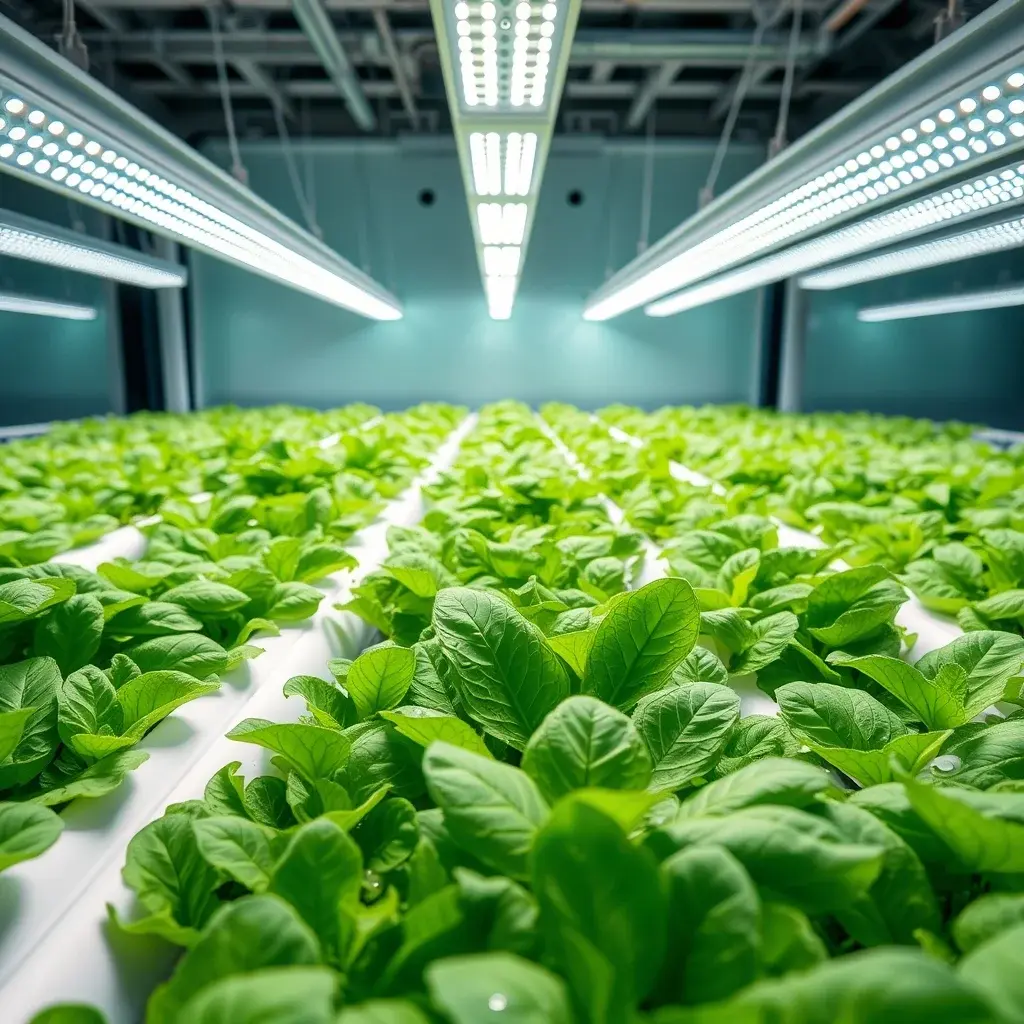
Hydroponics is a way to grow plants using water instead of soil. In a traditional garden, roots search for food in the dirt. With this method, you provide a nutrient-rich water solution directly to the roots. This helps plants grow faster and often produces more food in less space.
You can set up these systems indoors or outdoors. Many people find it perfect for apartments or homes with limited yard space. If you want to grow plants without soil, this is the most effective method available today.
Why Choose Hydroponics For Your Home
Growing plants this way saves a lot of water. Because the water stays in a closed system, it does not evaporate as quickly as it would in a garden bed. You also do not need to worry about weeds or soil-borne bugs that often ruin traditional crops.
Many gardeners at earnstools.com find that they get a higher quality harvest. Since the plants get exactly what they need, they focus all their energy on growing fruits and leaves.
| Feature | Traditional Gardening | Hydroponics |
|---|---|---|
| Growth Speed | Normal | Fast |
| Water Use | High | Low |
| Weeding | Required | None |
Essential Tools You Need To Start
You do not need a lot of expensive equipment to start. Most beginner systems use a basic reservoir and a pump. Here are the items you should gather before you start.
- A container for the water reservoir
- Net pots to hold your plants
- A grow medium like clay pebbles or rockwool
- A small air pump and air stone
- A basic light fixture for indoor growth
How Hydroponic Systems Work
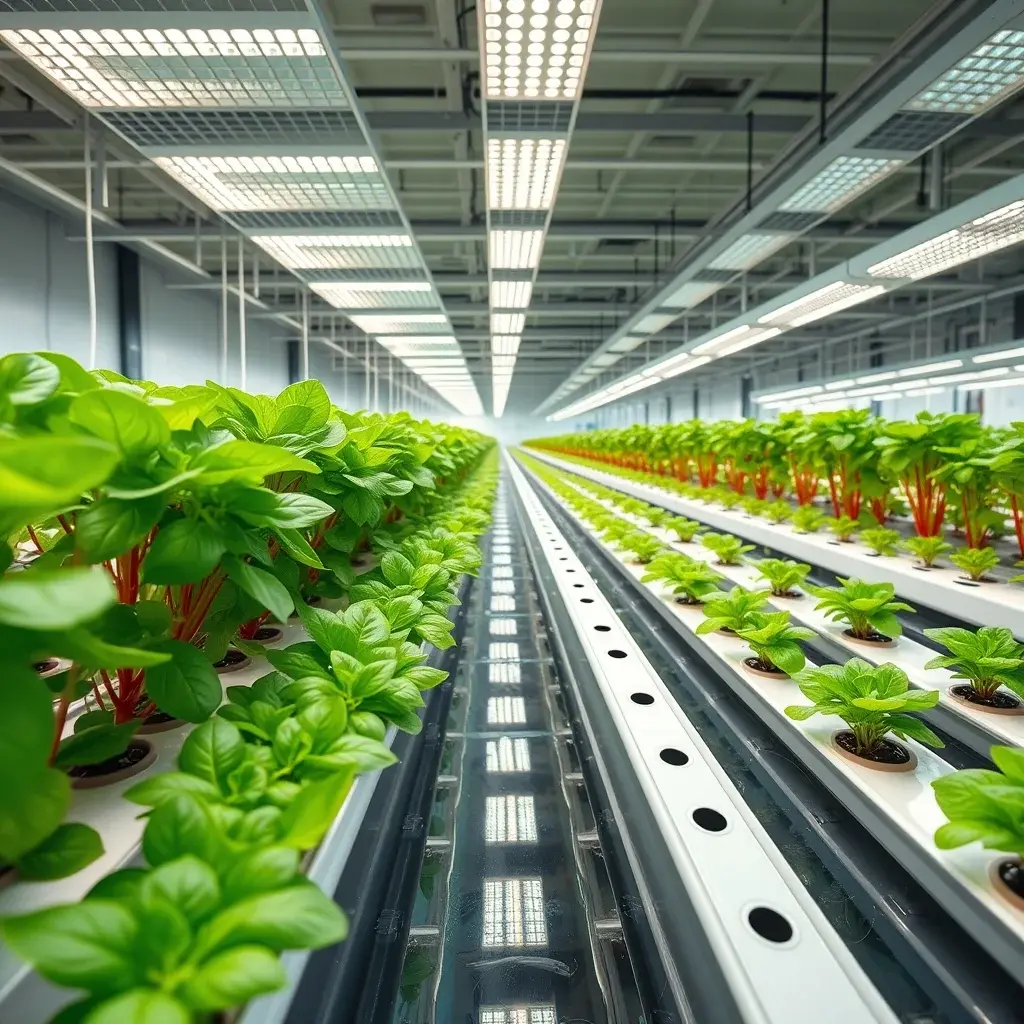
All systems share one goal: getting nutrients to the roots. Some systems, like Deep Water Culture, keep the roots submerged in a bubbly tank of water. Others use a drip method to feed the roots at set intervals.
The system constantly cycles oxygen and nutrients. This ensures that the roots never “drown” and always have access to fresh food. It is a simple loop that makes gardening predictable.
Choosing The Best Plants For Success
If you are new to this, start with plants that are easy to grow. Herbs and leafy greens respond very well to water-based systems. These plants do not need much room and reach harvest age quickly.
Recommended first plants:
- Lettuce
- Basil
- Spinach
- Mint
- Kale
Managing Plant Nutrients Properly
In soil, plants get minerals from the dirt. In hydroponics, you must add a concentrated nutrient mix to your water. Follow the instructions on your bottle of plant food very carefully.
Too much food will burn the roots. Too little food will cause the leaves to turn yellow. Check the mixture once a week to make sure the strength is correct.
| Tip | Action |
| Check pH | Test water weekly |
| Refresh | Change water every 2 weeks |
| Measure | Use a small cup for nutrients |
The Role Of Light In Growth
Plants need light to turn energy into growth. If you are growing indoors, your plants might not get enough natural sun. Using LED grow lights is a great solution for 2026.
Place your lights about 12 to 18 inches above the plants. You should keep them on for about 12 to 16 hours a day. Use a simple timer so you do not have to remember to switch them off.
Monitoring Water Quality
The quality of your water changes over time. Your plants will drink the water and absorb the minerals. This leaves behind a concentration of leftover salts.
Always keep an eye on your water level. Top it off with fresh water when it gets low. Every two weeks, it is wise to empty the reservoir and fill it with a fresh mixture to prevent salt buildup.
Common Mistakes To Avoid
Many new gardeners fail because they overcomplicate things. Do not change your nutrient brands or schedules too often. Your plants need stability to grow healthy.
Another mistake is ignoring the temperature of the water. If the water gets too hot, it will lose oxygen, and your plant roots will start to rot. Keep your reservoir in a cool, shaded area.
Pros And Cons Of Hydroponic Gardening
It is helpful to weigh the good and the bad before you invest your time.
- Pros: Faster growth, cleaner environment, uses less water, great for small homes.
- Cons: Requires electricity, needs daily monitoring, higher initial setup cost.
Setting Up Your Garden Space
Pick a corner of your home that is easy to reach. You need an outlet nearby for your pump and lights. Make sure the floor can handle a little bit of water if you spill during maintenance.
Ensure the area has good airflow. A small fan will help keep the air moving, which strengthens your plant stems and prevents mold from growing on the leaves.
Maintaining Your Garden Over Time
Spend five minutes every morning checking on your plants. Look at the leaves for spots or discoloration. Ensure the air pump is making bubbles in the tank.
Consistency is the secret to a great harvest. If you keep the environment stable, your plants will reward you with plenty of food. Treat your garden like a living pet that needs daily care.
Solving Common Problems
If your plants look weak, check the roots first. Healthy roots should look white or tan. If they look dark or slimy, you have a problem with your water quality or oxygen levels.
Clean your reservoir and trim away dead roots. Use a fresh nutrient solution to help the plant recover. Most plants will bounce back if you catch the issue early.
Advanced Tips For Better Yields
Once you master herbs, try growing fruiting plants like tomatoes or peppers. These require more light and a specific type of nutrient. You will also need to support the vines with small stakes as they get heavier.
Keep a simple garden journal. Write down when you add nutrients and when you harvest. This helps you track what works best in your specific indoor environment.
Final Thoughts On Growing Without Soil
Hydroponics is a rewarding way to bring nature into your home. It might take a little practice, but the ability to grow fresh food in the middle of winter is worth the effort. Start small with one system, learn how it works, and expand as you get more comfortable.
You now have the knowledge to build a successful garden. Start your project today and enjoy the taste of home-grown plants throughout the year.
Key Takeaways
- Hydroponics uses water and nutrients to replace soil.
- Start with easy plants like lettuce or basil.
- Monitor your water pH and nutrient levels weekly.
- Use quality grow lights for indoor success.
- Stability in light and water leads to bigger harvests.
Frequently Asked Questions
Is hydroponics better than soil? It depends on your goal. Hydroponics usually grows plants faster and saves water, but soil gardening is often simpler to set up.
Do I need a lot of space? No. Many systems fit perfectly on a kitchen counter or a small shelf.
Can I use tap water? Yes, but let it sit for a day so the chlorine evaporates before you add your nutrients.
How long do the plants live? Most herbs and greens grow quickly and are harvested within a few months.
What is the most important part of the system? Oxygen. Always ensure your air pump is working to provide bubbles for the roots.
Are the lights expensive to run? Modern LED lights are very efficient and use very little electricity compared to older bulbs.
Suggested External Authority Sources
- USDA Gardening Resources (usda.gov)
- National Institute of Food and Agriculture (nifa.usda.gov)