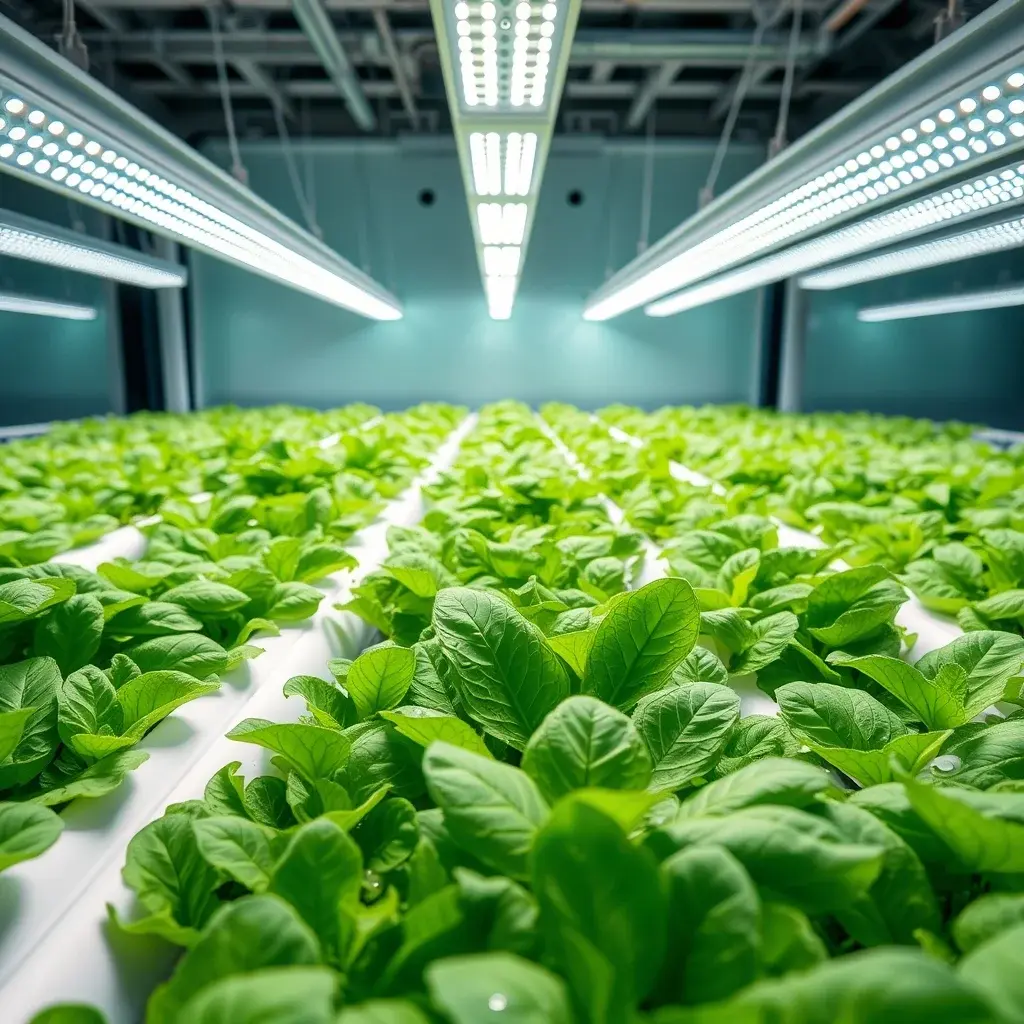
Hydroponics gardening is a revolutionary method of cultivating plants without soil, relying instead on nutrient-rich water solutions to deliver essential minerals directly to the root zone. By eliminating the need for traditional dirt, indoor hydroponics allows gardeners to grow vibrant vegetables, herbs, and flowering plants anywhere, year-round, with up to 90% less water usage. Whether you are aiming to build a compact kitchen herb garden or scale up to a commercial hydroponic farming operation, understanding the fundamental mechanics of soilless agriculture empowers you to achieve faster growth rates and higher crop yields than conventional soil cultivation.
Key Takeaways
- Hydroponics delivers dissolved minerals directly to plant roots in an aqueous medium, bypassing the need for soil entirely.
- Popular hydroponic systems include Deep Water Culture (DWC), Nutrient Film Technique (NFT), Ebb and Flow, and Aeroponics.
- Indoor hydroponics maximizes growth speed and yield by offering total control over lighting, pH levels, nutrient density, and climate.
- Maintaining precise water chemistry and proper oxygenation is critical to preventing root rot and ensuring plant health.
What is Hydroponics Gardening and How Does It Work?
At its core, hydroponics gardening replaces soil with an inert growing medium and an aqueous solution containing balanced plant nutrients. Soil naturally acts as a reservoir for minerals and structural support, but roots must expend significant energy expanding through earth to forage for nutrients. In a soilless system, dissolved ions like nitrogen, phosphorus, potassium, calcium, and magnesium are bathed over the roots continuously or intermittently.
Because the roots do not need to hunt for nourishment, plants redirect their metabolic energy toward vegetative growth, leaf production, and fruit development. This direct access to minerals speeds up crop maturation by up to 30% to 50% compared to traditional field methods. Furthermore, growing without soil eliminates soil-borne pathogens, weed competition, and pest larvae, leading to cleaner, healthier plants.
To support the plant structurally without soil, growers utilize inert substrates that do not alter the chemical balance of the nutrient solution. Common media include expanded clay pebbles, coco coir, rockwool, and perlite. These media hold moisture and oxygen while allowing roots to anchor securely within the growing tray or reservoir container.
Types of Hydroponic Systems Explained
Selecting the right hydroponic system depends on your available space, budget, and experience level. While every system delivers water and nutrients, they differ in how they manage delivery and oxygen distribution to the root mass.
Deep Water Culture (DWC)
Deep Water Culture is one of the simplest and most efficient methods for indoor hydroponics. In a DWC system, plant roots suspended in net pots dangle directly into a reservoir filled with oxygenated nutrient solution. An aquarium air pump connected to an air stone continuously bubbles oxygen through the water, preventing the submerged roots from suffocating.
Nutrient Film Technique (NFT)
Nutrient Film Technique systems utilize sloped channels through which a continuous, shallow stream of water cascades. The bare roots of plants rest inside these channels, absorbing nutrients from the constant film of water running past them while exposed upper root portions capture atmospheric oxygen. NFT is highly favored in commercial hydroponic farming for leaf crops like lettuce and spinach.
Ebb and Flow (Flood and Drain)
The Ebb and Flow system operates on a timed cycle using a submersible pump inside a lower reservoir. At scheduled intervals, the pump floods an upper grow tray containing plants and inert media with nutrient solution. Once the tray reaches a specific level, a siphon drains the liquid back down, pulling fresh oxygen down into the root zone as the liquid recedes.
Aeroponics
Aeroponics represents the high-tech frontier of soilless gardening. Roots hang freely inside a sealed chamber and are misted at regular intervals with a fine nutrient fog. Because the roots are perpetually exposed to ambient oxygen between mistings, plants in aeroponic systems experience extremely rapid nutrient uptake and accelerated growth rates.
Comparing Hydroponic System Features
| System Type | Difficulty Level | Best Crops | Water Usage Efficiency | Ideal Environment |
|---|---|---|---|---|
| Deep Water Culture (DWC) | Beginner | Lettuce, Basil, Kale | High | Indoor Closet / Small Tent |
| Nutrient Film Technique (NFT) | Intermediate | Greens, Strawberries, Herbs | Very High | Greenhouse / Dedicated Room |
| Ebb & Flow | Intermediate | Tomatoes, Peppers, Large Plants | Moderate to High | Indoor Grow Room / Garage |
| Aeroponics | Advanced | Leafy Greens, Microgreens, Herbs | Maximum | Controlled Indoor Chamber |
Essential Components for Indoor Hydroponics Success
Operating a successful indoor hydroponic system requires careful assembly of specific environmental controls and monitoring tools. Mastering these elements ensures your crops receive the exact input required for optimal photosynthetic efficiency.
First, lighting is critical when growing indoors without natural sunlight. Full-spectrum LED grow lights provide the specific blue and red wavelengths necessary for vegetative growth and flowering, consuming far less electricity than traditional high-pressure sodium fixtures. Maintaining a light cycle of 14 to 18 hours per day gives plants sufficient energy to thrive.
Second, monitoring water chemistry is vital. The potential of Hydrogen (pH) dictates whether plant roots can absorb available elements. For most hydroponic crops, maintaining a target pH between 5.5 and 6.5 ensures nutrient availability. Additionally, an Electrical Conductivity (EC) or Total Dissolved Solids (TDS) meter measures the exact concentration of dissolved salts, helping you avoid underfeeding or burning delicate root systems.
According to resource materials from the U.S. Department of Agriculture, precise environmental control in indoor agriculture allows growers to significantly increase crop output per square foot while reducing fertilizer runoff into local watersheds.
Benefits of Hydroponic Farming
The transition toward soilless farming addresses critical agricultural challenges such as topsoil erosion, water scarcity, and urbanization. Hydroponic systems recirculate their water supply, losing liquid only to plant transpiration and minimal evaporation. This efficiency drastically reduces consumption compared to field irrigation.
Space utilization is another major advantage of indoor hydroponics. Vertical farming systems stack hydroponic channels vertically, allowing urban growers to produce tons of fresh produce within minimal footprints. Greenhouses and indoor facilities can be located near urban centers, slashing transportation emissions and delivering fresh produce to consumers within hours of harvest.
Furthermore, because hydroponic setups provide an isolated growing environment, reliance on synthetic chemical pesticides and herbicides is minimized or completely eliminated. Produce harvested from controlled environments is cleaner, consistent in quality, and immune to seasonal weather disruptions like droughts or early freezes.
Expert Insight: Managing Water Temperature and Oxygen Content
“The hidden key to successful hydroponics is managing dissolved oxygen levels by controlling water temperature. Maintaining reservoir temperatures between 65°F and 68°F (18°C to 20°C) provides the ideal environment where water holds maximum oxygen while discouraging warm-water pathogens like Pythium root rot.”
When reservoir temperatures climb above 72°F (22°C), water loses its capacity to hold dissolved oxygen rapidly. Starved roots become vulnerable to parasitic water molds, leading to systemic decay and plant collapse. Utilizing dedicated water chillers, keeping reservoirs off warm concrete floors, and adding supplemental aeration are essential best practices for preserving root vitality over long growth cycles.
Frequently Asked Questions
What plants grow best in hydroponics gardening?
Leafy greens like lettuce, spinach, kale, and swiss chard perform exceptionally well in hydroponics, alongside culinary herbs such as basil, mint, and cilantro. Fruiting plants like tomatoes, peppers, cucumbers, and strawberries also yield abundantly when supplied with higher light intensity and specialized nutrient formulations.
Is hydroponics cheaper than growing in soil?
Initial setup costs for hydroponics are generally higher than soil gardening due to the need for pumps, reservoirs, grow lights, and testing meters. However, long-term costs balance out through higher crop yields, faster growth cycles, reduced water bills, and the ability to reuse growing media.
Do hydroponic plants taste as good as soil-grown plants?
Yes, hydroponically grown produce often matches or exceeds soil-grown produce in flavor and nutritional value. By delivering exact ratios of minerals during peak growth stages, hydroponics optimizes the production of natural sugars, aromatic oils, and vitamins within the plant.
How often should I change the hydroponic nutrient solution?
It is best practice to fully drain, flush, and replace your hydroponic nutrient solution every 7 to 14 days. Over time, plants absorb specific minerals at different rates, causing nutrient imbalances and salt accumulation in the reservoir that simple top-offs cannot correct.
To start your home hydroponics journey successfully, begin with a small, manageable setup like a single-bucket Deep Water Culture system or a compact desktop kit dedicated to fast-growing greens. Focus on establishing a daily routine for monitoring your water’s pH and temperature levels, and keep accurate records of plant responses as you fine-tune your nutrient ratios. With patience and consistent monitoring, you will quickly master the art of soilless gardening and enjoy fresh, home-grown harvests throughout every season of the year.
One thought on “The Ultimate Guide to Hydroponics Gardening: Soilless Farming & Indoor Systems”