What Is Hydroponics?
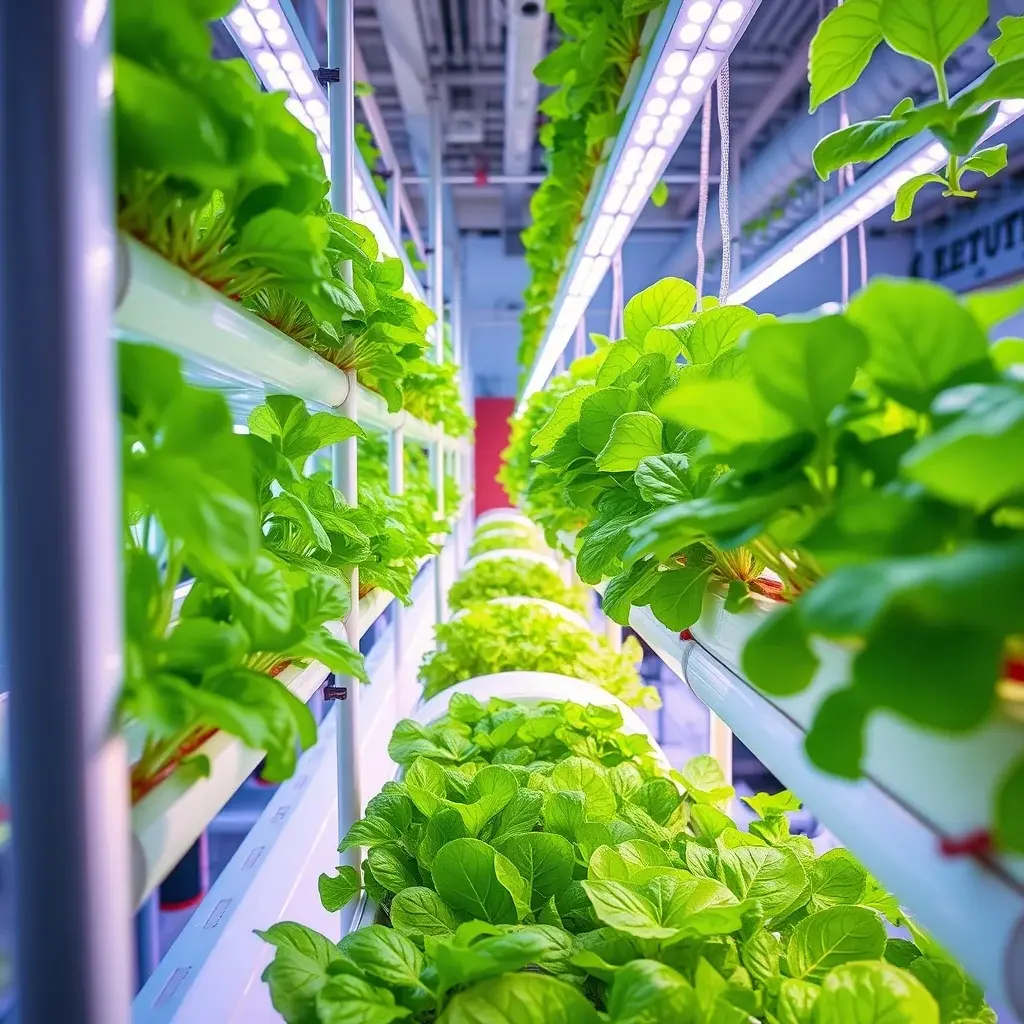
Hydroponics is a way to grow plants without using dirt. Instead of putting roots in soil, you place them directly in water that has all the food they need. Plants do not actually need soil to live. They only need the water, minerals, sun, and air found inside dirt. When you take away the soil, you give the roots direct access to nutrients. This makes plants grow much faster.
People use The Ultimate Guide to Hydroponics Gardening: Soilless Farming & Indoor Systems to learn advanced tricks, but the basic idea is very simple. Water carries food straight to the roots. Because the roots do not waste energy searching through heavy dirt, the plant puts all its energy into growing leaves, flowers, and fruit.
Why Choose Soilless Growing?
Growing plants indoors changes how you garden. You do not have to worry about bad weather, hungry pests, or heavy bags of dirt. You can set up a small garden in your kitchen, garage, or spare bedroom.
Water usage is another big win. Traditional outdoor farming wastes a lot of water because it sinks deep into the ground or evaporates. Indoor systems trap the water and recycle it. You use a fraction of the water compared to a normal outdoor garden.
Main Types of Systems
There are a few different ways to build your indoor garden. Each setup works a little differently.
Deep Water Culture
This is the easiest setup for beginners. Your plants sit in small cups filled with clay pebbles. The roots hang down into a tank filled with water and plant food. An air pump keeps bubbles moving so the roots get enough oxygen.
Nutrient Film Technique
In this system, a small stream of water constantly flows over the plant roots in a sloped plastic channel. Only the tips of the roots touch the water, while the top parts get plenty of air.
Wick Systems
This is a passive setup that does not need electricity. A nylon wick pulls water and food up from a lower reservoir into the plant roots using capillary action.
| System Type | Difficulty | Best For |
|---|---|---|
| Deep Water Culture | Easy | Leafy greens and herbs |
| Nutrient Film Technique | Medium | Fast-growing plants |
| Wick System | Beginner | Small houseplants |
Essential Equipment You Need
You do not need a massive budget to start growing. You just need a few basic tools to get your plants off to a good start.
- Water reservoir container
- Net pots and growing media like clay pellets
- Submersible water pump and air stones
- LED grow lights
- pH testing kit
You can find great gear recommendations over at earnstools.com if you want to upgrade your setup later.
Understanding Nutrient Solutions
Plants need specific minerals to stay healthy. Since there is no dirt to provide these minerals, you must mix them into your water. You can buy bottled plant food made specifically for indoor gardens.
Always mix your nutrients carefully. If the water is too strong, it can burn the roots. If it is too weak, the leaves will turn yellow. Check the pH level of your water often. Most plants like a slightly acidic balance.
Step-by-Step Setup Guide
Follow these steps to build your first home setup:
- Clean your water container thoroughly with soap and water.
- Fill the container with clean tap water and let it sit for a day to get rid of chlorine.
- Add your liquid plant food and stir well.
- Place your air pump inside to keep the water oxygenated.
- Put your young seedlings into the net pots with clay pebbles.
- Position your grow lights overhead and set a timer for twelve to sixteen hours of light daily.
Pros and Cons of Indoor Growing
Every gardening method has good and bad points. Here is what you should expect.
Pros
- Faster plant growth and bigger harvests
- No weeding or digging in heavy dirt
- Grow fresh food all year round indoors
- Uses much less water than outdoor gardens
Cons
- Requires a small investment in equipment
- Relies on electricity to run pumps and lights
- Mistakes can harm plants very quickly
Common Mistakes to Avoid
Beginners often make a few avoidable errors. Watch out for these pitfalls.
Do not skip checking your water chemistry. If the pH drifts too high or too low, the roots cannot drink. Also, avoid putting your setup in direct sunlight if you use indoor lights, because the water can overheat and cause root rot.
Expert Tips for Big Harvests
Keep your water temperature cool. Warm water holds less oxygen, which stresses your plants. Clean your tank every few weeks to prevent algae growth. Prune dead leaves quickly so pests stay away.
Frequently Asked Questions
Can I use regular tap water?
Yes, but let it sit out for twenty-four hours first so the chlorine evaporates.
Do plants grow faster without dirt?
Yes, because roots get direct access to food and water without having to push through heavy soil.
Do I need expensive lights?
Standard LED shop lights work for small herbs, but full-spectrum grow lights give better results for fruiting plants.
How often should I change the water?
Change the water and reset your nutrient mix every two to three weeks.
Can I grow tomatoes indoors?
Yes, tomatoes love indoor systems, but they need strong lights and sturdy support cages.
Is it hard to learn?
It takes a little practice to get the nutrient mix right, but basic setups are very beginner-friendly.
Conclusion
Starting with hydroponics is a fun and rewarding way to grow your own food at home. You do not need a big yard or heavy farming tools to get fresh lettuce and herbs. Pick a simple setup, keep an eye on your water, and enjoy watching your indoor garden thrive.
Key Takeaways
- Soil is not required for healthy plant growth.
- Water and oxygen are the main keys to root health.
- Always monitor your water pH and nutrient levels.
- Indoor gardens save space and use less water.
Suggested Internal Link Opportunities
- The Ultimate Guide to Hydroponics Gardening: Soilless Farming & Indoor Systems
- earnstools.com homepage