SEO Title: Hydroponics 2026: The Complete Beginner Guide to Indoor Growing
SEO Slug: hydroponics-beginner-guide
Meta Description: Learn how hydroponics works, explore top systems, and start growing fresh plants indoors without soil today with this practical guide.
Focus Keyword: Hydroponics
Secondary Keywords: indoor gardening, soilless growing, nutrient solution, grow lights, plant roots
Estimated Reading Time: 12 minutes
Table of Contents
- What Is Hydroponics and Why Try It?
- How Plants Grow Without Dirt
- The 6 Main Types of Systems
- Choosing Your First Setup
- Essential Gear You Need
- Mixing the Right Nutrients
- Step by Step Setup Guide
- Pros and Cons to Consider
- Expert Tips for Success
- Common Mistakes to Avoid
- Frequently Asked Questions
What Is Hydroponics and Why Try It?
Growing plants without soil is no longer just for science labs. Today, hydroponics is a popular hobby for people who want fresh food at home. You can grow herbs, greens, and even tomatoes right in your living room or kitchen.
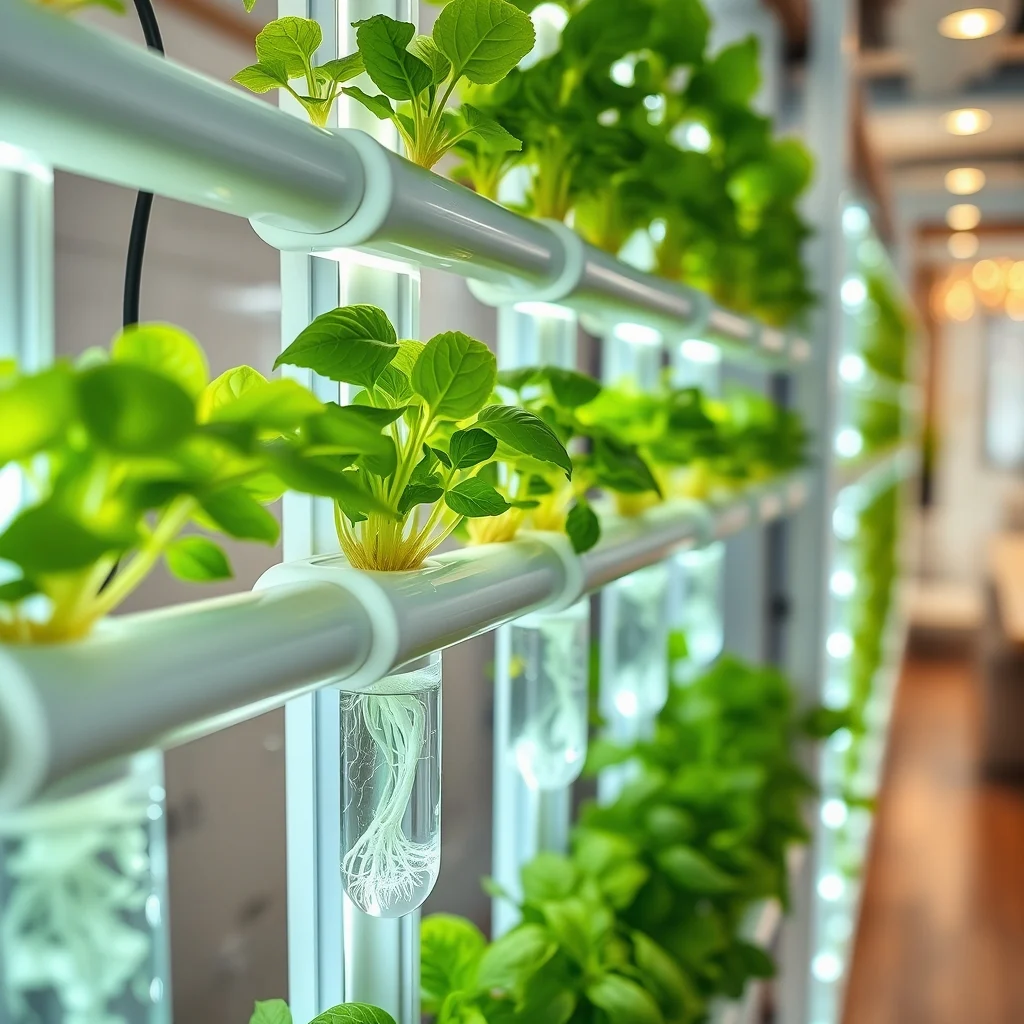
When you skip the dirt, your plants do not waste energy searching for food in the ground. Instead, their roots sit directly in water that is full of essential minerals. This means your plants grow much faster and often yield a bigger harvest.
You can check out The Ultimate Guide to Hydroponics Gardening: Master Soilless Growing for more deep dives into advanced setups. Whether you live in a small apartment or a house with a big yard, this method fits almost any space.
How Plants Grow Without Dirt
In traditional gardening, dirt acts as an anchor and a pantry for plants. In a soilless growing system, you replace the dirt with a neutral medium like clay pebbles, perlite, or rockwool. These materials only hold the plant upright.
The real magic happens in the water. You mix a special blend of minerals into water to create a nutrient solution. The roots take up this water and food directly. Because the food is right there, plants spend less time building huge root systems and more time growing leaves and fruit.
The 6 Main Types of Systems
There are several ways to build a garden. Each system moves water and food to the roots differently. You should pick one that matches your budget and skill level.
- Deep Water Culture (DWC)
- Nutrient Film Technique (NFT)
- Ebb and Flow (Flood and Drain)
- Wicking Systems
- Drip Systems
- Aeroponics
Deep Water Culture Systems
This is the easiest system for beginners. Your plant sits in a net cup filled with clay pebbles. The roots hang down straight into a bucket filled with water and plant food.
You must use an aquarium air pump and an air stone in the bucket. Roots need oxygen just like we do. If the water has no air, your plants will drown and rot.
Ebb and Flow Setups
An ebb and flow system floods your plant roots with water for a short time. Then, the water drains back down into a reservoir. This happens on a timer.
This method gives roots a great mix of water and air. It works well for larger plants like tomatoes and peppers.
Choosing Your First Setup
If you are just starting out, keep things simple. Do not buy a huge commercial kit right away. Try a small DWC bucket or a pre-made countertop kit for herbs.
Look at your available space. Do you have a sunny window? If not, you will need to buy indoor grow lights. Make sure you have access to an electrical outlet and a water source nearby.
Essential Gear You Need
To get started, you do not need expensive commercial gear. You just need a few basic tools to keep your plants happy and healthy.
- A water reservoir or bucket
- Net pots and growing medium
- An air pump and air stones
- A water pump (depending on the system)
- LED grow lights
- pH test kit
Mixing the Right Nutrients
Plants need specific elements like nitrogen, phosphorus, and potassium. You cannot just use tap water and expect them to thrive. You need to buy a two-part or three-part plant food made specifically for indoor gardens.
Always add your minerals to water in the correct order listed on the bottle. Never mix concentrated solutions directly together. They can bind up and become useless to your plants.
You also need to check your water acidity. Most crops like a pH between 5.5 and 6.5. Use a simple test kit to check the water daily. You can buy cheap up and down solutions to adjust the level.
Step by Step Setup Guide
Building your first DWC bucket is simple. Follow these steps to get your indoor garden running in under an hour.
- Clean your bucket and air pump thoroughly with soap and water.
- Place the air stone at the bottom of the bucket and connect it to the pump outside.
- Fill the bucket with clean tap water, leaving a small gap at the top.
- Mix in your plant food according to the label instructions.
- Check the pH and adjust it if necessary.
- Place your young plant in a net pot filled with clay pebbles.
- Set the net pot into the lid hole so the bottom roots touch the water.
- Turn on your air pump and your grow lights.
Pros and Cons to Consider
Every gardening method has good and bad points. Knowing them helps you decide if this hobby is right for you.
| Pros | Cons |
|---|---|
| Faster plant growth | Higher initial setup cost |
| No weeds or soil pests | Requires daily monitoring |
| Uses less water than soil | Dependent on electricity |
| Great for small spaces | Mistakes can kill plants fast |
Expert Tips for Success
Keep your water temperature between 65 and 70 degrees Fahrenheit. Warm water holds less oxygen, which can harm your roots.
Change your water every two weeks. Plants use up certain minerals faster than others. Fresh water keeps the balance right.
Keep your growing area clean. Algae loves light, water, and nutrients. Keep your reservoir covered so light cannot get in and cause green slime to grow.
Common Mistakes to Avoid
Many beginners fail because they make simple, avoidable errors. Watch out for these common traps:
- Adding too much plant food, which burns the leaves.
- Ignoring the pH levels in the water reservoir.
- Not giving roots enough oxygen.
- Placing lights too close or too far from the leaves.
Frequently Asked Questions
Can I use regular tap water?
Yes, but you should let it sit out for 24 hours first. This lets the chlorine evaporate so it does not harm your plants or beneficial microbes.
Do I need a sunny window?
No window is needed if you use grow lights. Many indoor gardeners prefer artificial lights because they control the exact amount of light plants receive every day.
How often should I change the water?
You should completely drain and refill your reservoir every 14 days. Top off evaporated water with plain water between full changes.
Is it hard for beginners?
It can be if you start with a complex system. If you start with a simple deep water culture bucket, you will find it very easy to learn.
What plants grow best indoors?
Leafy greens like lettuce, spinach, and herbs like basil and mint grow very fast and easily in indoor setups.
Can I grow food all year round?
Yes. Because you control the temperature and light indoors, you can harvest fresh food even in the middle of winter.
Conclusion
Starting your journey with hydroponics is a fun and rewarding project. You do not need a green thumb to grow great food at home. Just follow the basics, keep your water clean, and watch your plants thrive. Visit earnstools.com for more handy DIY guides and tool reviews to help your indoor garden grow.
Key Takeaways
- Plants grow faster without dirt because food is delivered directly to the roots.
- Deep water culture is the best system for absolute beginners.
- Monitor your water pH and temperature every single day.
- Keep your water reservoir dark to prevent unwanted algae growth.