hydroponics-indoor-gardeners
Learn how modern hydroponics lets you grow fresh plants at home without soil. Get simple steps, system tips, and expert advice for indoor gardening.
Hydroponics
indoor growing, soilless cultivation, nutrient solution, grow lights, plant roots
8 minutes
Table of Contents
- What Is Hydroponics?
- Why Grow Without Soil?
- Main Types of Hydroponic Systems
- Essential Gear for Your Setup
- Step-by-Step Growing Guide
- Common Mistakes to Avoid
- Key Takeaways
- Frequently Asked Questions
- Conclusion
# Article Outline
| Heading Level | Heading | Purpose |
|---|---|---|
| H2 | What Is Hydroponics? | Explain the basic concept of growing plants in water. |
| H3 | The Science Behind Water Feeding | Break down how roots absorb nutrients directly. |
| H2 | Why Grow Without Soil? | Highlight the main benefits for home gardeners. |
| H3 | Faster Growth and Bigger Harvests | Explain why plants grow quicker without dirt. |
| H2 | Main Types of Hydroponic Systems | Compare popular system setups for beginners. |
| H3 | Deep Water Culture Explained | Describe the simplest system for new growers. |
| H3 | Nutrient Film Technique | Show how a continuous flow system works. |
| H2 | Essential Gear for Your Setup | List the hardware needed to start growing. |
| H3 | Lighting and Water Pumps | Cover artificial sun and water movement tools. |
| H2 | Step-by-Step Growing Guide | Give clear actions to build your first garden. |
| H3 | Mixing Your First Nutrient Batch | Explain water testing and mineral mixing. |
| H2 | Common Mistakes to Avoid | Warn readers about typical beginner errors. |
| H3 | Overfeeding and Ph Balance Issues | Fix chemical problems before plants die. |
| H2 | Expert Tips for Better Results | Share pro tricks for high yields. |
| H2 | Conclusion | Wrap up the main points of the article. |
What Is Hydroponics?
Hydroponics is a way to grow plants without using dirt. Instead of soil, plant roots sit directly in water that is full of essential minerals. You can check out The Ultimate Guide to Hydroponics Gardening: Soilless Cultivation and Indoor Systems to learn more about setting up your own space.
When you take away soil, plants do not need to spend energy pushing roots through heavy dirt. They use that extra energy to grow leaves, flowers, and fruit much faster.
The Science Behind Water Feeding
In traditional gardening, roots search through dirt to find food and water. With hydroponics, food and water come straight to the roots all day long. This makes it super easy for the plant to eat and drink.
You mix specific mineral powders or liquids into pure water. Your plants take in these exact minerals, which means you control everything they consume.
Why Grow Without Soil?
Growing plants indoors with water saves a lot of space. You can set up a small garden on a kitchen counter or in a spare closet. You also avoid bugs and weeds that usually live in outdoor dirt.
Water conservation is another huge perk. Traditional farming wastes a lot of water because it sinks deep into the ground. A closed water system recycles almost all of its liquid.
Faster Growth and Bigger Harvests
Plants grown in water often grow up to twice as fast as plants grown in dirt. Because they get an exact mix of food and air, they produce bigger crops in less time.
You can garden year-round, too. Cold winter weather outside does not matter when your plants live safely inside your home.
Main Types of Hydroponic Systems
There are several ways to set up your indoor garden. Some use moving water, while others keep the roots submerged in a static bucket.
| System Type | Best For | Difficulty |
|---|---|---|
| Deep Water Culture | Beginners | Easy |
| Nutrient Film Technique | Leafy Greens | Moderate |
| Ebb and Flow | Fruiting Plants | Moderate |
| Drip System | Large Gardens | Hard |
Deep Water Culture Explained
Deep water culture, or DWC, is the best system for beginners. You hang your plants in small plastic pots filled with clay pebbles. The roots dangle down into a bucket filled with water and plant food.
An aquarium air pump keeps the water bubbling. This adds oxygen so the roots do not drown or rot.
Nutrient Film Technique
The nutrient film technique uses a gentle stream of water that runs across the bottom of a slightly tilted pipe. Plant roots sit in this shallow stream and grab what they need as the water flows past.
This method works wonders for fast-growing greens like lettuce and spinach. It uses very little water and keeps the setup lightweight.
Essential Gear for Your Setup
You do not need fancy tools to start your first indoor garden. A few basic items will get you up and running in no time.
- Water reservoir bucket
- Net pots and clay pebbles
- Aquarium air pump and air stone
- LED grow lights
- pH test kit and mineral nutrients
Lighting and Water Pumps
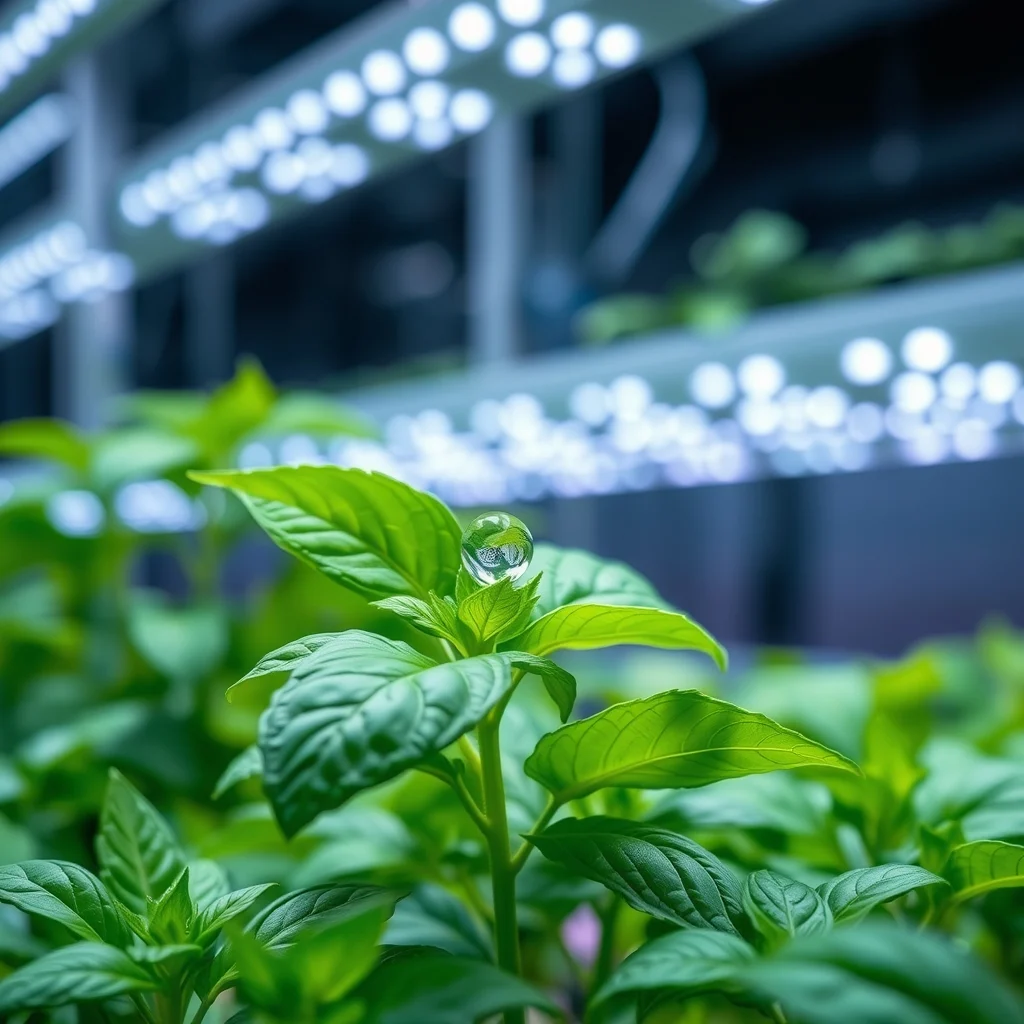
Indoor plants need strong light to make food through photosynthesis. Full-spectrum LED grow lights give your plants the exact light waves they need without making too much heat.
Your water pump keeps the liquid moving. Stagnant water breeds bad bacteria, so keeping the water fresh and oxygenated is key to plant health.
Step-by-Step Growing Guide
Follow these simple steps to build your first working indoor garden at home.
- Clean your water reservoir and fill it with filtered tap water.
- Add your liquid plant food and stir the water well.
- Check the water acidity using your pH test kit to keep it slightly acidic.
- Place your young seedlings into net pots with clay pebbles.
- Turn on your air pump and set your grow lights on a daily timer.
Mixing Your First Nutrient Batch
Getting your plant food mix right is very important. Always follow the instructions on the nutrient bottle because adding too much food will burn your plant roots.
Use a digital meter to check the mineral strength of your water. Most leafy greens like a medium strength, while heavy fruiting plants need a stronger mix as they grow.
Common Mistakes to Avoid
Beginners often make a few typical errors when they start growing plants in water. Knowing what to watch for will save you a lot of trouble.
- Ignoring the pH level of the water
- Forgetting to clean the reservoir tank
- Leaving roots without enough oxygen
- Using harsh tap water full of chlorine
Overfeeding and pH Balance Issues
If your plant leaves turn yellow or brown at the tips, you might be giving them too much food. Flush the system with clean water and mix a weaker batch of nutrients.
Keep a close eye on your pH balance. If the water gets too basic or too acidic, the roots cannot drink the minerals even if the water is full of them.
Expert Tips for Better Results
Keep your water temperature cool. Warm water holds less oxygen, which can harm your plant roots and invite algae growth.
Change out the entire water tank every two weeks. Fresh water keeps your plants happy and gives them a clean supply of essential minerals.
Key Takeaways
- Hydroponics lets you grow plants fast without using any soil.
- Deep water culture is the easiest system for first-time growers.
- Always monitor your water pH and nutrient strength.
- Use quality LED grow lights to mimic natural sunlight indoors.
Frequently Asked Questions
Can I grow any plant using hydroponics?
Most plants grow well without soil, but root crops like potatoes are harder to manage. Leafy greens, herbs, and tomatoes are the most popular choices for beginners.
Do I need natural sunlight for my indoor garden?
No, artificial LED grow lights work even better than weak window light and let you grow plants in windowless rooms.
How often should I change the water?
Drain and refill your water reservoir every two weeks to keep mineral levels balanced and prevent algae build-up.
Is hydroponic food safe to eat?
Yes, plants grown in water are completely safe and often cleaner than soil-grown crops because they have no contact with ground pests or dirt.
Why do my plant roots look brown?
Brown roots usually mean root rot caused by low oxygen or warm water. Add an extra air stone and keep the water temperature cool.
How much does a basic setup cost?
You can build a simple DIY deep water culture bucket for a very low cost using basic supplies from a local hardware store.
Conclusion
Growing plants without soil is a fun and rewarding hobby that fits into almost any home. By following the basic steps for water management and lighting, you can harvest fresh herbs and vegetables all year long. Visit earnstools.com for more helpful tips on indoor gardening.