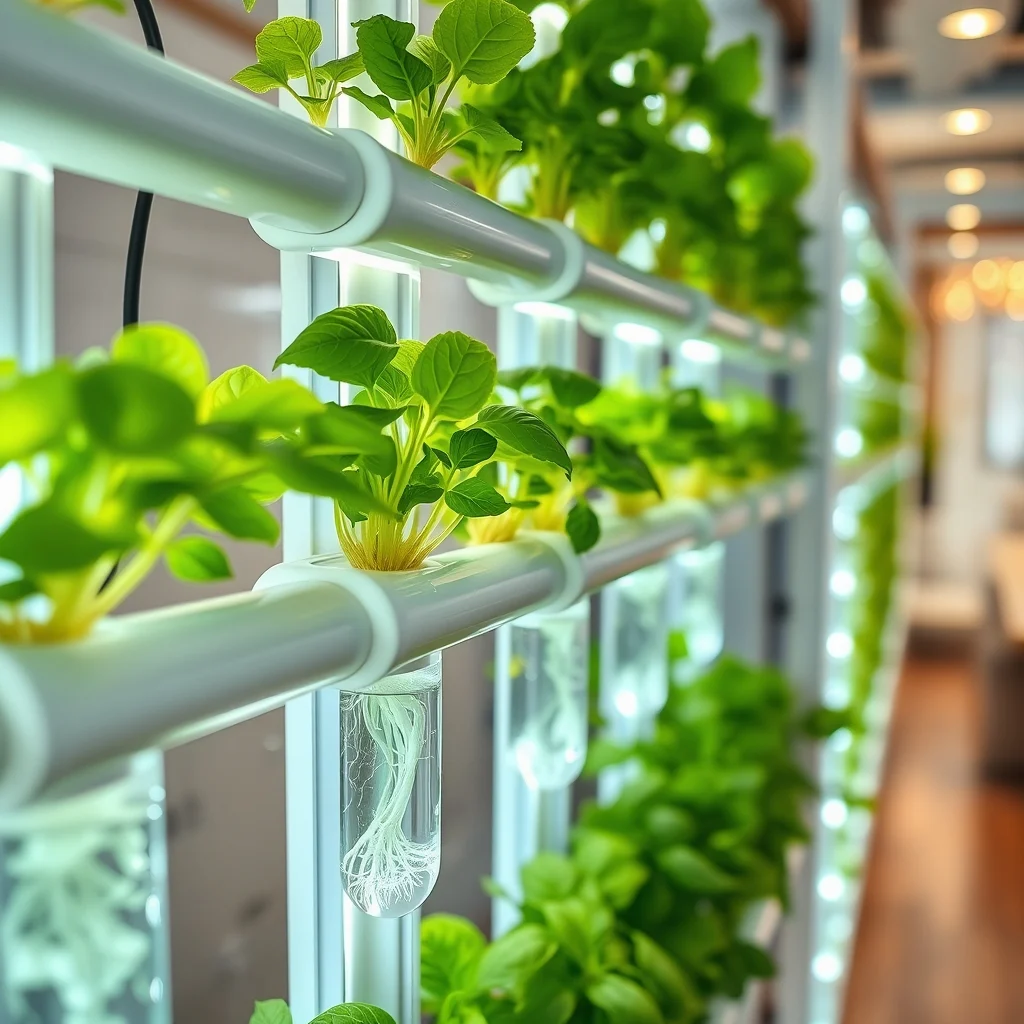
Hydroponics is a way to grow plants by using water instead of dirt. It sounds strange at first, but it is actually a very smart way to garden. You give your plants exactly what they need through a liquid nutrient mix. This method works great for people who live in apartments or want fresh food all year long.
| Feature | Soil Gardening | Hydroponics |
|---|---|---|
| Growth Speed | Normal | Fast |
| Space Needed | Large area | Flexible |
| Water Use | High | Low (Recycled) |
Why People Choose Hydroponics
You might wonder why anyone would skip using soil. The main reason is control. When you grow plants in the ground, you have to worry about pests, weeds, and bad soil quality. With a system from places like earnstools.com, you avoid those common headaches.
Plants grown this way often grow faster because they do not have to search for food. The nutrients are right at the roots. You also save water. Since the water stays in a closed system, it does not evaporate or soak into the deep ground where roots cannot reach.
The Six Main Types of Systems
There are many ways to set up your garden. You should pick one that fits your budget and the space you have available.
- Wick System: Uses a wick to pull water up to the roots.
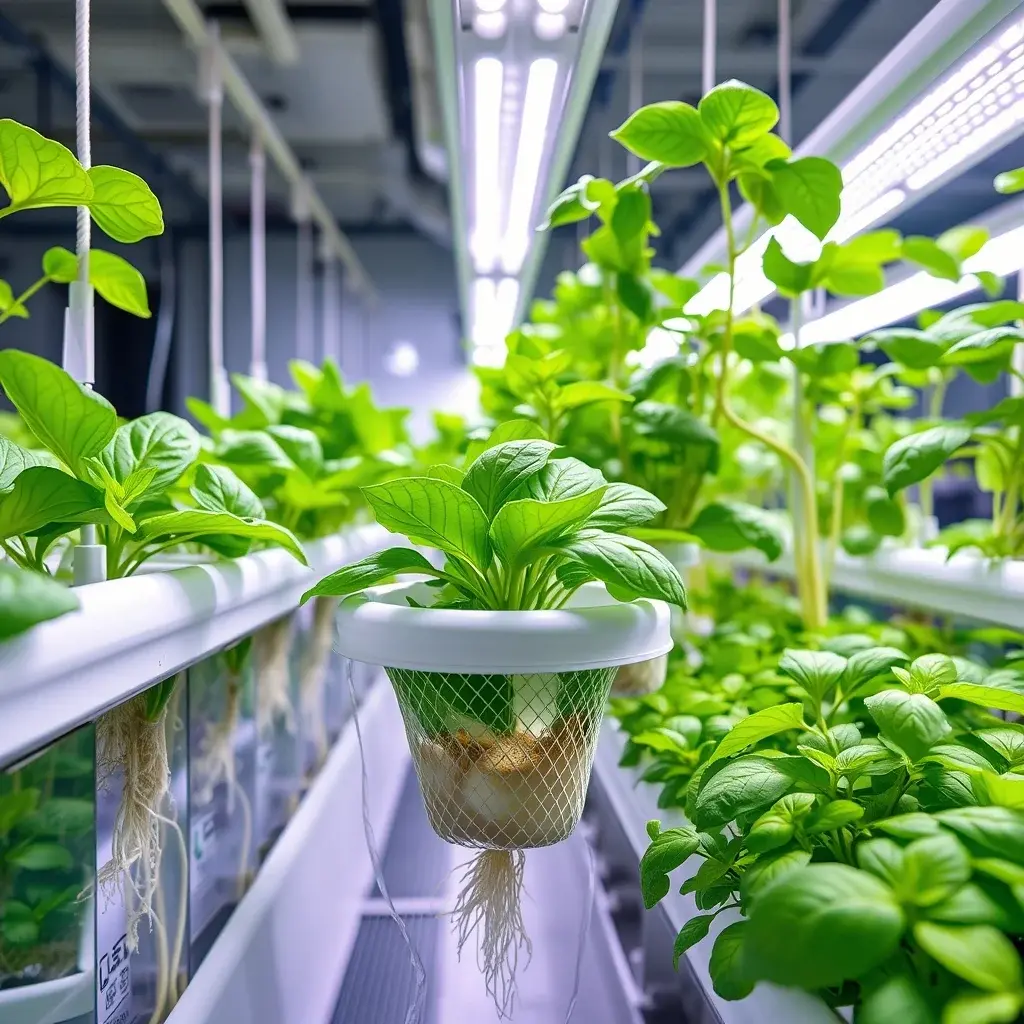
- Deep Water Culture: Roots sit in a large container of nutrient water.
- Ebb and Flow: Floods the growing area with water and then drains it.
- Drip System: Uses a pump to drop water onto the base of the plant.
- Nutrient Film Technique: A thin stream of water flows over the roots.
- Aeroponics: Roots hang in the air and get misted with nutrients.
Deep Water Culture for Beginners
If you are just starting, look into Deep Water Culture. It is the easiest method to build yourself. You just need a plastic bin, an air pump, and some grow baskets. You can find more tips on how this works in The Ultimate Guide to Hydroponics Gardening: Growing Plants Without Soil.
Essential Gear You Will Need
You do not need a fancy laboratory to start. Keep things simple at first. Focus on the basics to ensure your plants stay healthy.
- Grow lights (if you are indoors)
- Nutrient solution (liquid food)
- Air pump and air stones
- Grow medium (clay pebbles or coco coir)
- Water pH test kit
Monitoring Your Water Quality
Your plants live in the water, so you must keep that water clean. You need to check the pH level at least once a week. Plants have a favorite pH range where they can absorb food best. If the water is too acidic or too basic, the plants will stop growing.
You can buy a simple digital meter to check this. If the number is off, you can buy “pH up” or “pH down” drops to fix it. This small step makes a huge difference in how much food you harvest.
| Task | How Often |
|---|---|
| Check pH Levels | Twice a week |
| Clean Pump/Filters | Once a month |
| Change Water | Every 2-3 weeks |
Common Mistakes to Avoid
Many new gardeners make the mistake of adding too much fertilizer. It feels like more food should make the plant grow bigger, but that is rarely true. Too much food can burn the roots and kill the plant.
Another issue is light. If your plants look tall and skinny, they are stretching to find more light. Move your lights closer or give the plants more sun. Finally, always keep your reservoir covered so light does not hit the water. Light in the water leads to green algae, which steals food from your plants.
Best Plants for First-Timers
Do not try to grow huge watermelons your first time. Start with leafy greens and herbs. They are very forgiving and grow very fast.
- Lettuce
- Spinach
- Basil
- Mint
- Kale
Frequently Asked Questions
Is it expensive to start?
You can start for very little money if you build your own system using items from home.
Do I need electricity?
Most systems need a small pump to move water or air, but you can find small solar-powered options.
Is the food organic?
Yes, if you use organic liquid nutrients, your harvest will be just as organic as soil-grown plants.
How do I handle bugs?
Since you are often indoors, pests are less common. Use natural soap sprays if you do see them.
How often should I feed them?
You mix the food into your water supply. The plants feed themselves whenever they take in water.
Will my plants taste different?
Most people think home-grown lettuce tastes much better than store-bought options because it is fresher.
Conclusion
Hydroponics is a rewarding way to garden. It saves space, uses less water, and gives you fresh greens in your own kitchen. Start small with a simple system and learn as you go. Once you see your first harvest, you will be hooked on how well these plants grow without any dirt at all.
Key Takeaways:
- Use a simple system like Deep Water Culture first.
- Always monitor your pH levels for best growth.
- Keep your water clean and shielded from light.
- Start with easy plants like lettuce or basil.
External Authority Sources:
- USDA National Agricultural Library
- University of Arizona Controlled Environment Agriculture Center