Hydroponics is a great way to grow plants without using any soil. You might think gardening requires a backyard and a lot of dirt, but that is not true anymore. By using water filled with nutrients, you can grow food and flowers right inside your own house or garage.
Many people switch to this method because it uses less water than traditional gardening. Since the water stays in the system, plants drink what they need, and the rest gets recycled. If you want to learn more about how this works, check out The Complete Guide to Hydroponics Gardening: Master Soilless Cultivation to get started with your first setup.
How Hydroponics Works for Beginners
At its core, hydroponics provides everything a plant needs to survive without soil. Plants usually look for minerals in the ground. In a hydroponic setup, you mix these minerals into your water tank. This liquid fertilizer gives your plants a constant supply of food.
Because the plant does not have to spend energy growing long roots to search for nutrients, it puts more energy into growing leaves, flowers, or fruit. This often leads to faster growth times compared to plants grown in dirt. You can visit earnstools.com to see some of the basic tools you will need to build your system.
The Main Components You Need
- A reservoir to hold the water and nutrients
- A grow tray to hold your plants
- An air pump to keep the water oxygenated
- Growing medium like clay pebbles or rockwool
- A light source, especially for indoor growing
Different Types of Hydroponic Systems
Not every hydroponics system looks the same. Choosing the right one depends on your space and what you want to grow. Some systems are very simple, while others use timers and pumps to keep everything running.
Deep Water Culture (DWC)
This is the simplest version for new gardeners. The plant roots hang directly into a bucket of nutrient-rich water. You must use an air stone and a pump to make sure the roots get enough oxygen, or they might rot.
Nutrient Film Technique (NFT)
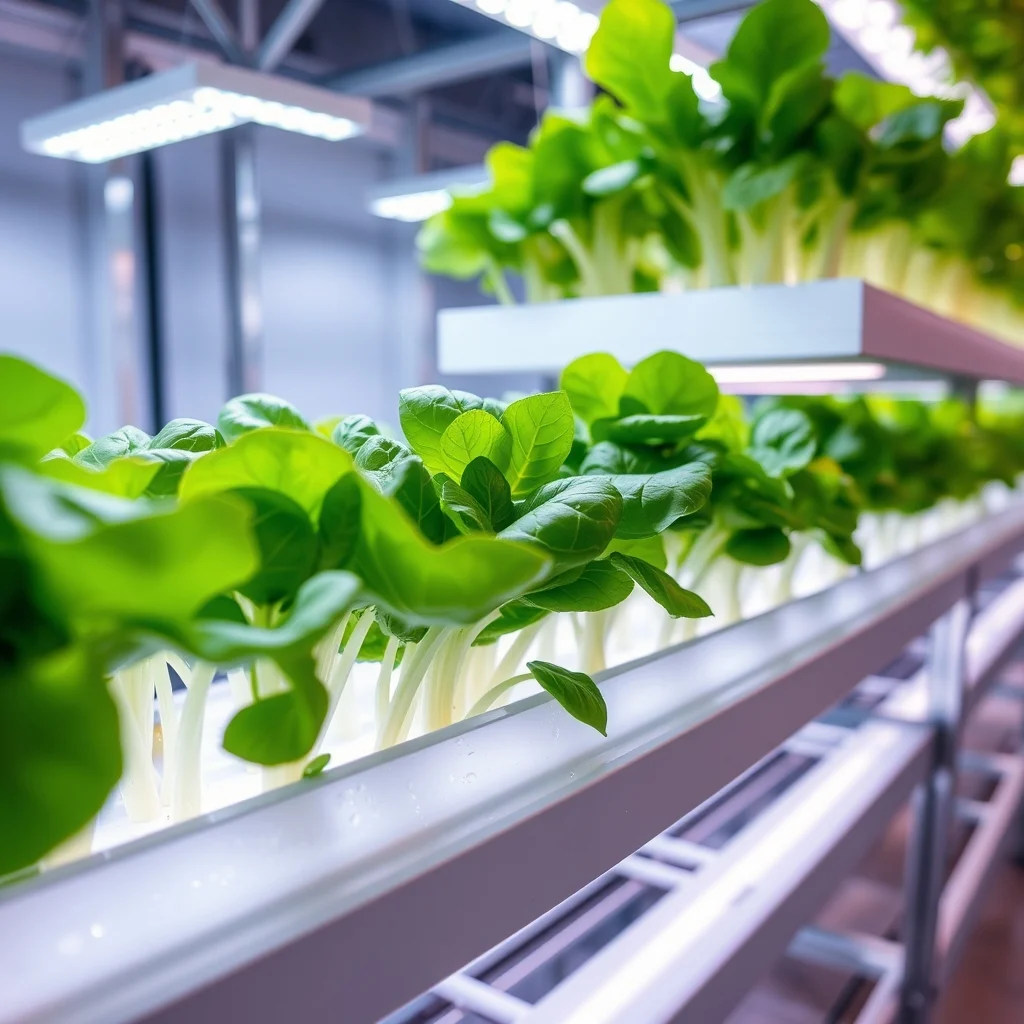
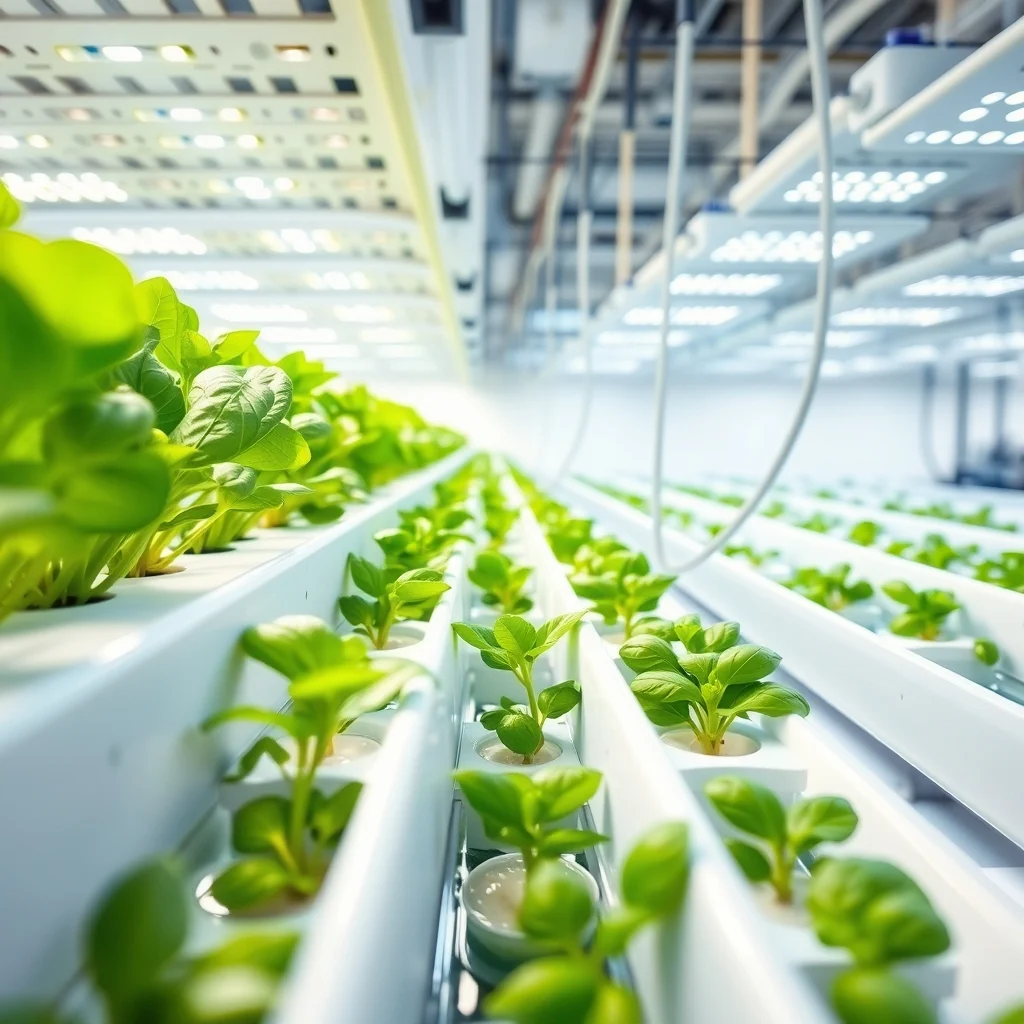
In this system, a thin film of nutrient water runs over the roots in a sloped channel. It is popular for growing lettuce and herbs. It works well because it keeps the roots moist but allows them to breathe air.
| System Type | Best For | Skill Level |
|---|---|---|
| Deep Water Culture | Lettuce and herbs | Beginner |
| Nutrient Film | Leafy greens | Intermediate |
| Drip System | Large plants like tomatoes | Intermediate |
Why Choose Hydroponics Over Soil?
One of the biggest benefits of hydroponics is that you avoid most soil-based pests. Bugs that live in dirt have no place to hide in a clean, soilless system. You also have total control over what your plants eat, which makes it easier to prevent diseases.
You can place these systems in small apartments or corners where a garden bed would not fit. Since you do not need to dig or pull weeds, it is also much easier on your back and knees. Many gardeners find that they spend less time maintaining their plants overall.
Important Tips for Your Nutrient Solution
Water alone is not enough for your plants to thrive. You need to add a specialized nutrient mix designed for hydroponic use. These mixes contain nitrogen, phosphorus, and potassium, along with other micro-nutrients.
Check your water levels and nutrient concentration every few days. If the water gets too low, the roots can dry out. You should also check the pH of your water. Most plants prefer a slightly acidic environment, usually between 5.5 and 6.5. If the pH is off, the roots will not be able to absorb the nutrients even if they are present in the water.
Choosing the Best Plants for Your Setup
If you are just starting, do not try to grow huge plants like corn or large melons. Stick to smaller, faster-growing plants that handle indoor conditions well. Greens are generally the easiest to manage for your first attempt.
Easy Plants to Grow
- Lettuce
- Spinach
- Basil
- Mint
- Kale
Lighting Requirements for Indoor Gardens
Even if you place your hydroponics setup near a window, it might not get enough light during the winter. Most plants need about 12 to 16 hours of light per day. LED grow lights are the standard choice in 2026 because they do not get very hot and they use very little electricity.
Place your lights a few inches above the tops of the plants. If you see the leaves burning or turning brown, move the lights further away. If the plants look tall and thin, they are “reaching” for more light, so move your lights closer.
Common Mistakes to Avoid
Beginners often try to do too much at once. It is better to start with one small bucket or a single tray. Do not overcrowd your system. When plants are packed too tightly, they struggle to get enough light and air.
Another common mistake is forgetting to clean the reservoir. Even in a closed system, algae can grow if light reaches the water. Use opaque buckets or cover your reservoir to block light. Always check the water temperature as well, as very warm water carries less oxygen and can stress your plants.
Pros and Cons of Hydroponic Gardening
Like anything else, this method has good and bad points. Knowing these helps you decide if it fits your lifestyle.
| Pros | Cons |
|---|---|
| Faster growth | Requires electricity |
| Uses less water | System needs monitoring |
| No weeds | Initial setup cost |
Keeping Your System Clean
Hygiene is very important. You should change the water in your reservoir every two weeks to prevent mineral buildup. Clean your pumps and tubes once a month to make sure nothing is clogged. A clean system is a healthy system, and it keeps your plants growing strong.
Managing Water Temperature
Roots love consistency. If the water temperature swings too much between day and night, the plants will get stressed. Try to keep the room temperature steady. If your reservoir is in a hot room, consider wrapping it in something to keep the water cool.
Frequency of Nutrient Checks
You should use a simple digital meter to check your nutrient levels at least once a week. If the levels are too high, add plain water. If they are too low, add more nutrient solution. This small habit saves you from losing a whole crop of plants.
Understanding pH Balance
Think of pH balance as the key to a door. If the pH is wrong, the door is locked, and the plant cannot get its nutrients. Buy a cheap pH testing kit and some pH “up” or “down” drops. Adjusting your water takes only a minute but makes a huge difference in how healthy your harvest is.
Troubleshooting Your Plants
If you see yellow leaves, it often means the plant is missing a nutrient or the pH is wrong. If the leaves are wilting, check the pump to see if it is still moving water. Most problems in hydroponics are easy to fix if you catch them early. Always look at your plants closely every single day.
Key Takeaways
- Start with simple leafy greens like lettuce.
- Ensure your reservoir is opaque to stop algae.
- Check your water pH level every week.
- Use LED lights to give your plants enough energy.
- Keep your equipment clean to prevent clogs and rot.
Frequently Asked Questions
Is hydroponics hard to learn?
It is not hard, but it does require you to pay attention. Once you learn the rhythm of checking your water and lights, it becomes a simple routine.
Do I need a lot of space for hydroponics?
No. You can grow herbs on a kitchen counter or lettuce in a small shelf unit.
Does it cost a lot of money to start?
You can start for a very low price using basic household items like plastic storage totes. You do not need to buy expensive kits to succeed.
Can I grow flowers in a hydroponic system?
Yes, many flowers like pansies, marigolds, and petunias grow beautifully in water.
Do plants grown this way taste different?
Many people think they taste better because they grow faster and are harvested at the peak of freshness.
How often should I change the water?
A full change every two weeks is recommended to keep the nutrient balance stable and remove any waste.
Conclusion
Hydroponics opens up a world of gardening that fits into any home. By using water instead of soil, you get a clean, fast, and efficient way to grow fresh greens. Start small, stay consistent with your water checks, and you will enjoy the reward of home-grown food all year round. Use what you have learned here to set up your first system and see the results for yourself.
Suggested External Authority Sources
- USDA National Institute of Food and Agriculture
- University of California Agriculture and Natural Resources (UC ANR)
2 thoughts on “Hydroponics Made Easy: Grow Fresh Plants Without Soil”