SEO Title: Hydroponics Made Simple: How to Grow Plants Without Soil
SEO Slug: hydroponics-growing-without-soil
Meta Description: Learn how to start your own hydroponics garden. This guide breaks down the basics of growing healthy plants indoors without using any soil at all.
Focus Keyword: Hydroponics
Secondary Keywords: indoor gardening, nutrient solution, hydroponic systems, grow lights, soilless farming
Estimated Reading Time: 12 minutes
Table of Contents
- What is Hydroponics?
- How Hydroponics Works
- Why You Should Try Hydroponics
- Common Hydroponic Systems
- Understanding Nutrient Solutions
- Setting Up Your First Garden
- The Role of Grow Lights
- Daily Maintenance Tips
- Common Mistakes to Avoid
- Best Plants for Beginners
- Troubleshooting Issues
- Water Management
- The Future of Indoor Growing
- Cost Analysis
- Conclusion
What is Hydroponics?
Hydroponics is a way to grow plants by using water instead of dirt. In a normal garden, roots search for nutrients in the soil. With this method, you provide all the food the plant needs directly into the water.
It sounds strange, but it is actually very effective. Many people use this to grow fresh lettuce, herbs, and tomatoes right inside their own homes.
How Hydroponics Works
Plants need three main things to survive: water, light, and nutrients. Because you are taking away the soil, you become the primary provider for your plants. You mix special plant food into your water supply.
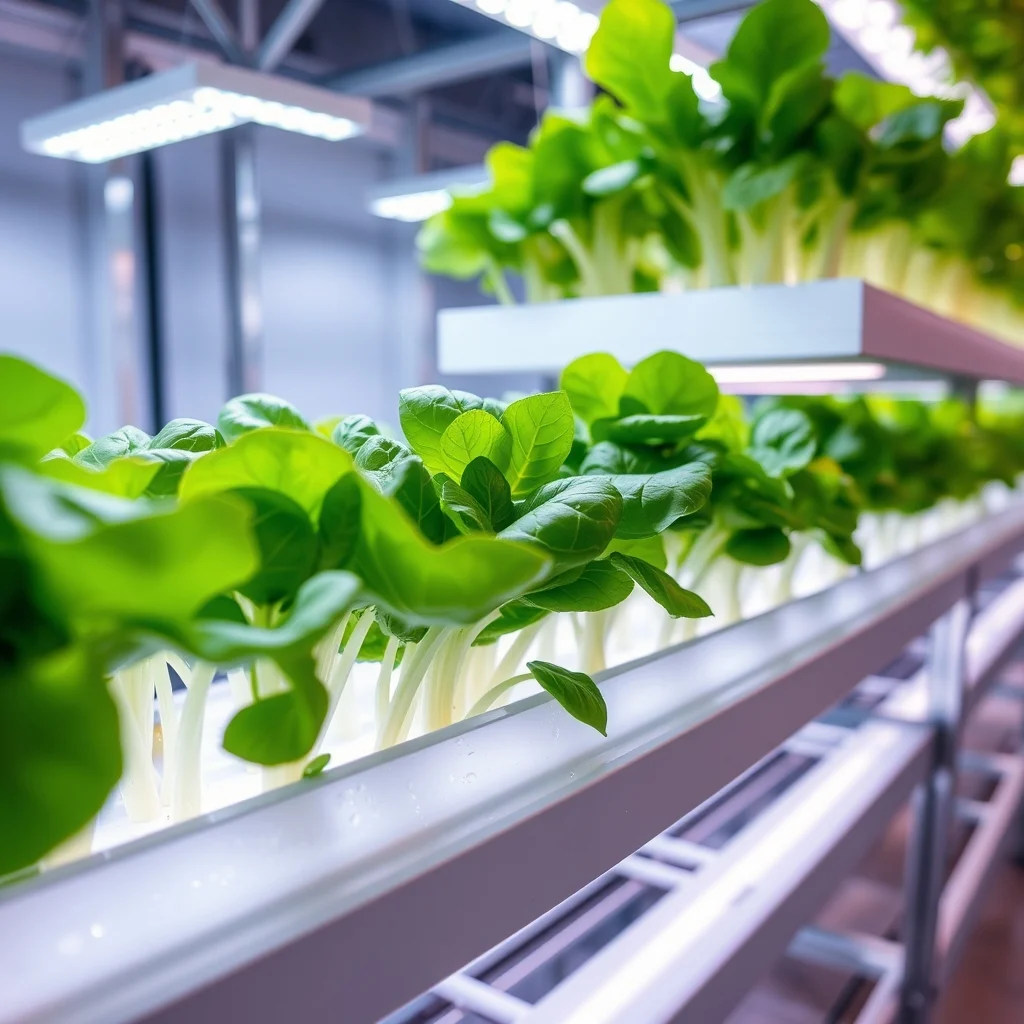
The roots sit directly in the water or a growing medium like clay pebbles. This allows them to soak up exactly what they need without wasting energy pushing through heavy earth.
Why You Should Try Hydroponics
There are many reasons to skip the backyard garden. You can grow food all year long, even in the middle of winter. It uses much less water than traditional gardens because you recycle the same water over and over.
| Benefit | Result |
| Faster Growth | Plants grow up to 25% faster. |
| Space Saving | Great for small apartments. |
| No Weeds | No digging or weeding needed. |
Common Hydroponic Systems
There are a few ways to build your setup. If you are just starting, you might want to look at 9 Easy Hydroponics How to Start Mistakes You Must Avoid This Year to ensure you pick the right one.
- Deep Water Culture: The roots hang in a bucket of oxygenated water.
- Drip Systems: Water drips onto the roots slowly.
- Wick Systems: A simple string pulls water up to the plant.
Understanding Nutrient Solutions
You cannot use regular tap water and expect success. You need to buy a high-quality nutrient solution designed for hydroponics. These mixes contain nitrogen, phosphorus, and potassium.
Check the label to make sure the mix is right for the stage of growth. Plants need different levels of nutrients when they are young versus when they are flowering.
Setting Up Your First Garden
First, find a flat surface with access to a power outlet. You need a reservoir, a pump, and your plants. Keep it simple for your first try. Use a plastic bin as your base.
Make sure to clean everything before you start. Dirty equipment brings in bad bacteria that can hurt your crop. If you need help with the basics, check out more advice at earnstools.com for tools you might need.
The Role of Grow Lights
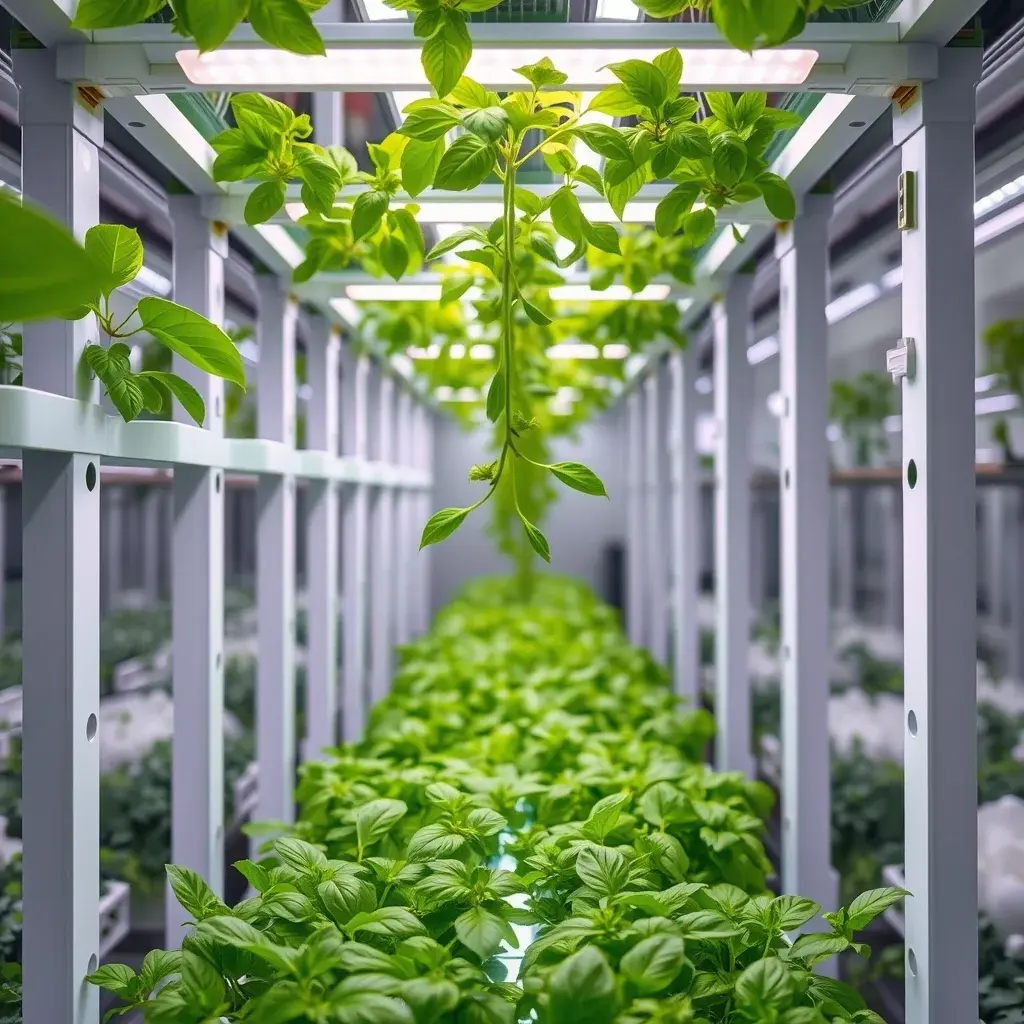
If you grow indoors, your plants will not get enough sunlight from a window. LED grow lights are the best choice today. They use very little energy and do not get too hot.
Place your lights about 12 to 18 inches above the leaves. Keep them on for about 12 to 16 hours a day to mimic a summer schedule.
Daily Maintenance Tips
Spend five minutes every day looking at your setup. Check the water level to ensure the roots are not drying out. Smell the water; if it smells bad, you have a problem that needs fixing immediately.
Common Mistakes to Avoid
Beginners often give their plants too much light or too many nutrients. More is not always better. Follow the instructions on your nutrient bottle exactly. Also, make sure your water has enough bubbles.
Best Plants for Beginners
- Lettuce
- Basil
- Spinach
- Mint
- Kale
Troubleshooting Issues
If leaves turn yellow, your pH levels might be off. Buy a cheap pH testing kit to check your water. The water should be slightly acidic for most plants to absorb food properly.
Water Management
Change your water reservoir completely every two weeks. This stops the buildup of salts and prevents algae from growing. Fresh water keeps your plants happy and healthy.
The Future of Indoor Growing
Indoor farming is getting very popular in 2026. More people are building small systems in their kitchens to save money on groceries. It is a smart way to eat better food.
Cost Analysis
| Item | Expected Cost |
| Starter System | Low to Medium |
| Nutrients | Low |
| Grow Lights | Medium |
Conclusion
Hydroponics is a fun and rewarding hobby. It is easier than it looks if you start slow. Remember that your plants need light, clean water, and the right nutrients to thrive. Once you get your first harvest, you will see why so many people prefer growing their own food this way.
Key Takeaways
- Hydroponics saves water and grows plants faster.
- Start with simple systems like Deep Water Culture.
- Always keep your gear clean to avoid plant diseases.
- Use the right nutrients for your specific plant type.
Frequently Asked Questions
Do I need a lot of space? No, you can fit a system on a small shelf.
Is it expensive? You can build a small system for a very low price.
Do I need soil? No, that is the main point of hydroponics.
What is the hardest part? Balancing the nutrients and the pH levels.
Can I use tap water? Yes, but let it sit for 24 hours to remove chlorine.
How fast do plants grow? Most leafy greens are ready in about 4 to 6 weeks.
Suggested External Authority Sources: USDA.gov, University of Florida IFAS Extension.
One thought on “Hydroponics Made Simple: How to Grow Plants Without Soil”