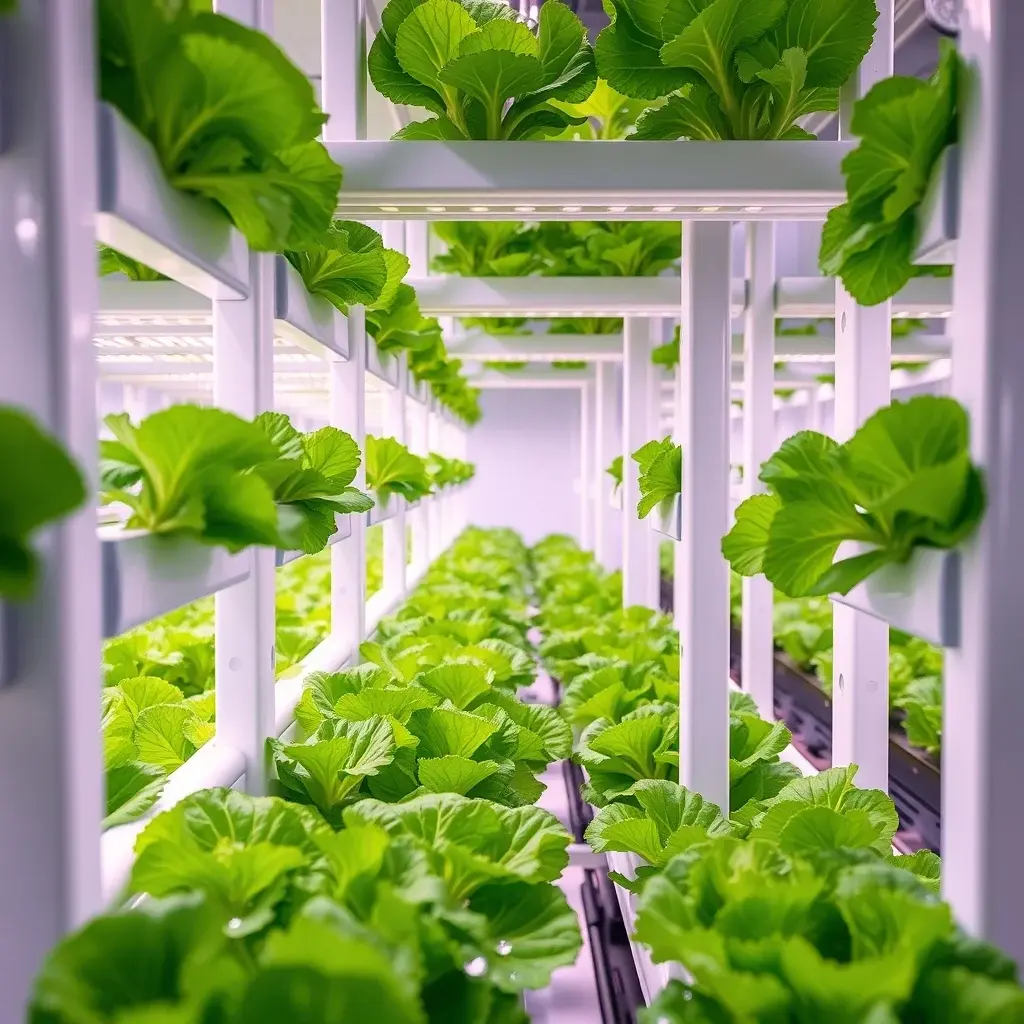
Hydroponics gardening is a revolutionary method of cultivating plants without soil, relying instead on a nutrient-dense water solution delivered directly to the plant root system. By controlling light, temperature, water chemistry, and mineral intake, indoor hydroponics maximizes growth rates while drastically cutting resource consumption. Whether you are aiming to grow fresh leafy greens year-round in an urban apartment or scale up commercial hydroponic farming, understanding the core mechanics of soilless cultivation allows you to harvest healthier, faster-growing crops with remarkable precision and reduced environmental impact.
Key Takeaways
- Hydroponics delivers essential plant nutrients directly through water, accelerating growth rates by up to 30–50% compared to traditional soil gardening.
- Soilless gardening systems conserve up to 90% more water by recirculating nutrient solutions within a closed loop.
- The six main hydroponic system designs cater to different experience levels, crop types, and space availability.
- Maintaining precise pH levels (typically between 5.5 and 6.5) and electrical conductivity (EC) is crucial for plant nutrient absorption.
What is Hydroponics Gardening and How Does It Work?
Hydroponics gardening replaces biological soil with an inert growing medium to support plant roots, supplying all vital life elements directly via oxygenated, nutrient-rich water. In traditional outdoor beds, roots must actively search through dense dirt for minerals and moisture. Hydroponic systems eliminate this effort, allowing crops to channel maximum energy into foliage, flower, and fruit production.
To support plants structurally, growers utilize lightweight, non-nutritive media such as expanded clay pebbles, coconut coir, rockwool, perlite, or vermiculite. These substances hold moisture and anchor root architectures without altering the solution’s chemical balance. Consequently, indoor hydroponics enables complete control over plant nutrition, light exposure, and ambient growth conditions.
Core Types of Hydroponic Systems
Selecting the right hydroponic system depends on space, budget, and the specific crops you plan to cultivate. Every setup manages water movement and root oxygenation differently to promote optimal vegetation development.
1. Deep Water Culture (DWC)
Deep Water Culture is one of the simplest and most effective active hydroponic methods available. Plants are suspended in net pots over an oxygen-rich reservoir of water and liquid fertilizer, keeping the roots constantly submerged. An air pump connected to an air stone continually bubbles oxygen through the water to prevent root rot and enhance nutrient uptake.
2. Nutrient Film Technique (NFT)
In an NFT system, a continuous, shallow stream of water flows over the ends of the roots via slightly sloped channels or gullies. A submersible pump draws liquid from a main reservoir to the elevated end of the channel, allowing gravity to pull the solution back down. This continuous movement provides abundant oxygen and minerals, making NFT ideal for fast-growing, short-term crops like spinach and herbs.
3. Ebb and Flow (Flood and Drain)
The Ebb and Flow system works by periodically flooding a grow tray filled with inert medium before draining the solution back into a holding tank beneath. Controlled by a submerged pump attached to an automatic timer, this flushing action pulls fresh oxygen into the root zone every time the tray drains. It offers exceptional versatility for medium to large flowering plants.
4. Drip Systems
Drip setups feed individual plants via small drip lines anchored directly at the base of each stalk. Excess runoff can be collected and recirculated or discarded in a drain-to-waste configuration. Commercial hydroponic farming operations heavily favor drip irrigation due to its efficiency in managing larger crops like tomatoes, cucumbers, and peppers.
5. Aeroponics
Aeroponics represents the high-tech frontier of soilless gardening, suspending root systems directly in air inside a dark chamber. High-pressure misters pulse nutrient solution directly onto the bare roots every few minutes. Because roots receive maximum aeration, plants grown in aeroponic setups exhibit extremely rapid growth cycles.
6. Wick Systems
As a passive hydroponic method, the Wick system uses no electrical pumps, timers, or aerators. Capillary action draws moisture and dissolved fertilizers from a lower reservoir through fabric wicks directly into the growing substrate. It is low-cost and ideal for small houseplants or educational projects.
Hydroponic System Comparison
| System Type | Maintenance Level | Best Crops | Water Efficiency |
|---|---|---|---|
| Deep Water Culture | Low | Lettuce, Basil, Kale | High |
| Nutrient Film Technique | Moderate to High | Greens, Herbs, Strawberries | Very High |
| Ebb and Flow | Moderate | Root Vegetables, Large Herbs | High |
| Drip Systems | Moderate | Tomatoes, Peppers, Vines | High |
| Aeroponics | High | Leafy Greens, Clones, Herbs | Very High |
| Wick System | Very Low | Microgreens, Small Herbs | Moderate |
Essential Environmental Factors for Hydroponic Success
Indoor hydroponics requires careful monitoring of environmental metrics to maintain plant health. Unlike soil, which buffers mineral imbalances, soilless water solutions immediately impact root tissues.
Water Quality and pH Control
Maintaining the proper pH range is crucial because key macro and micro-nutrients become chemically unavailable to plants if the solution turns overly acidic or alkaline. Most crops thrive within a target window of 5.5 to 6.5 pH. Using liquid testing kits or calibrated digital pH pens helps ensure root systems can continuously absorb nitrogen, phosphorus, and potassium.
Nutrient Strength: EC and PPM
Electrical Conductivity (EC) and Parts Per Million (PPM) measure the concentration of dissolved mineral salts within your reservoir. High readings indicate overly concentrated fertilizer levels that can scorch root tips, while low values suggest nutrient deficiencies. Adjusting liquid plant food according to crop growth stages ensures steady structural development.
Lighting and Temperature Requirements
Sufficient light drives photosynthesis in indoor environments lacking direct sunlight. Modern LED grow lights deliver high Photosynthetically Active Radiation (PAR) output with minimal heat production, making them ideal for enclosed grow spaces. Additionally, maintaining water temperatures between 65°F and 72°F (18°C–22°C) keeps dissolved oxygen levels high enough to nourish subterranean root networks.
Benefits of Indoor Hydroponic Farming
Soilless farming delivers remarkable environmental and practical advantages over traditional agriculture. By optimizing space, water, and nutrient delivery, indoor gardens yield high-quality produce in virtually any climate.
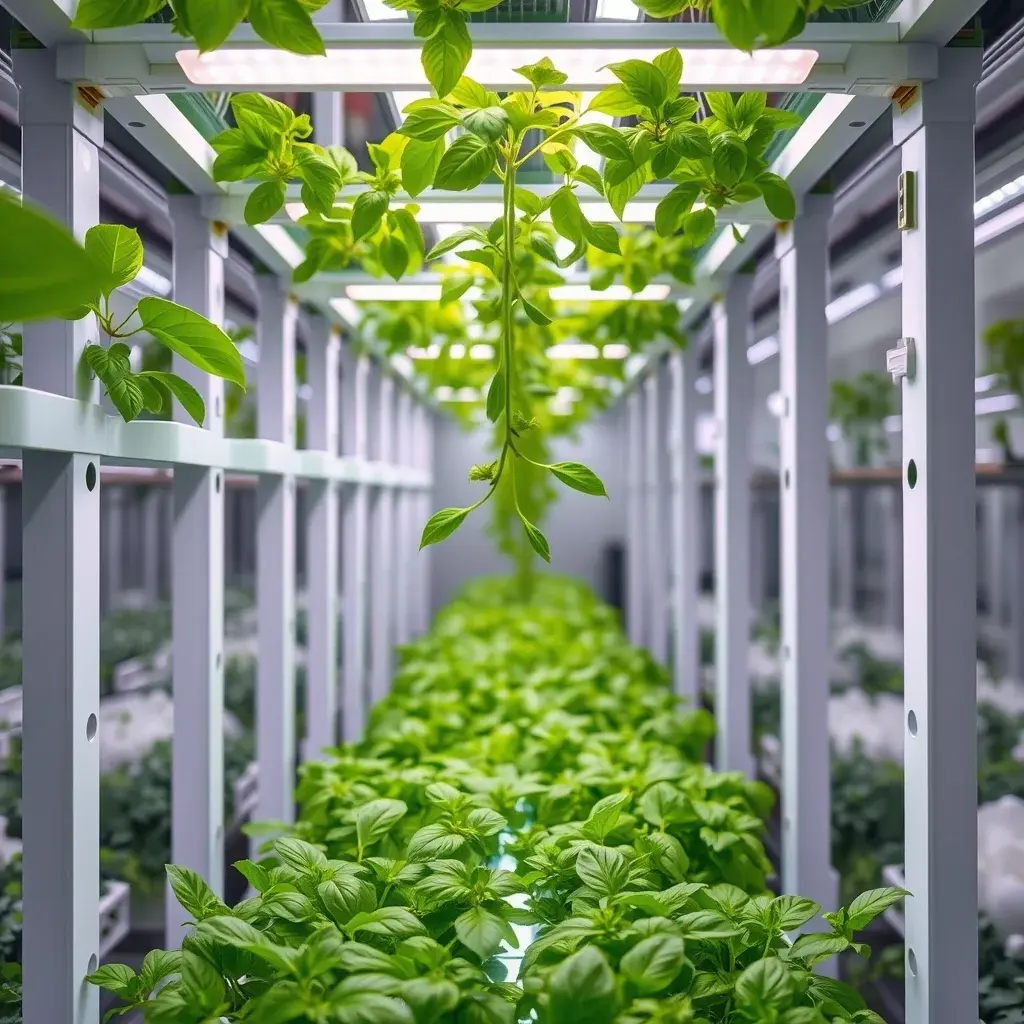
According to resource management research published by the U.S. Department of Agriculture, controlled-environment agriculture plays a critical role in promoting sustainable urban food production. Hydroponics completely eliminates soil-borne pests, weeds, and pathogens, substantially reducing or outright removing the need for chemical pesticides. Furthermore, vertical stack designs maximize yields per square foot, making hydroponics ideal for urban home growers.
Expert Insight: Optimizing Reservoir Health
To avoid common pitfalls like root rot and algae blooms, clean your main water reservoir completely every 10 to 14 days. Flush the entire plumbing line with clean, pH-balanced water before refilling it with fresh nutrient solution. Incorporating a small water chiller or adding beneficial root microorganisms actively protects subterranean tissue during warm summer months, ensuring rapid nutrient uptake year-round.
Frequently Asked Questions
Can any plant be grown using hydroponics?
While almost any plant can technically grow soilless, hydroponics works best for leafy greens, herbs, tomatoes, peppers, and strawberries. Large root crops like potatoes or carrots require specialized substrates and are generally less efficient to cultivate hydroponically.
Is hydroponics expensive to set up for beginners?
Basic DIY setups like Deep Water Culture or simple Wick systems can be assembled very affordably using simple storage totes, small air pumps, and basic liquid nutrients. However, automated multi-tier vertical systems with commercial LED grow lights involve higher initial capital investment.
How often should I change the hydroponic nutrient solution?
You should top off water levels daily with fresh, pH-adjusted water, and perform a full solution replacement every 10 to 14 days. This prevents salt buildup and keeps essential mineral ratios balanced for your plants.
Do hydroponic vegetables taste good compared to soil-grown crops?
Hydroponic vegetables taste just as flavorful—and often superior—because plants receive exact, tailored nutrition throughout their growth cycle. Flavor compounds depend primarily on genetic variety, proper lighting, and optimal mineral balance rather than soil presence.
Start your hydroponics journey today by assembling a simple Deep Water Culture bucket system using a single leafy green crop like sweet basil or butterhead lettuce. Focus on daily monitoring of your pH levels and water temperatures for two weeks, building practical hands-on experience before expanding your indoor garden into more complex vertical multi-crop arrangements.
2 thoughts on “The Complete Guide to Hydroponics Gardening: Master Soilless Cultivation”