SEO Title: Hydroponics at Home: Grow Fresh Plants Without Dirt
SEO Slug: hydroponics-at-home-guide
Meta Description: Learn how hydroponics lets you grow fresh plants at home without soil. Get simple steps, tips, and setup advice for beginners today.
Focus Keyword: Hydroponics
Secondary Keywords: indoor gardening, grow plants without soil, nutrient solution, hydroponic systems
Estimated Reading Time: 8 minutes
Table of Contents
- What Is Hydroponics?
- Why Grow Plants Without Soil?
- Main Types of Hydroponic Systems
- Essential Gear You Need
- Step-by-Step Setup Guide
- Common Beginner Mistakes to Avoid
- Frequently Asked Questions
What Is Hydroponics?
Growing plants usually means digging in the dirt and pulling weeds. Hydroponics flips that old habit on its head. Instead of soil, plant roots sit in water mixed with rich minerals.
Plants get everything they need directly from the water. Because they do not waste energy searching through dirt, they grow much faster. You can set up a small garden on your kitchen counter or in a spare bedroom.
Why Grow Plants Without Soil?
Indoor gardening with water brings many perks. You do not need a big backyard or heavy bags of dirt. This method also uses less water than traditional farming because the liquid stays in a closed loop.
Pests that live in dirt will not bother your indoor crops. You get clean, fresh food right where you live. If you want to check out safe greenery for your home, you can read more about 7 pet-safe plants you can easily grow hydroponically at home for inspiration.
Main Types of Hydroponic Systems
Choosing the right setup is the first real choice you will make. Different methods fit different spaces and budgets.
- Deep Water Culture (DWC): Roots hang directly in oxygen-rich nutrient water.
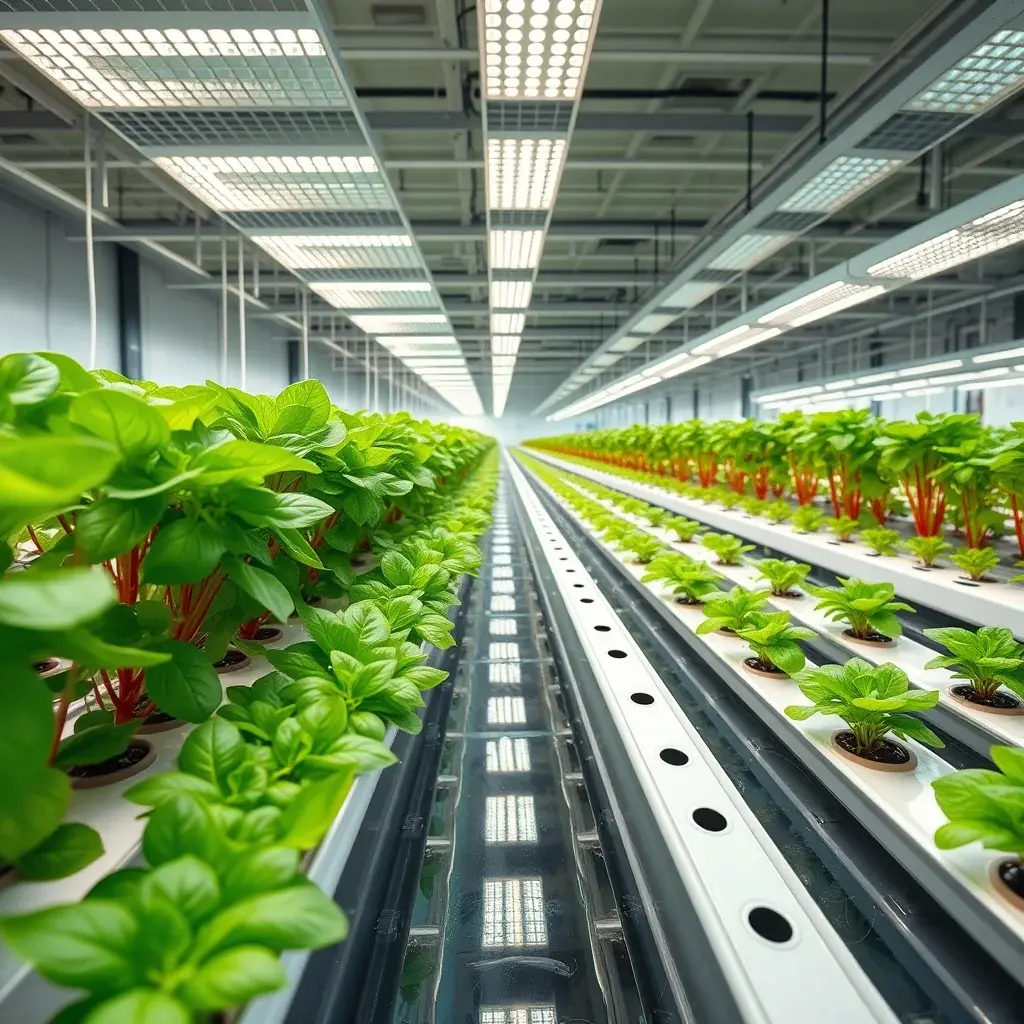
- Nutrient Film Technique (NFT): A thin stream of water flows over the roots constantly.
- Wick System: A simple cotton rope pulls water up from a tank to the plant.
- Ebb and Flow: Water floods the plant tray on a timer and then drains back out.
Essential Gear You Need
You do not need a factory to start growing. A few basic tools will get your garden up and running.
- Water reservoir container
- Air pump and air stone
- Liquid plant nutrients
- Grow lights if natural sun is low
- Net pots and growing medium like clay pebbles
Step-by-Step Setup Guide
Setting up your first system is easier than you think. Just follow these simple actions to get started.
- Clean your water container thoroughly to remove dust and germs.
- Set up your air pump inside the tank to keep the water oxygenated.
- Mix your liquid nutrients into the water following the label directions.
- Place your young plants into the net pots with clay pebbles.
- Mount your grow lights above the plants and set a timer for daily light.
Common Beginner Mistakes to Avoid
Many new growers make a few common errors. Knowing what to watch out for saves you time and keeps your plants healthy.
- Using too much fertilizer, which can burn plant roots.
- Forgetting to check water pH levels regularly.
- Not giving roots enough oxygen through the air pump.
Frequently Asked Questions
Do hydroponic plants taste different?
Most people find that homegrown greens taste just as good, or even better, than store-bought food.
Can I use regular tap water?
Yes, but let it sit out for a day first so the chlorine can fade away.
How often should I change the water?
You should swap out the nutrient solution every two to three weeks to keep it fresh.
Do I need direct sunlight?
No, many people use LED grow lights indoors with great success.
Is it expensive to start?
You can build a basic DIY setup for very little money using household items.
What plants grow best for beginners?
Leafy greens like lettuce, spinach, and herbs like basil are the easiest choices.
Conclusion
Getting into hydroponics opens up a fun way to grow fresh food indoors. You do not need a green thumb or a big yard to harvest your own crops. Visit earnstools.com for more handy tips and home guides.
Key Takeaways
- Hydroponics lets you grow plants in water instead of dirt.
- Plants grow faster because nutrients go straight to the roots.
- Simple systems like Deep Water Culture fit easily inside a home.
- Checking water quality and pH is the key to success.