# Ultimate Guide to Hydroponics for Fresh Home Grown Food
SEO Title: Ultimate Guide to Hydroponics for Fresh Home Grown Food
SEO Slug: hydroponics-ultimate-guide
Meta Description: Learn how hydroponics lets you grow fresh vegetables and herbs at home without soil. Get simple steps, tips, and setup advice today.
Focus Keyword: Hydroponics
Secondary Keywords: indoor gardening, soil-less growing, plant nutrients, grow lights, water culture
Estimated Reading Time: 8 minutes
## Table of Contents
1. What Is Hydroponics?
2. Why Choose Hydroponics Over Soil?
3. Core Parts of Every Setup
4. Popular Systems for Beginners
5. Essential Nutrients and Water Quality
6. Lighting and Environment Control
7. Step-by-Step Setup Guide
8. Common Mistakes to Avoid
9. Pros and Cons
10. Frequently Asked Questions
Hydroponics is a modern way to grow plants without using soil. Instead of dirt, plant roots sit directly in water that is packed with special minerals. This method gives plants exactly what they need to grow fast and healthy.
When you use hydroponics, roots do not have to waste energy searching through heavy dirt for food. They get water and food right away. Because of this direct feed, plants often grow much faster than they would in a traditional garden bed.
How Plants Feed Without Dirt
In nature, soil holds nutrients and water for plant roots. In a soil-less garden, water does that job instead. You mix specific minerals into your water tank. The roots drink this liquid mixture and send food up to the leaves and stems.
You can check out our guide on 7 Easy Steps to Master Hydroponics How to Start Seeds for Flawless Grows to get your garden started right.
Why Choose Hydroponics Over Soil?
Growing plants indoors or on a patio comes with many perks. You do not have to dig up heavy dirt, and you can forget about pulling weeds. You also save a lot of water because the liquid stays in a closed system instead of soaking deep into the ground.
Another big plus is space. You can stack your plants or set up shelves indoors. This means you can grow fresh lettuce and tomatoes even if you live in a small apartment with no yard.
| Feature | Soil Gardening | Soil-less Growing |
|---|---|---|
| Water Use | High runoff | Low recycling |
| Weed Pests | Common | Very rare |
| Growth Rate | Standard | Faster |
| Space Needed | Large yard | Small indoor space |
Core Parts of Every Setup
Every home growing system needs a few basic pieces to work well. You do not need fancy gear to start. Just focus on getting quality basics that keep your plants alive.
Water Reservoirs and Pumps
Your water tank holds the liquid food mixture. A small pump keeps the water moving so it stays fresh and full of oxygen. Stagnant water can rot roots, so keeping the water moving is a top priority.
Net Pots and Growing Media
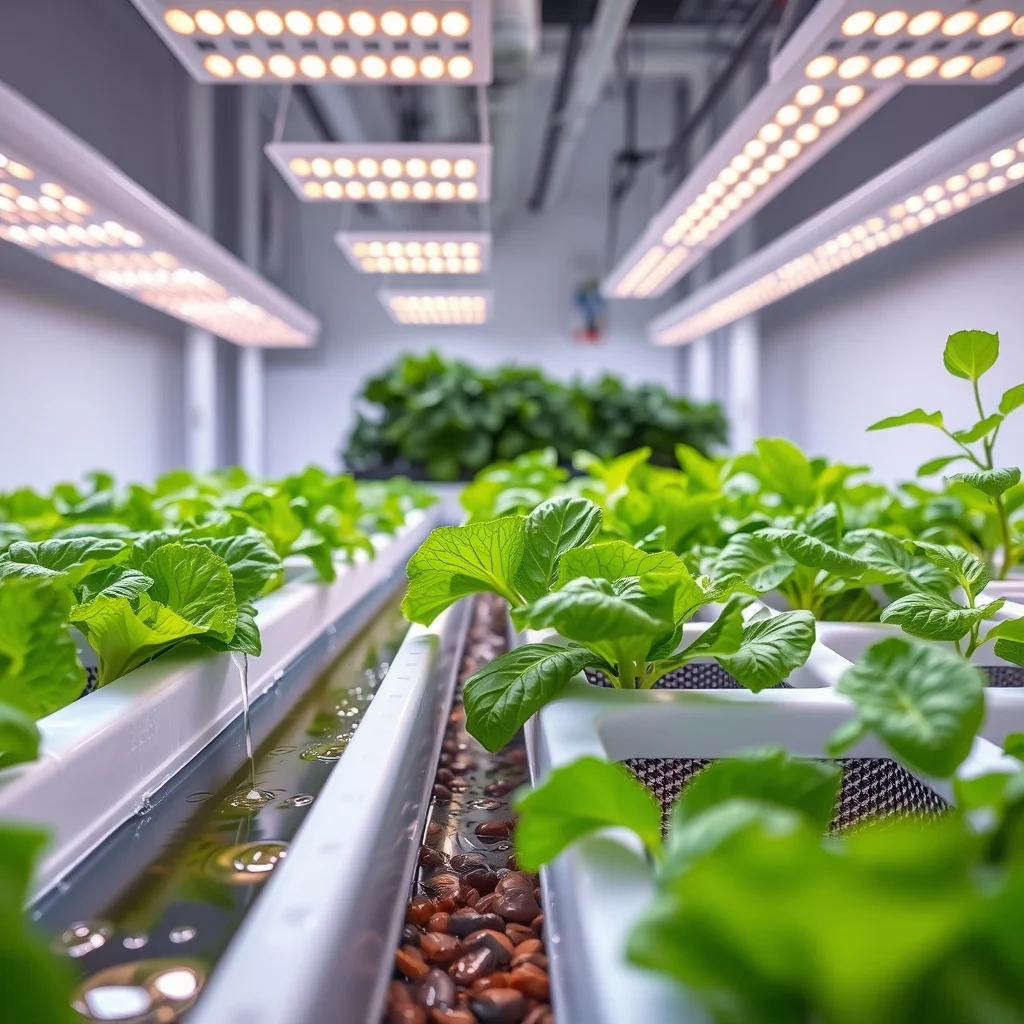
Plants need something to hold them upright. Net pots have open sides so roots can reach through into the water. Instead of dirt, you fill these pots with clay pebbles, perlite, or coconut coir.
Popular Systems for Beginners
Choosing your first setup can feel tricky. Some systems use pumps and timers, while others rely on simple physics. Here are the best options for people who are new to this hobby.
Deep Water Culture (DWC)
DWC is the easiest system for beginners. Your plant sits in a net pot with roots hanging down into a bucket of nutrient water. An air pump drops bubbles into the water to keep oxygen levels high.
Nutrient Film Technique (NFT)
In an NFT setup, a thin stream of water runs continuously over the plant roots. The roots sit in a slanted channel. The water flows down the channel and back into the main tank.
Essential Nutrients and Water Quality
Water alone will not keep your plants alive. You must add the right blend of minerals. Plants need nitrogen, phosphorus, and potassium, plus trace elements like calcium and iron.
You also need to check your water pH often. Most plants like a slightly acidic water level. If the pH is too high or too low, the roots cannot drink the food, and your plants will start to turn yellow.
Lighting and Environment Control
Plants need light to make food through photosynthesis. If you grow indoors, natural window light might not be enough. LED grow lights are popular because they do not get too hot and use very little electricity.
Keep your indoor garden in a spot with good airflow. Stale air invites mold and bugs. A small oscillating fan helps strengthen your plant stems so they do not snap under the weight of fruit.
Step-by-Step Setup Guide
Ready to build your first home garden? Follow these simple steps to get things running smoothly.
- Clean your water tank and tubes with mild soap.
- Fill your tank with clean tap or filtered water.
- Mix in your plant food following the bottle instructions.
- Check the pH and adjust it to the correct range.
- Place your young plants into the net pots.
- Turn on your lights and air pump.
Common Mistakes to Avoid
Even smart gardeners make mistakes when they try something new. Watch out for these common traps.
Do not add too much plant food at once. High salt levels can burn your roots and kill your crop quickly. Also, do not let your water tank run dry. Check the water level every single day.
Pros and Cons
Every method has good and bad points. Here is a quick look at what to expect.
The Benefits
You get fast growth and high crop yields. You can grow food all year round, no matter what the weather is like outside. Plus, you never get your hands dirty with mud.
The Drawbacks
Systems need constant power to run pumps and lights. If your power goes out, your plants can dry out fast. You also need to buy testing kits to keep track of water health.
Frequently Asked Questions
Do I need sunlight for an indoor garden?
No, you can use LED grow lights instead of natural sun. Many people grow their food in spare closets or basements using artificial lights.
How often should I change the water?
You should completely change your water tank every two to three weeks. This stops mineral buildup and gives your plants a fresh batch of food.
Can I grow any plant this way?
Leafy greens like lettuce, spinach, and herbs grow best. Fruit plants like tomatoes and strawberries also do great once you learn the basics.
Is the food safe to eat?
Yes, absolutely. The food you grow is just as safe and healthy as anything you buy at a grocery store, often fresher because you pick it right before dinner.
Why are my plant leaves turning yellow?
Yellow leaves usually mean your water pH is off, or your plants need more nitrogen. Check your water chemistry right away.
How loud are the air pumps?
Most small air pumps make a quiet humming sound, similar to a small fish tank filter. They are usually not loud enough to bother you.
Conclusion
Starting with hydroponics is a fun way to grow fresh food right inside your house. You do not need a big yard or a green thumb to get started. Just set up your tank, add your nutrients, and watch your plants thrive.
Key Takeaways
- Hydroponics lets you grow plants without soil using nutrient-rich water.
- Deep Water Culture is the best and easiest system for absolute beginners.
- Always monitor your water pH and nutrient levels to keep plants healthy.
- LED grow lights make indoor gardening possible in any room.
One thought on “What Is Hydroponics?”