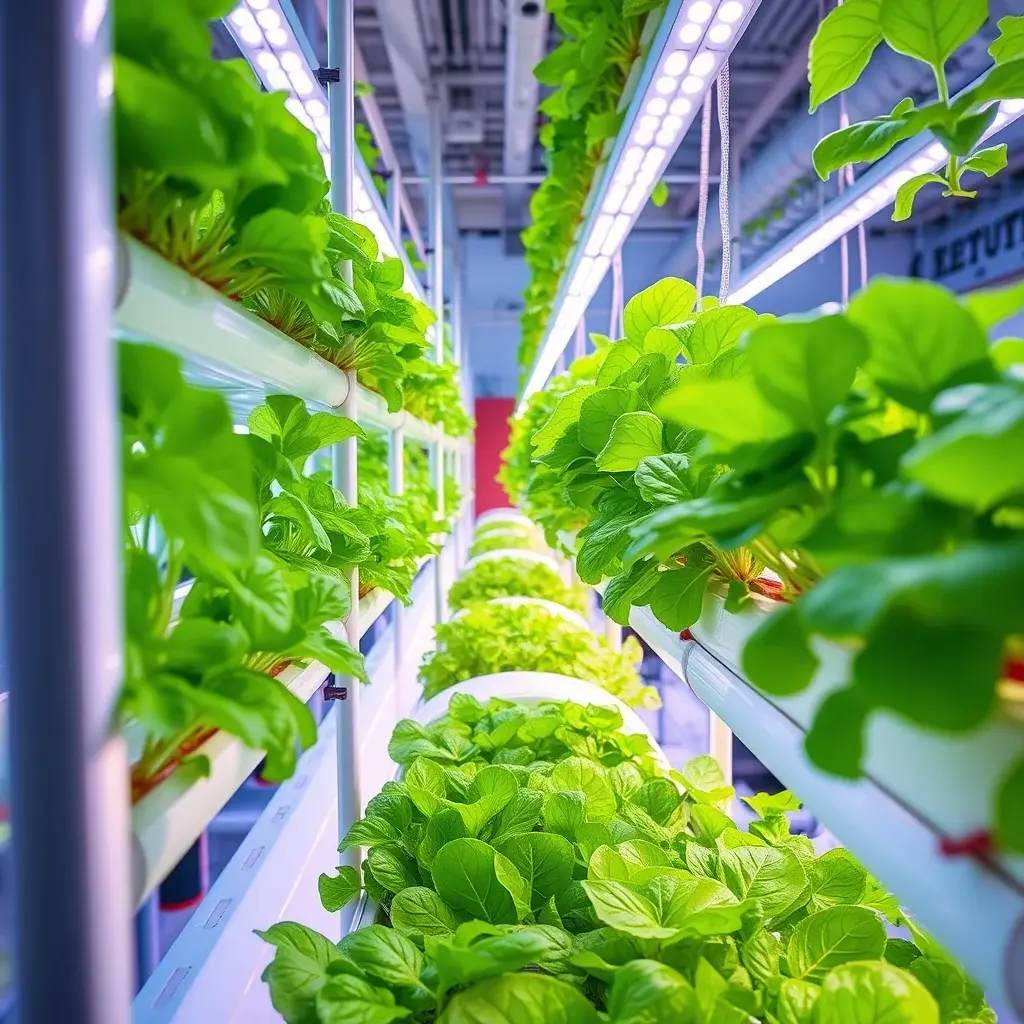
Hydroponics is a soil-free agricultural method that grows plants in an oxygenated, nutrient-rich water solution directly available to the root system. By eliminating traditional soil, hydroponic farming accelerates plant growth rates by up to 50%, conserves up to 90% more water, and allows high-density indoor crop production year-round. Whether you are cultivating fresh leafy greens, vibrant culinary herbs, or fruiting crops, indoor hydroponics offers precise control over mineral nutrition, light exposure, and ambient growing conditions. This comprehensive guide explores how hydroponics systems function, compares popular soilless setups, and provides practical steps to establish your own high-yielding hydroponic garden.
Key Takeaways
- Hydroponics accelerates crop development by delivering mineral nutrients directly to plant roots via oxygenated water.
- Popular hydroponic systems include Deep Water Culture (DWC), Nutrient Film Technique (NFT), Ebb and Flow, Aeroponics, and Drip Systems.
- Soilless gardening saves up to 90% more water compared to traditional soil-based farming methods.
- Controlling water quality, maintaining proper pH levels (5.5–6.5), and monitoring Electrical Conductivity (EC) are essential for optimal plant health.
What is Hydroponics Gardening and How Does It Work?
Hydroponics stems from the Greek words hydro (water) and ponos (labor), representing a method where water does the heavy lifting of delivering nutrition directly to plant roots. In traditional soil cultivation, plant roots must actively search through dirt to find moisture and essential minerals. In a hydroponics system, macro and micronutrients are dissolved directly into pure water, allowing plant roots to absorb nutrition effortlessly without soil resistance.
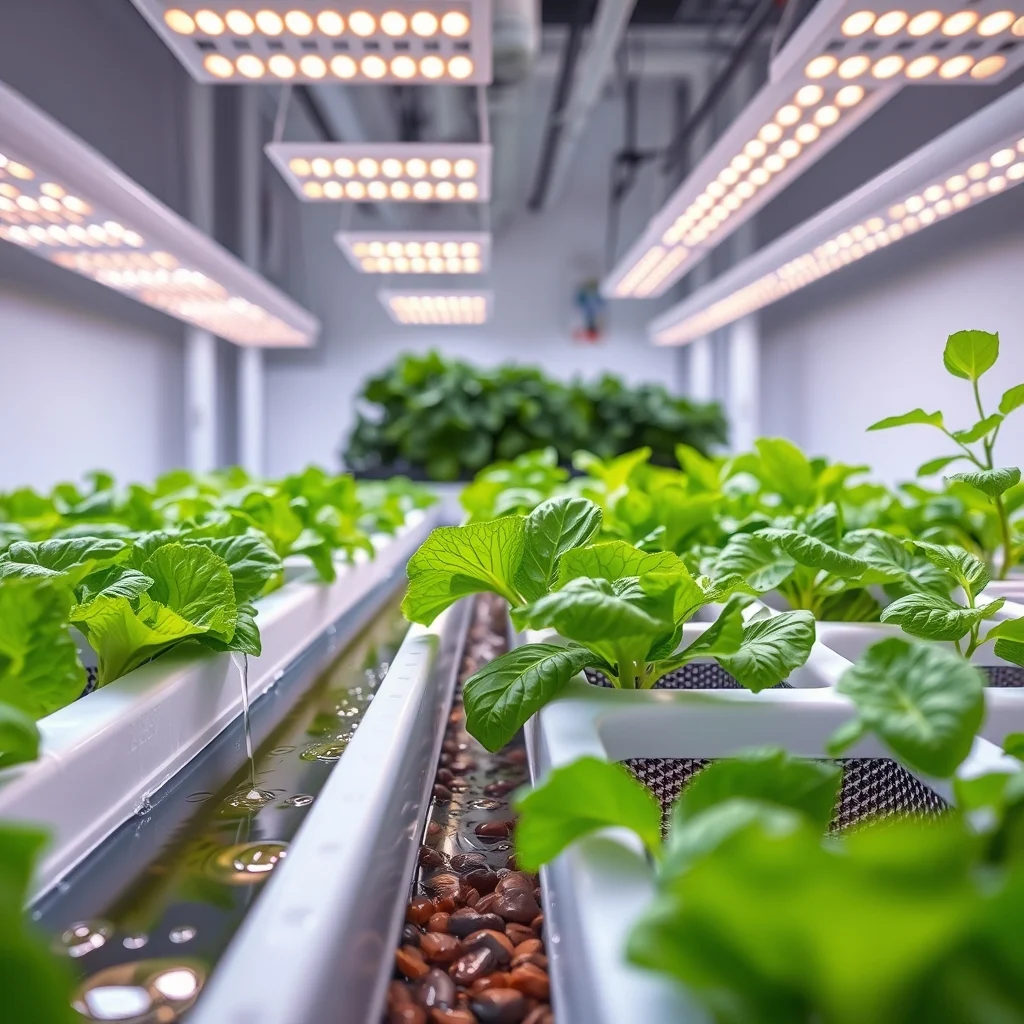
Because the energy usually spent developing extensive root networks is redirected into foliage, flower, and fruit production, hydroponically grown plants grow significantly faster and yield more abundantly. Root systems require constant oxygen to perform cellular respiration and absorb dissolved nutrients efficiently. Soilless gardening mediums—such as expanded clay pebbles, coconut coir, rockwool, and perlite—provide physical structural support while maintaining balanced air-to-water ratios around the root zone.
Environmental control is another major pillar of indoor hydroponics. By pairing liquid nutrient management with artificial grow lighting—such as full-spectrum LED light fixtures—growers can create hyper-optimized microclimates. This enables consistent crop output regardless of outdoor weather events, poor native soil quality, or seasonal frost threats.
Core Components of an Indoor Hydroponic System
Every functional hydroponic farming layout relies on a network of mechanical and biological components designed to maintain systemic balance. Understanding these primary elements ensures smooth installation and routine maintenance.
1. Nutrient Reservoir: The dedicated container holding the water and dissolved mineral fertilizer solution. Reservoirs must be opaque to prevent light penetration, which inhibits green algae blooms.
2. Submersible Water Pump & Air Pump: The water pump circulates liquid through channels or tubing, while the air pump connects to air stones to continuously saturate the solution with dissolved oxygen.
3. Inert Growing Media: Inorganic or organic porous materials that anchor plant stems without altering water chemistry. Popular choices include stone wool, Coco Coir, perlite, and lightweight expanded clay aggregate (LECA).
4. Net Pots and Trays: Perforated plastic cups holding the inert medium and plant roots, allowing roots to flare outward into the circulating liquid stream or reservoir tank.
5. LED Grow Lights: High-efficiency horticultural lighting systems that replace sunlight, providing targeted light spectrums (blue for vegetative growth, red for flowering and fruiting cycles).
The Main Types of Hydroponic Systems Explained
Hydroponic setups vary based on liquid movement, oxygenation mechanics, and operational complexity. Selecting the right design depends on your spatial constraints, technical experience, and target crop varieties.
Deep Water Culture (DWC)
Deep Water Culture is one of the simplest and most effective active hydroponic methods. Plants are suspended in net pots resting on a floating or fixed platform, submerging their roots directly into an oxygenated liquid reservoir. An air pump connected to submerged bubbler stones continuously delivers oxygen directly to the root mass, preventing root suffocation and decay.
DWC setups are exceptionally stable because the large body of liquid resists drastic temperature and chemical swings. Fast-growing, shallow-rooted plants such as butterhead lettuce, spinach, kale, and basil thrive remarkably well in DWC systems.
Nutrient Film Technique (NFT)
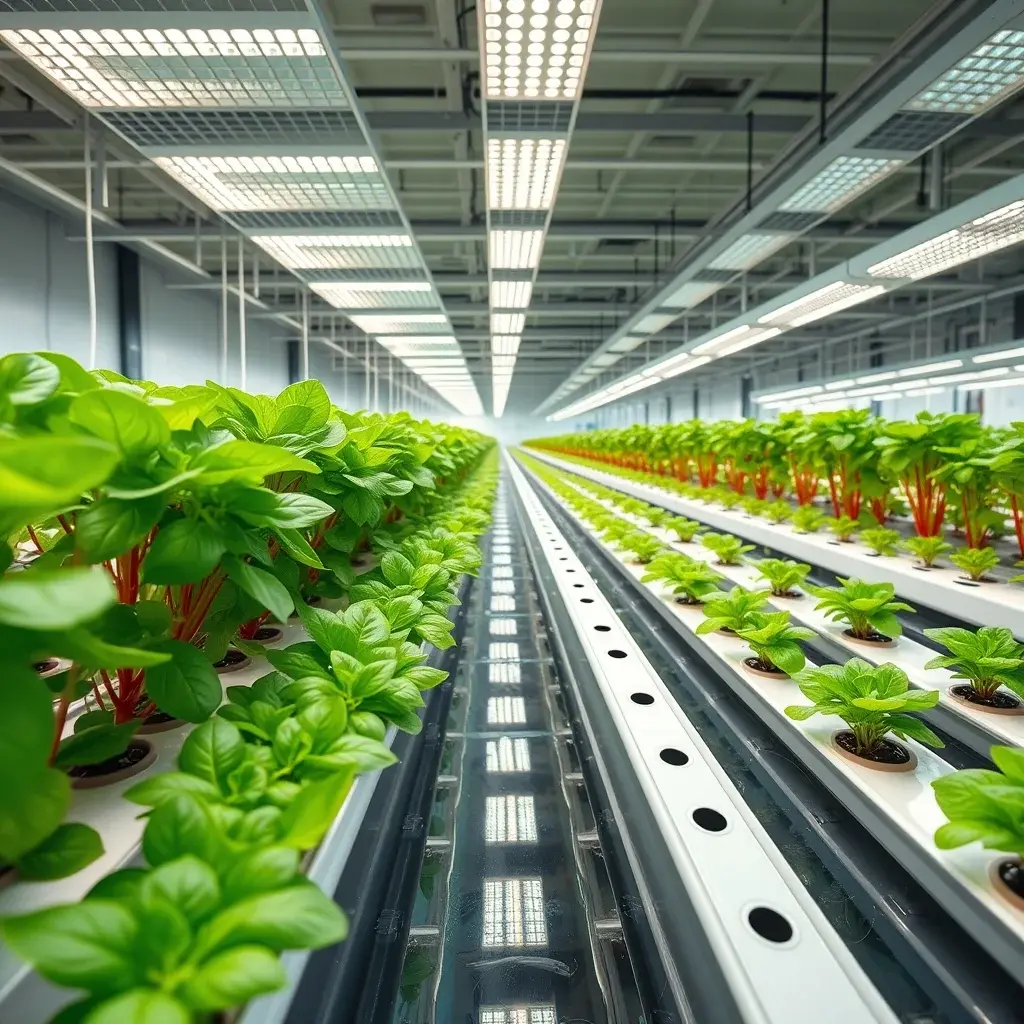
Nutrient Film Technique systems utilize sloped channels through which a continuous, paper-thin stream or “film” of nutrient solution trickles down. Plant roots hang into the downward channel, absorbing liquid nutrition from the shallow stream below while the upper root mass remains exposed to ambient oxygen inside the channel.
Because NFT systems constantly recirculate water using a low-wattage submersible pump, they are extremely efficient and produce minimal wastewater. They are widely used in commercial leafy green farming and home vertical racks, though power failures can cause exposed roots to dry out rapidly if flow stops.
Ebb and Flow (Flood and Drain)
Ebb and Flow systems operate on a cyclical watering process. Plants are anchored in a tray filled with growing media, such as clay pebbles. A timed submersible pump periodically floods the upper tray with nutrient solution from the lower reservoir until it reaches a set level. The pump then shuts off, allowing the liquid to completely drain back into the reservoir via gravity.
This periodic draining action pulls fresh atmospheric oxygen deep into the root zone with every cycle. Ebb and Flow systems excel at supporting heavier, long-term plants like peppers, cucumbers, and tomatoes that require strong structural root support.
Aeroponics
Aeroponics represents an advanced evolutionary step in soilless culture. Instead of submerging roots in water or running liquid films, roots hang suspended inside an enclosed misting chamber. High-pressure pumps and specialized nozzles atomize the nutrient solution into a fine micro-mist sprayed onto the root mass every few minutes.
Because plant roots are completely enveloped in air, oxygen absorption reaches maximum theoretical limits. This results in unprecedented plant growth velocity and incredible water efficiency, though misting nozzles require careful monitoring to prevent mineral clog buildup.
Drip Systems
Hydroponic drip systems use thin drip lines topped with individual emitters to feed nutrient solution directly to the base of each individual plant stem. Excess liquid either drains out as waste (non-recovery drip) or recirculates back into the main supply tank (recovery drip system).
Drip systems are highly customizable and scale effortlessly from small indoor tent setups to massive commercial greenhouses. They work exceptionally well with porous media like coco coir and perlite mixtures.
Hydroponic Systems Comparison Matrix
Comparing operational requirements helps clarify which soilless setup aligns best with your specific gardening goals and available time commitment.
| System Type | Skill Level | Water Efficiency | Maintenance Needs | Ideal Crops |
|---|---|---|---|---|
| Deep Water Culture (DWC) | Beginner | High | Low | Lettuce, Herbs, Spinach |
| Nutrient Film Technique (NFT) | Intermediate | Very High | Moderate | Strawberries, Greens, Herbs |
| Ebb and Flow | Intermediate | High | Moderate | Tomatoes, Peppers, Beans |
| Aeroponics | Advanced | Maximum | High | Leafy Greens, Microgreens, Herbs |
| Drip System | Beginner to Advanced | High | Moderate | Large Fruiting Plants, Root Crops |
Key Advantages of Soilless Indoor Hydroponics
Shifting away from soil agriculture offers unique systemic benefits that solve major modern gardening challenges. Eliminating dirt removes soil-borne pathogens, weed seed contamination, and destructive underground pests like nematodes and grubs, drastically decreasing or eliminating the need for chemical pesticides.
Hydroponic farming also minimizes land resource footprints. Vertical stacking techniques allow indoor growers to achieve up to ten times the yield per square foot compared to horizontal outdoor field plots. This spatial efficiency brings fresh produce production into dense urban environments, apartments, and cold northern climates.
Water conservation is another decisive benefit. Because closed-loop hydroponics systems continuously capture, recirculate, and re-filter liquid, they consume significantly less fresh water than soil crops, which lose massive amounts to ground runoff and evaporation.
Essential Best Practices for Hydroponic Water Quality and Nutrition
Water chemistry is the foundation of every indoor hydroponics system. To keep plants vibrant and growing rapidly, monitor these vital metrics regularly using reliable digital testing meters.
1. pH Level Optimization: Plant roots can only absorb nutrients within a specific chemical acidity window. For most hydroponic crops, maintain a pH range between 5.5 and 6.5. If the pH strays outside this bracket, plants experience “nutrient lockout,” rendering them unable to absorb iron, calcium, or nitrogen even when these minerals are present in abundance.
2. Electrical Conductivity (EC) & PPM: Electrical Conductivity measures liquid salt concentrations, serving as an exact indicator of nutrient strength. Young seedlings require gentle EC levels (0.8–1.2 mS/cm), whereas heavy-feeding fruiting plants need higher mineral concentrations (1.8–2.4 mS/cm). You can reference detailed crop research provided by the United States Department of Agriculture National Agricultural Library to evaluate ideal mineral profiles for specific cultivars.
3. Water Temperature Control: Keep your nutrient water tank between 65°F and 72°F (18°C–22°C). Warm water loses its ability to hold dissolved oxygen, creating an ideal breeding environment for harmful fungal pathogens like Pythium (root rot). Installing a water chiller or submerged aquarium heater helps maintain precise thermal stability.
4. Routine Reservoir Flushing: Over time, unused mineral salts accumulate in growing mediums and liquid tanks, unbalancing nutrient ratios. Flush and completely replace your nutrient reservoir water every 10 to 14 days with fresh, pH-balanced liquid and fresh nutrient salts.
Common Hydroponic Gardening Mistakes to Avoid
While hydroponic farming is rewarding, small oversights can swiftly impact crop health due to the rapid speed of water-based nutrient intake.
Avoid light exposure inside your water lines and reservoir. Algae grows rapidly when light hits standing nutrient water, consuming valuable oxygen and clogging pumps or emitters. Always select light-proof black or opaque materials for plumbing line connections and storage tanks.
Never ignore atmospheric circulation. Indoor grow spaces require steady air motion powered by oscillating fans to remove humid boundary layers around leaves, preventing powdery mildew and structural weak stems. Pair air movement with fresh intake exhaust fans to maintain adequate carbon dioxide (CO2) replenishment.
Avoid over-fertilization. Beginners often assume adding extra fertilizer accelerates growth, but high salt concentrations burn root tips, cause leaf yellowing, and dehydrate roots through reverse osmosis. Always start with half-strength nutrient formulations when introducing new plants.
How to Get Started with Indoor Hydroponics: Step-by-Step
Setting up your first soilless garden is straightforward when tackled in structured phases.
Step 1: Choose Your Dedicated Location. Find a clean, temperature-controlled indoor spot such as a spare room, basement corner, or grow tent with nearby electrical outlets and water access.
Step 2: Select a Beginner-Friendly System. A simple Deep Water Culture (DWC) or small multi-site NFT kit is ideal for learning water management without excessive technical complication.
Step 3: Prepare Your Growing Medium and Net Pots. Pre-rinse clay pebbles or coco coir to clear fine particulate dust before placing them into net pots to prevent pump line blockages.
Step 4: Mix the Water Solution. Fill your clean reservoir with filtered or reverse-osmosis water. Add balanced multi-part hydroponic liquid nutrients according to bottle directions, then adjust pH levels to 5.8 using standard pH Up or pH Down adjustment solutions.
Step 5: Install Lighting and Position Plants. Mount full-spectrum LED lights 12 to 24 inches above your plant canopy. Plug your lighting fixtures into a 16-hour daily timer to mimic natural summer sunlight, place your seedlings into the system, and activate your air and water pumps.
Expert Insight: Maintaining Maximum Root Oxygenation
In high-performance hydroponic farming, root oxygenation is often the primary bottleneck for growth velocity. Dissolved oxygen (DO) levels directly determine root cellular metabolism and passive nutrient uptake capacity. Experienced growers utilize oversized air pumps paired with micro-pore diffusers instead of standard coarse air stones. Micro-pores produce micro-bubbles that remain suspended in water far longer, increasing gas transfer rates. Maintaining DO levels around 8 to 10 mg/L prevents root pathogen establishment, keeps root structures bright pearly white, and accelerates vegetative growth rates noticeably beyond standard parameters.
Frequently Asked Questions
Is hydroponics hard for beginners to learn?
Hydroponics is very manageable for beginners who start with user-friendly systems like Deep Water Culture (DWC). Monitoring basic metrics like water level, pH, and nutrient strength on a regular schedule ensures early success.
What plants are best suited for indoor hydroponic farming?
Leafy greens like lettuce, spinach, butterhead varieties, along with herbs like basil, cilantro, and mint, are ideal due to fast growth cycles and compact sizes. Fruiting crops like dwarf tomatoes, strawberries, and peppers are also highly successful with stronger lighting setups.
Do hydroponic plants taste as good as soil-grown plants?
Yes, hydroponic crops often feature superior flavor profiles and crisp textures. Because growers provide complete, custom mineral nutrition without stress or competition, plants produce rich sugar content and aromatic compounds consistently.
How often should I change the hydroponic nutrient solution?
You should completely flush and replace your nutrient reservoir every 10 to 14 days. Top off evaporated liquid with pure, pH-adjusted water between full replacements to prevent mineral salt build-up.
Are grow lights necessary for indoor hydroponic setups?
Unless your system receives 6 to 8 hours of unfiltered, direct daily sunlight from a south-facing greenhouse window, grow lights are essential. Full-spectrum LED grow lights provide the consistent light intensity required for fast, healthy indoor development.
Starting your indoor hydroponics journey begins with choosing a simple system that matches your space, budget, and favorite crops. By mastering basic water chemistry monitoring, maintaining adequate root zone oxygenation, and providing consistent grow light cycles, you can enjoy abundant harvests of crisp produce straight from your soilless garden year-round.