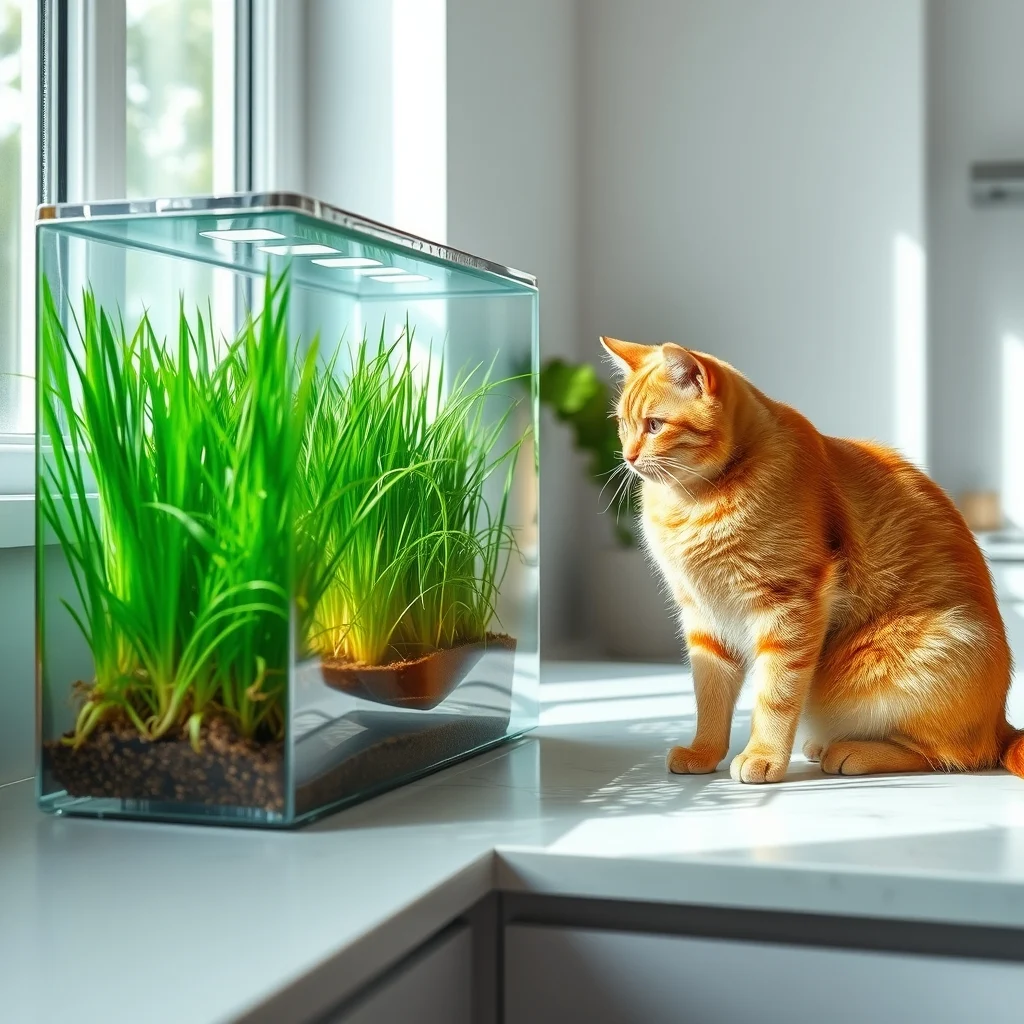
Growing pet-safe plants you can easily grow hydroponically at home provides a clean, soil-free way to enrich your indoor environment without putting cats or dogs at risk. Soilless cultivation removes traditional potting mix, which often harbors toxic fungi, mold, or chemical fertilizers that curious pets might dig up or ingest. By selecting certified non-toxic botanical species and utilizing simple water-based growing methods, pet owners can cultivate vibrant foliage, edible treats, and lush greenery safely indoors. In this guide, you will discover the seven best pet-safe plants for hydroponics, effective system setups, nutrient precautions, and practical advice to maintain a healthy home for your animals.
Key Takeaways
- Hydroponic cultivation eliminates soil-borne pathogens, mold, and dirty digging hazards for dogs and cats.
- Spider plants, cat grass, Boston ferns, peperomia, basil, African violets, and baby tears thrive soillessly and are non-toxic to domestic pets.
- Securing hydroponic reservoirs is essential to prevent pets from drinking concentrated mineral nutrient solutions.
Why Hydroponics Is Ideal for Pet-Friendly Homes
Traditional indoor gardening presents several hidden hazards for house pets. Standard potting soils frequently contain perlite, synthetic fertilizers, moisture-retaining crystals, and fungal spores that cause digestive distress or toxic reactions when ingested by curious cats and dogs. Animals instinctively dig in soft dirt, scattering debris and exposing roots to destruction.
Hydroponics solves these issues by replacing dirt with inert, sterile growing media such as expanded clay pebbles, coconut coir, or rockwool. Water-based systems keep root networks neatly contained within net pots and enclosed reservoirs. This design minimizes pest infestations naturally, eliminating the need for chemical pesticides or systemic insecticides that pose severe toxicity risks to domestic animals.
7 Non-Toxic Hydroponic Plants Safe for Cats and Dogs
When selecting vegetation for an indoor water garden, verifying species toxicity is the first priority. To cross-reference safety profiles before introducing new flora, refer to the official ASPCA non-toxic plants guide. Below are seven ideal plant choices that perform exceptionally well in soilless water systems.
1. Cat Grass (Wheatgrass, Oats, and Barley)
Cat grass is one of the easiest and most rewarding crops to cultivate hydroponically. Composed usually of young cereal grains like wheat, barley, or oats, cat grass provides essential fiber and aids digestion for felines and canines alike. In a simple passive hydroponic tray with coconut coir, seeds germinate rapidly and produce harvestable green shoots within seven to ten days.
2. Spider Plant (Chlorophytum comosum)
Spider plants are renowned for their air-purifying capabilities and distinctive arching foliage. They are completely non-toxic to animals, though cats are often attracted to their hallucinogenic-like mild hypnotic properties. Spider plants adapt quickly to hydroponic systems such as the Kratky method or Deep Water Culture (DWC), root development occurring rapidly in oxygenated water.
3. Boston Fern (Nephrolepis exaltata)
With lush, feathery fronds, the Boston fern adds rich texture to living spaces without threatening pet health. While ferns grown in soil require delicate moisture monitoring, hydroponic wick systems keep roots perfectly hydrated without oversaturation. Ensure lighting is kept at medium, indirect levels to prevent frond scorching.
4. Watermelon Peperomia (Peperomia argyreia)
Peperomia varieties feature compact size and decorative patterns reminiscent of watermelon rinds. They are non-toxic, slow-growing, and highly suitable for desktop hydroponic units. Using expanded clay pebbles in small net cups gives peperomia roots the precise balance of anchorage and aeration needed for sturdy foliage growth.
5. Sweet Basil (Ocimum basilicum)
Sweet basil is an aromatic culinary herb that is safe for both humans and pets. Basil thrives in high-light hydroponic setups like Nutrient Film Technique (NFT) or counter-top LED hydro-planters. Fresh basil provides safe nibbling opportunities for dogs and cats seeking fresh greens, while serving as a continuous cooking ingredient for household meals.
6. African Violet (Saintpaulia)
African violets bring vibrant bloom colors indoors without introducing toxic alkaloids. While traditionally sensitive to soil overwatering, African violets flourish in passive hydroponic wick systems that deliver consistent, measured moisture directly to root zones. Their compact footprint makes them excellent candidates for small-space indoor gardens.
7. Baby Tears (Soleirolia soleirolii)
Baby tears produce dense carpets of tiny, vibrant green leaves that cascade elegantly over containers. This creeping foliage plant is entirely pet-safe and offers a striking visually dense appearance. It excels in shallow hydroponic flood-and-drain trays or micro-wicking setups, provided humidity levels remain high.
Hydroponic System Comparison for Pet Safety
Choosing the right hydroponic mechanism depends on your household space, plant selection, and pet behavior. The table below compares common soilless setups based on maintenance needs and pet safety characteristics.
| Hydroponic System | Ideal Plant Match | Pet Safety Level | Primary Maintenance Task |
|---|---|---|---|
| Kratky Method | Spider Plant, Peperomia | High (Enclosed container) | Refilling solution levels |
| Wick System | African Violet, Boston Fern | High (No moving parts) | Replacing reservoir fluid |
| Deep Water Culture (DWC) | Cat Grass, Basil | Medium (Requires secured lid) | Monitoring air pump & pH |
| Drip System | Baby Tears, Larger Herbs | Medium ( Tubing must be hidden) | Cleaning emitters and pump |
Hydroponic Nutrient Safety and Management
While hydroponic growing removes toxic soil pathogens, nutrient solutions require careful management. Standard hydroponic fertilizers contain concentrated nitrogen, phosphorus, potassium, calcium, and trace minerals. While diluted nutrient water in active systems rarely causes severe poisoning, pets drinking concentrated fertilizer straight from storage bottles can suffer gastrointestinal distress or salt toxicity.
Always store concentrated liquid or dry nutrients in sealed, child-proof cabinets well out of reach of animals. Maintain tight-fitting lids over all system reservoirs, routing cables and air lines through small access ports so pets cannot lap up the liquid inside. If a pet consumes concentrated nutrient solution, offer fresh water immediately and consult your veterinarian.
Expert Insight: Safe Hydroponic Setup for Houses with Pets
When installing indoor hydroponic systems, prevention is the best design strategy. Place light-weight countertop gardens inside weighted base cabinets or anchor wire shelving directly to wall studs. Curious cats often view floating net pots and bubbling water streams as interactive toys; securing all tops with heavy clips prevents accidental tipping and water spillage.
Additionally, bundle and conceal all electric pump and grow light cords using split-tubing or wall-mounted cable raceways. Chewing on live electrical cords poses a severe risk to young dogs and cats. Installing smart outlet timers and grounded GFCI plugs offers an added layer of electrical safety for both human occupants and house pets.
Frequently Asked Questions
Is hydroponic nutrient water toxic to cats and dogs?
Diluted nutrient solution inside a running system is generally low in toxicity, but drinking it routinely should be avoided. Concentrated fertilizer directly out of the bottle is harmful and can cause digestive upset or mineral toxicity. Keep all nutrient reservoirs covered securely.
Can cats eat hydroponic spider plant leaves?
Spider plants are non-toxic to cats, though they contain mild chemical compounds that can cause a slight hallucinogenic effect or upset stomach if consumed in large quantities. Offer cat grass as a primary safe chewing alternative to redirect this natural instinct.
Do hydroponic plants require pesticides that could harm pets?
No. One of the main advantages of hydroponic indoor gardening is the elimination of soil pests like fungus gnats. Pests are rare in clean indoor water systems, eliminating the need for synthetic chemical sprays or systemic pesticides near your animals.
Which hydroponic substrate is safest if ingested by a pet?
Coconut coir and expanded clay pebbles (LECA) are non-toxic, inert media choices. However, clay pebbles pose a mild choking or intestinal blockage hazard if swallowed by large dogs. Ensure net pots are fitted tightly into lids so pets cannot remove substrate pieces.
Starting a pet-safe hydroponic garden begins with selecting one or two easy species, such as cat grass or spider plants, and placing them in a simple passive water system. Secure your reservoir lids and electrical cords prior to plugging in grow lights, giving your animals a clean, toxic-free indoor green sanctuary that boosts health and keeps your home thriving.
One thought on “7 Pet-Safe Plants You Can Easily Grow Hydroponically at Home”