Hydroponics gardening is a high-efficiency method of growing plants in a nutrient-rich water solution without using soil. By delivering essential minerals directly to plant root systems, indoor hydroponics maximizes growth rates, conserves water, and enables year-round cultivation of fresh produce regardless of outdoor climate limitations. Whether you are building a compact countertop hydroponic system for fresh kitchen herbs or scaling up modern hydroponic farming for high-yield harvests, soilless gardening offers an innovative, highly sustainable path toward agricultural self-reliance and vibrant botanical success.
Key Takeaways
- Hydroponics eliminates soil, delivering water, oxygen, and mineral salts directly to plant roots for up to 50% faster growth cycles.
- Indoor hydroponics utilizes up to 90% less water than traditional soil-based agriculture through closed-loop recirculation systems.
- Popular hydroponic systems include Deep Water Culture (DWC), Nutrient Film Technique (NFT), Ebb and Flow, and Aeroponics.
- Maintaining accurate pH levels (5.5–6.5) and electrical conductivity (EC) is essential for optimal plant nutrient absorption.
What Is Hydroponics and How Does It Work?
At its core, hydroponics replaces soil with an inert growing medium and liquid nutrient solution. In traditional gardening, roots must search expansive soil networks for trace minerals and moisture, expending metabolic energy that could otherwise drive vegetative expansion. Soilless gardening removes this search effort entirely, supplying targeted concentrations of nitrogen, phosphorus, potassium, calcium, magnesium, and sulfur directly to the root zone.
Without soil to anchor plants, growers use inert substrates such as coconut coir, expanded clay pebbles, rockwool, or perlite. These media do not provide nutritional value themselves; instead, they anchor the root architecture while retaining moisture and permitting oxygen diffusion. Roots suspended in a well-oxygenated hydroponic solution absorb water and dissolved ionic minerals with minimal expenditure of cellular energy, accelerating photosynthetic growth.
Because environmental parameters like temperature, light spectrum, humidity, and liquid nutrition are meticulously managed in indoor hydroponics, plants consistently perform at their biological peak. This precise environmental control virtually eliminates soil-borne pathogens, weed competition, and seasonal weather disruptions, transforming home gardening into an efficient, predictable science.
Major Types of Hydroponic Systems
Choosing the right hydroponic system depends on available space, technical experience, budget, and the specific plant varieties you intend to grow. Each system design approaches nutrient and oxygen delivery differently.
1. Deep Water Culture (DWC)
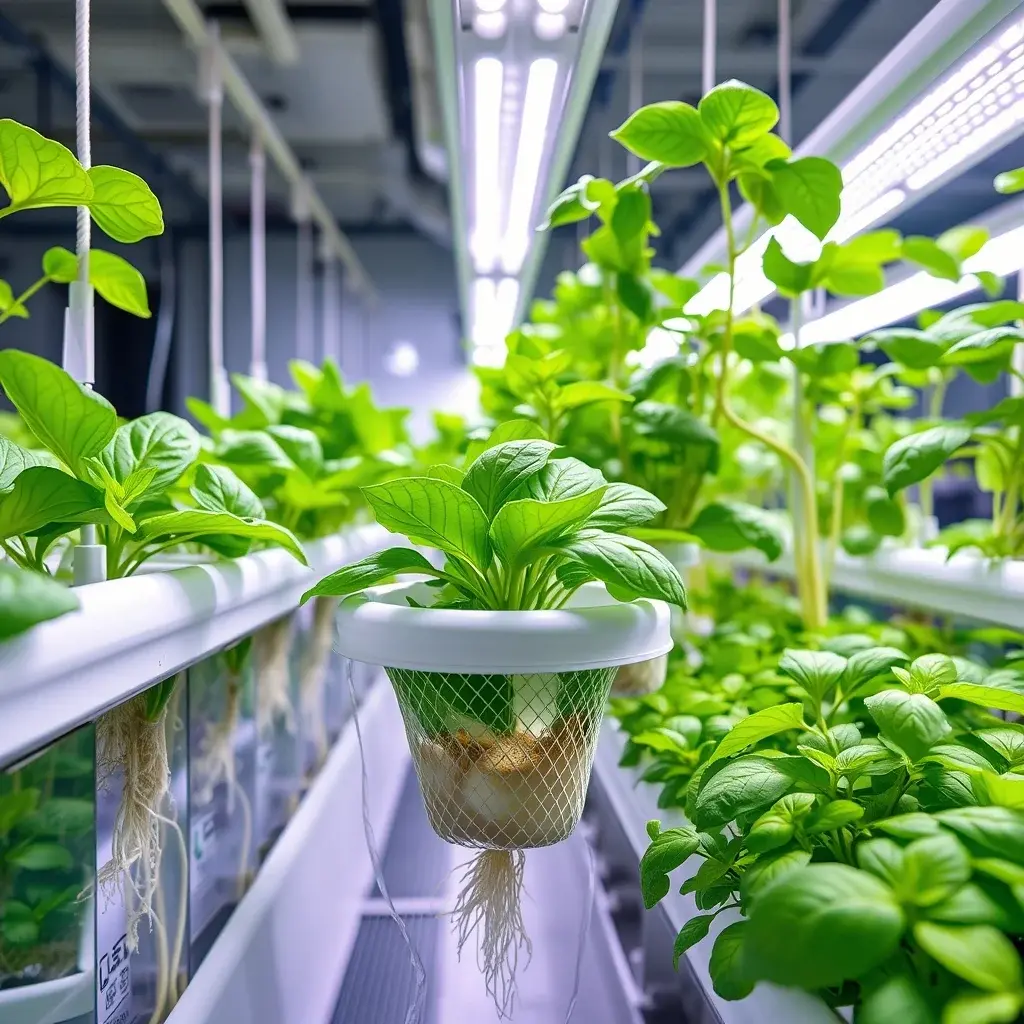
Deep Water Culture is one of the simplest and most effective indoor hydroponics setups for beginners. Plants are supported in net pots suspended above a reservoir filled with nutrient-enriched water. Roots hang continuously submerged in the solution, which is constantly aerated using an air pump and submerged air stones to supply oxygen and prevent root rot.
2. Nutrient Film Technique (NFT)
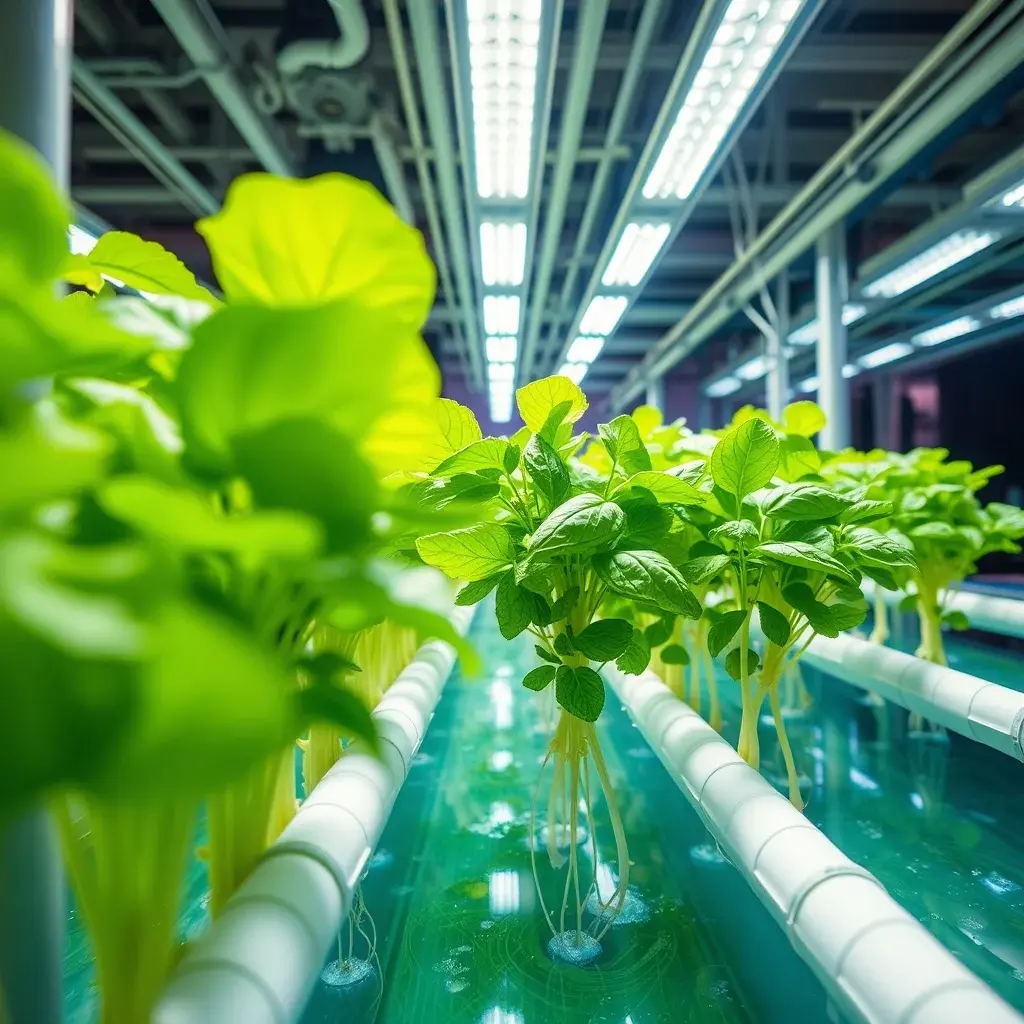
In an NFT system, a continuous, shallow stream or film of nutrient solution flows over the tips of the bare plant roots. Channels are set at a slight downward slope, allowing gravity to pull liquid across the roots into a lower reservoir where a submersible pump recycles it. NFT systems are ideal for fast-growing, lightweight plants such as butterhead lettuce, spinach, and leafy greens.
3. Ebb and Flow (Flood and Drain)
Ebb and Flow systems operate on a timed cycling mechanism. A tray containing plants rooted in growing media is periodically flooded with nutrient solution from a subterranean reservoir below. Once the tray reaches a predetermined fill level, a timer switches off the pump, allowing the solution to drain completely back into the reservoir. This draining action pulls fresh oxygen deep into the root substrate.
4. Drip Systems
Drip systems are widely utilized in commercial hydroponic farming due to their scale adaptability. A pump connected to individual drip lines delivers small, precise droplets of solution directly to the base of each plant substrate. Excess solution can be recovered and recycled in closed systems or drained off in non-recovery arrangements to preserve nutrient balance.
5. Aeroponics
Aeroponics represents an advanced form of soilless gardening where plant roots hang suspended in mid-air inside a closed chamber. High-pressure mist nozzles periodically spray the exposed roots with a fine cloud of nutrient solution. Because roots are fully exposed to ambient air, oxygen saturation levels remain exceptionally high, promoting rapid cell division and vigorous growth.
Hydroponic System Comparison
| System Type | Skill Level Required | Water Circulation | Best Crops | Primary Advantage |
|---|---|---|---|---|
| Deep Water Culture (DWC) | Beginner | Continuous Air Flow | Lettuce, Basil, Kale | Simple build, minimal moving parts |
| Nutrient Film Technique (NFT) | Intermediate | Continuous Liquid Flow | Spinach, Strawberries, Herbs | Minimal water and substrate volume |
| Ebb and Flow | Intermediate | Intermittent Timed Cycles | Tomatoes, Peppers, Beans | Excellent root zone oxygenation |
| Drip System | Intermediate / Advanced | Targeted Timed Dripping | Cucumbers, Tomatoes, Eggplants | Highly customizable per individual plant |
| Aeroponics | Advanced | High-Pressure Automated Mist | Root Crops, Leafy Greens, Herbs | Maximum oxygenation and fast growth |
Essential Components for Indoor Hydroponics
Building a flourishing indoor hydroponics setup requires several core components to simulate ideal natural conditions indoors. Investing in reliable equipment ensures long-term system stability and robust plant health.
High-efficiency grow lights serve as the primary power source for photosynthesis indoors. Modern LED grow lights offer customized light spectra, providing full-spectrum light with concentrated blue wavelengths during early vegetative growth and red wavelengths during flowering phases. Proper light duration typically ranges between 14 to 18 hours per day for most crop varieties.
Monitoring liquid chemistry is equally crucial. A digital pH meter measures solution acidity or alkalinity, keeping it within the optimal range of 5.5 to 6.5 where nutrients remain soluble. An Electrical Conductivity (EC) or Total Dissolved Solids (TDS) meter measures nutrient concentration, helping growers prevent nutrient burn or nutrient deficiency.
Finally, temperature management keeps the reservoir water between 65°F and 72°F (18°C to 22°C). Water above 75°F struggles to hold dissolved oxygen, creating favorable conditions for pathogenic organisms like Pythium, which cause devastating root damage.
Key Benefits of Soilless Gardening and Hydroponic Farming
Shifting away from traditional soil agriculture delivers exceptional ecological and practical advantages. According to agricultural research compiled by the United States Department of Agriculture, controlled-environment farming offers significant improvements in resource efficiency compared to field crop cultivation.
Water conservation stands out as a paramount benefit. Controlled recirculation systems reuse water repeatedly, losing liquid only to natural plant transpiration and slight evaporation. This results in up to 90% reduced water consumption compared to traditional soil irrigation, making hydroponic farming a vital technique in drought-prone regions.
Space efficiency is another major advantage. Because roots receive optimized nutrition directly, they do not spread far horizontally in search of food. Growers can place plants much closer together or utilize vertical farming towers, multiplying yields per square foot in urban apartments, garages, or indoor grow tents.
Common Hydroponics Mistakes to Avoid
While hydroponics gardening provides immense control over plant development, it leaves little room for neglect. Because there is no soil buffer, environmental or chemical imbalances quickly affect plant tissues.
One frequent mistake is failing to monitor pH levels regularly. Even if liquid fertilizer is present in correct amounts, an off-target pH locks out specific elements, causing leaf chlorosis or stunted growth despite high nutrient presence. Checking pH daily or every few days prevents nutrient lockout.
Overfeeding plants by mixing overly concentrated nutrient solutions is another common error. High salinity stresses root tissues through osmotic shock, leading to leaf-tip burn and wilting. Always start with half-strength concentrations when introducing young seedlings to high-output systems.
Neglecting reservoir sanitation can also collapse a hydroponics system. Stagnant organic residues and light exposure encourage green algae growth, which consumes dissolved oxygen and competes for nutrients. Shielding water reservoirs from light and performing full water changes every 10 to 14 days maintains clean root zone hygiene.
Expert Insight: Maintaining Long-Term System Stability
To maintain high productivity in a home hydroponic system, establish a consistent weekly routine: check pH and EC levels daily, top off evaporated water with fresh, un-chlorinated water, and replace the complete nutrient reservoir every two weeks to prevent trace salt accumulation and maintain ideal ionic proportions.
Frequently Asked Questions
What crops grow best in an indoor hydroponics system?
Leafy greens such as butterhead lettuce, romaine, spinach, kale, and swiss chard excel in indoor hydroponic setups. Culinary herbs like basil, cilantro, mint, and parsley also perform exceptionally well alongside fruiting crops like dwarf tomatoes, strawberries, and bell peppers.
How often should you change the hydroponic nutrient solution?
You should fully drain, clean, and replace your hydroponic nutrient solution every 10 to 14 days. Between full changes, top off the reservoir with pure, pH-balanced water to replace moisture lost through plant transpiration and evaporation.
Is hydroponic farming organic?
Hydroponic farming can utilize organic nutrient sources derived from fish emulsion, kelp, or bone meal, but most systems rely on pure mineral salts like calcium nitrate and potassium phosphate. These refined mineral salts provide immediate, precise plant uptake without requiring soil microbes to break down organic matter.
Do hydroponic plants require special grow lights?
Indoor hydroponic plants require high-intensity full-spectrum lighting to simulate sunshine. Modern full-spectrum LED grow lights offer energy efficiency, minimal heat production, and balanced light spectra optimized for both foliage development and flowering stages.
To begin your soilless gardening journey, start with a compact Deep Water Culture container or desktop herb kit to gain hands-on experience monitoring pH levels and nutrient strength before scaling up to larger, automated hydroponic setups.