SEO Title: Hydroponics Made Simple: Grow Big Plants Without Soil
SEO Slug: hydroponics-made-simple
Meta Description: Learn how hydroponics lets you grow fresh food and plants at home without dirt. Follow this easy guide to set up your first indoor garden today.
Focus Keyword: Hydroponics
Secondary Keywords: indoor gardening, nutrient solution, grow lights, plant roots, water farming
Estimated Reading Time: 8 minutes
Table of Contents
- What is Hydroponics?
- Why Grow Without Soil?
- Popular Types of Systems
- Essential Gear You Need
- Choosing Your First Plants
- Simple Step-by-Step Setup
- Pros and Cons
- Expert Tips
- Common Mistakes to Avoid
- Frequently Asked Questions
# Article Outline
| Heading Level | Heading | Purpose |
|---|---|---|
| H2 | What is Hydroponics? | Define the core concept clearly for beginners. |
| H2 | Why Grow Without Soil? | Explain the main benefits of water-based gardening. |
| H2 | Popular Types of Systems | Compare different setup options like DWC and NFT. |
| H2 | Essential Gear You Need | List hardware like pumps, lights, and reservoirs. |
| H2 | Choosing Your First Plants | Help readers pick easy crops for early success. |
| H2 | Simple Step-by-Step Setup | Provide clear instructions for building a basic rig. |
| H2 | Pros and Cons | Offer a balanced view of benefits and drawbacks. |
| H2 | Expert Tips | Share advanced tricks for better yields. |
| H2 | Common Mistakes to Avoid | Save beginners from typical setup failures. |
| H2 | Frequently Asked Questions | Answer quick reader queries about daily care. |
What is Hydroponics?
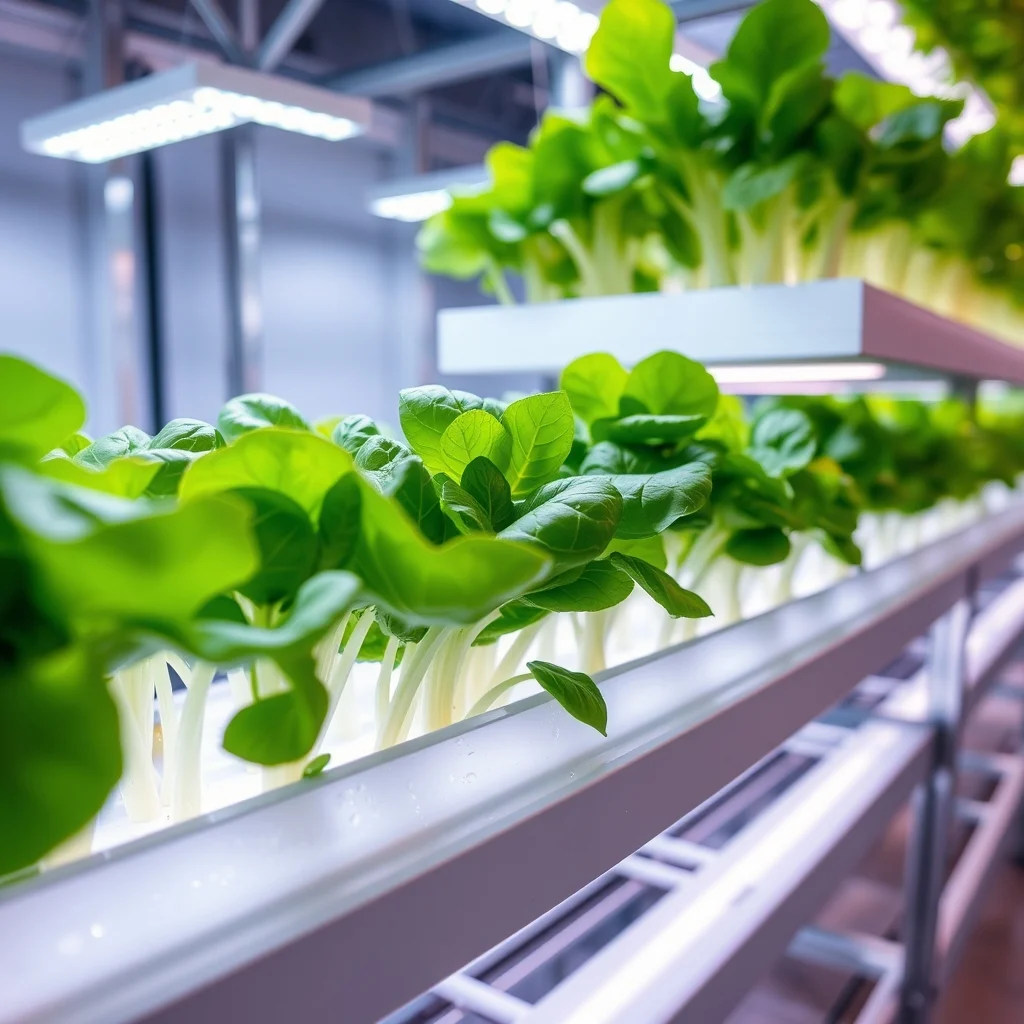
Hydroponics is a cool way to grow plants without using any dirt at all. Instead of putting roots in mud or soil, you place them straight into water that has all the food the plant needs. Plants do not actually need dirt to live. They just need water, light, air, and minerals.
When you feed your plants directly through water, they grow much faster. They do not have to spend energy pushing roots through heavy soil to find food. The food goes right to them. This method works great inside your house, in a garage, or out on a sunny balcony.
If you want to start your own indoor garden from scratch, check out this guide on 7 Easy Steps to Master Hydroponics How to Start Seeds for Flawless Grows. It will show you how to get your tiny seeds ready for a water system.
Why Grow Without Soil?
Growing plants in water saves a lot of space and time. You can stack systems vertically or put them in small rooms where dirt gardens would never fit. Plus, you do not have to worry about weeds or dirty garden pests that live in soil.
Water-based farming also uses less water than traditional farming. The water stays in a closed system and circulates around the roots instead of soaking deep into the ground where plants cannot reach it. You save money on water bills while helping the planet.
Popular Types of Systems
There are a few different ways to build a water garden. Some use pumps, while others rely on simple gravity. Here is a quick comparison table to help you understand the most common choices.
| System Type | How It Works | Best For Beginners |
|---|---|---|
| Deep Water Culture (DWC) | Roots hang directly in oxygenated nutrient water. | Yes, very simple. |
| Nutrient Film Technique (NFT) | A thin stream of water runs over the roots constantly. | Moderate experience. |
| Wick System | Ropes pull water up from a tank to the roots. | Yes, no power needed. |
| Ebb and Flow | Water floods the root tray, then drains back down. | Good for medium setups. |
Essential Gear You Need
You do not need fancy lab equipment to start growing plants this way. You just need a few basic items to get your setup running smoothly.
- A water tank or reservoir
- An air pump and air stone to keep oxygen in the water
- Net pots to hold the plants in place
- Growing medium like clay pebbles or rockwool
- Special liquid plant food made for water gardens
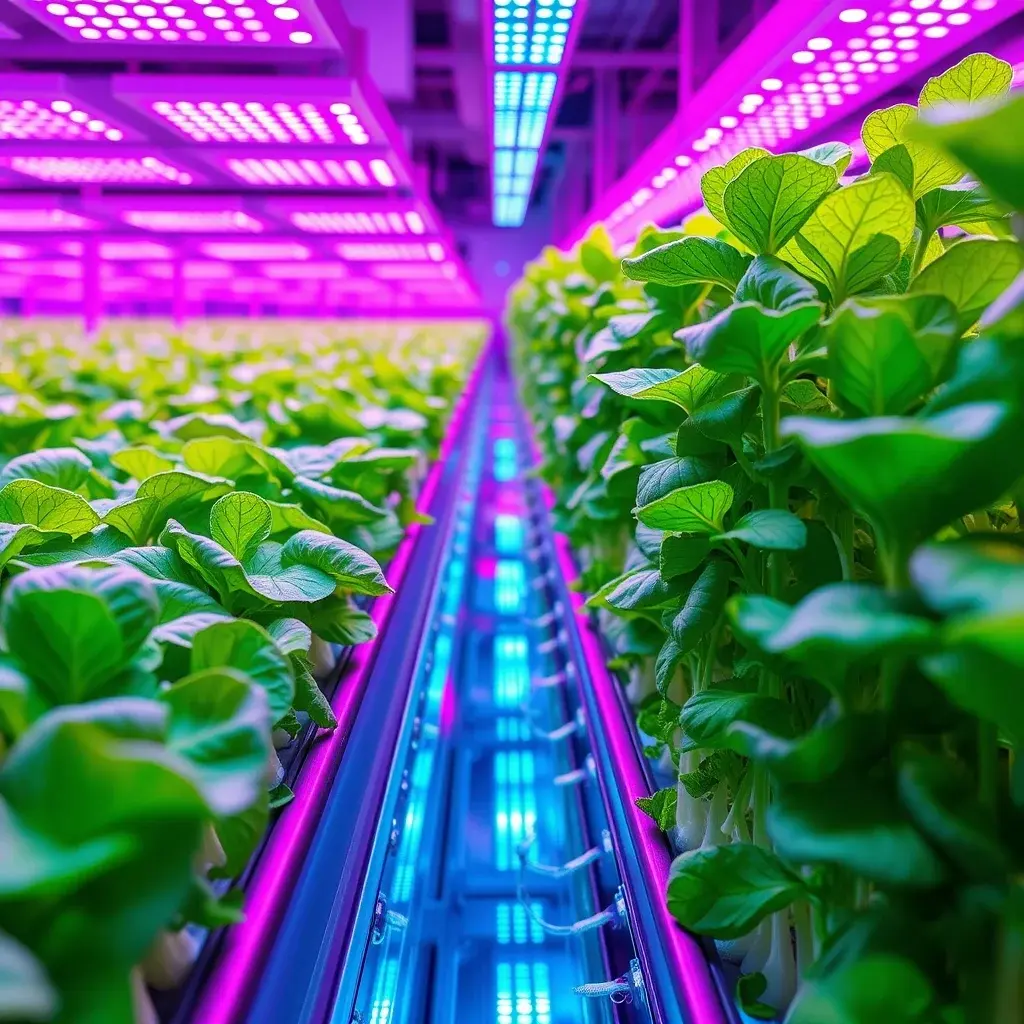
- Grow lights if you are indoors away from windows
You can find many helpful tools and guides right here at earnstools.com to make your DIY setup even easier.
Choosing Your First Plants
Not all plants grow well in water right away. If you are a complete beginner, you should start with fast-growing greens and herbs. They adapt quickly and give you a fast harvest so you stay motivated.
Here are the best plants for your first try:
- Lettuce and spinach
- Fresh basil, mint, and cilantro
- Green onions
- Strawberries
Simple Step-by-Step Setup
Building a basic Deep Water Culture system is easy if you follow these clear steps.
- Clean your plastic storage tote thoroughly with soap and water.
- Cut holes in the lid that match the size of your net pots.
- Place your air pump outside the tote, and run the airline inside to the air stone at the bottom.
- Fill the tote with clean water, leaving a small gap between the water line and the lid.
- Mix your liquid plant food into the water following the label directions.
- Place your young plants into the net pots, surround them with clay pebbles, and set them into the lid holes so the roots touch the water.
- Plug in your air pump and lights, then watch your garden grow.
Pros and Cons
Every gardening method has good points and bad points. It is smart to look at both before you spend your money.
| Pros | Cons |
|---|---|
| Plants grow much faster than in soil. | Requires daily checks of water levels and pH. |
| No weeds, mud, or digging required. | Needs a steady source of electricity for pumps. |
| Uses up to ninety percent less water. | Diseases can spread quickly through shared water. |
| Great for small apartments and indoor spaces. | Initial setup costs can add up quickly. |
Expert Tips
Keep your water temperature cool so your plant roots get enough oxygen. Warm water holds less oxygen and can make plants sick.
Check the pH balance of your water at least twice a week. Most plants like slightly acidic water. If the pH is off, your plants will not be able to drink the nutrients properly, even if the tank is full of food.
Clean your entire system between every harvest. Algae and bad bacteria love warm, wet, lit spaces, so keeping things sanitary prevents plant disease.
Common Mistakes to Avoid
Many beginners make the mistake of adding too much plant food right away. They think more food means faster growth, but it actually burns the roots and kills the plant.
Another common error is letting the water level drop too low. If the roots dry out for even a few hours, the plant can die. Always keep an eye on your reservoir levels.
Frequently Asked Questions
Do I need natural sunlight for my indoor garden?
No, you do not need natural sun at all. Many people use LED grow lights because you can control how many hours of light your plants get every single day.
How often should I change the water in my tank?
You should completely change the water and add fresh nutrients every two to three weeks to keep the mineral balance healthy.
Does a water garden smell bad?
A healthy system should not smell like anything at all. If you notice a rotten smell, it means algae or bacteria are growing, and you need to clean the tank.
Can I use regular tap water?
Yes, but you should let it sit in an open bucket for 24 hours first so the chlorine can evaporate before you mix in your plant food.
Is it expensive to run an indoor water setup?
Running small air pumps and LED lights uses very little electricity, so it will barely change your monthly power bill.
Can I grow large vegetables like tomatoes?
Yes, you can grow big plants like tomatoes and cucumbers, but they need much bigger systems, stronger lights, and sturdy cages to hold their weight.
Conclusion
Starting with hydroponics is a fun and rewarding hobby that lets you enjoy fresh greens all year long. You do not need a big backyard or heavy farming tools to grow your own food. Just set up a simple water tank, add your nutrients, and watch your indoor garden thrive.
Key Takeaways
- Water-based gardening lets plants grow faster without dirt.
- Deep Water Culture is the easiest system for beginners.
- Always monitor water temperature and pH levels.
- Start with fast-growing greens like lettuce and herbs.
Suggested Internal Link Opportunities
Suggested External Authority Sources
- USDA Agricultural Research Service (ars.usda.gov)
- NASA Advanced Life Support Program (nasa.gov)