SEO Title: Hydroponics at Home: Growing Fresh Food Without Soil
SEO Slug: hydroponics-at-home-growing-fresh-food
Meta Description: Learn how to set up hydroponics at home. Grow fresh herbs and vegetables fast without dirt using simple indoor systems and expert tips.
Focus Keyword: Hydroponics
Secondary Keywords: indoor gardening, nutrient solution, grow lights, plant roots, soilless growing
Estimated Reading Time: 8 minutes
Table of Contents
- What Is Hydroponics?
- How Plants Grow Without Dirt
- Popular System Types
- Essential Equipment You Need
- Step-by-Step Setup Guide
- Common Mistakes to Avoid
- Frequently Asked Questions
What Is Hydroponics?
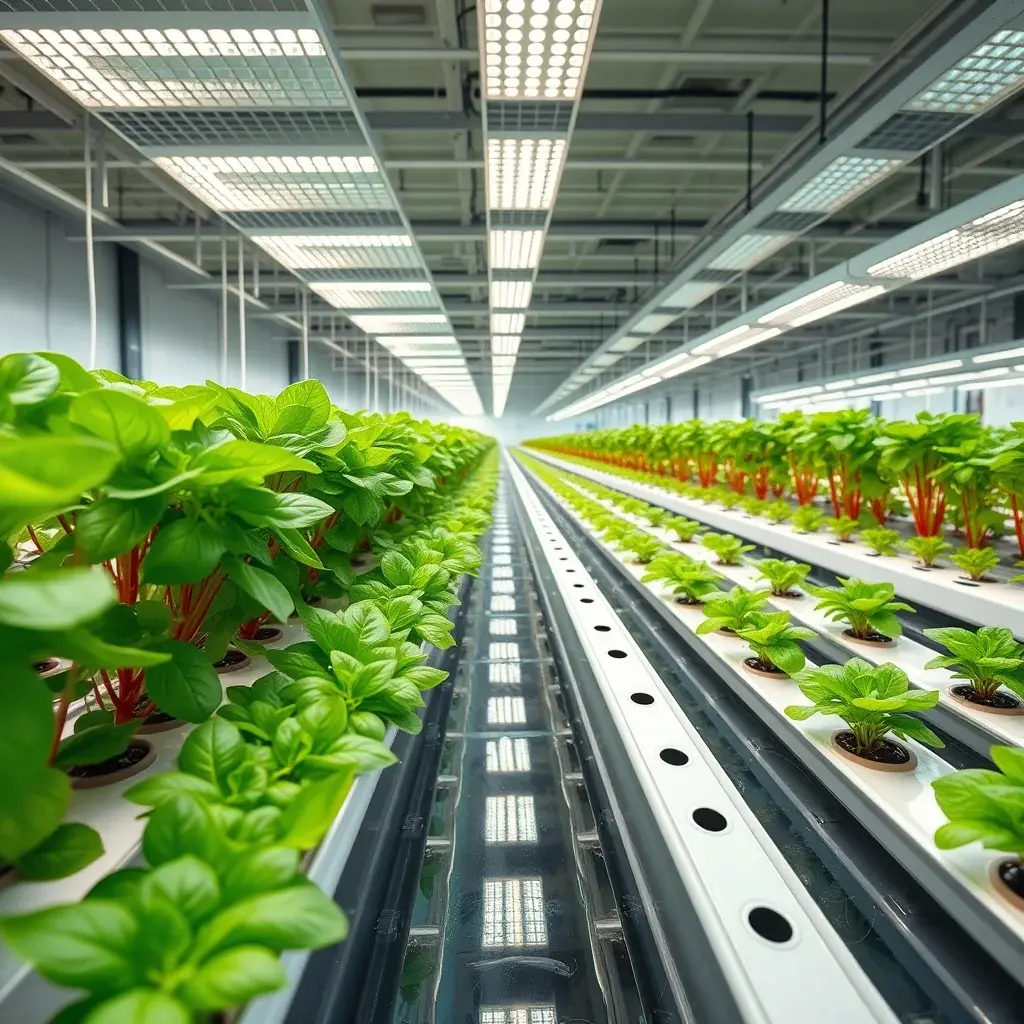
Hydroponics is a way to grow plants without using soil. Instead of dirt, plant roots sit directly in water mixed with special minerals. This method lets you grow fresh food right inside your house, garage, or apartment all year long.
Many people across the United States use this technique to grow crisp lettuce, sweet tomatoes, and fresh herbs. If you want to learn more about basic setups, check out this guide on Hydroponics Made Simple: How to Grow Plants Without Dirt for extra tips.
How Plants Grow Without Dirt
In nature, dirt acts as an anchor for plants. Dirt also stores food and water. When you take dirt away, you must supply those things manually.
We use a nutrient solution made of water and mineral salts. Plant roots soak up this liquid directly. Because the food is right there, plants do not waste energy growing massive root systems to search for food. They put all their energy into growing tasty leaves and fruits instead.
Popular System Types
There are several ways to build a indoor garden. Each setup works a bit differently.
| System Type | Best For Beginners | How It Works |
|---|---|---|
| Deep Water Culture (DWC) | Yes | Roots hang directly in oxygenated nutrient water. |
| Nutrient Film Technique (NFT) | No | A thin stream of water flows over roots continuously. |
| Wick System | Yes | A cotton wick draws water up from a tank into the roots. |
Essential Equipment You Need
You do not need fancy gear to start growing at home. A few basic items will get you up and running.
- A food-safe container or bucket to hold your water.
- An air pump and air stone to keep the water oxygenated.
- LED grow lights if your space lacks natural sunlight.
- pH test kit to check water acidity.
- Water-soluble plant food made for soilless gardens.
Step-by-Step Setup Guide
Building your first indoor garden is easy if you follow these clear steps.
- Clean your water container thoroughly with soap and water.
- Fill the container with clean tap water and let it sit for a day to remove chlorine.
- Mix your liquid plant food into the water following the label directions.
- Place your air stone inside and turn on the air pump.
- Put your young seedlings into net pots filled with clay pebbles.
- Set the pots into the lid of your container so the roots touch the water.
Common Mistakes to Avoid
Even experienced gardeners make errors sometimes. Watch out for these common traps.
Overfeeding your plants is a huge mistake. Adding too much plant food burns the roots and turns them brown. Always start with a weak mix and increase it slowly over time.
Ignoring water temperature causes major issues too. Keep your water cool so it holds enough oxygen. Warm water breeds bad bacteria that can rot plant roots fast.
Key Takeaways
- Hydroponics lets you grow food fast without any dirt.
- Water must contain the right mix of minerals and oxygen.
- Deep Water Culture is the easiest setup for beginners.
- Keep a close eye on water pH and temperature levels.
Frequently Asked Questions
Do hydroponic plants grow faster than soil plants?
Yes, they usually grow much faster. Plants get direct access to water and food, so they spend less time searching the dirt for nutrients.
Do I need natural sunlight indoors?
No, you can use modern LED grow lights. These lights give plants the exact color spectrum they need to grow strong and healthy.
How often should I change the water?
You should change your water and plant food mix every two to three weeks to keep mineral levels fresh and balanced.
Can I grow any plant this way?
Leafy greens and herbs like basil, lettuce, and spinach work best. Large root vegetables like potatoes are much harder to grow this way.
Is indoor soilless growing expensive?
You can start with a cheap DIY kit made from plastic storage bins, or you can buy a pre-made countertop appliance. Costs vary depending on your budget.
How do I stop algae from growing?
Algae needs light to grow. Use opaque containers that block out light, and keep your nutrient tank tightly covered.
Conclusion
Growing food at home using hydroponics is a fun and rewarding hobby. You get fresh, clean herbs and vegetables right in your kitchen all year long. Grab some basic supplies, set up your first simple container, and enjoy watching your green plants thrive.
Suggested Internal Link Opportunities: earnstools.com
Suggested External Authority Sources: USDA, NASA Advanced Life Support Program