URL Slug: hydroponics-gardening-guide
Meta Description: Learn how to start your own hydroponics garden. This simple guide covers the basics of growing plants in water without soil for better results.
Focus Keyword: Hydroponics
Secondary Keywords: indoor gardening, plant nutrients, water culture, growing systems, plant care
Estimated Reading Time: 12 minutes
Table of Contents
- What Is Hydroponics?
- Why Choose Hydroponics Over Soil?
- The Basic Parts of a System
- Choosing the Right Plants
- Types of Hydroponic Systems
- Setting Up Your First Reservoir
- How to Mix Plant Nutrients
- Monitoring pH Levels
- Lighting Requirements
- Common Mistakes to Avoid
- Managing Water Temperature
- Best Plants for Beginners
- Preventing Root Problems
- Harvesting Your Crops
- Moving Forward With Your Garden
What Is Hydroponics?
Hydroponics is a way of growing plants by using water instead of soil. You provide water that is mixed with liquid nutrients directly to the roots. This method allows you to grow vegetables, herbs, and flowers in smaller spaces than a traditional garden.
Many people find this method cleaner and more efficient. Since the plants do not have to search for food in dirt, they can focus their energy on growing leaves and fruit. You can find more details on how this process works in our Understanding Hydroponics Gardening: The Ultimate Guide to Soilless Farming article.
Why Choose Hydroponics Over Soil?
Growing plants without soil saves you from dealing with weeds and pests that live in the ground. You use less water because the liquid stays in the system rather than draining away into the earth. It is a smart way to grow food indoors at earnstools.com for year-round harvests.
| Benefit | Description |
|---|---|
| Speed | Plants usually grow faster than in soil. |
| Water Use | Uses up to 90 percent less water. |
| Space | Great for small apartments or corners. |
The Basic Parts of a System
Every system needs a few core items to function. You will need a container to hold your water, a way to support your plants, and a light source. Oxygen is also vital for healthy roots.
- Reservoir: A plastic bin or container for water.
- Growing medium: Materials like clay pebbles to hold plants in place.
- Air pump: Keeps the water moving and adds oxygen.
- Nutrient solution: Specialized food for your plants.
Choosing the Right Plants
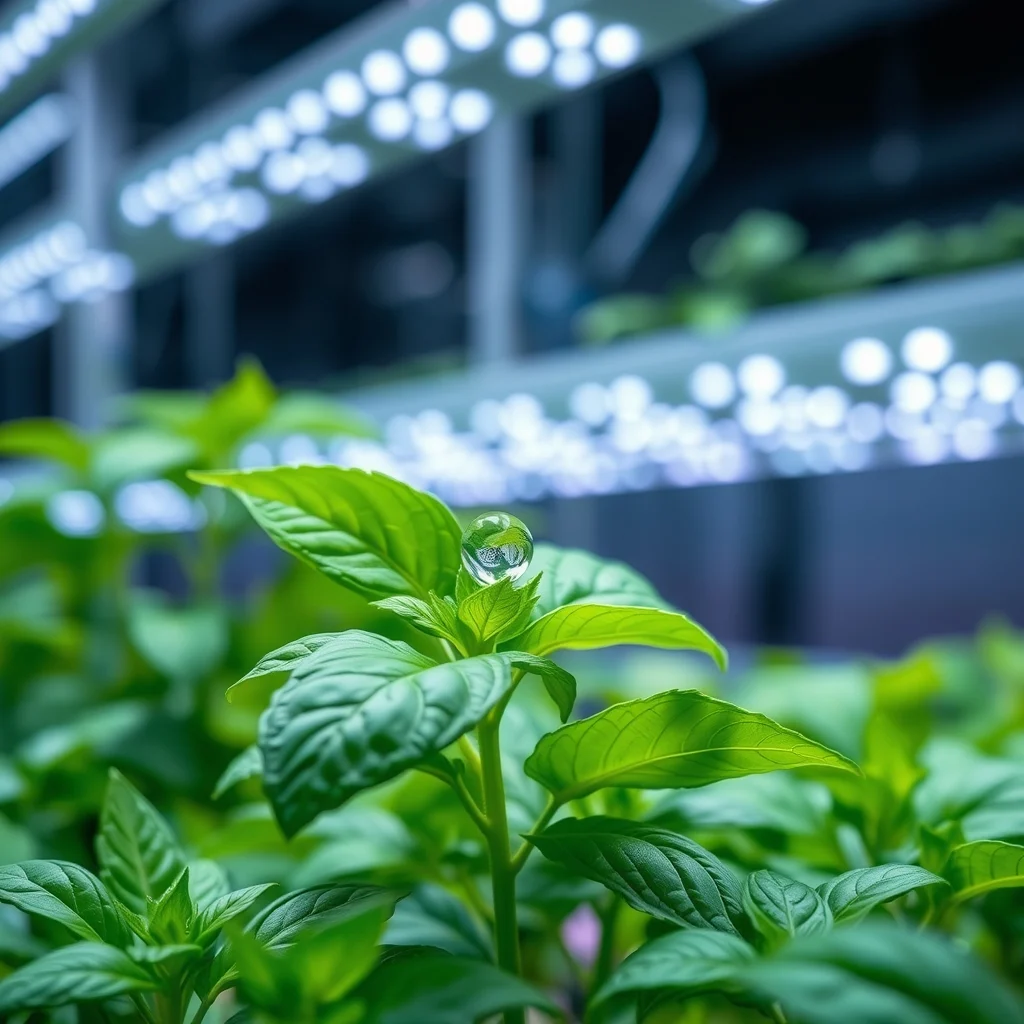
Not all plants grow the same way. Fast-growing leafy greens are the best choices for beginners. Lettuce, spinach, and basil thrive in these setups because they do not require heavy support or long growth cycles.
Types of Hydroponic Systems
There are several ways to build a system. The simplest one is the Deep Water Culture or DWC system. Your plants float on a platform with their roots sitting in a bucket of nutrient-rich water.
| System Type | Best For |
|---|---|
| DWC | Beginners and leafy greens. |
| Drip | Larger plants like peppers. |
| Wick | Small herbs or low-maintenance plants. |
Setting Up Your First Reservoir
Start by picking a dark container. Light hitting the water causes algae to grow, which steals food from your plants. Clean your container thoroughly before adding any water.
How to Mix Plant Nutrients
Plants in soil get food from the earth, but in hydroponics, you must add liquid fertilizer. Follow the directions on your nutrient bottle carefully. Too much can burn the roots, and too little will stunt growth.
Monitoring pH Levels
The pH level measures how acidic or basic your water is. Most plants prefer a slightly acidic environment. You can buy a simple digital meter to check this weekly.
Lighting Requirements
If you grow indoors, your plants need strong light. LED grow lights are the standard today. They stay cool and do not use much electricity while providing the right spectrum for your plants.
Common Mistakes to Avoid
The most frequent error is over-fertilizing. It is better to use slightly less than the bottle suggests. Also, do not let your water sit still for too long, as it needs oxygen to prevent rot.
Managing Water Temperature
Warm water holds less oxygen than cool water. Try to keep your reservoir around 68 degrees Fahrenheit. If your room gets very hot, consider adding a small frozen water bottle to the tank during the day.
Best Plants for Beginners
Start with easy wins to build your confidence. Lettuce and basil are very forgiving if your pH level slips slightly. Avoid tomatoes or melons until you have run at least two successful harvests.
Preventing Root Problems
Healthy roots should be white. If they turn brown or smell bad, you have a problem. This usually happens when the water is too warm or lacks oxygen. Keep your system clean to stop this early.
| Checklist | Status |
|---|---|
| Root Color | White/Cream |
| Water Odor | Neutral/Fresh |
| Plant Growth | Green/Steady |
Harvesting Your Crops
One of the best parts is picking your own fresh food. For lettuce, you can harvest outer leaves and let the center keep growing. This gives you fresh greens for weeks from a single plant.
Moving Forward With Your Garden
As you get better, you might want to try more advanced setups. Keep track of what works in a small notebook. Watching your plants grow from tiny seeds to dinner is very rewarding.
Key Takeaways
- Hydroponics saves water and space.
- Keep your reservoir dark to stop algae.
- Test your water pH levels weekly.
- Start with easy plants like lettuce.
Frequently Asked Questions
Do I need electricity for hydroponics?
Most systems use a small air pump that requires a wall outlet, but you can grow plants in simple jars without one if you change the water often.
Is hydroponic food safe to eat?
Yes, it is just as healthy as soil-grown food. Often, it is cleaner because you control everything the plant touches.
How often should I change the water?
You should refresh the nutrient solution every two weeks to keep things balanced.
Can I use regular garden fertilizer?
No, you need special hydroponic nutrients because they contain all the minerals that plants normally find in dirt.
How much light do plants need?
Most vegetables need about 12 to 16 hours of light per day.
What is the easiest system to start?
The Deep Water Culture (DWC) system is the most simple and effective way to learn.
Conclusion
Starting with hydroponics is a great way to grow food throughout the year. With a few simple tools and some attention to your water and light, you can enjoy fresh produce from your own home. Take your time, stay consistent, and enjoy watching your garden flourish.
Suggested Internal Link Opportunities
- Understanding Hydroponics Gardening: The Ultimate Guide to Soilless Farming
- General Gardening Tools and Supplies