Hydroponics gardening is a highly efficient method of cultivating plants without soil, utilizing a nutrient-rich water solution directly delivered to plant roots. By bypassing traditional dirt, indoor hydroponics allows growers to precisely control ambient variables, accelerate growth cycles, and yield luscious crops year-round regardless of outdoor weather conditions. In this comprehensive guide, you will discover how a hydroponics system operates, explore the primary indoor hydroponic farming setups, and learn actionable techniques to cultivate vibrant vegetables, greens, and herbs in your own home. Whether you aim to maximize food production or enjoy a sustainable indoor garden, mastering soilless gardening unlocks unprecedented botanical vitality.
Key Takeaways
- Hydroponic farming cultivates plants in an oxygenated nutrient solution without soil, speeding up growth rates significantly compared to traditional dirt farming.
- Core system designs include Deep Water Culture (DWC), Nutrient Film Technique (NFT), Wick, Ebb and Flow, and Aeroponics.
- Soilless gardening conserves up to 90% more water than traditional ground gardening while eliminating soil-borne pests and weeds.
- Maintaining accurate pH, Electrical Conductivity (EC), light spectrum, and dissolved oxygen levels is essential for long-term harvest success.
What is Hydroponics and How Does Soilless Gardening Work?
At its core, hydroponics is the science of growing plants in an aqueous nutrient fluid rather than organic soil. Traditional soil acts primarily as a physical reservoir holding water, minerals, and atmospheric oxygen; however, plant roots must expend considerable metabolic energy expanding through dense earth searching for these essential elements. In a controlled hydroponic environment, soluble mineral ions like nitrogen, phosphorus, potassium, calcium, and magnesium dissolve directly into oxygen-infused water.
Because these essential macronutrients and micronutrients continuously surround the root zone, plants absorb nourishment effortlessly. Consequently, botanical energy shifts away from aggressive root expansion toward rapid vegetative growth, lush foliage, and abundant fruit production. Indoor hydroponics further enhances this physiological advantage by pairing root nutrition with specialized LED lighting, controlled ambient temperature, and optimized relative humidity.
The science of soilless cultivation spans centuries, evolving from ancient historical agricultural practices to modern controlled-environment agriculture. Research documented by the United States Department of Agriculture highlights how hydroponic systems contribute to urban food security, drought-resilient farming, and modern agricultural sustainability. Today, home growers and commercial agriculturalists alike utilize these precise methods to produce pristine, pesticide-free food anywhere in the world.
Key Advantages of Indoor Hydroponic Farming
Transitioning from ground-based cultivation to an indoor hydroponic farming system offers remarkable benefits for both casual home gardeners and dedicated growers. The precise management of environmental factors removes unpredictable outdoor variables, establishing reliable crop yields across every season.
Water conservation represents one of the most significant environmental advantages of soilless agriculture. Closed-loop recirculating hydroponic setups capture and reuse runoff water, using up to 90 percent less water than traditional soil farming. This extraordinary efficiency makes hydroponic gardening an exceptional choice for water-conscious homeowners and dry climates.
Furthermore, indoor hydroponics virtually eliminates soil-borne insects, weed seeds, and soil pathogens like Pythium or Fusarium that frequently ruin standard garden beds. Without weed competition, crops flourish undisturbed. Eliminating soil pests drastically reduces or completely removes the reliance on chemical pesticides, ensuring cleaner harvests for your kitchen table.
Space optimization is another major breakthrough of hydroponic systems. Vertical farm racks and tower systems allow plants to grow in stacked vertical rows, producing up to ten times more yield per square foot than traditional horizontal garden plots. This space savings enables urban apartment dwellers to cultivate fresh leafy greens inside living areas.
Exploring Popular Types of Hydroponic Systems
Selecting the ideal hydroponic system depends on your experience level, available space, and the specific plants you wish to harvest. Every active and passive design approaches root oxygenation and fluid movement with unique engineering.
1. Deep Water Culture (DWC)
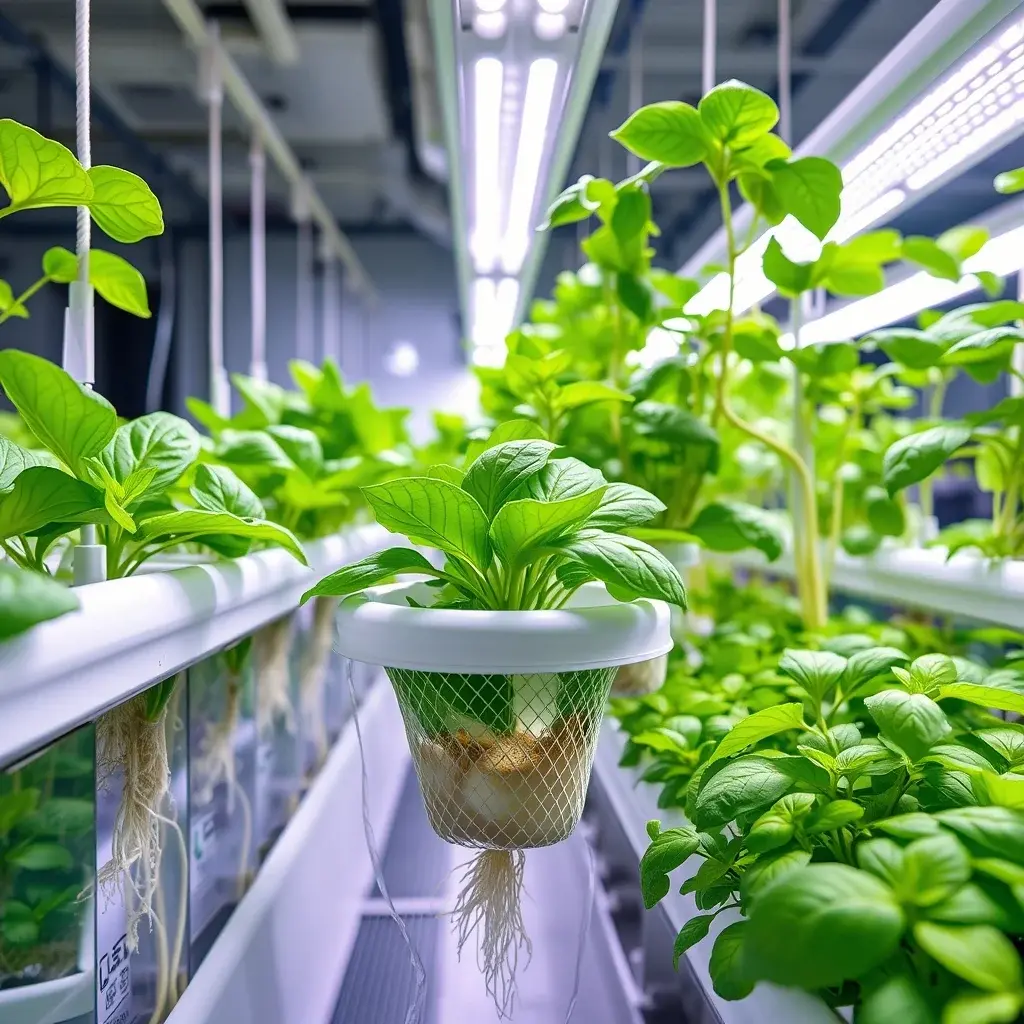
Deep Water Culture is one of the most accessible hydroponic methods for beginners. In a DWC system, plant roots hang suspended from net pots directly into an aerated reservoir filled with nutrient-enriched water. An electric air pump connected to submerged air stones continuously pushes air bubbles into the liquid, ensuring roots receive continuous dissolved oxygen.
DWC systems excel at producing fast-growing leafy crops like lettuce, spinach, kale, and aromatic herbs. Because the reservoir contains a substantial volume of water, nutrient concentration and liquid temperature remain stable, providing a forgiving learning curve for new growers.
2. Nutrient Film Technique (NFT)
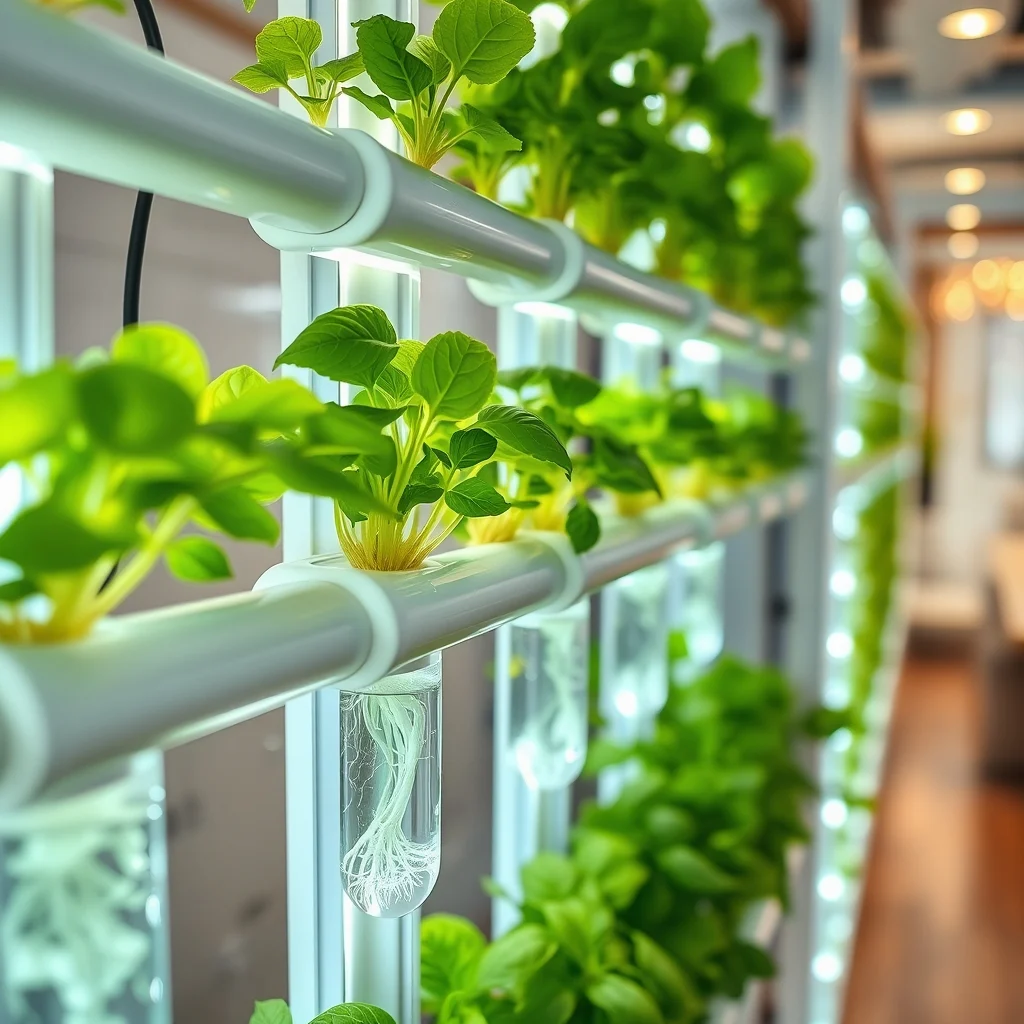
The Nutrient Film Technique utilizes a continuously flowing shallow stream—or film—of nutrient solution flowing downward through sloped channels or PVC pipes. Root systems rest inside these channels, absorbing water and nutrients from the shallow bottom stream while drawing oxygen from the open air space above.
NFT systems are popular in commercial indoor hydroponic farming because they utilize small liquid volumes and deliver high efficiency. However, because channels retain minimal reserve water, unexpected power outages or mechanical pump failures require quick attention to prevent delicate roots from drying out.
3. Ebb and Flow (Flood and Drain)
Ebb and Flow systems operate by periodically flooding a grow tray containing plants anchored in inert media with nutrient solution, then draining the liquid back into a lower holding tank. A submersible water pump connected to an automated timer controls these cyclical flooding routines throughout the day.
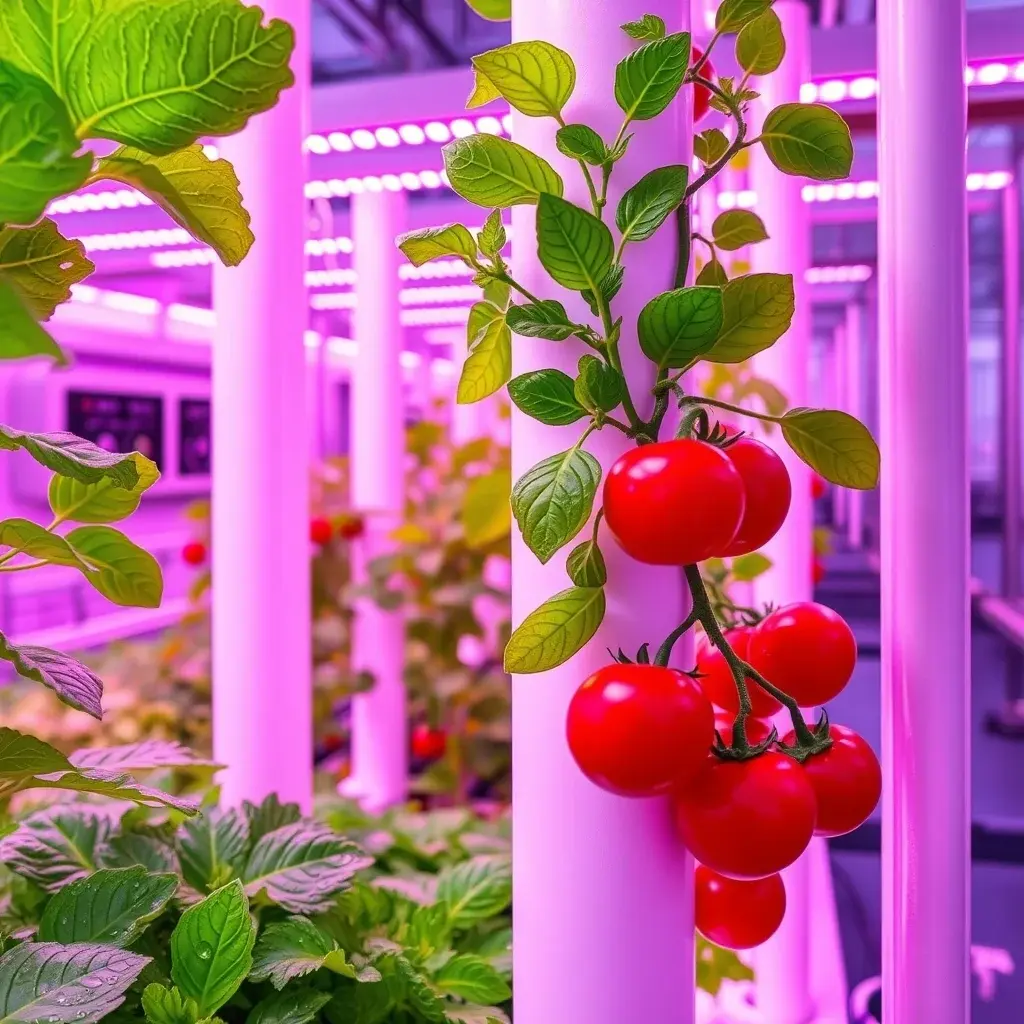
As the liquid drains away from the tray, fresh oxygen gets pulled deep into the root zone. This dynamic action suits heavy-feeding fruiting plants like tomatoes, peppers, and eggplants, which benefit from the sturdy structural support offered by coarse growing media.
4. Wick Systems
Wick systems represent the simplest passive hydroponic design because they function without electric pumps or motorized moving parts. Absorbent fabric wicks draw nutrient solution upward from a bottom reservoir directly into the inert media surrounding the plant roots through natural capillary action.
5. Aeroponics
Aeroponics represents a advanced branch of soilless gardening. Plant roots suspend inside a dark misting chamber where high-pressure fog nozzles intermittently spray them with an atomized nutrient mist every few minutes. Unmatched root aeration drives accelerated growth speeds, making aeroponics a favorite for advanced enthusiasts.
Comparing Hydroponic Systems: Selection Table
Comparing the operational requirements of each system helps growers match the right technology with their personal space and agricultural goals.
| System Type | Difficulty Level | Best Plant Types | Primary Maintenance Focus |
|---|---|---|---|
| Deep Water Culture (DWC) | Beginner | Lettuce, Spinach, Basil | Water aeration & reservoir temperature |
| Nutrient Film Technique (NFT) | Intermediate | Salad greens, Strawberries | Pump operation & channel slope |
| Ebb and Flow | Intermediate | Tomatoes, Peppers, Cucumbers | Timer schedule & media flushing |
| Wick System | Beginner | Small herbs, Microgreens | Wick moisture balance |
| Aeroponics | Advanced | Greens, Tomatoes, Rooting cuttings | Mist nozzle cleaning & system pressure |
Essential Water Parameters: pH and Electrical Conductivity (EC)
Maintaining proper water chemistry is vital to long-term hydroponic success. Because plants lack surrounding soil to buffer nutrient imbalances, growers monitor pH and dissolved mineral concentration consistently.
The optimal pH range for most hydroponic crops lies between 5.5 and 6.5, which represents a slightly acidic environment. If reservoir water shifts too high or too low, nutrient lockout occurs, preventing roots from absorbing critical elements like iron, nitrogen, or calcium regardless of their availability in the fluid.
Electrical Conductivity (EC) or Parts Per Million (PPM) measures total dissolved mineral salts within your reservoir. Young seedlings require mild EC readings (0.8 to 1.2 mS/cm), while mature fruiting crops thrive in higher nutrient concentrations (1.8 to 2.5 mS/cm). Using reliable digital pH and EC meters ensures precise nutritional management.
Choosing the Right Growing Media for Soilless Gardening
Although hydroponics eliminates dirt, plants still require physical anchorage around their root crowns. Inert growing media support plant stems while remaining chemically neutral in water.
Expanded clay pebbles (often called hydroton) are widely used due to their porous structure, excellent aeration, and reusability. Rockwool cubes, manufactured from spun basalt rock, offer high water retention and air permeability, making them popular choices for seed germination and initial propagation.
Coconut coir, derived from processing coconut husks, provides an eco-friendly medium that retains moisture while offering outstanding aeration. Perlite and vermiculite are lightweight volcanic mineral grains frequently mixed with other inert media to improve drainage properties.
Common Mistakes to Avoid in Hydroponic Gardening
While hydroponics offers fast growth rates, mistakes can spread rapidly within shared water systems. Recognizing common pitfalls ensures consistent success.
Inadequate water oxygenation is a frequent beginner oversight. Plant roots require dissolved oxygen to breathe; stagnant, low-oxygen water encourages dangerous pathogens like root rot (Pythium). Running air pumps continuously in standing water systems prevents stagnant root environments.
Ignoring water temperature can also cause growth issues. The ideal reservoir water temperature ranges between 65°F and 72°F (18°C to 22°C). Warm water holds significantly less dissolved oxygen and promotes root pathogens, whereas excessively cold water shocks sensitive root tissues and stunts foliage growth.
Expert Insight: Optimizing Light Quality for Indoor Hydroponic Farming
Experienced indoor growers emphasize that ambient lighting quality is just as important as nutrient balance. Natural light entering standard windows is rarely sufficient for high-yield indoor crops, often leading to stretched, weak stems.
Installing full-spectrum LED grow lights supplies specific light wavelengths required for each growth stage. Cool blue light spectrums (400–500 nm) support compact, sturdy vegetative foliage, while warm red light spectrums (600–700 nm) trigger robust flowering and fruit formation. Mounting LED fixtures 12 to 24 inches above plant canopies and operating timers for 14 to 18 hours daily delivers optimal photosynthetic energy for continuous indoor harvests.
How to Get Started with Your First Hydroponic System
Setting up your first soilless garden does not require expensive commercial infrastructure. You can assemble a simple Deep Water Culture system using straightforward supplies from your local garden store.
Select an opaque, food-grade plastic container or bucket that prevents light penetration, which stops algae growth inside the liquid. Drill holes into the lid to hold 2-inch or 3-inch net pots, and fill these pots with expanded clay pebbles or rockwool cubes.
Fill the container with clean tap water, adjust the pH level between 5.5 and 6.5 using a digital meter, and add a balanced liquid hydroponic fertilizer according to product instructions. Connect an aquarium air pump to an air stone, drop the stone into the bottom of the container, and insert your sprouted seedlings into the net pots. Within days, robust white roots will extend into the oxygenated, nutrient-rich liquid below.
Frequently Asked Questions
What crops grow best in an indoor hydroponics system?
Leafy greens like lettuce, spinach, kale, and Swiss chard, along with herbs such as basil, mint, and cilantro, grow exceptionally fast in indoor hydroponic systems. Fruiting plants like tomatoes, peppers, strawberries, and dwarf cucumbers also perform remarkably well under proper LED grow lighting.
Do hydroponic vegetables taste as good as soil-grown produce?
Yes, hydroponically grown produce often features outstanding flavor, crisp texture, and high nutritional value. Because plants receive balanced mineral nutrition and ideal water levels throughout growth, harvested crops reach full flavor potential without experiencing drought stress.
Is hydroponic farming considered organic?
Hydroponic systems can utilize organic liquid fertilizers derived from natural sources like kelp or fish hydrolysate. Official organic certification rules vary by location, as traditional organic definitions historically centered on soil-based microbial ecosystems.
How often should I change my hydroponic nutrient solution?
It is best practice to completely drain, flush, and refill your hydroponic nutrient reservoir every 7 to 14 days. Regular water changes prevent mineral salt accumulation, rebalance nutrient ratios, and keep root environments fresh and healthy.
Adopting hydroponics gardening empowers you to cultivate healthy, homegrown food with remarkable efficiency and year-round consistency. By choosing the right system layout, regulating water chemistry, and supplying full-spectrum light, you can unlock the full performance of soilless indoor gardening right in your own home.