hydroponics-guide
Hydroponics
indoor gardening, soilless growing, hydroponic systems, plant nutrients
Estimated Reading Time: 8 minutes
Table of Contents
- What Is Hydroponics?
- How Hydroponics Works
- Types of Hydroponic Systems
- Essential Equipment You Need
- Managing Nutrients and Water Quality
- Pros and Cons of Soilless Growing
- Step-by-Step Setup Guide
- Common Mistakes to Avoid
- Expert Tips for Better Growth
- Frequently Asked Questions
What Is Hydroponics?
Hydroponics is a clever way to grow plants without using dirt. Instead of soil, you place plant roots straight into water that is full of rich minerals and food. This method helps plants grow much faster because they do not have to waste energy searching the ground for nutrients.
You can set up a small garden in your kitchen, your basement, or even out on a sunny porch. Many people love this hobby because it uses much less water than traditional farming. If you want to learn more about setting up your indoor space, check out The Ultimate Guide to Hydroponics Gardening: Soilless Systems & Indoor Growing for extra help.
How Hydroponics Works
Plants need three main things to live and grow big. They need light, air, and water with food. In nature, dirt acts as a sponge to hold water and food near the roots. Hydroponics removes dirt entirely from the equation.
When you feed plants through water, they take in food instantly. Their roots sit right in the liquid solution or in a clean base like clay pellets. This direct feeding style means your crops get exactly what they need every single day.
Types of Hydroponic Systems
There are several ways to build your garden. Each setup works a bit differently depending on your space and budget.
Deep Water Culture
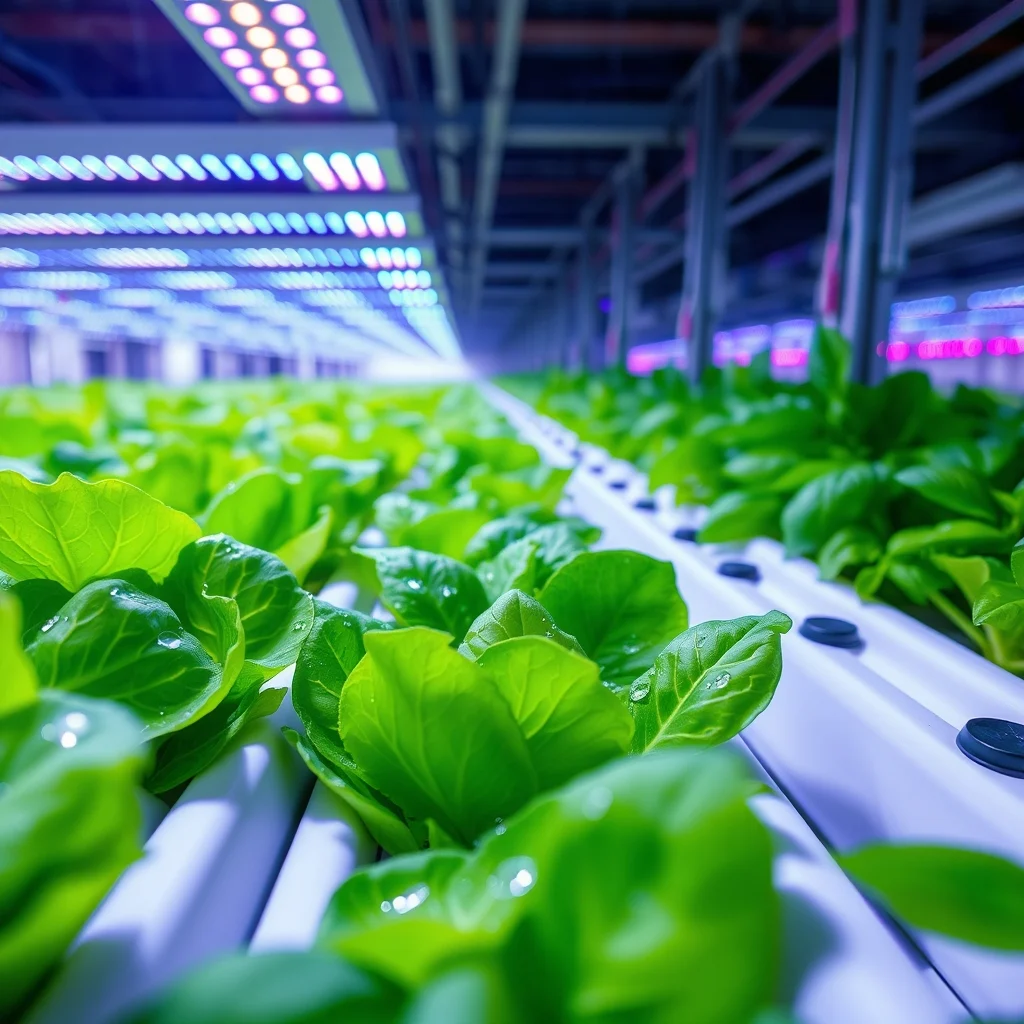
Deep water culture is the easiest system for beginners. You suspend plant roots in a tub of oxygen-rich water mixed with plant food. An air pump keeps bubbles moving so the roots can breathe.
Nutrient Film Technique
This system sends a thin stream of water flowing constantly over the roots. A small pump pushes water through a tilted pipe, and gravity pulls it back down into a tank.
| System Type | Best For | Skill Level |
|---|---|---|
| Deep Water Culture | Lettuce, herbs | Beginner |
| Nutrient Film Technique | Fast-growing greens | Intermediate |
| Ebb and Flow | Tomatoes, peppers | Advanced |
Essential Equipment You Need
You do not need fancy gear to start growing at home. You only need a few basic items to get your plants to thrive.
- Water reservoir container
- Air pump and air stones
- Grow lights for indoor spaces
- Net pots and growing media
- Water testing tools
Managing Nutrients and Water Quality
Water is the lifeblood of your garden. You must keep a close eye on your water quality to make sure your plants stay healthy.
Check the pH balance of your water regularly. Most plants like a slightly acidic balance. If the water is too acidic or too basic, your plants will not be able to drink the food you give them.
Pros and Cons of Soilless Growing
Like any hobby, growing plants this way has good points and bad points. Knowing both sides helps you decide if it fits your lifestyle.
Pros
- Plants grow up to fifty percent faster than in soil.
- You can grow food indoors all year long.
- No weeds to pull and fewer pests to fight.
- Uses up to ninety percent less water than regular gardens.
Cons
- Requires a small upfront cost for gear.
- You must monitor water chemistry every day.
- Power outages can hurt your plants if pumps stop working.
Step-by-Step Setup Guide
Follow these simple steps to build your first setup today.
- Choose a bright spot or set up grow lights in a spare room.
- Clean your water reservoir and fill it with fresh tap water.
- Mix your plant nutrients into the water according to the label.
- Place your air pump inside the tank and turn it on.
- Put your young plants into net pots and set them in place.
Common Mistakes to Avoid
Beginners often make a few common errors. Avoid these traps to keep your garden green and happy.
Do not add too much plant food at once. Giving plants too many nutrients can burn their roots and stop growth. Always start with a weak mix and add more slowly.
Expert Tips for Better Growth
Keep your water temperature cool so it holds plenty of oxygen. Warm water causes root rot and other plant diseases.
Clean your entire system between every single harvest. This keeps algae and bad bacteria away from your fresh crops.
Frequently Asked Questions
Can I grow any plant this way?
Most leafy greens, herbs, and strawberries do great. Large fruit trees and root vegetables like potatoes are much harder to grow in water.
Do I need natural sunlight?
No, you can use LED grow lights. Many indoor gardeners prefer lights because they let you grow in closets or basements.
How often should I change the water?
You should completely change your water and mix fresh nutrients every two to three weeks.
Is it hard for beginners?
Basic systems are very easy to learn. If you follow a simple guide, you can harvest your first greens in a few weeks.
Does the setup use a lot of electricity?
Most home setups use very little power. Small water pumps and LED lights cost just a few dollars a month to run.
Can I use tap water?
Yes, but let your tap water sit out for twenty-four hours first so the chlorine can evaporate.
Conclusion
Starting with hydroponics is a fun and rewarding project for anyone who loves fresh food. You do not need a big backyard or green thumb to grow healthy plants. Just pick a simple system, keep your water clean, and enjoy watching your garden thrive indoors.
Key Takeaways
- Hydroponics grows plants faster without any soil.
- Deep water culture is the best system for beginners.
- Always monitor your water pH and nutrient levels.
- Indoor lighting lets you grow food all year round.
Suggested Internal Link Opportunities
Visit earnstools.com for more guides on indoor tools and DIY projects.