Table of Contents
What Is Hydroponics?
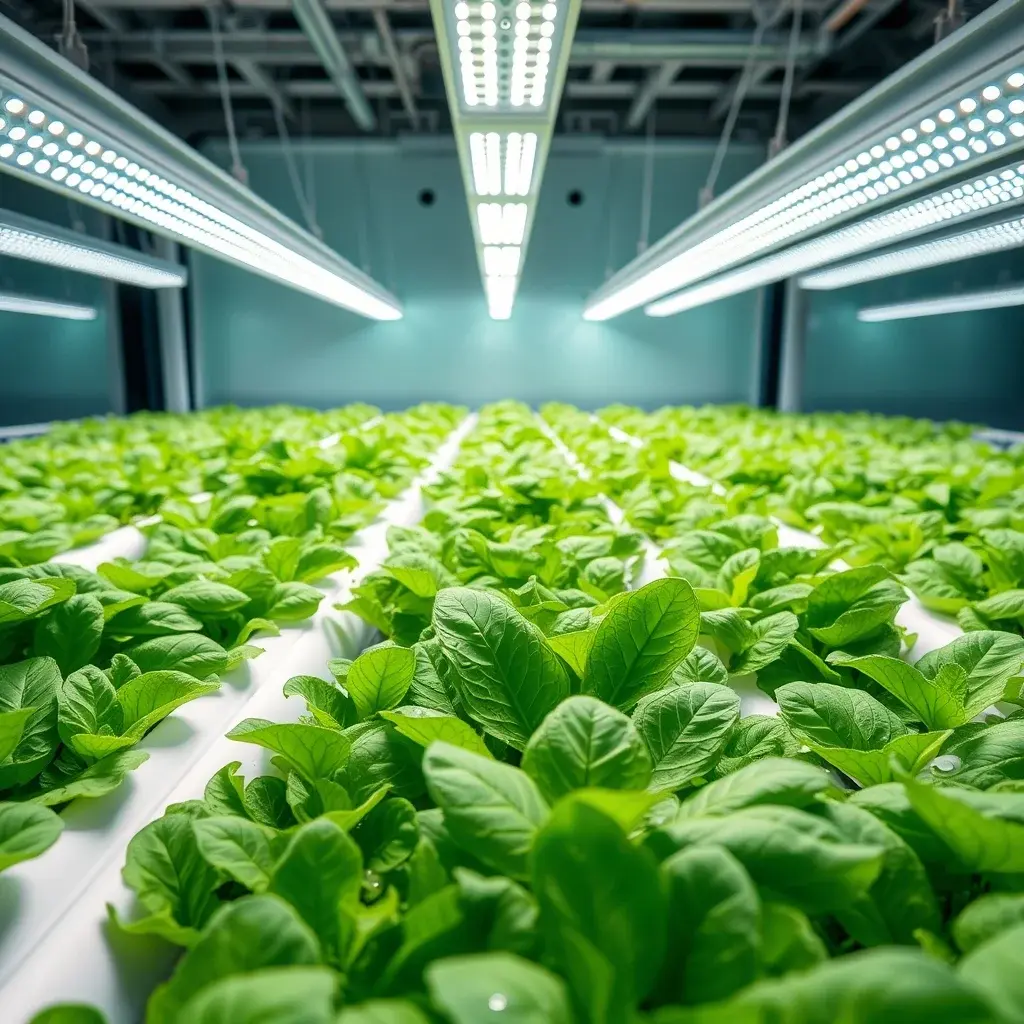
Hydroponics is a cool way to grow plants without using any soil. Instead of dirt, plant roots sit directly in water that is packed with special plant food. You might already know that plants need water, sun, and air to live. They actually do not need dirt at all. Dirt just holds the plant up and gives it food. When you use water for food instead, plants grow much faster.
If you want to learn more about starting your own setup, check out The Complete Guide to Hydroponics Gardening: Master Soilless Cultivation for deep insights.
People love this method because you can grow fresh herbs and veggies right inside your kitchen or garage. You do not need a big backyard or a farm. You just need a small space and some basic gear.
How Hydroponics Works
In nature, plant roots dig deep into the dirt to find water and nutrients. In a soilless setup, the roots hang right in liquid. This liquid is called a nutrient solution. It mixes water with exact minerals like nitrogen, potassium, and calcium.
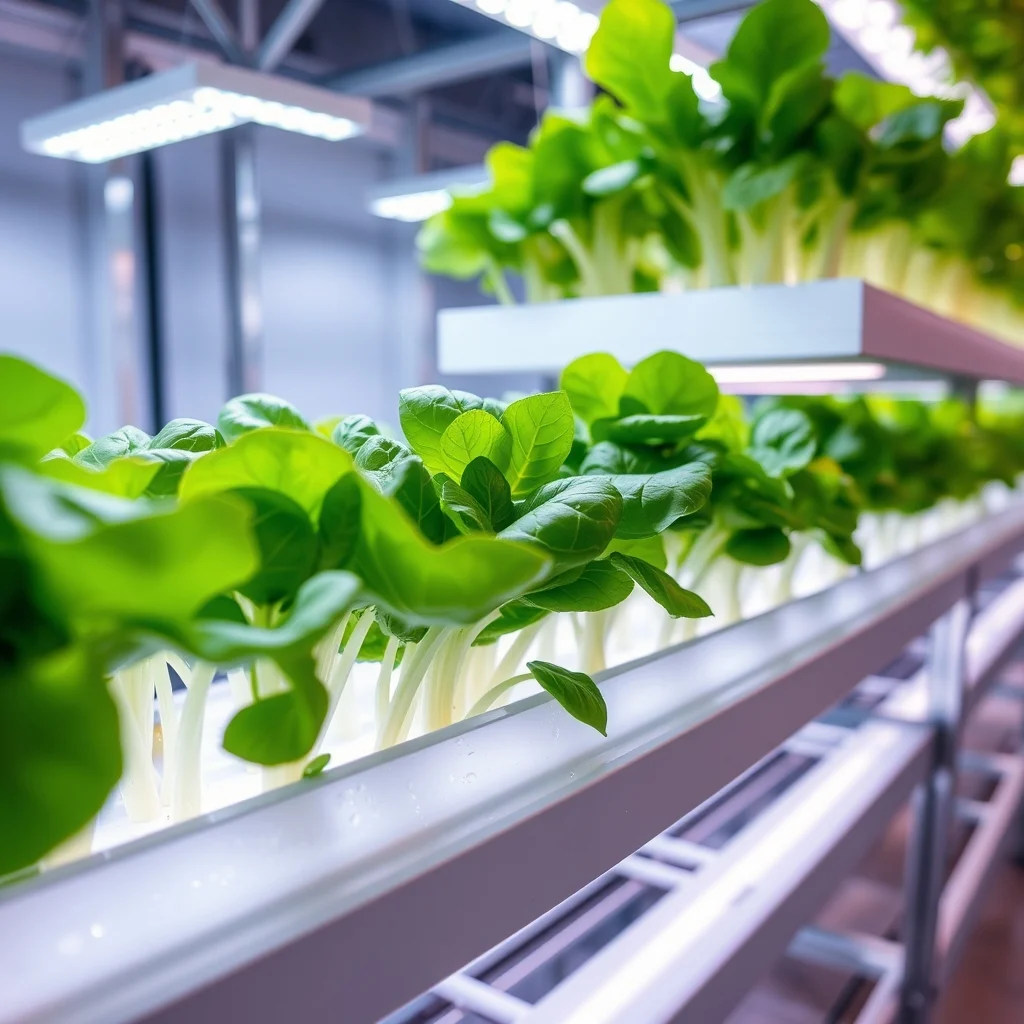
Because the food goes straight to the roots, the plant does not waste energy searching for meals. All of its energy goes into making big leaves, tasty fruits, and strong stems. You also need an air pump to push oxygen into the water. Plant roots need to breathe just like humans do.
Types of Systems
There are a few different ways to build your indoor garden. Some are very simple, while others use fancy pumps and timers.
Deep Water Culture
This is the best choice for beginners. You put your plants in small plastic cups filled with clay pebbles. The roots hang down into a bucket filled with water and plant food. An air stone at the bottom keeps the water bubbly and full of oxygen.
Nutrient Film Technique
This setup uses long plastic tubes. A tiny pump sends a thin stream of water running through the tubes. The plant roots touch the stream as it flows by. It uses very little water and works great for leafy greens.
Wick Systems
This is the easiest system of all because it needs no electricity. A small fabric wick pulls water up from a lower tank into the plant roots. It is slow, but it never breaks down.
| System Name | Best For | Skill Level |
|---|---|---|
| Deep Water Culture | Lettuce, herbs | Beginner |
| Nutrient Film Technique | Spinach, strawberries | Intermediate |
| Wick System | Small houseplants | Beginner |
Essential Gear You Need
To start growing plants at home, you need to buy a few key items. You do not need to spend a lot of money, but you do need the right tools.
- A waterproof container or bucket
- An air pump and air stones
- Special plant food made for water
- LED grow lights if you lack sunlight
- A pH test kit to check water balance
You can find many of these items right on earnstools.com to help you build your kit. Always check your water pH often. If the water is too acidic or too basic, your plants will get sick and stop growing.
Best Plants to Grow
Not every plant likes living in water. Some heavy plants need dirt to hold them up. Start with light plants that grow fast.
Top Crops for Beginners
- Basil, mint, and cilantro
- Leaf lettuce and spinach
- Strawberries
- Cherry tomatoes
Leafy greens grow best when you are just starting out. They take only a few weeks to go from a tiny seed to a big salad ready to eat.
Expert Tips for Success
Keep your water clean. Change the water in your tank every two weeks so it stays fresh. Old water can grow mold or algae.
Watch your water temperature. Keep it around 68 degrees Fahrenheit. If the water gets too warm, it loses oxygen and your plant roots can rot.
Label your plant food bottles. Always mix your nutrients in the exact order listed on the package so the minerals do not clump together.
Common Mistakes to Avoid
Many new growers put too much plant food in the water. This burns the roots and turns the leaf tips brown. Always start with half the recommended dose.
Another big mistake is ignoring light timers. Plants need a regular schedule of light and dark. Put your lights on an automatic timer so they get 12 to 16 hours of light every single day.
Pros and Cons of Soilless Growing
Every hobby has good points and bad points. Here is what you should expect.
Pros:
- Plants grow up to twice as fast as dirt plants.
- You never have to pull weeds.
- You use much less water overall.
- You can grow food all year round indoors.
Cons:
- You must buy upfront gear.
- If the power goes out, pumps stop working.
- Water problems can kill plants very fast.
Key Takeaways
- Growing plants in water is clean and fast.
- Deep water culture is the best setup for beginners.
- Always check your water pH and oxygen levels.
- Start with easy plants like lettuce and herbs.
Frequently Asked Questions
Do I need a window for my indoor garden?
No, you do not need a window at all. You can use LED grow lights to give your plants all the light they need.
How often should I change the water?
You should completely change the water and add fresh nutrients every two weeks.
Does it cost a lot of money to run?
Most small home setups use very little electricity. The lights and small pumps cost just a few dollars a month to run.
Can I use tap water?
Yes, but you should let it sit out for 24 hours first so the chlorine can escape into the air.
Will my indoor garden smell bad?
A healthy setup smells like fresh water and clean plants. If it smells bad, your water is dirty and needs to be changed.
Is it hard to learn?
It is very easy if you start with a simple kit and follow basic steps.
Conclusion
Starting with hydroponics is a fun project that lets you enjoy fresh food all year long. You do not need a green thumb to get great results. Just set up your bucket, add your water and nutrients, and watch your plants take off. Grab your gear today and enjoy the fun of growing your own food indoors.
Suggested Internal Link Opportunities:
- Link to a guide on indoor grow lights.
- Link to a guide on mixing plant nutrients.
Suggested External Authority Sources: