SEO Title: Hydroponics at Home: Growing Plants Without Soil
SEO Slug: hydroponics-at-home
Meta Description: Learn how hydroponics works, explore popular indoor systems, and start growing fresh herbs and vegetables at home without dirt.
Focus Keyword: Hydroponics
Secondary Keywords: indoor gardening, soilless growing, plant nutrients, deep water culture, grow lights
Estimated Reading Time: 8 minutes
Table of Contents
- What Is Hydroponics?
- How Plant Roots Get Food
- Popular Types of Systems
- How to Start Your First Setup
- Managing Water and Nutrients
- Lighting for Indoor Gardens
- Pros and Cons to Keep in Mind
- Common Mistakes to Avoid
- Frequently Asked Questions
What Is Hydroponics?
When you hear the word hydroponics, you might picture a high-tech science lab. In reality, it is just a simple way to grow plants using water instead of dirt. You place the roots directly into nutrient-rich water. This lets the plant skip the hard work of digging through soil for food.
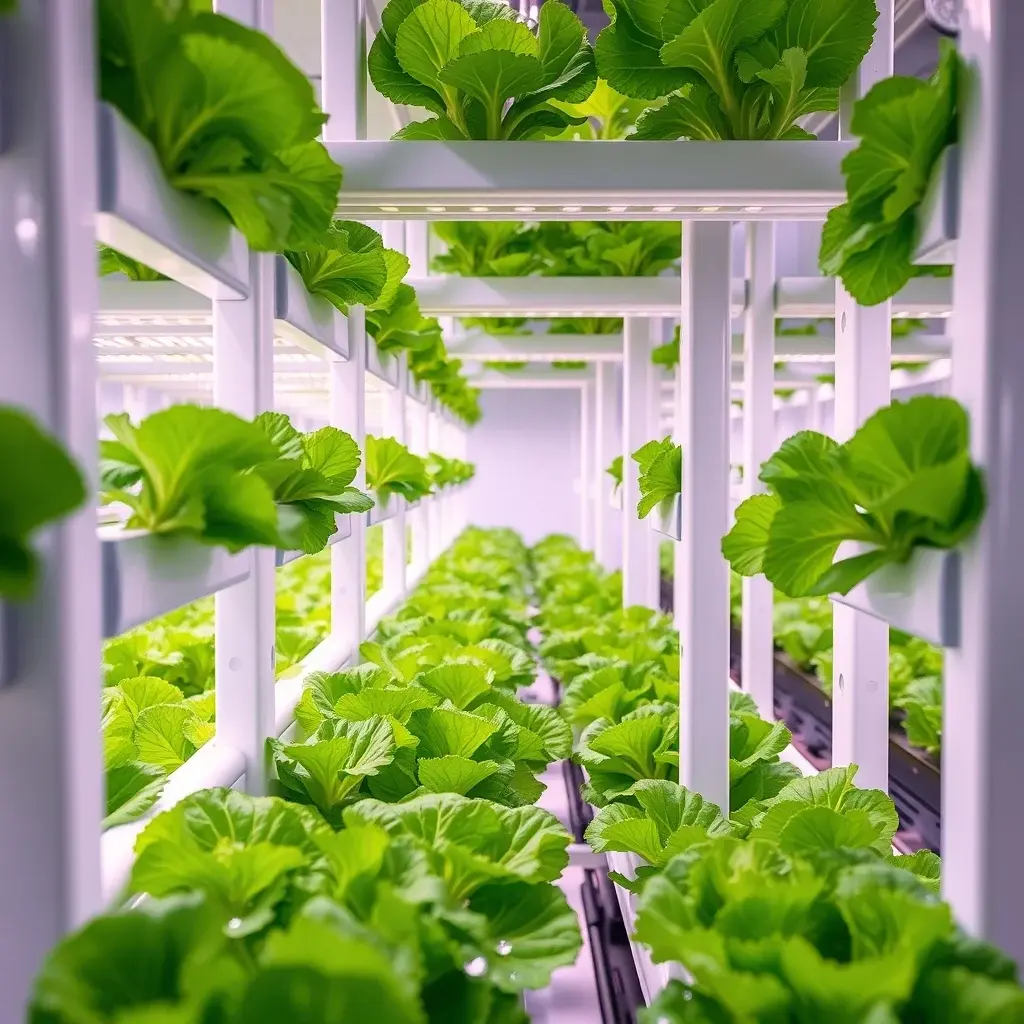
People use this method to grow fresh lettuce, tomatoes, and herbs right inside their kitchens or garages. You do not need a big backyard to get started. Many folks set up small kits on a kitchen counter or a spare shelf.
How Plant Roots Get Food
In traditional gardening, dirt acts as a sponge for water and minerals. In a soilless setup, water does that job. You mix specific minerals into tap water to create a liquid food blend. The plant roots sit right in this liquid.
Because the food goes straight to the roots, the plant grows much faster. It does not waste energy growing long roots to search for nutrients. You can read more about these setups in The Ultimate Guide to Hydroponics Gardening: Soilless Cultivation & Indoor Systems for a deeper look at the science.
Popular Types of Systems
There are a few different ways to build your garden. Some use pumps, while others rely on gravity. Here are the most common setups you can buy or build yourself:
- Deep Water Culture (DWC): Roots hang down into a bucket of water with an air pump keeping it oxygen-rich.
- Nutrient Film Technique (NFT): A small stream of water flows constantly over the roots in a sloped channel.
- Wick System: A simple rope pulls water from a tank up to the plant roots. No electricity needed.
- Ebb and Flow: Water floods the plant tray for a few minutes, then drains back out.
How to Start Your First Setup
If you want to try growing your own food, keep it simple. Do not buy an expensive commercial kit right away. You can make a basic setup using a plastic storage bin, an air pump, and some net cups.
- Find a clean plastic tub with a lid.
- Cut holes in the lid to hold your net cups.
- Fill the tub with water and mix in your plant food.
- Place your young seedlings into the net cups with clay pebbles.
- Turn on your air pump and let the plants grow.
Managing Water and Nutrients
Water quality matters a lot when you do not use dirt. You need to check the water pH often. Most plants like a slightly acidic level. If the water is too basic, the roots cannot drink the food.
You also need to change the water every couple of weeks. Old water loses its minerals and can grow algae. Keep a test kit on hand to check the nutrient strength.
Lighting for Indoor Gardens
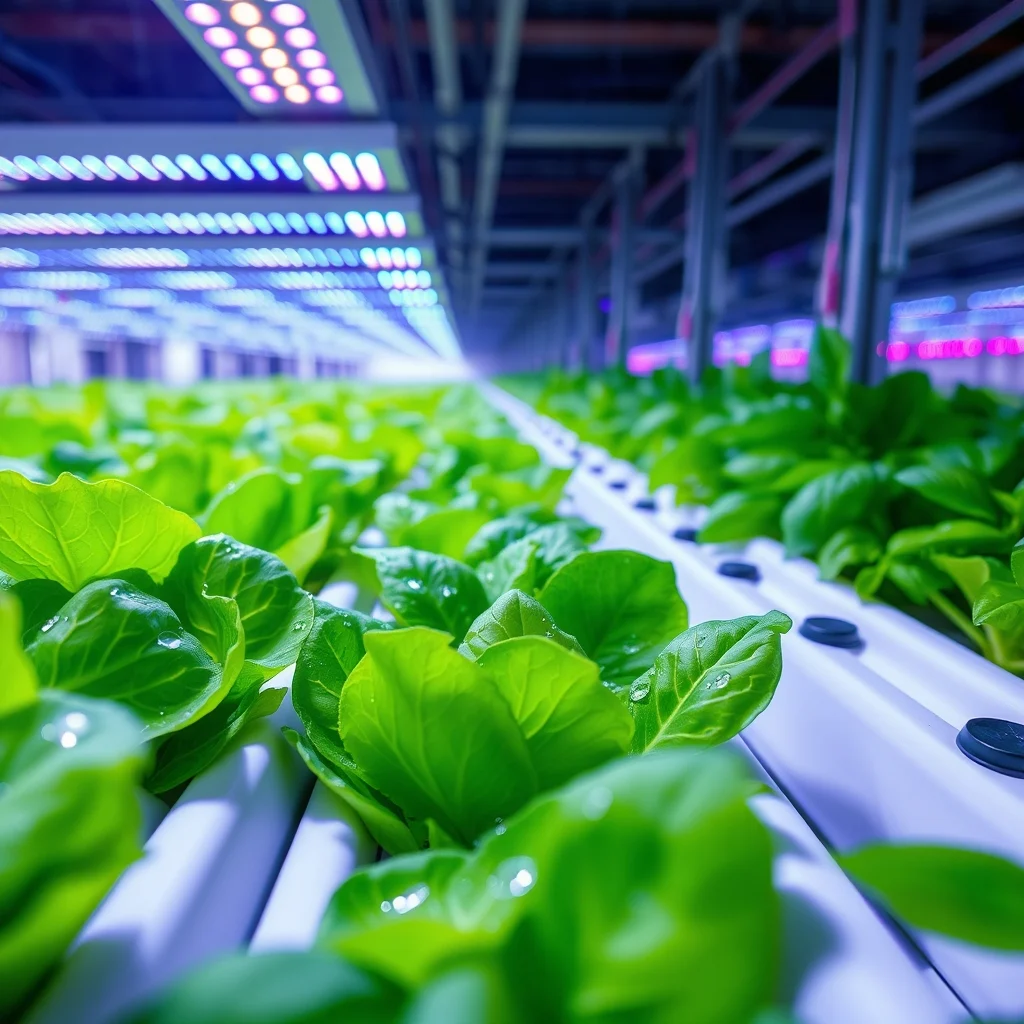
Plants need light to make food. If your indoor space does not get much sun, you will need artificial grow lights. LED lights are a popular choice because they do not get too hot and they save on electricity.
Most leafy greens need about twelve to sixteen hours of light each day. You can use a cheap plug-in timer to turn the lights on and off automatically.
Pros and Cons to Keep in Mind
Like any hobby, growing plants in water has good and bad points. Here is a quick comparison:
| Pros | Cons |
|---|---|
| Faster plant growth | Requires daily monitoring |
| No weeds or garden pests from dirt | Needs a steady source of electricity |
| Uses less water than outdoor farming | Initial setup cost can add up |
| Great for small spaces | Mistakes can kill plants quickly |
Common Mistakes to Avoid
Beginners often make a few simple errors. Watch out for these pitfalls so your plants stay healthy:
- Overfeeding: Adding too much plant food burns the roots. Start with half strength.
- Ignoring water temperature: Keep the water cool so it holds enough oxygen.
- Skipping cleaning: Dirty equipment breeds mold and bacteria.
Frequently Asked Questions
Can I use regular tap water?
Yes, most tap water is fine. Let it sit out for a day first so the chlorine can evaporate, or use a basic water filter.
Do I need to buy expensive gear?
No. You can build a basic setup using household items and a cheap aquarium pump.
How fast do plants grow compared to soil?
Many plants grow up to thirty percent faster because the roots have constant access to food and water.
Can I grow any plant this way?
Leafy greens, herbs, and strawberries do best. Large root vegetables like potatoes are much harder to grow in water.
What causes root rot?
Root rot happens when the water lacks oxygen or stays too warm. An air pump usually fixes this problem.
Do I need to check the pH every day?
Once your system is stable, checking it two or three times a week is usually enough.
Key Takeaways
- Growing plants without dirt is a clean and fast way to garden indoors.
- You need to monitor water levels, pH, and nutrients regularly.
- LED grow lights help plants thrive when natural sun is missing.
- Start with a simple setup before investing in large commercial kits. Visit earnstools.com for more DIY project ideas.
Conclusion
Starting with hydroponics is a fun project for any home gardener. You do not need a green thumb to grow fresh herbs in your kitchen. Just keep an eye on your water, provide good lighting, and enjoy your fresh harvest.
Suggested Internal Link Opportunities:
Suggested External Authority Sources:
- USDA Agricultural Research Service (usda.gov)
- University of Arizona Controlled Environment Agriculture Center (ceac.arizona.edu)
One thought on “Hydroponics at Home: Growing Plants Without Soil”