SEO Title: Hydroponics at Home: How to Grow Fresh Plants Without Dirt
SEO Slug: hydroponics-at-home-guide
Meta Description: Learn how hydroponics lets you grow fresh vegetables and herbs indoors without soil. Get step-by-step tips for setup, plant care, and system types.
Focus Keyword: Hydroponics
Secondary Keywords: indoor gardening, nutrient solution, grow lights, plant roots, soil-free growing
Estimated Reading Time: 7 minutes
Table of Contents
- What Is Hydroponics?
- Why Grow Plants Without Dirt?
- Main Types of Systems
- Essential Gear You Need
- Choosing the Right Plants
- Step-by-Step Setup Guide
- How to Mix Plant Food
- Expert Tips for Success
- Common Mistakes to Avoid
- Pros and Cons
- Frequently Asked Questions
- Conclusion
What Is Hydroponics?
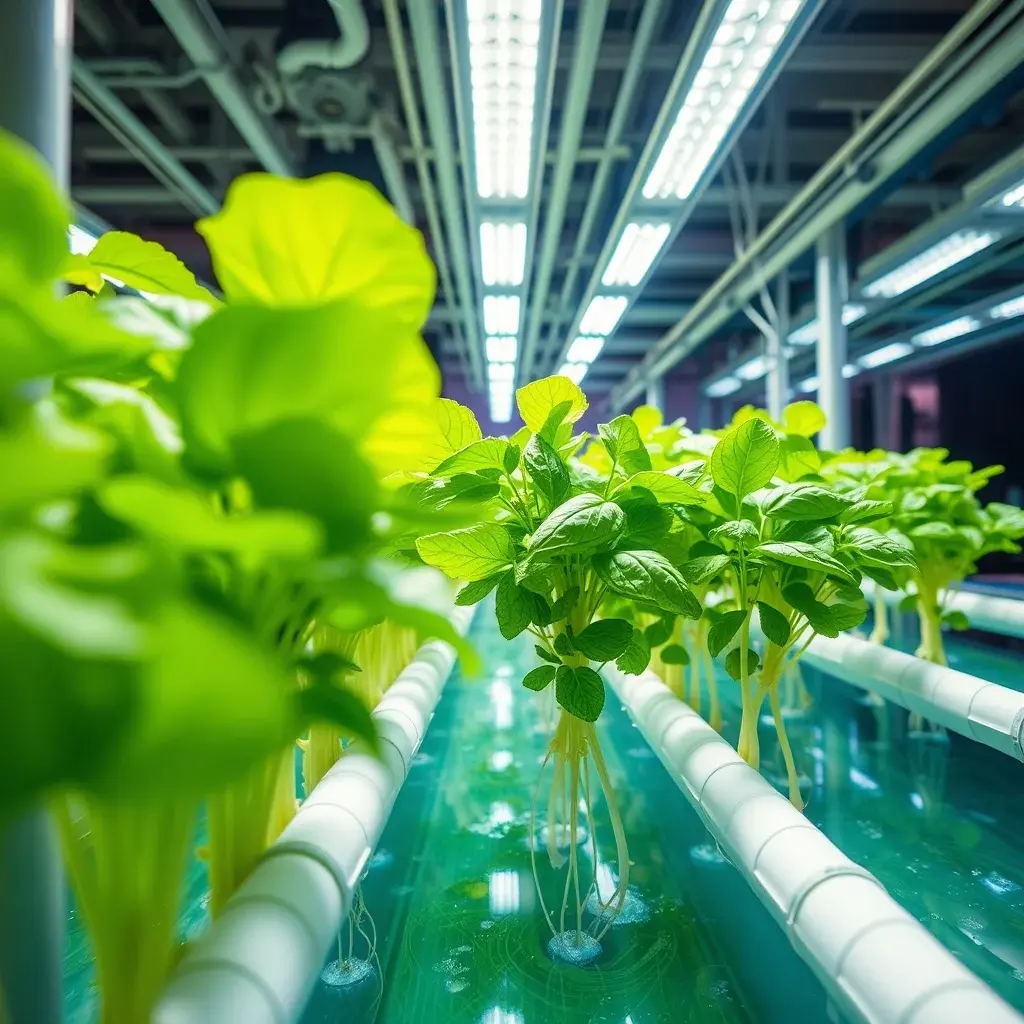
Hydroponics is a way to grow plants using water and mineral nutrients instead of soil. When you use dirt, roots must search far and wide for food and water. In a soil-free setup, plant roots sit directly in water that is full of the exact food the plant needs.
Because the roots get food instantly, plants put all their energy into growing leaves, flowers, and fruit. You can set up a small garden on your kitchen counter, in a spare room, or out in your garage.
Why Grow Plants Without Dirt?
Growing plants without dirt changes how you garden at home. You do not have to dig up heavy mud or pull annoying weeds every weekend. You also save a lot of water because the liquid stays in a closed loop instead of soaking deep into the ground.
Many home growers find that their crops grow much faster than traditional garden plants. You also avoid common bugs and diseases that live in outdoor dirt. For more ideas on simple indoor setups, check out Hydroponics Made Simple: How to Grow Plants Without Soil to see what fits your space.
Main Types of Systems
Different setups work best for different homes and budgets. Here are the most popular choices for beginners.
- Deep Water Culture (DWC): Roots hang down straight into a bucket of water with an air pump keeping it oxygenated.
- Nutrient Film Technique (NFT): A tiny stream of water flows constantly over the roots in a sloped channel.
- Wick System: A simple rope or wick pulls water up from a tank into the plant pot. No electricity needed.
Essential Gear You Need
You do not need fancy lab equipment to start your first garden. A few basic items will get you up and running.
- Water container or food-safe bucket
- Small water pump or air stone
- LED grow lights
- Special liquid plant food
- Net pots and clay pebbles
Choosing the Right Plants
Not every plant likes growing in water. Beginners should pick fast-growing crops that do not get too heavy.
- Leafy lettuce
- Fresh basil and mint
- Spinach and kale
- Juicy strawberries
Step-by-Step Setup Guide
Follow these steps to build your very first indoor garden box.
- Clean your water container with warm soapy water to remove dust.
- Set up your air pump at the bottom so it can bubble the water.
- Fill the container with clean tap water and let it sit for a day to get rid of chlorine.
- Mix in your special liquid nutrients based on the bottle instructions.
- Place your young seedlings into net pots filled with clay pebbles.
- Hang your LED lights about twelve inches above the plants.
How to Mix Plant Food
Getting your plant food right is the secret to a healthy garden. You will buy a two-part liquid mix from any garden store. Always add part A to the water first, stir it well, and then add part B. Use a cheap pH test kit to make sure the water is slightly acidic so the roots can drink easily.
Expert Tips for Success
Keep your water clean by changing it every two weeks. Algae loves light, so make sure your water tank is completely dark or covered with a lid. Check your water levels daily because plants drink a lot as they get bigger.
Common Mistakes to Avoid
Do not use regular garden soil fertilizer in your water tank because it will clog your pump and rot the roots. Avoid putting your garden in direct window sunlight if it gets too hot, as warm water holds less oxygen than cool water.
Pros and Cons
Every hobby has good and bad sides. Here is what to expect.
- Pros: Fast growth, no weeding, uses less water, great for small apartments.
- Cons: Requires electricity, startup costs, needs daily water checks.
Key Takeaways
- Hydroponics lets you grow plants using nutrient-rich water instead of soil.
- Deep Water Culture is the easiest system for beginners.
- Leafy greens and herbs grow the fastest indoors.
- Always use specialized liquid plant food rather than dirt fertilizer.
Frequently Asked Questions
Can I use tap water for my garden?
Yes, but let it sit in an open bucket for twenty-four hours first so the chlorine can evaporate.
Do I need a sunny window?
No, you can use affordable LED grow lights to give your plants all the light they need indoors.
How often should I change the water?
You should completely change the water and mix fresh plant food every two weeks.
Are these crops safe to eat?
Yes, plants grown this way are completely safe, clean, and often taste fresher than store-bought produce.
Why are my plant leaves turning yellow?
Yellow leaves usually mean your water has too much or too little plant food, or your pH level is off.
Can I grow large vegetables like corn?
Large crops take up too much space and weight, so stick to herbs, greens, and small fruits.
Conclusion
Starting with hydroponics is a fun way to enjoy fresh greens all year long, no matter where you live. With a simple bucket, some air bubbles, and the right nutrients, you can build a thriving indoor garden in just a weekend. Visit earnstools.com for more handy DIY guides to help you around the house.
Suggested Internal Link Opportunities:
Suggested External Authority Sources: