# Complete Outline
| Heading Level | Heading | Purpose |
| :— | :— | :— |
| H1 | The Ultimate Guide to Hydroponics for Home Growers | Main article title |
| H2 | What Is Hydroponics and How Does It Work? | Define the core concept clearly |
| H3 | The Science Behind Soil-Free Growing | Explain nutrient absorption simply |
| H2 | The Core Benefits of Growing Without Soil | Highlight advantages over traditional gardening |
| H3 | Faster Growth Rates and Higher Yields | Detail production speed |
| H3 | Water Conservation and Space Efficiency | Discuss resource savings |
| H2 | Six Main Types of Hydroponic Systems | Break down the core setups |
| H3 | Deep Water Culture (DWC) | Explain the beginner-friendly setup |
| H3 | Nutrient Film Technique (NFT) | Describe continuous flow systems |
| H3 | Ebb and Flow (Flood and Drain) | Explain timed watering cycles |
| H3 | Wick Systems | Cover passive feeding methods |
| H3 | Aeroponics | Discuss mist-based systems |
| H3 | Drip Systems | Explain top-feed setups |
| H2 | Essential Equipment You Need to Start | List required gear |
| H3 | Lighting, Pumps, and pH Kits | Detail technical requirements |
| H2 | Step-by-Step Guide to Setting Up Your First System | Provide actionable instructions |
| H2 | Best Plants for Beginners | Help readers choose initial crops |
| H2 | Pros and Cons of Soilless Gardening | Provide balanced perspective |
| H2 | Common Mistakes to Avoid | Prevent beginner errors |
| H2 | Expert Tips for Maximum Harvests | Share advanced advice |
| H2 | Frequently Asked Questions | Answer common user queries |
| H2 | Conclusion | Wrap up the main points |
# The Ultimate Guide to Hydroponics for Home Growers
SEO Title: The Ultimate Guide to Hydroponics for Home Growers
URL Slug: hydroponics-ultimate-guide
Meta Description: Learn how hydroponics lets you grow fresh vegetables and herbs at home without soil. Discover systems, setup steps, and pro tips for success.
Focus Keyword: Hydroponics
Secondary Keywords: soil-free growing, indoor gardening, nutrient solution, deep water culture, plant roots
Estimated Reading Time: 8 minutes
Table of Contents:
1. What Is Hydroponics and How Does It Work?
2. The Core Benefits of Growing Without Soil
3. Six Main Types of Hydroponic Systems
4. Essential Equipment You Need to Start
5. Step-by-Step Guide to Setting Up Your First System
6. Best Plants for Beginners
7. Pros and Cons of Soilless Gardening
8. Common Mistakes to Avoid
9. Expert Tips for Maximum Harvests
10. Frequently Asked Questions
What Is Hydroponics and How Does It Work?
Hydroponics is a method of growing plants using mineral nutrient solutions in water, without any soil. Instead of dirt, plant roots sit directly in water or grow inside an inert medium like perlite, coco coir, or clay pebbles.
In traditional gardening, roots search through dirt to find water and food. This process takes a lot of energy. With hydroponics, the food and water are delivered directly to the roots. The plant gets what it needs instantly, which lets it grow much faster.
The Science Behind Soil-Free Growing
Plants do not actually need soil to live. Soil is just a holder for water and nutrients. When you remove soil, you give the plant exact control over its diet. You mix specific minerals into water, creating a rich solution that feeds the plant precisely what it needs at each stage of life.
The Core Benefits of Growing Without Soil
Growing plants without dirt changes what you can achieve in your backyard or kitchen. Many home gardeners switch to this method because it solves common yard problems like pests and poor native dirt quality.
Faster Growth Rates and Higher Yields
Because roots do not waste energy digging through dirt, plants put all their strength into growing leaves, flowers, and fruit. Most crops grow up to thirty percent faster in a hydroponics setup compared to traditional garden beds. You also get bigger harvests from a smaller footprint.
Water Conservation and Space Efficiency
Water usage is a huge advantage here. Traditional garden watering wastes a lot of liquid as it sinks past the roots or evaporates. A closed-loop hydroponics system recycles water, using up to ninety percent less moisture than standard farming.
| Growing Method | Water Usage | Growth Speed | Pest Risk |
|---|---|---|---|
| Traditional Soil | High | Standard | High |
| Hydroponics | Low | Fast | Low |
Six Main Types of Hydroponic Systems
There are several ways to set up a growing area. Each method uses water and nutrients differently, giving you options based on your space and budget.
Deep Water Culture (DWC)
DWC is the simplest method for beginners. Plant roots hang down directly into a tub filled with nutrient-rich water. An air pump keeps the water oxygenated so the roots do not drown.
Nutrient Film Technique (NFT)
In an NFT setup, a constant stream of nutrient liquid flows in a thin sheet over the roots. A small water pump keeps the stream moving continuously through angled channels.
Ebb and Flow (Flood and Drain)
This system floods the root zone with nutrient water on a timer, then lets the liquid drain back into a reservoir. It gives the roots a healthy mix of water and air.
Wick Systems
Wick setups are passive, meaning they do not use pumps or electricity. Nylon wicks draw water up from a reservoir into the growing medium through capillary action.
Aeroponics
Aeroponic setups hang plant roots in the air. A timer sprays a fine mist of water and nutrients onto the roots at regular intervals.
Drip Systems
A drip system uses a small pump and tubes to drip nutrient water slowly onto the base of each individual plant.
Essential Equipment You Need to Start
To build a working setup, you need a few core pieces of hardware. You can buy a kit or build your own using simple household items.
Lighting, Pumps, and pH Kits
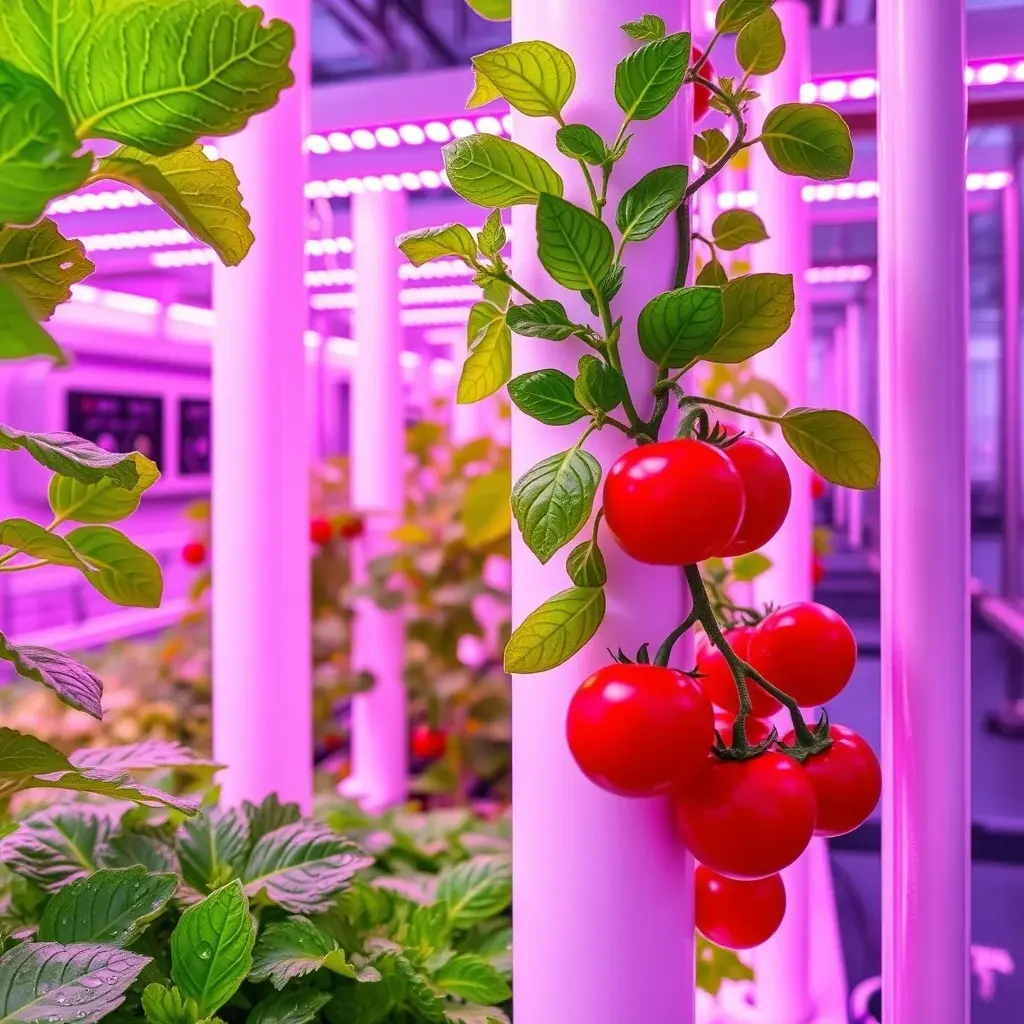
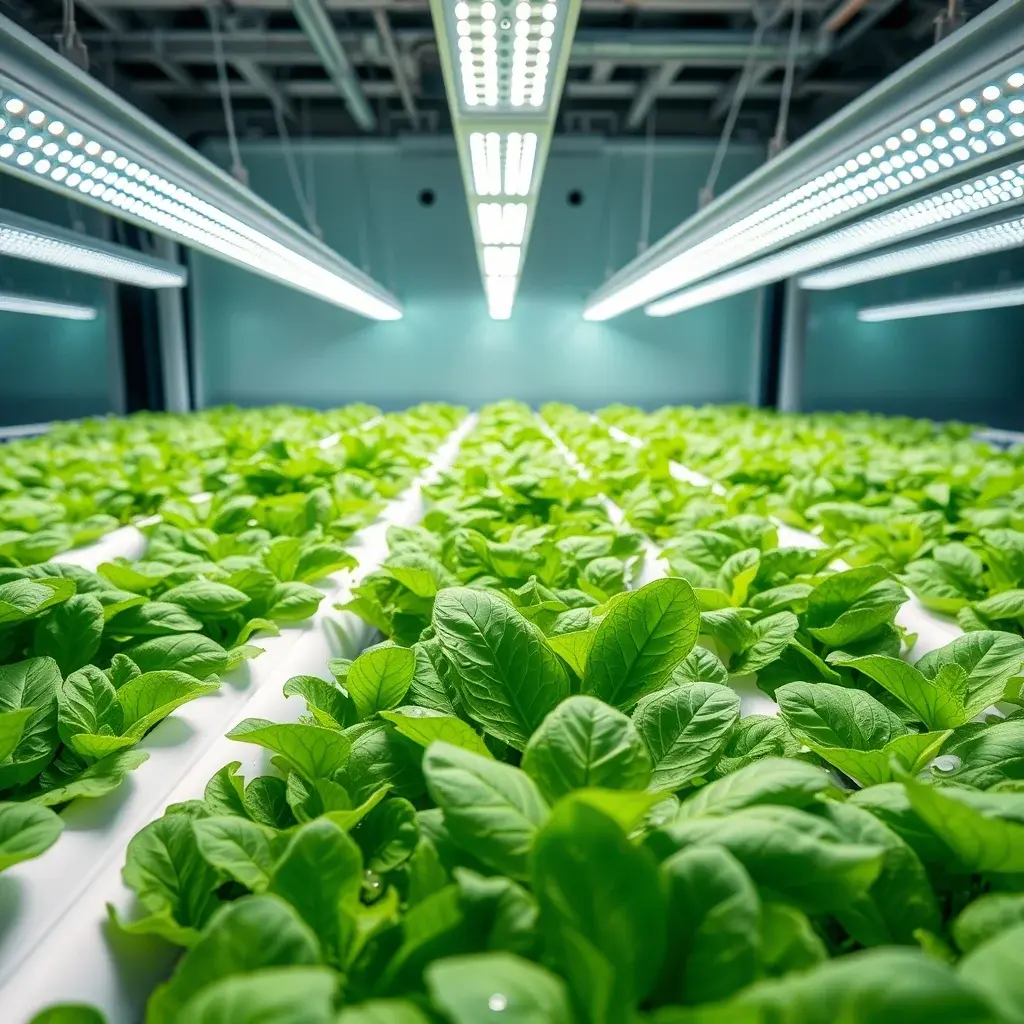
If you grow indoors, you need strong LED grow lights to replace sunlight. You also need a water pump, an air stone, and a test kit to check the pH levels of your water.
- Water reservoir
- Grow lights
- Air pump and air stones
- Submersible water pump
- Net pots and growing medium
- pH testing kit
Step-by-Step Guide to Setting Up Your First System
Setting up your first DWC system is straightforward. Follow these steps to get your garden running smoothly.
- Clean and sterilize your plastic storage tote to remove dust and bacteria.
- Drill holes in the lid that match the size of your net pots.
- Place your air stone at the bottom of the tote and connect it to the air pump outside.
- Fill the tote with water and mix in your nutrient solution according to package directions.
- Place young seedlings into net pots filled with clay pebbles.
- Insert the net pots into the lid holes so the bottoms touch the water.
- Turn on your lights and air pump, then monitor daily.
Best Plants for Beginners
Some plants adapt to water growing much better than others. Start with easy crops before trying heavy fruit producers like tomatoes.
- Lettuce
- Spinach
- Basil
- Mint
- Kale
Pros and Cons of Soilless Gardening
Every gardening style has trade-offs. Knowing the drawbacks helps you prepare for challenges.
| Pros | Cons |
|---|---|
| No weeding required | Initial setup cost |
| Faster plant growth | Requires constant monitoring |
| Uses less water | Dependent on electricity |
| Fewer soil pests | Water diseases spread fast |
Common Mistakes to Avoid
New growers often make a few avoidable errors. Watch out for these pitfalls during your first few months.
Ignoring water temperature is a frequent mistake. If the water gets too warm, it loses oxygen, and plant roots will rot. Always keep your water cool and check your pH levels daily. If your pH drifts too high or too low, plants cannot absorb nutrients, even if the water is full of food.
Expert Tips for Maximum Harvests
Take your setup to the next level with these expert growing strategies.
Keep your reservoir dark to prevent algae growth. Algae loves light and nutrients, and it will steal food from your plants. Clean your system between every single harvest to keep bacteria away. For more tips on building a productive indoor setup, check out Hydroponics Made Simple: Grow Big Plants Without Soil.
Frequently Asked Questions
Do I need natural sunlight for my plants?
No. Many indoor growers use full-spectrum LED grow lights instead of natural sunlight with great results.
How often should I change the water?
You should completely change the water and nutrient solution every two to three weeks to keep mineral levels balanced.
Is this growing method expensive?
It can be as cheap as a simple DIY storage tote setup or as expensive as a high-tech automated commercial room.
Can I use tap water?
Yes, but you should let it sit out for twenty-four hours so the chlorine evaporates before mixing in nutrients.
What is the best pH level for most plants?
Most plants prefer a slightly acidic pH level between 5.5 and 6.5.
Do plants grow faster in water or dirt?
Plants grow faster in water because nutrients are immediately available to the roots without any searching required.
Conclusion
Starting with hydroponics opens up a world of fresh food production right inside your home. By controlling water, nutrients, and light, you can grow massive harvests of herbs and vegetables in a small space. Take it step by step, keep your water clean, and enjoy watching your plants thrive.
Key Takeaways
- Hydroponics eliminates dirt and feeds plant roots directly with nutrient-rich water.
- Systems use up to ninety percent less water than traditional garden beds.
- Deep Water Culture is the best starting point for new home growers.
- Monitoring water temperature and pH levels is essential for success.
- Leafy greens and herbs grow the fastest for beginners.
Suggested Internal Link Opportunities
Suggested External Authority Sources
- USDA Agricultural Research Service (ars.usda.gov)
- University of Arizona Controlled Environment Agriculture Center (ceac.arizona.edu)