SEO Title: Hydroponics 101: How to Grow Plants Without Soil
SEO Slug: hydroponics-101-grow-plants-without-soil
Meta Description: Learn how hydroponics lets you grow fresh food indoors without dirt. Discover simple setups, nutrients, and tips for beginners.
Focus Keyword: Hydroponics
Secondary Keywords: indoor gardening, plant nutrients, soilless growing, grow lights
Estimated Reading Time: 8 minutes
Table of Contents
- What is Hydroponics?
- Why Grow Plants Without Soil?
- The Main Types of Systems
- Essential Equipment You Need
- Choosing the Right Plant Nutrients
- Common Mistakes Beginners Make
- Frequently Asked Questions
What is Hydroponics?
Hydroponics is a way to grow plants using water instead of dirt. When you use traditional soil, plants spend a lot of energy growing long roots just to find food and water. In a soilless system, water mixed with rich minerals goes straight to the roots.
You can set up a small garden on your kitchen counter or a bigger system in your garage. People love this method because it works well in small spaces. If you want to learn more about basic setups, check out Hydroponics Made Simple: How to Grow Plants Without Soil for easy tips.
Why Grow Plants Without Soil?
Growing plants without dirt gives you some big perks. First, your plants usually grow faster. Second, you do not have to deal with messy bags of dirt or weeding your garden beds.
| Feature | Traditional Soil Gardening | Hydroponics |
|---|---|---|
| Growth Speed | Slower | Faster |
| Water Usage | Higher (much wastes in dirt) | Lower (recycles water) |
| Pests | Common (bugs live in soil) | Rare (no dirt for bugs) |
The Main Types of Systems
There are a few different ways to build your setup. Each style has its own pros and cons depending on your budget and space.
Deep Water Culture
This is the easiest system for beginners. Your plants sit in net pots, and their roots hang down directly into nutrient-rich water. An aquarium air pump keeps the water bubbling with oxygen so the roots do not drown.
Nutrient Film Technique
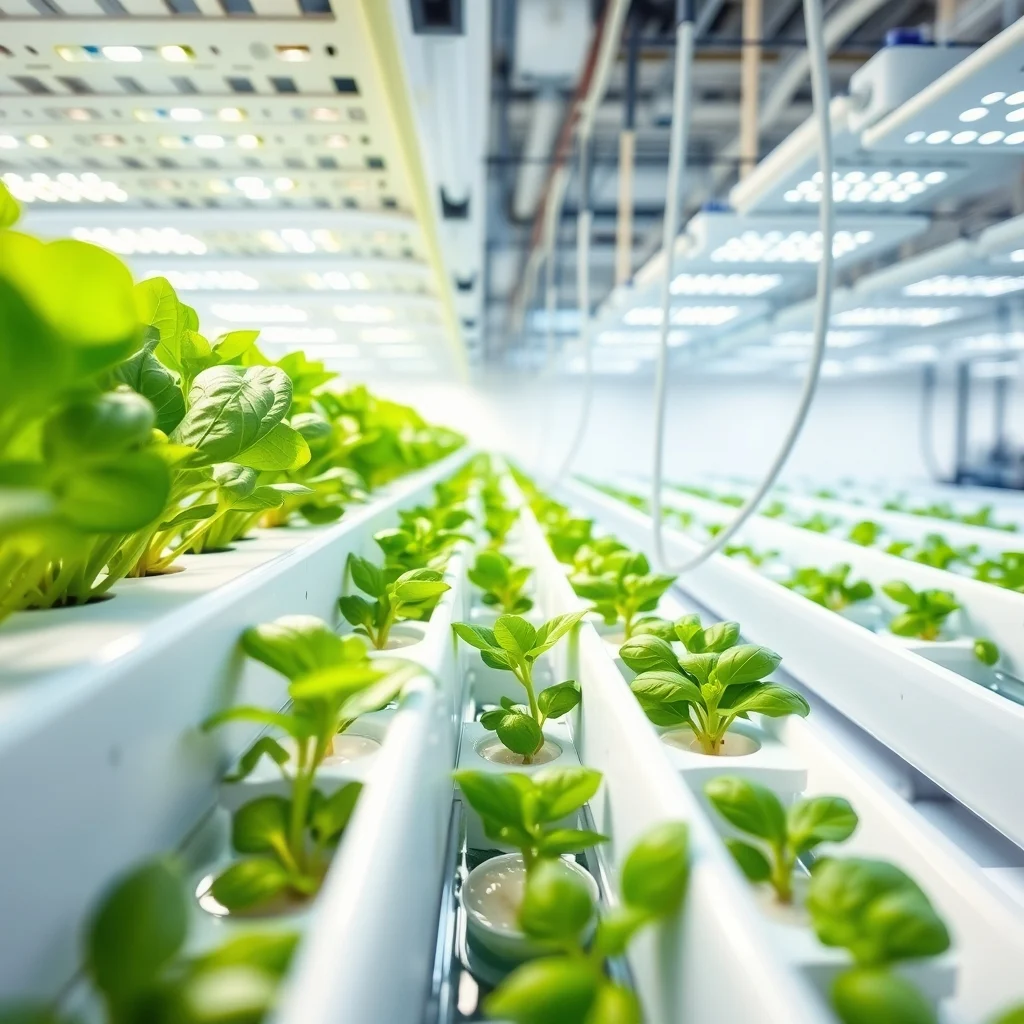
In this setup, a small stream of water constantly flows over the roots in a sloped channel. It uses very little water, but you need a reliable electricity source to keep the pump running.
Essential Equipment You Need
You do not need fancy gear to start. A basic kit includes:
- A water reservoir container
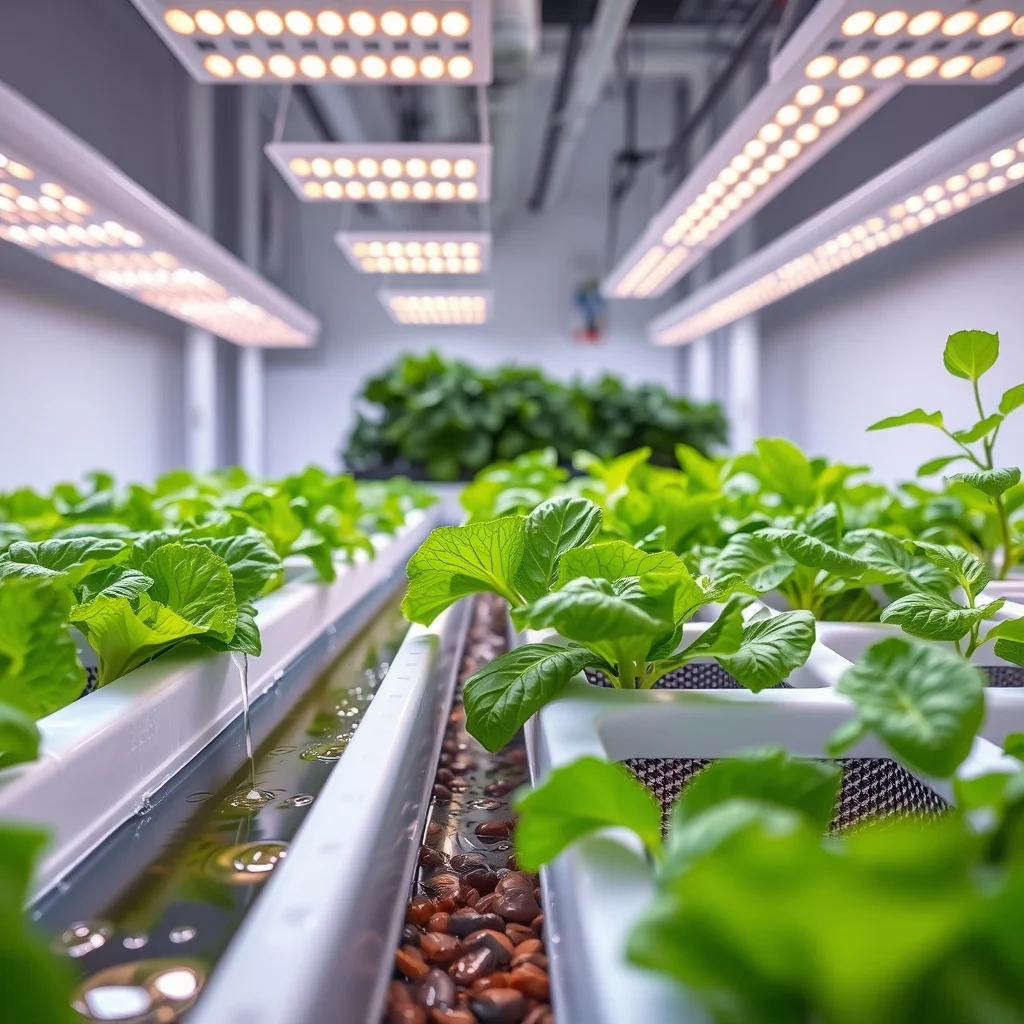
- Net pots and growing medium like clay pebbles
- An air pump and air stones
- LED grow lights if you are indoors
Choosing the Right Plant Nutrients
Dirt naturally holds minerals that plants need. Because you are skipping the dirt, you have to add these minerals to the water yourself. You can buy liquid plant food mixes at any garden store. Always follow the label directions carefully so you do not burn your plant roots.
Common Mistakes Beginners Make
New growers often make a few simple errors. Watch out for these common traps:
- Using too much plant food
- Forgetting to check water pH levels
- Not giving plants enough light
Key Takeaways
- Hydroponics lets you grow plants in water instead of dirt.
- Plants often grow faster because nutrients go right to the roots.
- Deep water culture is the best choice for beginners.
- Keep an eye on water quality and lighting.
Frequently Asked Questions
Can I grow any plant with hydroponics?
Most leafy greens, herbs, and strawberries do great. Large root vegetables like potatoes are much harder to grow this way.
Do I need sunlight inside my house?
No, you can use affordable LED grow lights to give your plants all the light they need.
How often should I change the water?
You should completely change the water and add fresh nutrients every two to three weeks.
Is it expensive to start?
You can build a simple DIY setup using household items for very little money, or buy a pre-made kit.
Will my plants taste different?
Plants grown this way taste fresh and crisp, just like traditional garden produce.
Do I need to check the water pH?
Yes, keeping the pH at the right level helps roots absorb food properly.
Conclusion
Starting with hydroponics is a fun and rewarding project. You do not need a big backyard to grow fresh food for your family. Pick a simple system, grab some basic supplies, and enjoy watching your indoor garden thrive.
Suggested Internal Link Opportunities: earnstools.com
Suggested External Authority Sources: USDA.gov, Extension.org