SEO Title: Hydroponics: Simple Ways to Grow Plants Without Soil
SEO Slug: hydroponics-simple-ways-to-grow-plants-without-soil
Meta Description: Learn how to start your own hydroponics garden. Grow fresh herbs and vegetables at home without using soil with these easy, proven methods.
Focus Keyword: Hydroponics
Secondary Keywords: indoor gardening, grow systems, plant nutrients, soilless farming, home gardening
Estimated Reading Time: 12 minutes
Table of Contents
- What is Hydroponics?
- Why Choose Hydroponics Over Soil?
- Essential Components for Your System
- Popular Hydroponic Systems for Beginners
- Choosing the Right Plants
- Understanding Plant Nutrients
- Managing Water Quality
- Lighting Needs for Indoor Growth
- Common Mistakes to Avoid
- Maintaining Your Garden
- Troubleshooting Issues
- Pros and Cons of Hydroponics
- Tips for Success
- Getting Started Today
- Conclusion
What is Hydroponics?
Hydroponics is a way to grow plants using water instead of dirt. In a traditional garden, roots search through soil for nutrients. In this setup, you feed the plant directly through the water.
You can find more information in our Ultimate Guide to Hydroponics: How Soilless Gardening Transforms Indoor Growing. It explains how this method works in simple terms for beginners.
Why Choose Hydroponics Over Soil?
Many people switch to this method because it uses less water than ground gardening. Since you recycle the water in the system, you save a lot compared to a standard hose and sprinkler setup.
Plants also grow faster because they do not have to work hard to find food. Everything they need is right there in the water. You also have fewer problems with pests that live in the dirt.
Essential Components for Your System
To start, you need a few key pieces of gear. You will need a container to hold the water and a way to hold the plants in place.
- A water reservoir.
- Grow trays or net pots.
- An air pump to keep oxygen in the water.
- Grow lights if you are indoors.
- A nutrient mix designed for plants.
Popular Hydroponic Systems for Beginners
Not all systems are the same. Some are better for new gardeners than others. Here are three common types of grow systems.
| System Type | Best For | Complexity |
|---|---|---|
| Kratky Method | Beginners | Very Low |
| Deep Water Culture | Herbs/Lettuce | Low |
| Drip System | Larger Plants | Medium |
Choosing the Right Plants
If you are just starting, pick plants that grow fast. Leafy greens are the easiest to manage. Herbs like basil and cilantro also thrive in these setups.
Avoid large root vegetables like potatoes or carrots for your first attempt. They need more space and have different needs that are harder to track.
Understanding Plant Nutrients
Since your plants do not have dirt, you must add minerals to the water. This is called a nutrient solution. You can buy these at any garden store.
Always follow the instructions on the bottle. Using too much can hurt your plants. Checking the strength of the water with a simple tool keeps your plants happy.
Managing Water Quality
The water quality makes or breaks your garden. You need to keep the pH level balanced. Most plants prefer water that is slightly acidic.
You can buy a cheap pH testing kit at earnstools.com to keep things in check. If the pH is too high or low, your plants cannot eat the food you provide.
Lighting Needs for Indoor Growth
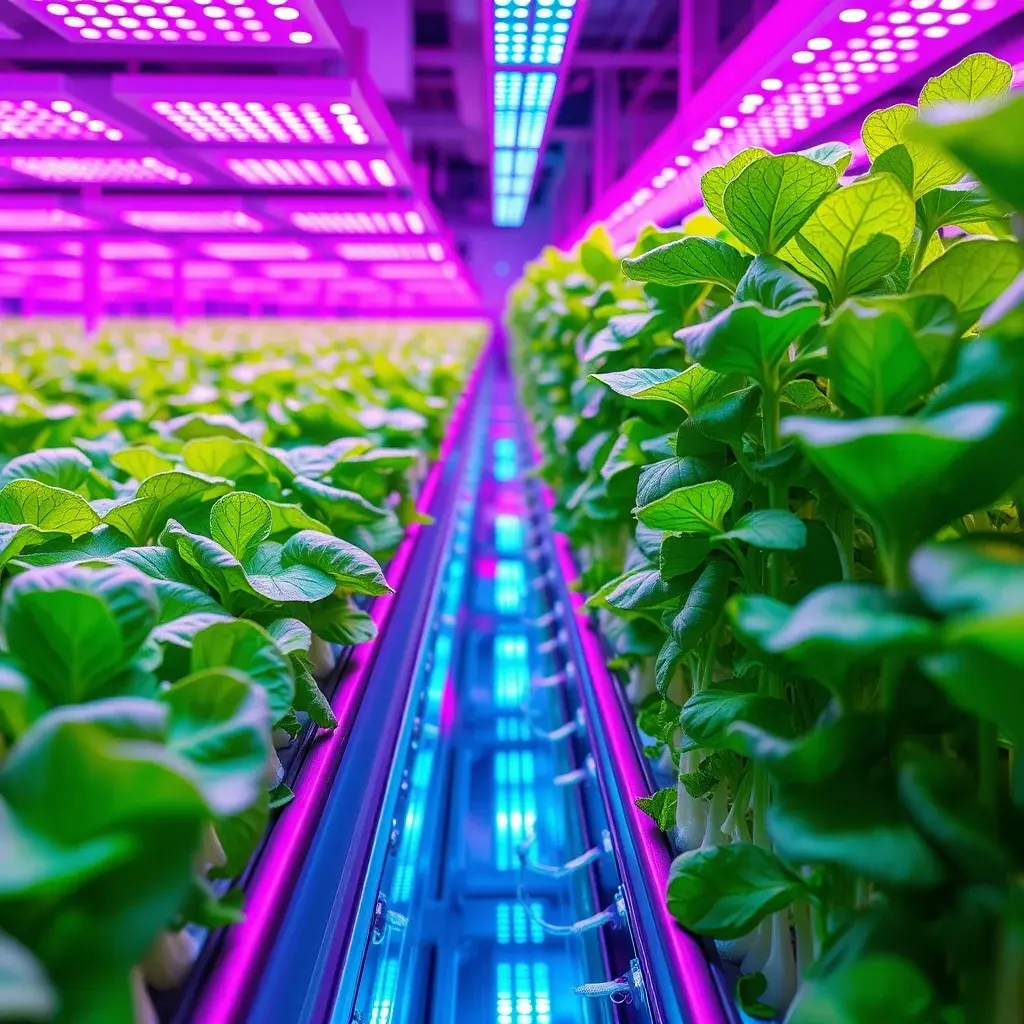
Plants need light to make energy. If you are growing indoors, a sunny window might not be enough. Most people use LED lights to get the best results.
Keep your lights on for about 12 to 16 hours a day. This gives the plants enough time to grow strong and healthy.
Common Mistakes to Avoid
Many new gardeners use too much light or too much food. Start slow and watch how your plants respond. Another big mistake is not cleaning the reservoir regularly.
Change your water every few weeks to prevent salt buildup. Clean the equipment to stop algae from growing. A clean system is a healthy system.
Maintaining Your Garden
Spend five minutes every day checking your plants. Look for yellow leaves or spots. These are often signs that your water needs an adjustment.
Check your water levels daily. As plants drink, the level drops. Add water and a little bit of nutrients as needed to keep the reservoir full.
Troubleshooting Issues
If your plants look wilted, check the air pump first. The roots need air to breathe. If the pump stopped, the plants will struggle fast.
If you see brown roots, that means they are rotting. This happens when the water is too warm or not getting enough oxygen. Fix the air supply and cool down the area.
Pros and Cons of Hydroponics
| Pros | Cons |
|---|---|
| Faster growth cycles | Higher setup cost |
| Less water usage | Requires constant monitoring |
| No weeding needed | Dependent on electricity |
Tips for Success
Start small with a single container. Do not buy a huge, expensive setup until you learn the basics. Talk to other local gardeners to see what works in your area.
Keep a journal of what you do. Write down when you add nutrients and what the pH level is. This helps you learn from your mistakes over time.
Getting Started Today
You can build your first system for very little money. A simple plastic bin and some net pots will do the job. Buy your supplies and get your seeds ready.
Once you see your first leaf grow, you will see why so many people love this way of gardening. It is fun and very rewarding to eat what you grew yourself.
Conclusion
Hydroponics is a great way to grow fresh food in your home all year long. By using water and nutrients, you control exactly what your plants receive. Start with a small, simple system and enjoy the results of your hard work. You can do this with just a little patience and a few basic supplies.
Key Takeaways
- Hydroponics uses water and nutrients instead of soil.
- Leafy greens and herbs are the best choices for beginners.
- Always keep your water pH in the correct range for your plants.
- A clean system prevents most common plant problems.
Frequently Asked Questions
1. Is hydroponics expensive? It can be cheap if you build your own system, but professional kits cost more.
2. Can I grow plants in a basement? Yes, as long as you have good grow lights.
3. How often should I change the water? Change it every 2 to 3 weeks to keep it fresh.
4. Do I need special water? Tap water works fine in most places. Let it sit out overnight to remove chlorine.
5. Will my plants taste different? Many people find that hydroponic produce tastes fresher and better.
6. Can I use regular fertilizer? No, you need fertilizer specifically made for these systems.
Suggested Internal Link Opportunities: Check out more gardening tutorials on our home page at earnstools.com.
Suggested External Authority Sources: USDA Agricultural Research Service (ars.usda.gov), University of Arizona Controlled Environment Agriculture Center.