SEO Title: Hydroponics: Grow Fresh Food Anywhere Without Using Soil
SEO Slug: hydroponics-grow-fresh-food-without-soil
Meta Description: Discover how to grow your own fresh herbs and vegetables using hydroponics. This simple method lets you farm without soil in any space you have.
Focus Keyword: Hydroponics
Secondary Keywords: indoor gardening, nutrient solution, plant growth, water-based farming, hydroponic systems
Estimated Reading Time: 12 minutes
Table of Contents
- What Is Hydroponics?
- Why Choose Hydroponics Over Soil Gardening?
- The Main Parts of a Hydroponic System
- Choosing the Right System for Your Home
- Understanding Your Nutrient Solution
- Managing Water Quality and pH Levels
- Common Mistakes Beginners Make
- Best Plants for New Hydroponic Growers
- Setting Up Your First System
- Maintenance Tips for Success
- Is Hydroponics Expensive to Start?
- Lighting Requirements for Indoor Growth
- Dealing With Pests and Disease
- The Future of Home Farming
- Final Thoughts on Hydroponic Gardening
What Is Hydroponics?
Hydroponics is a way of growing plants by using water instead of soil. You give the plant roots exactly what they need through a liquid nutrient mix. Many people enjoy this method because it works well in small apartments or houses without a backyard.
When you remove the soil, you gain more control over the plant. You can grow faster and often get bigger harvests. You can check out our Complete Guide to Hydroponics for Beginners to see how this fits into your lifestyle at earnstools.com.
Why Choose Hydroponics Over Soil Gardening?
Soil gardening can be messy and hard on your back. With water-based farming, you do not need to pull weeds or worry about soil-borne bugs. The plants get nutrients directly to their roots, which helps them focus energy on growing leaves and fruit.
Benefits of hydroponics include:
- Less water usage than traditional farming.
- No need for weeding or tilling.
- Faster growth cycles for most crops.
- Fresh produce available all year long.
| Feature | Soil Gardening | Hydroponics |
| Water Usage | High | Low |
| Growth Speed | Moderate | Fast |
| Space Needed | Large | Small |
| Maintenance | High | Low to Moderate |
The Main Parts of a Hydroponic System
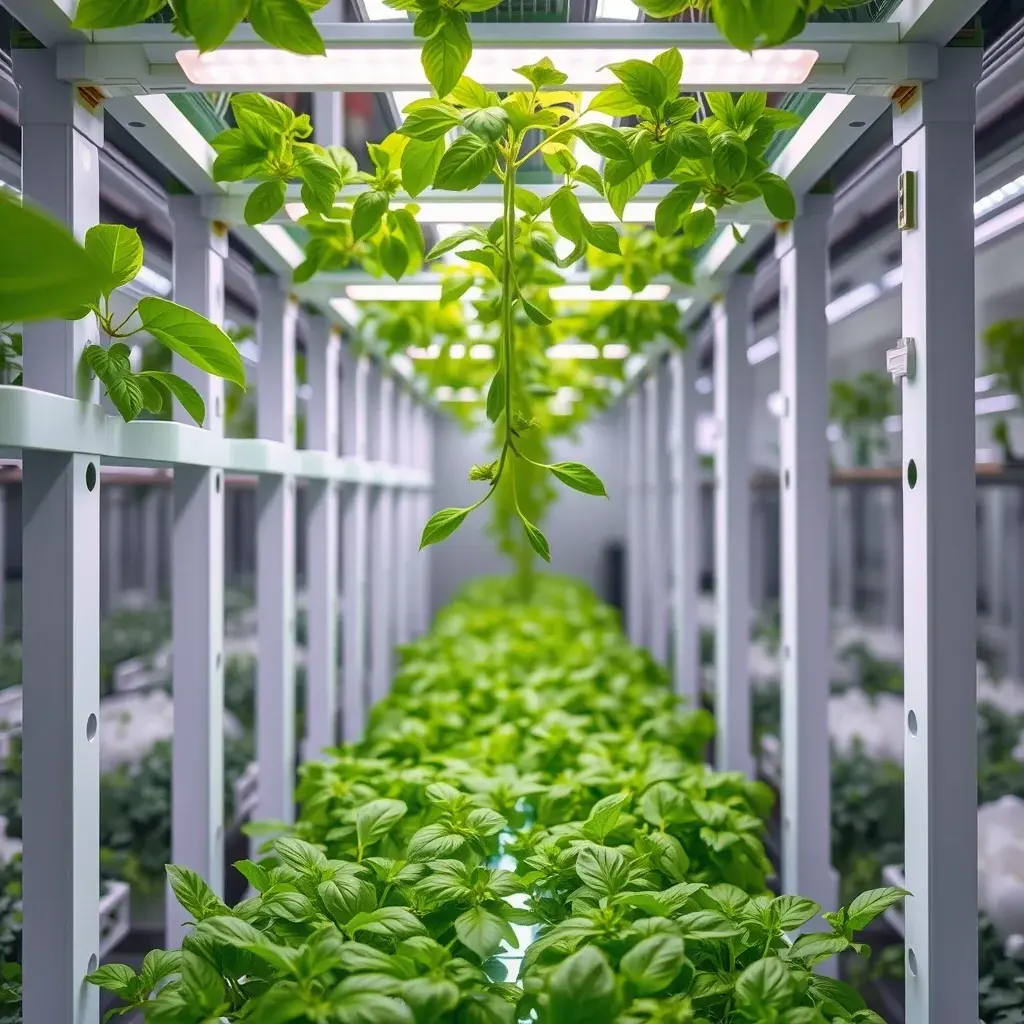
Every system needs a few core pieces to run. You need a tank for your water, a way to move the water, and something to hold the plants in place. Most people use clay pebbles or rockwool as a base so the plants stay upright.
You also need a pump to keep the water moving. Moving water adds oxygen, which keeps the roots healthy. Without oxygen, roots can rot and kill your plants quickly.
Choosing the Right System for Your Home
There are several types of setups to choose from. A Deep Water Culture system is the easiest for beginners. You simply sit the plants in a lid over a bucket of water and let the roots hang down.
Common systems include:
- Wick systems for simple herbs.
- Nutrient Film Technique for larger crops.
- Ebb and Flow for reliable watering.
- Drip systems for controlled feeding.
Understanding Your Nutrient Solution
Plants get minerals from soil in nature. In your garden, you must add those minerals to your water. You can buy liquid nutrients that are made for hydroponic plants. Follow the instructions on the bottle carefully to avoid burning your plants.
Always check the strength of your solution. Too much food hurts the plant just as much as too little. Start with a lighter mix if you are unsure.
Managing Water Quality and pH Levels
Your water needs to be at the right acidity level. This is called the pH level. If the pH is too high or too low, the plant cannot eat the food you provide. Most plants like a slightly acidic level.
Buy a cheap digital pH pen to test your water once a week. You can buy simple “up” or “down” solutions at any garden store to adjust the balance.
| Measurement | Range for Most Plants |
| pH Level | 5.5 to 6.5 |
| Temperature | 65 to 75 Degrees F |
| Water Changes | Every 2 Weeks |
Common Mistakes Beginners Make
Many new growers put too many plants in one small container. Give them room to grow so the roots do not get tangled. Another mistake is ignoring the light. Plants need a lot of bright light to grow strong.
Do not let your reservoir run dry. If the pump stops working, the roots will dry out in a few hours. Check your water level every single day.
Best Plants for New Hydroponic Growers
Start with easy crops to build your confidence. Leafy greens like lettuce and spinach are perfect. They grow fast and do not need complex feeding schedules.
Good beginner choices:
- Basil
- Lettuce
- Mint
- Kale
Setting Up Your First System
Find a spot with a power outlet. Clean your container well before you fill it. Mix your nutrients in a separate jug before pouring them into the main tank.
Place your seedlings into net pots with your medium. Ensure the bottom of the pot touches the water. Keep the light close to the plant tops but not close enough to burn the leaves.
Maintenance Tips for Success
Clean your reservoir every time you change the water. Algae is your biggest enemy. If you see green slime, your light is hitting the water. Cover your tank so it stays dark inside.
Trim any dead or brown roots as soon as you spot them. Keeping a clean system prevents most diseases before they start.
Is Hydroponics Expensive to Start?
You can start for very little money. A bucket, a small air pump, and a bag of clay pebbles cost very little. You do not need the expensive kits you see online to get started.
As you get better, you can upgrade your lights or add automated timers. Keep it simple at first to save your budget.
| Item | Estimated Cost |
| Bucket/Container | Low |
| Air Pump/Stone | Low |
| Nutrient Mix | Moderate |
| LED Grow Light | Moderate to High |
Lighting Requirements for Indoor Growth
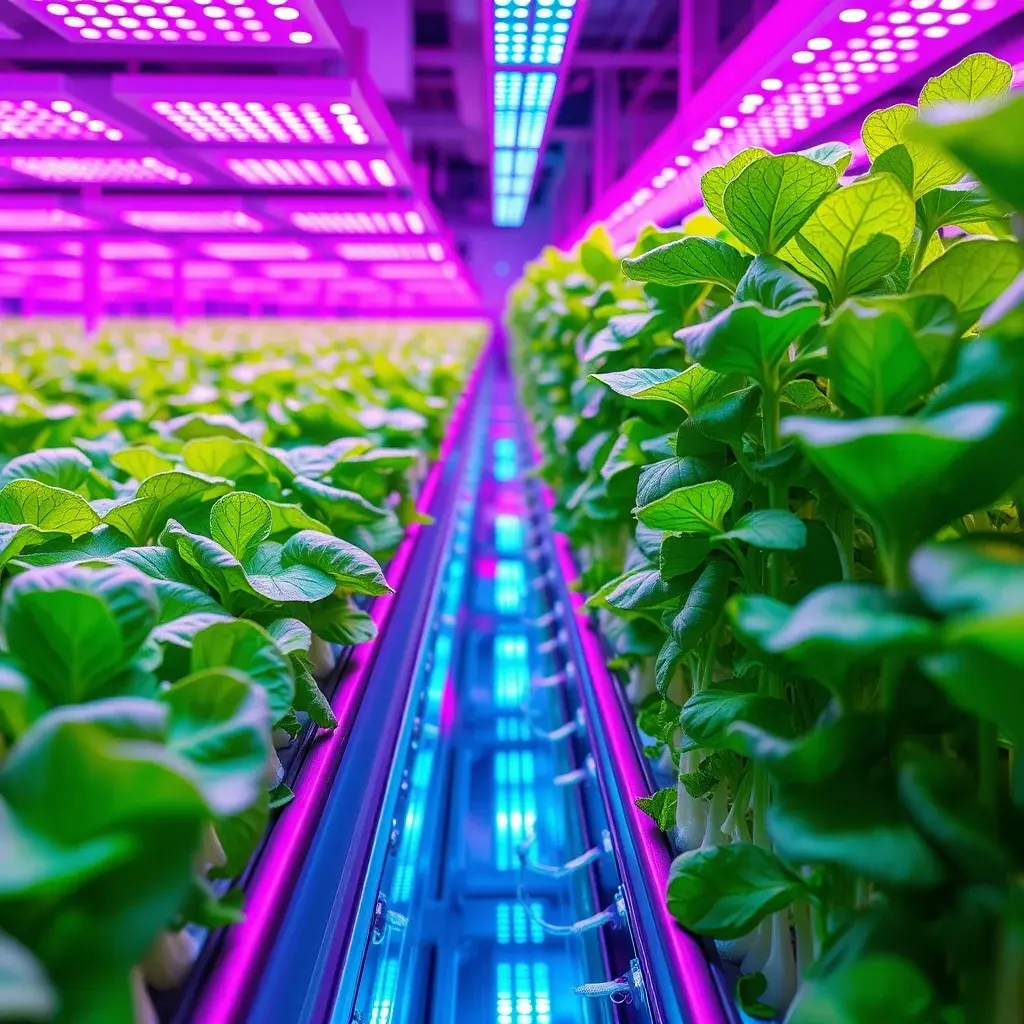
Sunlight through a window is rarely enough. Use full-spectrum LED lights to make sure your plants stay green and thick. Aim for 12 to 16 hours of light per day.
Use a timer so you do not have to turn them on and off. Plants like a routine just as much as we do.
Dealing With Pests and Disease
Even indoors, bugs happen. Check under the leaves for tiny webs or white spots. If you see bugs, wipe the leaves with a damp cloth or use an organic soap spray.
Keep your area clean. Do not bring dirty plants from outside into your indoor garden. This is how most people get bugs in their hydroponic room.
The Future of Home Farming
More people are using this method to reduce their grocery bills. By growing your own food, you know exactly what goes into it. It is a great hobby that pays for itself over time.
Final Thoughts on Hydroponic Gardening
Hydroponics is a fun way to bring nature inside. It is not magic, but it feels like it when you see a plant double in size over a weekend. Start small, learn as you go, and enjoy your harvest.
Key Takeaways
- Water with nutrients replaces soil entirely.
- Always keep your water oxygenated and clean.
- Monitor your pH level every single week.
- Start with simple greens like lettuce or basil.
- Keep light and temperature steady for best results.
Frequently Asked Questions
Can I grow anything in hydroponics?
Yes, almost any plant can grow this way, but some are much harder than others. Stick to leafy greens and herbs until you feel confident.
Do I need electricity?
Yes, most systems need a small pump for oxygen. A few passive systems exist, but they are less productive.
Does it taste different?
Many people think it tastes fresher because the plants are harvested right when you are ready to eat them.
How often do I change the water?
Change it every two weeks to keep the nutrient balance correct and prevent salt buildup.
Is this organic?
It depends on the nutrients you use. You can buy organic-certified liquid nutrients if that is a goal for you.
Can I use tap water?
Usually, yes. If your tap water has a strong chlorine smell, let it sit in a bucket for 24 hours before adding nutrients.
Conclusion
Growing plants with hydroponics is a great way to save space and eat fresh greens. It is not as complicated as it sounds once you understand the basic cycle of water, light, and nutrients. Pick a simple system, choose a plant you love, and start your indoor garden today.
Suggested Internal Link Opportunities
- Link to a guide on setting up grow lights for indoor gardens.
- Link to a page about the best organic nutrient brands for beginners.
Suggested External Authority Sources
- University of Arizona Controlled Environment Agriculture Center (ceac.arizona.edu)
- USDA National Institute of Food and Agriculture (nifa.usda.gov)