SEO Title: Hydroponics: How to Grow Plants Without Soil at Home
SEO Slug: hydroponics
Meta Description: Learn how to start hydroponics at home. Grow fresh herbs and vegetables fast without dirt using simple water systems and basic gear.
Focus Keyword: Hydroponics
Secondary Keywords: indoor gardening, growing plants without soil, nutrient solution, deep water culture, plant roots
Estimated Reading Time: 8 minutes
Table of Contents
- What Is Hydroponics?
- Why Choose Hydroponics?
- How Hydroponics Works
- Main Types of Systems
- Essential Equipment Needed
- Best Plants for Beginners
- Step-by-Step Growing Guide
- Common Mistakes to Avoid
- Frequently Asked Questions
What Is Hydroponics?
Hydroponics is a method of growing plants using water instead of dirt. Instead of searching through soil for food, plant roots sit directly in water packed with vitamins and minerals.
People use this method indoors and outdoors. You can set up a small system on your kitchen counter or build a large garden in your garage.
Why Choose Hydroponics?
Growing plants without soil has major perks. Plants often grow much faster because they do not waste energy pushing through heavy dirt to find food.
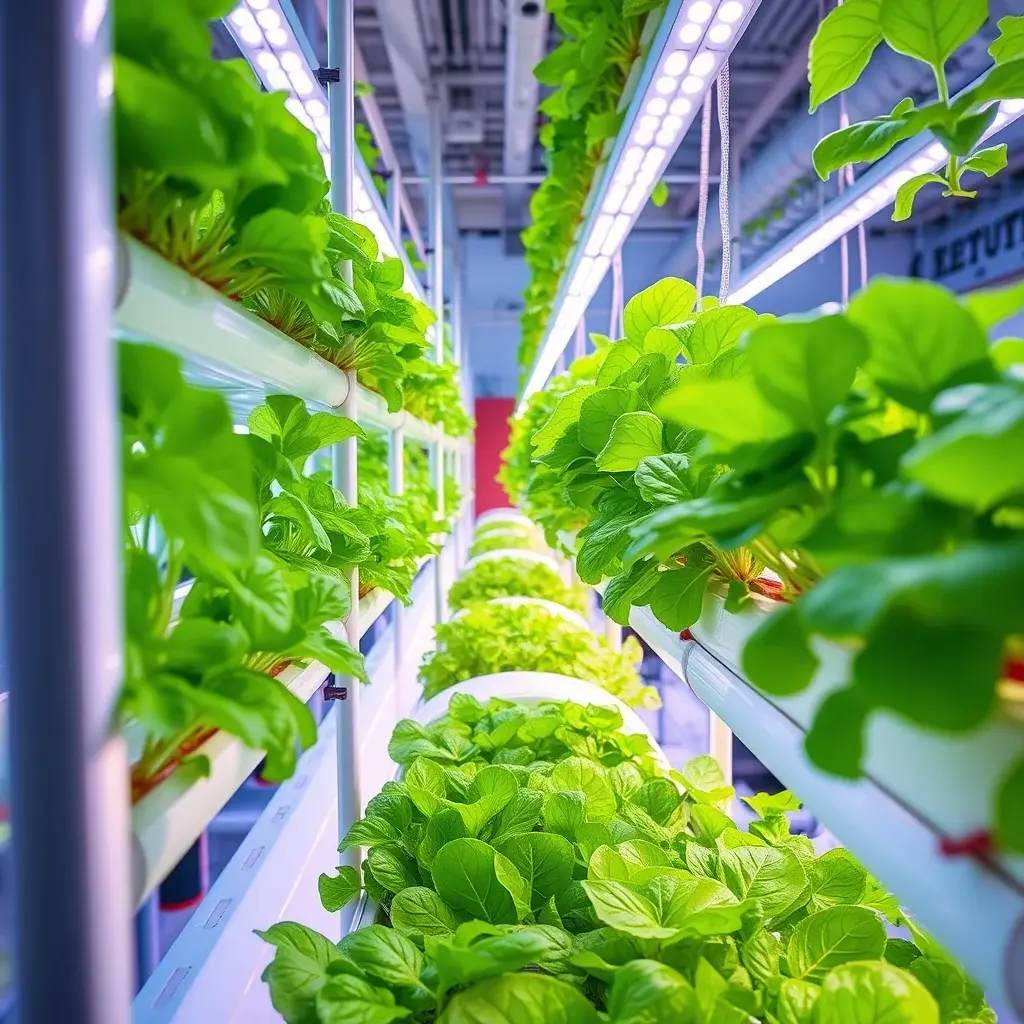
Water systems also use less space. You can stack plants vertically to grow a large amount of food in a tiny apartment.
Pros and Cons of Soil-Free Growing
Here are the main benefits and drawbacks to keep in mind:
- Pros: Faster growth, no weeding, less water used, and you can grow indoors all year.
- Cons: Initial setup costs money, power outages can harm plants, and you must check water levels often.
How Hydroponics Works
Plants need three main things to live: water, light, and nutrients. In a standard garden, soil holds the plant up and provides food.
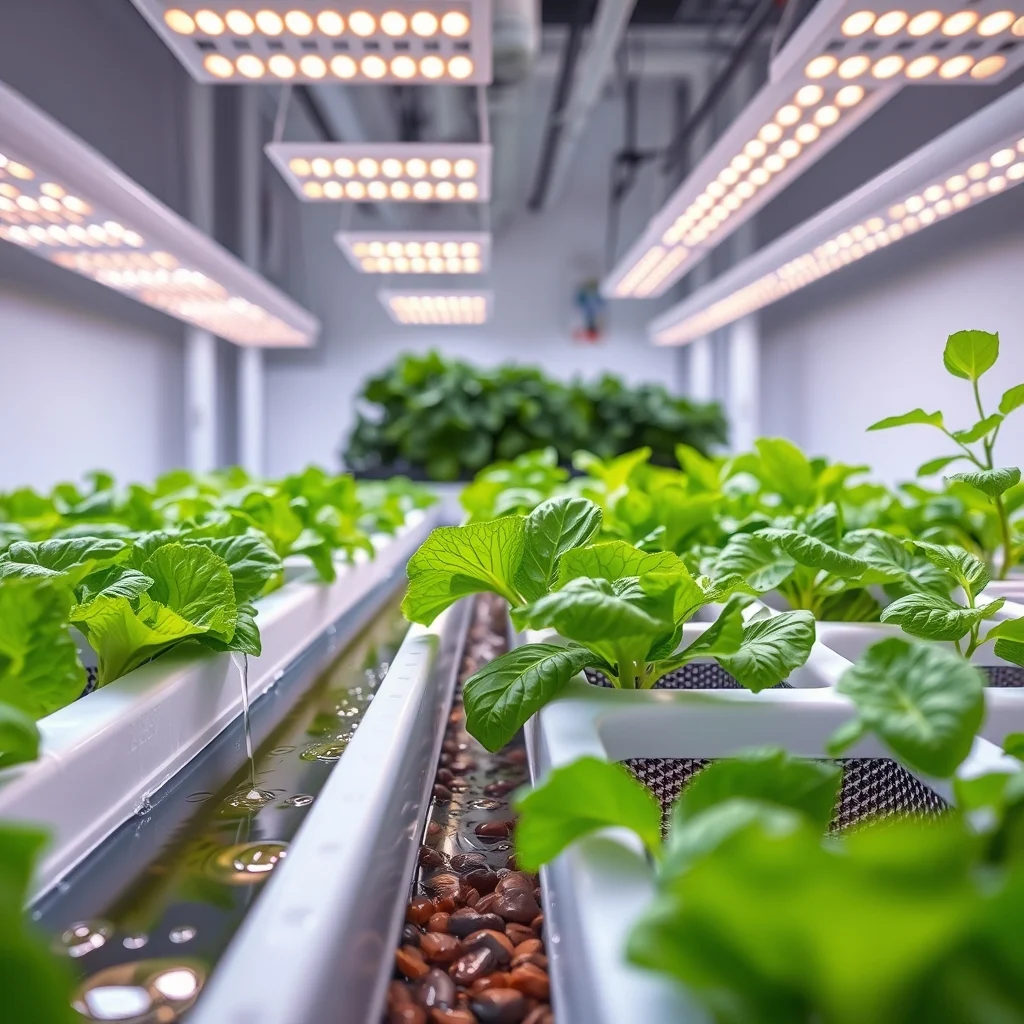
With hydroponics, a plastic container holds the plant in place using clay pebbles or net pots. Water mixed with special plant food touches the roots directly.
Main Types of Systems
There are several ways to set up a garden. Some use pumps, while others rely entirely on gravity.
| System Type | How It Works | Best For Beginners |
|---|---|---|
| Deep Water Culture | Roots hang in a tub of water with an air pump. | Yes |
| Nutrient Film Technique | A thin stream of water flows over roots constantly. | No |
| Wick System | A rope pulls water up from a tank to the roots. | Yes |
Essential Equipment Needed
You do not need fancy gear to start. A basic kit includes a water reservoir, net pots, growing medium, and an air pump.
If you want to learn more about setting up a basic system, check out this guide on Hydroponics at Home: How to Grow Fresh Plants Without Dirt for extra tips.
Best Plants for Beginners
Do not start with large tomatoes or fruit trees. Pick fast-growing greens that adapt well to water.
- Lettuce
- Spinach
- Basil
- Mint
- Strawberries
Step-by-Step Growing Guide
Follow these steps to start your first garden:
- Clean your water container thoroughly.
- Fill the tank with clean tap water.
- Mix in your liquid plant food following the label instructions.
- Place your young seedlings into net pots with clay pebbles.
- Turn on your air pump and light source.
Common Mistakes to Avoid
New growers often make a few simple errors. Watch out for these common traps:
- Using too much plant food, which burns the roots.
- Failing to check pH levels in the water.
- Not giving plants enough light each day.
Key Takeaways
- Hydroponics lets you grow plants in nutrient-rich water instead of dirt.
- Deep Water Culture is the easiest setup for new gardeners.
- Leafy greens and herbs grow best when you are just starting out.
- Keep a close eye on water levels and nutrient mixes.
Frequently Asked Questions
Do hydroponic plants taste different?
No, they taste just like plants grown in soil. Many people think they taste fresher because they get exact nutrients.
Do I need sunlight for indoor hydroponics?
Not necessarily. Many people use LED grow lights instead of natural sunlight.
How often should I change the water?
You should empty and refill your water tank every two to three weeks to keep it fresh.
Is hydroponics hard to learn?
It takes a little practice, but basic systems are very easy to manage once you get a routine.
Can I use regular tap water?
Yes, but let it sit out for 24 hours first so the chlorine can evaporate.
How much does a starter kit cost?
Basic DIY setups can cost under fifty dollars, while advanced automated kits cost much more.
Conclusion
Starting with hydroponics is a fun way to grow fresh food right inside your house. Pick a simple system, choose easy herbs or lettuce, and watch your garden thrive without a speck of dirt.
Suggested Internal Link Opportunities: earnstools.com
Suggested External Authority Sources: USDA, EPA, NASA Spinoff