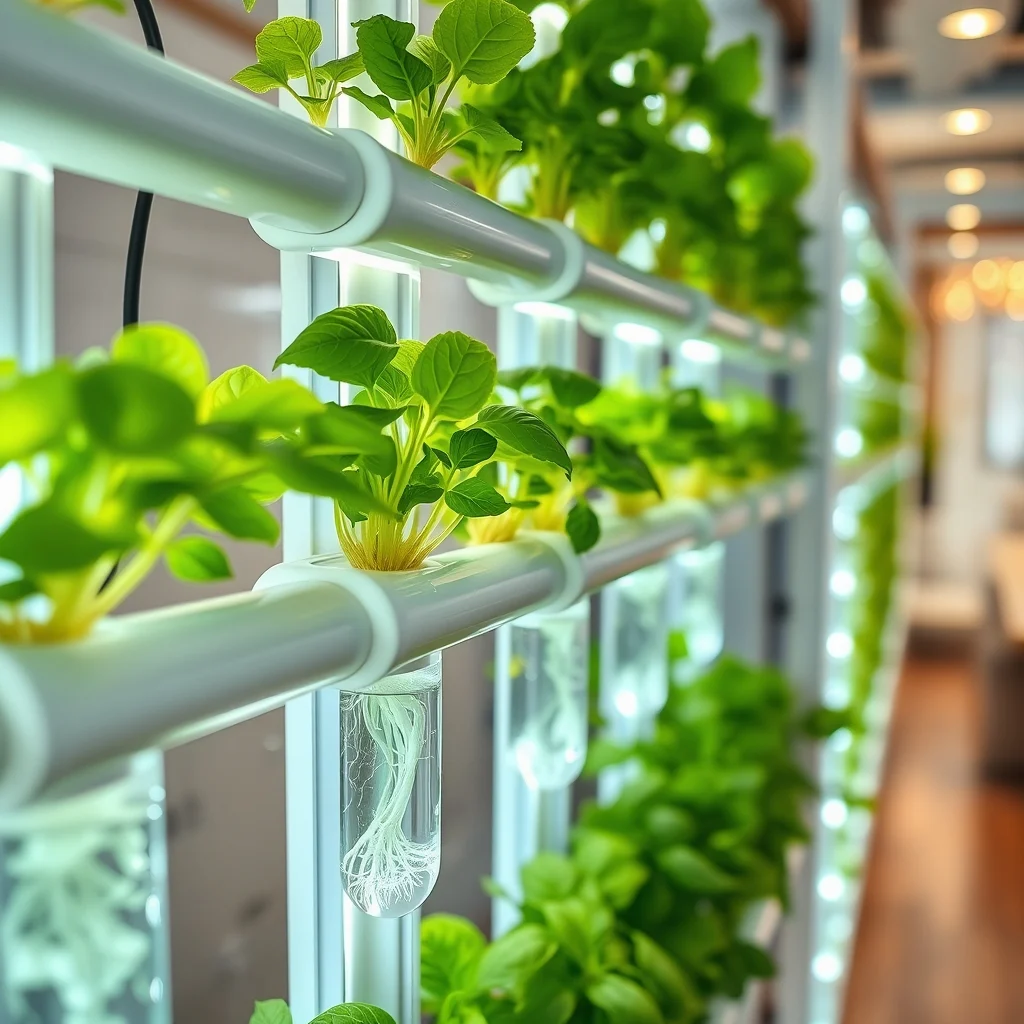
Hydroponics gardening is an innovative method of cultivating plants without soil, delivering mineral nutrient solutions directly to plant root systems in an aquatic solvent. By eliminating traditional dirt, indoor hydroponics empowers growers to accelerate plant growth cycles, boost crop yields, and conserve up to 90% more water than conventional agriculture. Whether you want to grow fragrant basil on a kitchen shelf or operate a vertical commercial farm, understanding how a hydroponics system functions gives you precise control over hydration, nutrition, and environmental variables. In this guide, you will learn the core mechanics of hydroponic farming, discover different system designs, and gain actionable expertise for successful soilless gardening.
Key Takeaways
- Hydroponics delivers dissolved minerals directly to roots, eliminating the need for soil and maximizing nutrient uptake.
- Popular hydroponic systems include Deep Water Culture, Nutrient Film Technique, Aeroponics, and Ebb and Flow setups.
- Indoor hydroponics conserves up to 90% more water and enables year-round harvests in controlled environments.
- Maintaining optimal pH levels (5.5–6.5) and Electrical Conductivity is essential for preventing nutrient lockouts.
What is Hydroponics and How Does Soilless Gardening Work?
At its core, hydroponics is the practice of nourishing plants through an aqueous, mineral-rich solution rather than relying on soil chemistry. In conventional gardening, roots stretch through dirt searching for water, nitrogen, phosphorus, potassium, and trace micro-minerals. Soil acts as an anchor and nutrient bank, but it also harbors soil-borne pathogens, pests, and unpredictable drainage conditions. Soilless gardening bypasses these limitations by suspending plant roots directly inside an oxygenated nutrient bath or inert media like coconut coir, perlite, or expanded clay pebbles.
When plant roots no longer need to fight dense soil to find nourishment, they expend less metabolic energy on root expansion and redirect that vitality into leafy biomass, robust flowering, and abundant fruiting. Because dissolved minerals are absorbed instantly, crops cultivated in a controlled hydroponics system routinely mature up to 20 to 30 percent faster than their soil-grown counterparts. Furthermore, indoor hydroponics eliminates weed competition and shields crops from seasonal weather extremes, unlocking year-round production capability.
Core Components of a Modern Hydroponics System
Every successful hydroponics system relies on a precise ecosystem of supporting technology to deliver nutrients, water, and dissolved oxygen to the root zone. Understanding these mechanical elements ensures your grow environment remains clean, efficient, and healthy.
The central hub of any setup is the nutrient reservoir, a dark, non-translucent container that holds the water and dissolved fertilizers. To keep root structures from suffocating, an air pump connected to submerged air stones continuously infuses the liquid solution with dissolved oxygen. Without this oxygenation, submerged roots quickly succumb to anaerobic bacteria and root rot.
Water delivery relies on a reliable submersible water pump controlled by digital timers or continuous recirculation channels. To hold plants upright without soil, growers use net pots filled with stable, porous growing media such as rockwool cubes, hydroton clay pebbles, or washed coconut coir. Finally, artificial LED grow lights provide the exact light spectrum needed for photosynthesis when growing indoors.
Comparing Major Types of Hydroponic Systems
Choosing the right architecture depends on space, budget, experience level, and the specific plant varieties you intend to grow. Each hydroponic farming design balances oxygen distribution, nutrient delivery, and mechanical complexity differently.
| System Type | Mechanics | Best Plants | Skill Level |
|---|---|---|---|
| Deep Water Culture (DWC) | Roots hang constantly in oxygenated liquid reservoir | Lettuce, spinach, herbs, kale | Beginner |
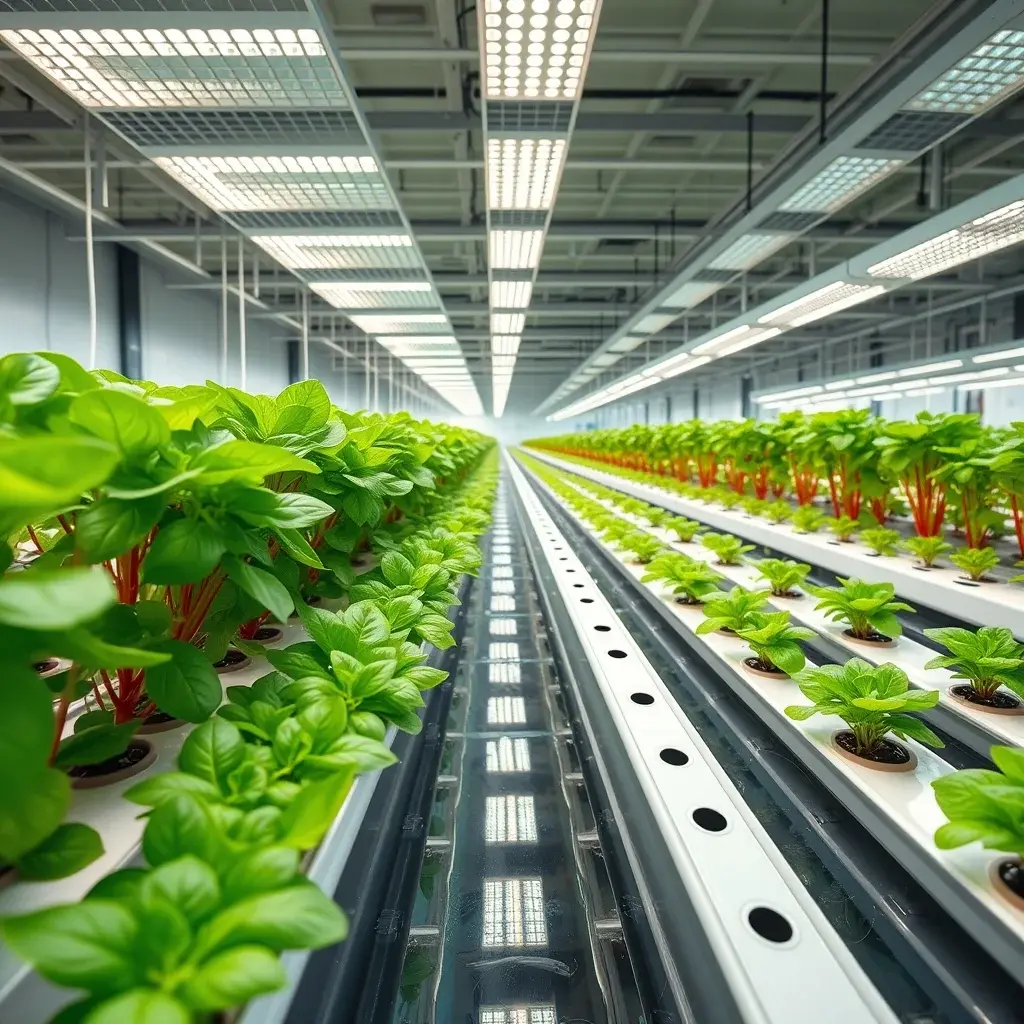
| Nutrient Film Technique (NFT) | Shallow stream of water flows across root tips in channels | Strawberries, small leafy greens, basil | Intermediate |
| Ebb and Flow (Flood & Drain) | Tray periodically floods with solution then drains back | Tomatoes, peppers, larger herbs | Intermediate |
| Aeroponics | Roots hang suspended in air and misted automatically | Greens, root clones, tomatoes | Advanced |
| Drip System | Emitters drip nutrient solution directly to base of plant | Heavy-feeding plants, cucumbers, melons | Intermediate |
For beginners entering indoor hydroponics, Deep Water Culture offers the simplest entry point because it has no complex plumbing or timer routines. Advanced commercial growers often prefer Nutrient Film Technique or Aeroponics due to their high water efficiency and outstanding root oxygenation.
Understanding Nutrients, pH, and Lighting for Indoor Hydroponics
Because soilless gardening lacks natural earth to buffer chemistry, you assume complete responsibility for balancing plant nutrition. Hydroponic fertilizers contain essential macro-nutrients (nitrogen, phosphorus, potassium, calcium, magnesium, sulfur) and vital micro-nutrients (iron, manganese, zinc, boron) formulated specifically for immediate root absorption.
Maintaining proper pH balance is critical for nutrient availability. Most crops thrive within a slightly acidic pH range of 5.5 to 6.5. If the nutrient solution strays outside this window, minerals chemically bind together and become unavailable, leading to rapid nutrient deficiencies despite fertilizers being present in the water.
Monitoring Electrical Conductivity (EC) or parts per million (PPM) tells you the exact concentration of dissolved salts in your reservoir. As plants absorb liquid, the EC will fluctuate, requiring periodic topping off with fresh water or concentrated nutrient mix. Paired with full-spectrum LED grow lights delivering 14 to 18 hours of daily illumination, your indoor garden maintains optimal photosynthetic activity continuous throughout every season.
Benefits and Advantages of Hydroponic Farming
The rise of global hydroponic farming stems from its exceptional resource efficiency and unmatched environmental control. Traditional farming consumes vast tracts of arable land and relies on heavy irrigation, much of which is lost to soil runoff and evaporation. Hydroponic reservoirs recirculate water, reducing total consumption by up to 90% compared to field agriculture.
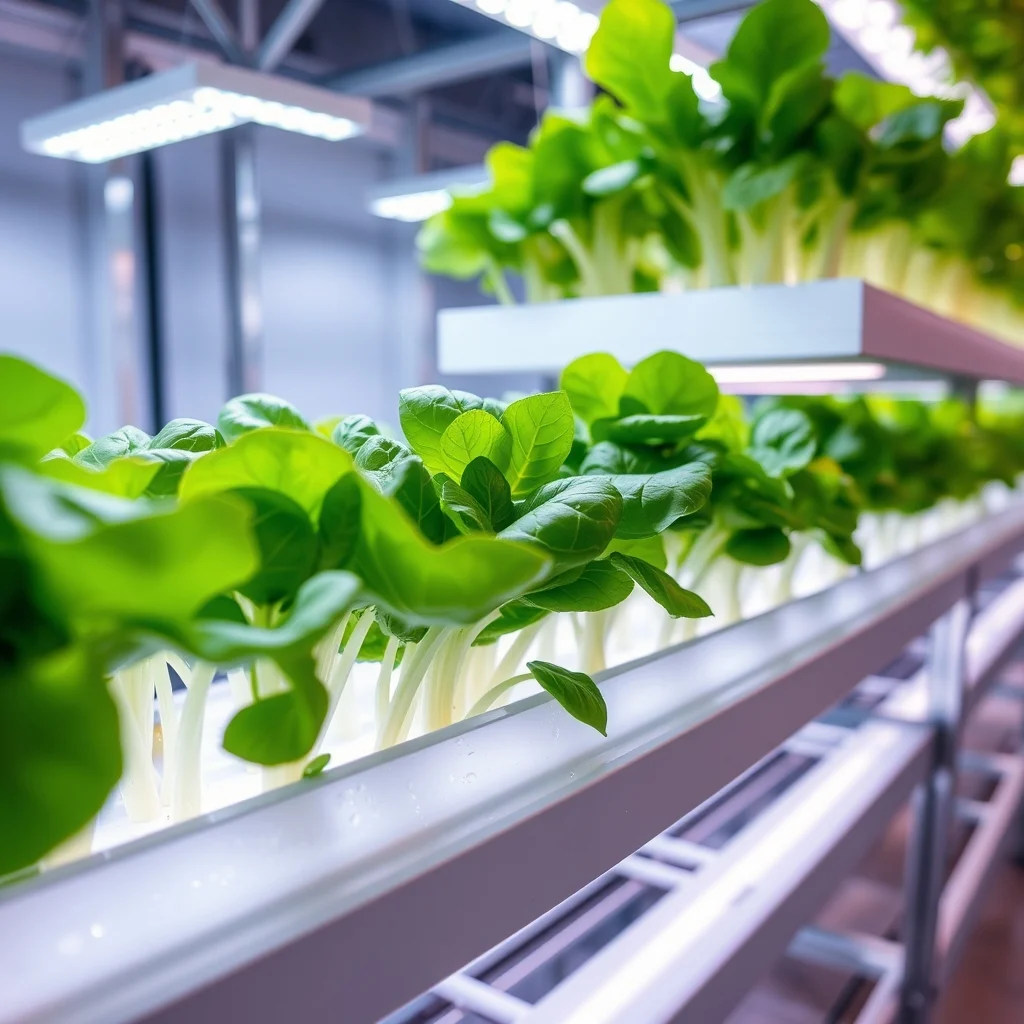
Spatial productivity is another profound advantage of soilless setups. Vertical indoor hydroponics towers stack growing channels vertically, producing up to ten times the yield per square foot of floor space compared to horizontal soil beds. This vertical density enables urban farming inside warehouses, basements, and greenhouses close to local markets, drastically shortening supply chains and transportation emissions.
Additionally, growing without dirt inherently eliminates soil-borne pests like nematodes and root aphids. This dramatic drop in biological pressure allows cultivators to produce clean, fresh food with virtually no synthetic chemical pesticides. For rigorous scientific standards and historical agricultural context on hydroponic production, consult the U.S. Department of Agriculture National Agricultural Library.
Expert Insight: Managing Solution Temperature and Oxygenation
A frequently overlooked factor in indoor hydroponics is water reservoir temperature. Maintain your water solution between 65°F and 70°F (18°C–21°C) at all times. Water above 72°F struggles to hold dissolved oxygen and creates an ideal breeding ground for Pythium, the pathogen responsible for devastating root rot.
If your reservoir warms up during hot summer days, consider placing frozen water bottles in the tank or installing a commercial aquarium chiller. Keeping root zones cool and richly oxygenated encourages brilliant white, fuzzy root mass that absorbs nutrition aggressively and accelerates top growth dramatically.
Common Mistakes to Avoid in Soilless Gardening
Even passionate growers encounter setbacks when building their first hydroponics system. Recognizing standard pitfalls early saves time, money, and crops.
- Ignoring pH Fluctuations: Check reservoir pH daily using a digital meter; subtle swings dramatically alter root absorption capacity.
- Overfeeding Plants: Concentrated nutrient mixes burn delicate root tissues. Always start with half-strength solutions when feeding young seedlings.
- Stagnant Reservoir Water: Insufficient oxygen causes root suffocation. Use oversized air pumps to maintain constant, vigorous bubbling.
- Poor Sanitation Habits: Algae flourishes in translucent water containers exposed to light. Always use opaque, light-proof reservoirs and scrub components between grow cycles.
- Neglecting Ambient Humidity and Airflow: Stagnant indoor air leads to powdery mildew and weak stems. Position oscillating fans to maintain gentle air movement across foliage.
How to Get Started with Indoor Hydroponics at Home
Embarking on your first hydroponics gardening project requires minimal specialized equipment to produce gratifying early results. Start small by building a compact Deep Water Culture bucket system or purchasing a desktop countertop hydroponic unit designed for culinary herbs.
Begin by selecting fast-growing, forgiving crops such as loose-leaf lettuce, sweet basil, butterhead greens, or spearmint. Germinate seeds in rockwool starter plugs pre-soaked in pH-balanced water. Once true leaves emerge and tiny roots sprout through the bottom of the plug, transfer the seedlings into net pots filled with clay pebbles and set them into your oxygenated reservoir.
Position your setup under dedicated LED grow lights placed 12 to 18 inches above the leaf canopy. Check water levels, pH, and nutrient strength every two days, performing a complete reservoir change every two weeks to prevent mineral salt accumulation. Within three to four weeks, you will be harvesting fresh, crisp, self-grown produce directly from your indoor ecosystem.
Frequently Asked Questions
What plants grow best in an indoor hydroponics system?
Leafy greens such as lettuce, spinach, kale, and Swiss chard, along with herbs like basil, cilantro, and mint, thrive exceptionally well in hydroponic environments. Fruiting crops like strawberries, dwarf tomatoes, peppers, and cucumbers also perform brilliantly but require stronger lighting and higher nutrient concentrations.
Is hydroponics cheaper than traditional soil gardening?
Initial setup costs for indoor hydroponics can be higher due to pumps, reservoirs, grow lights, and meters. However, long-term costs are offset by rapid growth rates, higher crop yields, extreme water savings, year-round growing capacity, and reduced expenditure on pest control and soil amendments.
How often should I change the nutrient solution in my hydroponic reservoir?
You should fully drain and replace your hydroponic nutrient solution every 10 to 14 days. Over time, plants selectively absorb specific minerals, which skews the nutrient balance and leads to mineral salt buildup that topping off with fresh water cannot rectify.
Do hydroponic plants require special grow lights indoors?
Yes, indoor hydroponics relies on full-spectrum LED or high-intensity fluorescent lights designed to emit light wavelengths in the photosynthetic active radiation (PAR) spectrum. Standard household incandescent bulbs do not produce the necessary light intensity or spectrum for healthy plant photosynthesis.
Starting your journey in hydroponics gardening transforms how you interact with plant life, offering complete mastery over nutrition, hydration, and light cycles. Begin with a simple setup like Deep Water Culture or a countertop system to build your confidence before expanding into complex multi-tier configurations. By regularly monitoring pH, inspecting root health, and maintaining stable nutrient levels, you can harvest pristine, nutrient-dense crops year-round directly from the comfort of your home.
2 thoughts on “The Ultimate Guide to Hydroponics Gardening: Master Soilless Growing”