What Is Hydroponics?
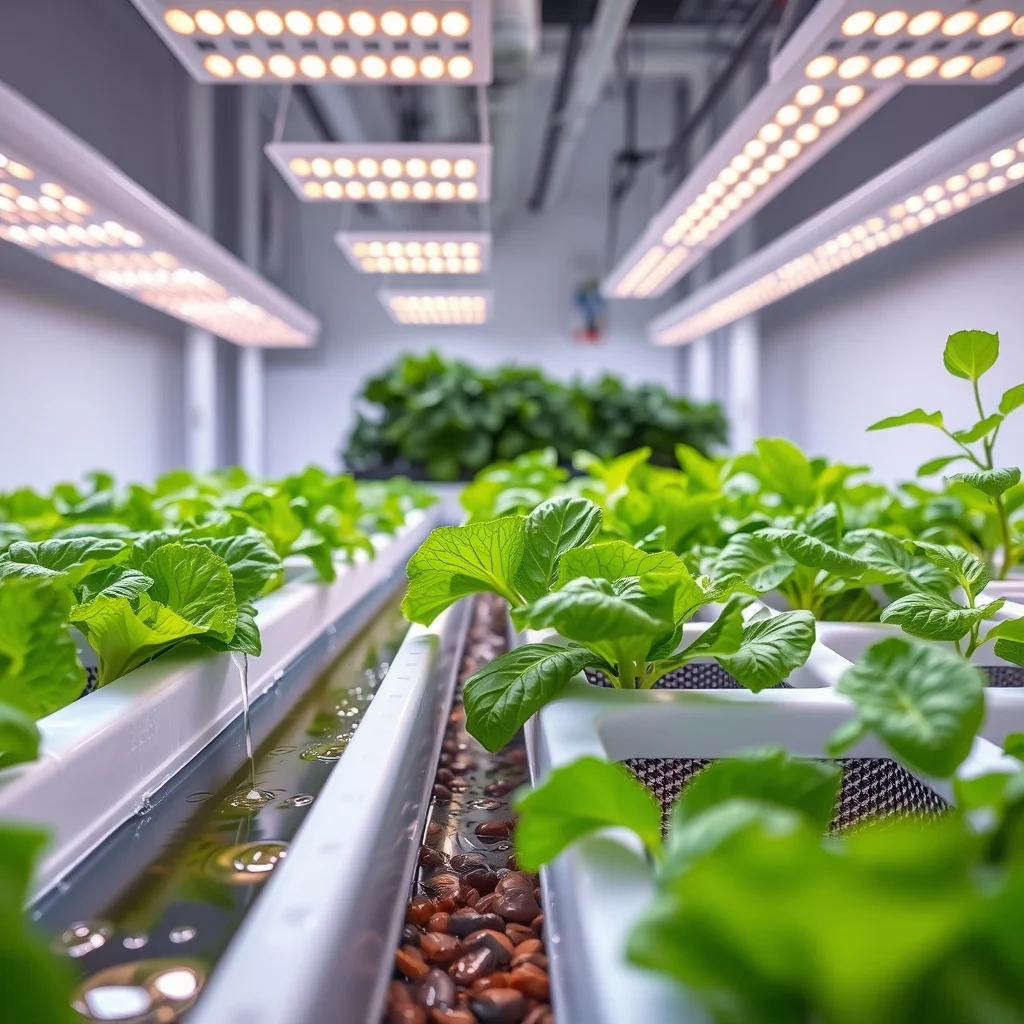
Hydroponics is a way to grow plants using water instead of dirt. When you use this method, roots sit directly in water or a inert material like clay pebbles. Plants get all their food from liquid nutrients mixed into that water.
Many home gardeners use The Ultimate Guide to Hydroponics Gardening: Master Soilless Growing to learn advanced tricks. You can set up a small garden in your kitchen, garage, or spare room.
How Plants Grow Without Soil
People think soil is food for plants, but soil actually just holds plants up and stores water and food. Plants make their own food using light, air, and water.
In a soilless setup, plants do not waste energy pushing roots through hard dirt. Instead, roots drink water and food right away. This helps plants grow much faster than plants in regular garden beds.
Core Parts of a Hydroponic Setup
Every good system needs a few basic parts to work well. If you miss one part, your plants might struggle.
- Water reservoir to hold your liquid mix
- Nutrient solution with all essential minerals
- Air pump and air stone to keep oxygen in the water
- Grow lights if you set up indoors away from windows
- Net pots and grow medium to hold plants in place
Popular Hydroponic Systems
There are several ways to build your garden. Some setups are very simple, while others use timers and pumps.
| System Type | Best For | Difficulty |
|---|---|---|
| Deep Water Culture | Beginners | Easy |
| Nutrient Film Technique | Leafy greens | Medium |
| Ebb and Flow | Fruiting plants | Medium |
Choosing the Right Plants
Not all plants grow well in water. Leafy greens and herbs are the best choices for your first try.
- Lettuce
- Basil
- Spinach
- Mint
- Strawberries
Step-by-Step Setup Guide
Follow these easy steps to build your first simple setup at home.
- Clean your plastic container and fill it with fresh water.
- Add your liquid plant food following the label instructions.
- Put the air stone inside the water and plug in the pump.
- Place your young seedlings into net pots filled with clay pebbles.
- Set the pots into the lid so the roots touch the water.
Pros and Cons of Soilless Gardening
Every gardening method has good and bad sides. Knowing both helps you decide if this hobby is right for you.
| Pros | Cons |
|---|---|
| Faster plant growth | Needs close daily attention |
| Uses less water than dirt gardening | Initial setup costs money |
| No weeds or soil pests | Power outage can harm plants |
Expert Tips for Success
Check your water pH every single day. Plants can only eat food if the water acidity is right.
Keep your water clean and cool. Warm water holds less oxygen, which can rot plant roots.
Visit earnstools.com to find more great tool reviews and DIY project ideas.
Common Mistakes to Avoid
Do not use too much plant food. High nutrient levels burn roots and kill plants quickly.
Do not let algae grow in your water reservoir. Algae steals food and oxygen from your plants.
Frequently Asked Questions
Do plants taste different when grown in water?
No, plants grown without soil taste just like soil-grown plants, and sometimes even fresher.
Can I use tap water for my system?
Yes, but let tap water sit out for twenty-four hours so the chlorine can evaporate first.
How often should I change the water?
You should completely change the water and mix new nutrients every two weeks.
Do I need expensive lights?
Standard LED grow lights work well and do not use too much electricity.
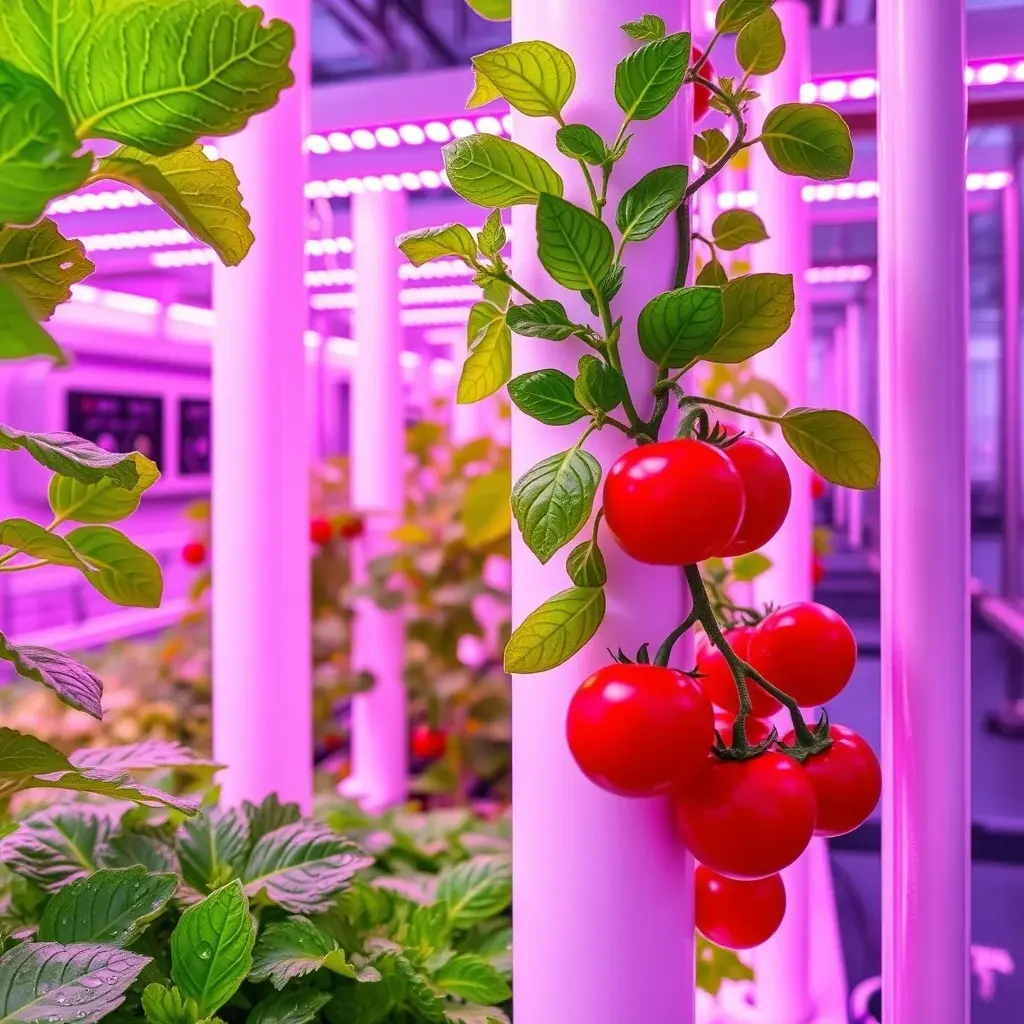
Can I grow tomatoes this way?
Yes, but tomatoes need a larger setup and strong support cages as they grow tall.
Why are my plant leaves turning yellow?
Yellow leaves usually mean your water pH is off or your plants lack nitrogen.
Conclusion
Starting with hydroponics is a fun project for any home gardener. You do not need a big backyard to grow fresh food. Pick a simple system, watch your water levels, and enjoy your new indoor harvest.
Key Takeaways:
– Hydroponics lets you grow plants in water instead of dirt.
– Leafy greens and herbs are the easiest plants for beginners.
– Always monitor water pH and oxygen levels.
– Change your nutrient solution every two weeks.
Suggested Internal Link Opportunities:
– Link to a post about the best LED grow lights for indoor gardens.
– Link to a guide on how to test water pH levels accurately.
Suggested External Authority Sources:
– USDA (United States Department of Agriculture) – usda.gov
– NASA Horticultural Research – nasa.gov