Hydroponics gardening is a revolutionary method of growing plants without soil, delivering essential mineral nutrients directly to root systems through an oxygenated water solution. By eliminating traditional dirt, indoor hydroponics allows growers to produce vibrant vegetables, aromatic herbs, and heavy-yielding crops anywhere, year-round, while consuming up to 90% less water than traditional agriculture. Whether you aim to build a high-yielding hydroponic farming setup in a greenhouse or assemble a simple desktop indoor hydroponics system, understanding core nutrient balances, lighting, and fluid dynamics will help you achieve astonishing growth speeds and bountiful harvests.
Key Takeaways
- Hydroponics delivers dissolved mineral nutrients directly to plant roots using water rather than soil, accelerating plant growth rates.
- Popular hydroponic systems include Deep Water Culture (DWC), Nutrient Film Technique (NFT), Ebb and Flow, Aeroponics, and Drip setups.
- Indoor hydroponics dramatically reduces water usage, eliminates soil-borne pests, and maximizes crop yield per square foot.
- Consistent monitoring of water pH (typically 5.5–6.5) and Electrical Conductivity (EC) is vital for optimal nutrient absorption.
What is Hydroponics Gardening and How Does It Work?
At its core, hydroponic farming replaces soil with a nutrient-enriched water solution, transforming plant growth into a precise, highly efficient science. In traditional gardening, plant roots must fight through dense dirt to search for minerals, micro-nutrients, and moisture. Soilless gardening bypasses this physical struggle entirely by delivering perfectly balanced minerals right to the root zone.
Because the roots spend less energy seeking nourishment, plants can allocate their biological resources toward exploding with lush green foliage, robust stalks, and rich fruit production. Oxygenation plays a critical role in this dynamic. By continuously pumping dissolved oxygen into the liquid solution, hydroponic systems keep root tissues healthy, preventing stagnation and enabling rapid cellular respiration.
This controlled environment creates a dramatic surge in growth rates. Many crops mature up to 25% faster in a hydroponic system than in soil, yielding significantly more produce in the same operational timeframe. From residential kitchens to massive commercial vertical farms, hydroponics provides an adaptable framework for hyper-efficient agriculture.
The Core Types of Hydroponic Systems Explained
Choosing the right hydroponic system layout depends on your available space, budget, target crop varieties, and desired level of automation. Every system relies on a distinct mechanism to deliver water, air, and mineral solutions to the plant roots.
1. Deep Water Culture (DWC)
Deep Water Culture is one of the simplest and most powerful active systems for soilless gardening. Plants are suspended in net pots filled with inert media above a reservoir of nutrient solution, with roots completely submerged in liquid. An air pump connected to an air stone constantly bubbles oxygen through the water, ensuring roots do not suffocate despite continuous immersion.
2. Nutrient Film Technique (NFT)
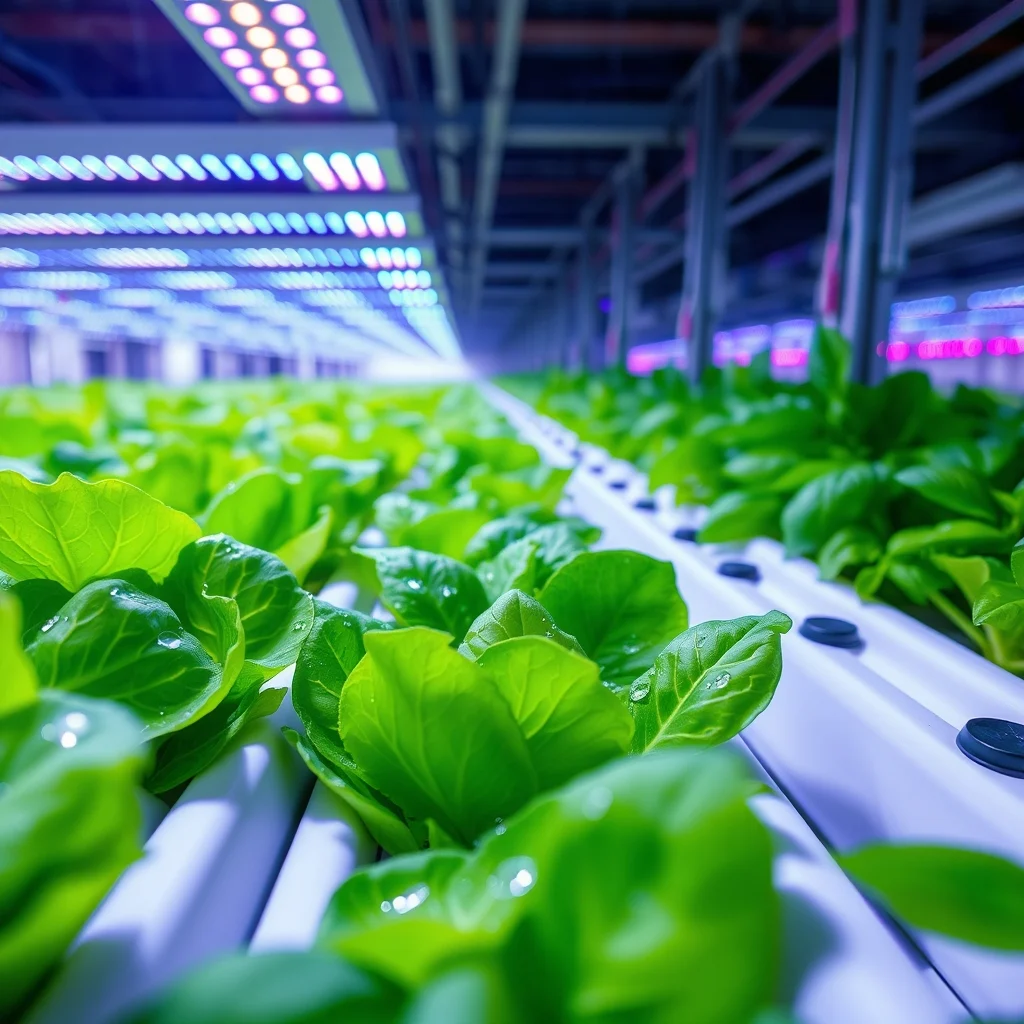
In an NFT hydroponic system, a continuous shallow stream or “film” of nutrient-rich water recirculates across the bottoms of grow channels angled at a slight slope. Roots hang down into the channel, drinking from the passing stream while the upper portion of the root mass remains exposed to humid air for maximum oxygen intake. This setup excels with fast-growing, light-rooted plants like lettuce, spinach, and leafy greens.
3. Ebb and Flow (Flood and Drain)
Ebb and Flow systems work by periodically flooding a growing tray holding plant containers with liquid nutrients before draining the water back into a submerged reservoir. Controlled by an automated timer, this cyclic flooding forces fresh oxygen into the root zone as the water recedes, encouraging resilient and robust root architecture.
4. Aeroponics
Aeroponics represents the cutting edge of high-tech indoor hydroponics. Instead of submerging roots in water or resting them in a stream, aeroponic systems suspend plant roots in a dark chamber and mist them with a fine, nutrient-dense spray every few minutes. This maximum exposure to atmospheric oxygen results in astounding growth rates, though it requires precise timer controls and reliable pumps.
5. Drip Systems
Widely utilized in commercial hydroponic farming, drip setups use small emitter lines to drip nutrient solution directly onto the base of each individual plant stem. Excess runoff is either recirculated back to the main reservoir or drained away in a run-to-waste design, offering pinpoint accuracy over liquid delivery.
Comparing Popular Hydroponics Systems
| System Type | Complexity | Best Crops | Water Usage | Maintenance Need |
|---|---|---|---|---|
| Deep Water Culture (DWC) | Low | Lettuce, Herbs, Kale | Low (Recirculating) | Low |
| Nutrient Film Technique (NFT) | Moderate | Greens, Strawberries, Basil | Very Low | Moderate |
| Ebb and Flow | Moderate | Tomatoes, Peppers, Beans | Low (Recirculating) | Moderate |
| Aeroponics | High | Leafy Greens, Root Cuttings | Extremely Low | High |
| Drip System | Moderate to High | Large Fruiting Plants, Melons | Variable | Moderate |
Essential Elements of a Successful Indoor Hydroponics Setup
To cultivate thriving crops indoors without soil, you must recreate and optimize environmental conditions that nature normally provides. Balancing key parameters guarantees that your plants absorb maximum nutrition without suffering from stress or toxicities.
Nutrient Solution and Water Quality
Hydroponic fertilizers differ significantly from standard soil fertilizers because they must contain the full spectrum of macro and micro minerals in immediately accessible chemical forms. Nitrogen, phosphorus, potassium, calcium, magnesium, and sulfur form the chemical foundation, supplemented by trace elements like iron and manganese. Starting with pure water—such as reverse osmosis water—prevents unknown tap water minerals from interfering with your customized mix.
pH and Electrical Conductivity (EC) Monitoring
Maintaining the proper pH level is vital for plant nutrient uptake. Most hydroponic crops prefer a slightly acidic pH range between 5.5 and 6.5. If the pH strays too high or too low, chemical lock-out occurs, preventing roots from absorbing specific elements regardless of their abundance in the water.
Electrical Conductivity (EC) measures the concentration of dissolved salts in your water. Tracking EC helps you determine whether your solution is too diluted or overly concentrated, preventing leaf burn and mineral deficiencies. Reliable digital pH and EC meters are indispensable tools for any serious gardener.
Growing Media Options
In soilless gardening, inert media supports the physical weight of the plant and anchors the root system without altering the chemical balance of the solution. Popular choices include:
- Expanded Clay Pebbles: Durable, porous, reusable clay spheres that offer exceptional air circulation around roots.
- Rockwool: Fibrous mineral wool spun from molten rock, offering fantastic water retention and structural support for seed germination.
- Coco Coir: Natural fiber extracted from coconut husks, mimicking the feel of soil while retaining water and balance exceptionally well.
- Perlite: Lightweight volcanic glass that enhances drainage and prevents compaction in aggregate mixes.
Lighting Solutions for Indoor Hydroponics
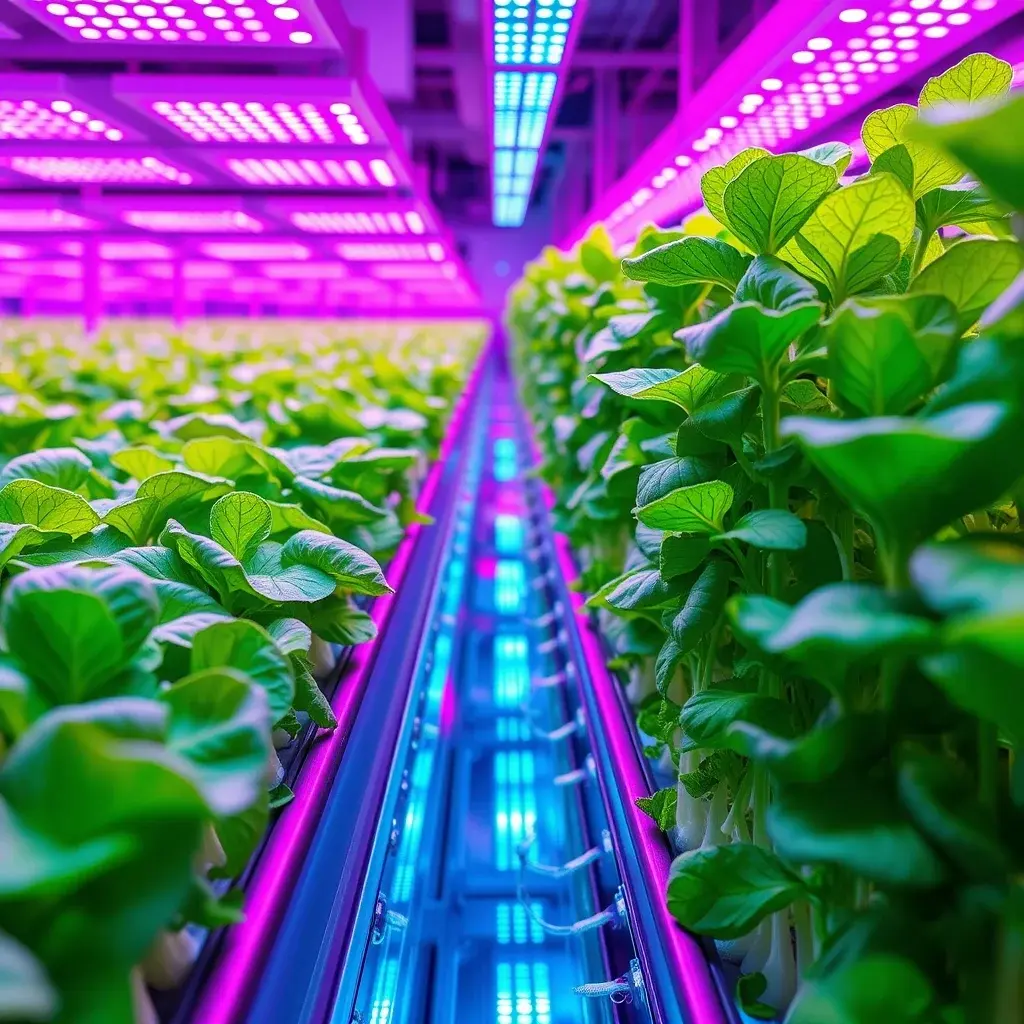
Because indoor environments lack direct sunlight, full-spectrum LED grow lights are the industry standard for indoor hydroponics. Modern LEDs consume minimal electricity while delivering targeted light spectrums—blue wavelengths for leafy vegetative growth and red wavelengths for flower and fruit development.
Benefits of Hydroponic Farming
Transitioning from ground-based gardening to a modern hydroponic system offers profound ecological and practical advantages. As urban spaces grow and arable land decreases, soilless cultivation provides a sustainable path forward for food security.
Water conservation stands out as a primary advantage. Because hydroponic setups capture and continuously recirculate liquid within closed reservoirs, they consume a fraction of the moisture required by conventional dirt farming, where huge volumes vanish into deep ground soil or evaporate. According to agricultural research compiled by the United States Department of Agriculture (USDA), controlled-environment farming methods drastically improve resource utilization while protecting local ecosystems from soil erosion.
Furthermore, indoor hydroponics virtually eliminates soil-borne pathogens, weed competition, and destructive burrowing pests. This dramatic reduction in biological threats minimizes or completely removes the need for chemical pesticides, resulting in cleaner, safer harvests.
Common Hydroponics Mistakes and How to Avoid Them
While hydroponics offers unparalleled growth speeds, the absence of soil means there is no buffer zone if mistakes occur. Vigilance and proactive maintenance are essential for long-term operational success.
1. Ignoring Reservoir Temperatures
Water temperature directly impacts dissolved oxygen levels. If your nutrient reservoir warms up above 72°F (22°C), dissolved oxygen drops rapidly, creating an ideal breeding ground for harmful root-rot pathogens like Pythium. Aim to keep water temperatures consistently between 65°F and 68°F (18°C–20°C).
2. Neglecting System Cleaning
Organic biofilms, mineral scale, and algae can quickly clog thin drip lines, water pumps, and air stones. Flushing your system with clean water and performing a thorough sanitize between growing cycles prevents plumbing blockages and disease transmission.
3. Overfeeding Plants
It is easy to assume that more nutrients lead to faster growth, but excessive mineral concentrations burn delicate root tips and crisp foliage margins. Always start with lighter nutrient strengths, gradually scaling up as plants demonstrate robust growth and demand more feed.
Expert Insight: Calibrating Your First DWC Setup
When starting your first Deep Water Culture system, resist the urge to place seeds directly into deeply submerged media. Beginners frequently drown young seedlings by keeping the water level too high inside the main container. Instead, set the initial water level roughly one inch below the bottom of the net pot. The bursting bubbles from your air stone will create a fine, humid splash zone that gently hydrates the emerging roots, enticing them to reach downward into the oxygenated reservoir below.
Frequently Asked Questions
What plants grow best in hydroponics gardening?
Leafy greens such as butterhead lettuce, spinach, kale, and Swiss chard, along with culinary herbs like basil, mint, and cilantro, grow exceptionally fast in hydroponic systems. Fruiting crops like strawberries, tomatoes, bell peppers, and cucumbers also flourish with proper trellis support and bright lighting.
Is hydroponic food organic?
Hydroponic produce can be grown without synthetic pesticides, but organic certification varies by regional governing bodies. Because traditional organic certification relies heavily on soil health practices, using pure mineral salts in soilless gardening creates a distinct classification debate, though crops remain clean and nutritious.
How often should I change my hydroponic nutrient solution?
You should completely drain, flush, and replace your hydroponic water and nutrient solution every 10 to 14 days. Top off the reservoir with fresh plain water between changes to replace moisture lost through plant transpiration and evaporation.
Does indoor hydroponics require a lot of electricity?
Energy consumption depends heavily on the scale of your setup and the choice of light fixtures. Utilizing modern, energy-efficient LED grow lights keeps electrical costs very manageable, even when running lights for 14 to 18 hours daily.
Equipped with an understanding of system mechanics, nutrient dynamics, and environmental controls, you are ready to construct a thriving indoor hydroponics setup tailored to your space and culinary preferences. Begin with a manageable project like a single Deep Water Culture bucket or a multi-site leafy green raft, monitor your water metrics consistently, and watch your soilless garden yield clean, rapid harvests throughout every season of the year.