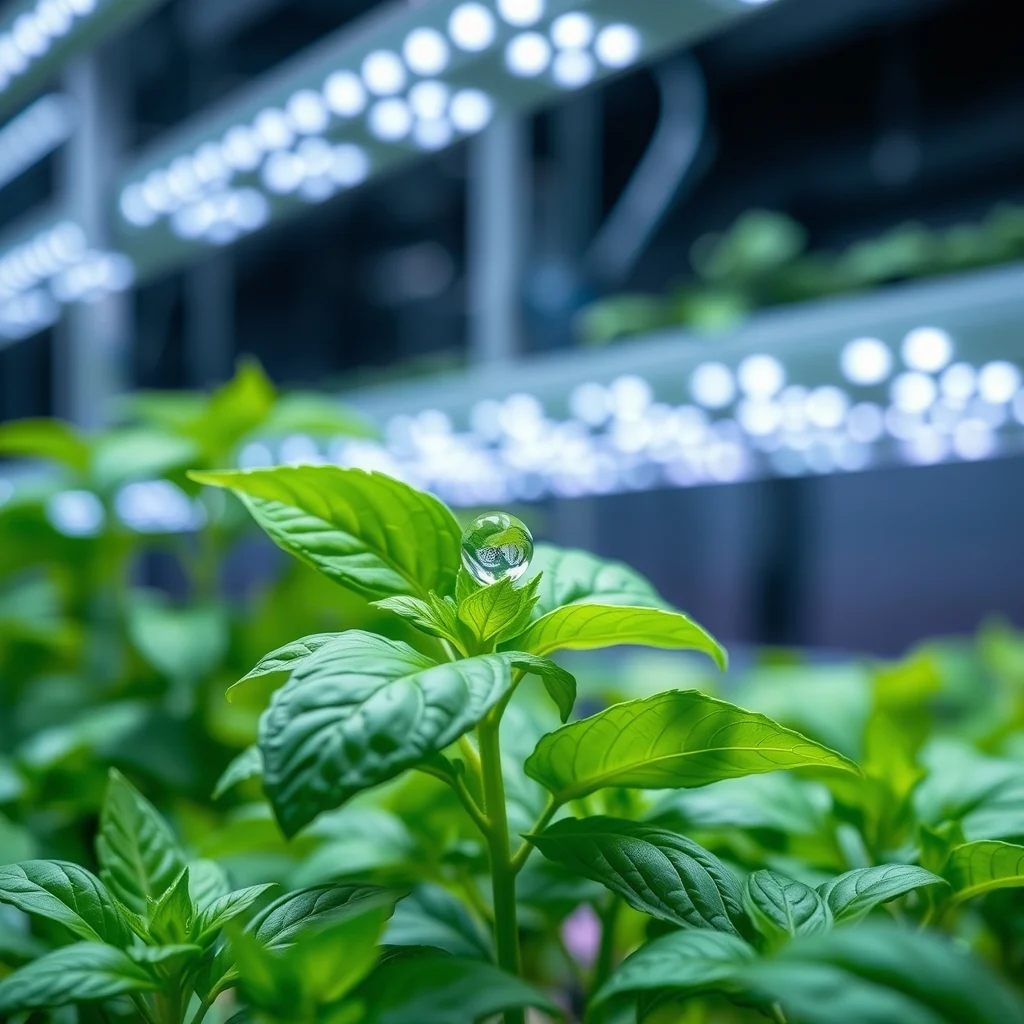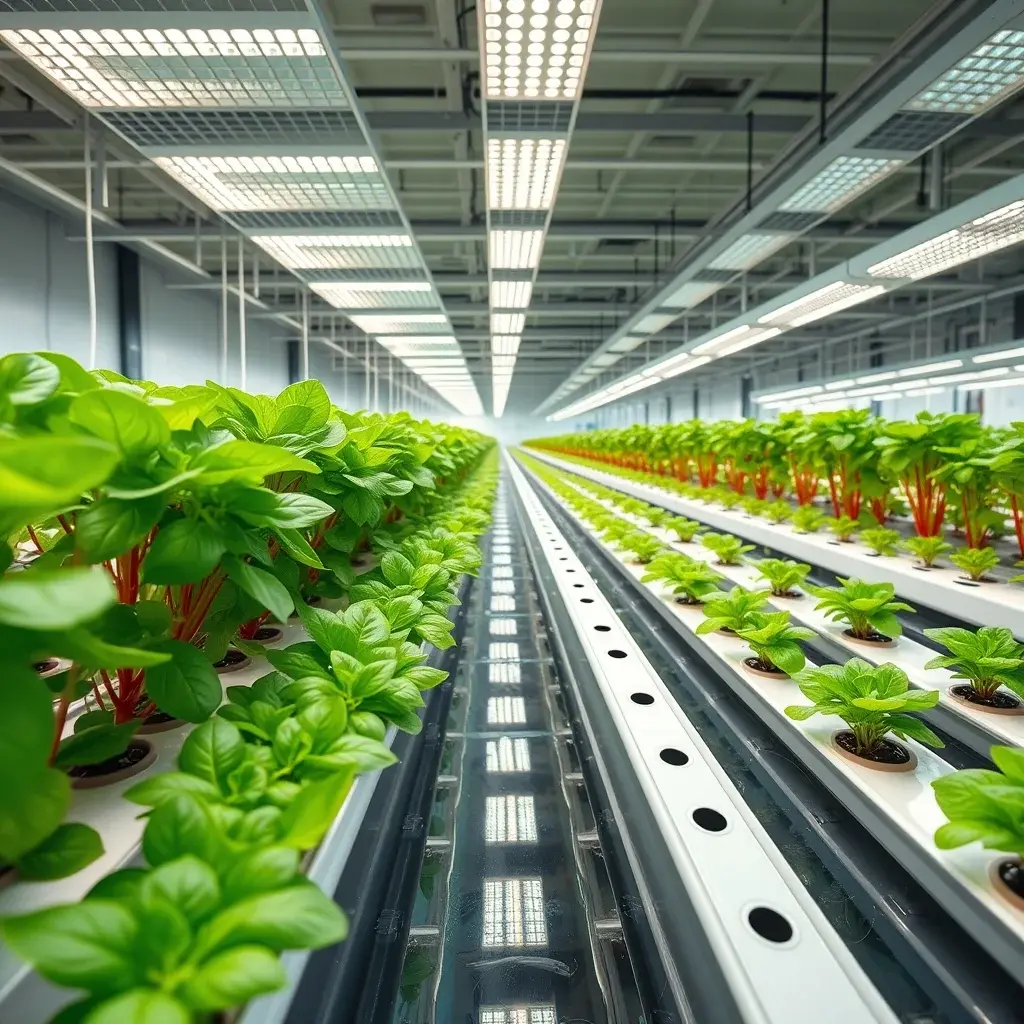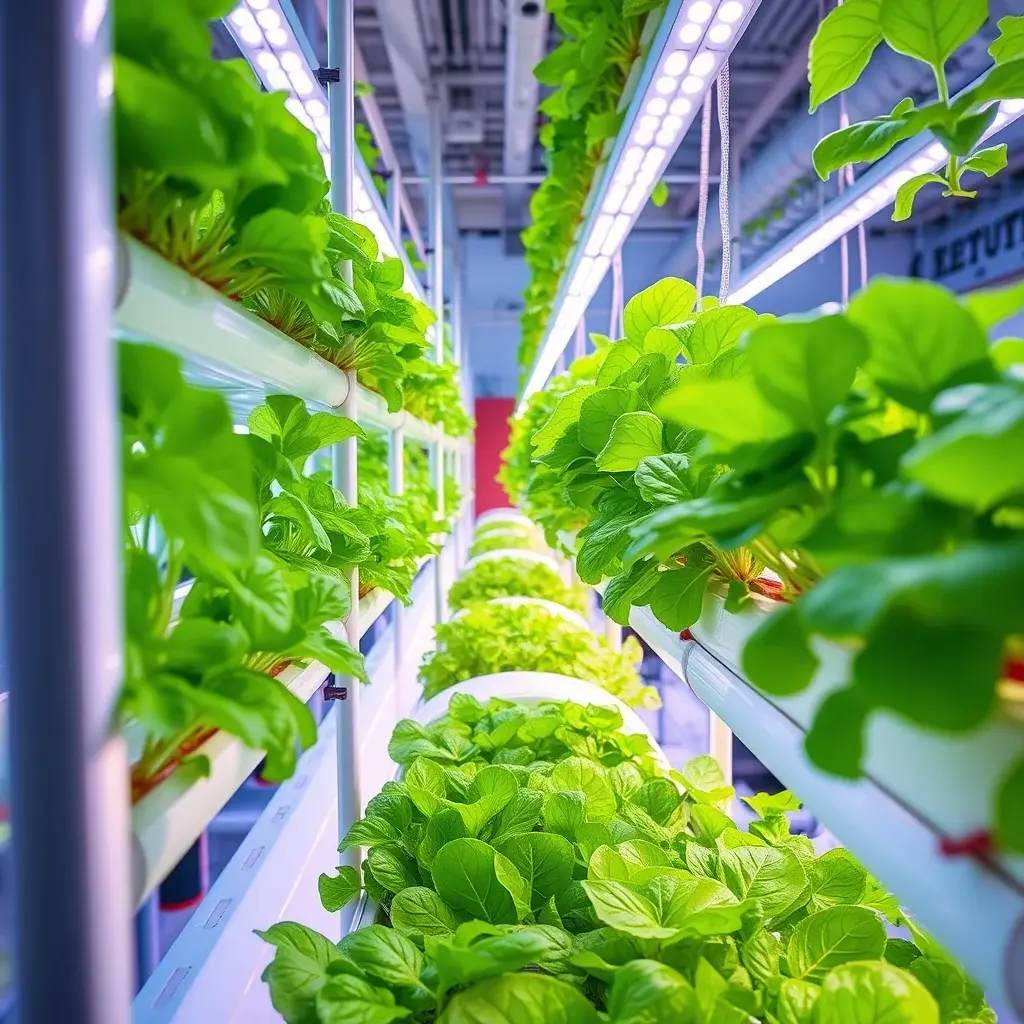
Hydroponics gardening is a highly efficient method of growing plants without soil, using a nutrient-rich water solution delivered directly to the root system. By bypassing traditional earth, this innovative technique accelerates plant growth, maximizes crop yields, and allows full environmental control in indoor hydroponics setups. In this comprehensive guide, you will discover how hydroponic farming works, explore the primary types of hydroponic systems, and learn step-by-step how to establish your own thriving soilless garden at home or in a commercial space.
Key Takeaways
- Hydroponics delivers essential dissolved minerals directly to plant roots using water solutions instead of traditional soil.
- Indoor hydroponics allows year-round crop production with up to 90% less water usage compared to conventional soil farming.
- The six primary hydroponic systems include Deep Water Culture (DWC), Nutrient Film Technique (NFT), Ebb and Flow, Drip, Aeroponics, and Wick systems.
- Maintaining proper pH levels (typically 5.5 to 6.5) and Electrical Conductivity (EC) is essential for optimal nutrient uptake.
What is Hydroponics Gardening?
Hydroponics is a specialized subset of hydroculture that involves cultivating plants in an inert medium—or no medium at all—rather than natural soil. In traditional outdoor agriculture, plant roots must expand across immense distances to find water and vital earth minerals like nitrogen, phosphorus, and potassium. In a hydroponic system, these essential mineral nutrients are dissolved directly into water and delivered straight to the root zone with pristine efficiency.
Because roots do not need to expand excessively through dense soil to find nourishment, plants direct their cellular energy toward rapid foliage, flower, and fruit production. Media such as coconut coir, expanded clay pebbles, perlite, or rockwool provide mechanical support while remaining chemically inert. This soilless gardening approach creates an ideal balance of moisture, oxygen, and nutrients that propels plant growth rates far beyond traditional soil cultivation.
How Does a Hydroponic System Work?
Every active hydroponic system functions by balancing three core inputs: water, oxygen, and balanced liquid nutrients. Plant roots require oxygen just as much as they need water and dissolved minerals; without adequate aeration, submerged roots drown and suffocate. Advanced indoor hydroponics systems utilize submerged air pumps, air stones, or cascading water returns to constantly saturate the nutrient solution with dissolved oxygen.
Automated water pumps and timers frequently regulate the delivery of water to the root zone, ensuring consistent hydration without waterlogging. Environmental variables inside indoor hydroponics facilities—such as artificial LED grow lights, relative humidity, ambient temperature, and carbon dioxide levels—are meticulously tuned. According to research published by the U.S. Department of Agriculture, controlled environment agriculture techniques significantly reduce resource consumption while protecting crops from unpredictable weather patterns and soil-borne pathogens.
Types of Hydroponic Systems
Choosing the right architecture depends on your target crops, available space, and level of growing experience. The six standard hydroponic configurations each present unique mechanisms for delivering nutrients and oxygen to plant roots.
1. Deep Water Culture (DWC)
In a Deep Water Culture system, plant roots hang suspended directly into an oxygenated reservoir of nutrient-rich water. An air pump connected to submerged air stones constantly bubbles oxygen into the solution to keep roots healthy and active. DWC is exceptionally simple to build and maintain, making it the preferred choice for growing leafy greens, spinach, and culinary herbs fast.
2. Nutrient Film Technique (NFT)
The Nutrient Film Technique channels a continuous, shallow stream of liquid nutrients over the bare tips of plant roots resting in sloped gullies. Excess liquid drains into a bottom reservoir before being pumped back to the upper channels. NFT excels in commercial lettuce and basil farming due to its compact design and continuous oxygen exchange across exposed roots.
3. Ebb and Flow (Flood and Drain)
Ebb and Flow systems operate on timed flooding cycles that submerge grow trays filled with inert media in nutrient solution before draining back into a lower reservoir. As the water drains away, fresh oxygen is drawn down into the root system, providing a lush flush of air. This versatile technique accommodates heavier, fruiting crops such as tomatoes, peppers, and cucumbers.
4. Aeroponics
Aeroponics represents the cutting edge of soilless gardening, suspending plant roots entirely in mid-air inside a dark chamber. High-pressure misting nozzles spray a micro-fine mist of nutrient solution directly onto the exposed roots every few minutes. Because roots are surrounded by air, oxygen absorption reaches peak levels, producing rapid growth rates and maximum nutrient efficiency.
5. Drip Systems
Hydroponic drip systems use micro-tubing and drip emitters to pump liquid solution from a main reservoir directly onto the base of individual plants in an inert growing medium. Excess runoff can either be collected and recirculated or discarded in a drain-to-waste setup. Large-scale commercial growers favor drip systems because they allow precise, individualized fertigation for large crops.
6. Wick Systems
The wick system is a passive hydroponic setup that relies on capillary action to draw water up from a lower reservoir into an upper grow tray containing inert media. Because it operates without pumps, air stones, or electricity, it is incredibly quiet and dependable. However, wick systems are best suited for smaller, slow-drinking plants like herbs, as larger crops consume moisture faster than the wick can deliver.
Comparison of Popular Hydroponic Systems
| System Type | Complexity Level | Ideal Crops | Primary Advantage |
|---|---|---|---|
| Deep Water Culture | Beginner | Lettuce, Kale, Spinach, Herbs | Simple design and low maintenance |
| Nutrient Film Technique | Intermediate | Greens, Basil, Strawberries | Efficient water use and quick growth |
| Ebb and Flow | Intermediate | Tomatoes, Peppers, Cucumbers | Supports large plants with strong roots |
| Aeroponics | Advanced | Leafy Greens, Herbs, Root Crops | Maximum aeration and fastest yields |
| Drip System | Intermediate / Advanced | Fruiting Plants, Long-term Crops | Highly scalable for commercial farms |
| Wick System | Beginner | Small Herbs, Microgreens | No electricity or moving parts required |
Key Benefits of Hydroponic Farming
Hydroponic farming offers revolutionary advantages over traditional soil-based agriculture, transforming how fresh produce is grown in urban centers and harsh climates. By eliminating reliance on arable land, growers can establish productive indoor hydroponics facilities virtually anywhere in the world.
Water conservation stands out as a primary benefit, as closed-loop hydroponic systems recycle excess moisture, using up to 90% less water than outdoor farm fields. Furthermore, growing without soil eliminates soil-borne diseases, weeds, and burrowing pests, drastically reducing or eliminating the need for chemical pesticides and herbicides. Crops also grow up to 50% faster because plants receive optimized nutrition and ideal environmental conditions continuously.
Essential Parameters for Indoor Hydroponics Success
Maintaining tight control over environmental and chemical parameters determines the success or failure of your soilless garden. Diligent monitoring prevents nutrient lockouts and root damage before they impact crop yield.
1. pH Balance
The pH of your nutrient water governs whether plant roots can physically absorb dissolved elements. Most hydroponic crops thrive within a slightly acidic range of 5.5 to 6.5. If the pH strays too high or too low, chemical bonds form that render key nutrients inaccessible, leading to rapid foliage discoloration and stunted growth.
2. Electrical Conductivity (EC) and PPM
Electrical Conductivity (EC) and Parts Per Million (PPM) measure the concentration of dissolved mineral salts within your nutrient solution. Young seedlings require gentle, low-concentration solutions (0.8 to 1.2 EC), whereas fast-growing fruiting plants demand richer concentrations (1.8 to 2.4 EC). Utilizing a digital EC meter ensures you deliver precisely the nutrient strength your plants need.
3. Water Temperature and Oxygenation
Water temperature directly impacts the oxygen-holding capacity of your liquid reservoir. Maintaining water temperatures between 65°F and 70°F (18°C to 21°C) preserves high dissolved oxygen levels while suppressing harmful pathogens like Pythium (root rot). Adding robust air pumps and air stones guarantees your root zone stays vibrant and white.
Step-by-Step Guide: How to Start an Indoor Hydroponic Garden
Building a home hydroponic setup is an exciting endeavor that delivers abundant harvests of crisp produce. Follow these fundamental steps to build a high-yielding indoor hydroponics environment.
Step 1: Choose Your System and Space
Select an accessible location inside your home with proximity to power outlets and a reliable fresh water source. A spare room, closet, or basement works wonderfully. Beginners often achieve quick success starting with a small Deep Water Culture tub or a modular grow tent kit.
Step 2: Select Your Growing Medium
Choose an inert grow medium that supports your plant stalks without altering water chemistry. Hydroton clay pebbles offer exceptional drainage and stability for root systems, while coco coir holds moisture balanced with gentle aeration. Rockwool cubes provide fantastic seed germination plugs that transition seamlessly into larger setups.
Step 3: Install High-Efficiency Lighting
Indoor plants require intense light to drive photosynthesis effectively. Modern full-spectrum LED grow lights deliver optimal light spectrums with minimal energy draw and negligible heat production. Position lights on adjustable ratchets to keep them hanging 12 to 24 inches above the plant canopy as crops mature.
Step 4: Mix Nutrients and Calibrate Water
Fill your clean reservoir with filtered or reverse osmosis water. Add specialized two-part or three-part hydroponic liquid fertilizers according to manufacturer instructions. Measure the resulting EC and adjust pH using liquid pH Up or pH Down solutions until your digital meter registers within the 5.5 to 6.5 sweet spot.
Step 5: Plant Sprouts and Monitor Daily
Transfer healthy seedlings into net pots supported by your chosen medium. Check your reservoir daily to monitor water levels, pH drift, and EC strength. Clean and completely replace the nutrient solution every 10 to 14 days to prevent nutrient imbalances and salt accumulation.
Common Hydroponics Mistakes to Avoid
Even seasoned growers occasionally encounter stumbling blocks in soilless gardening. Being aware of frequent mistakes allows you to safeguard your plants and enjoy steady harvests.
Overfeeding is a prevalent error where growers assume higher nutrient concentrations lead to faster growth. In reality, excessive mineral salts cause leaf burn, root damage, and systemic stress. Always follow recommended dosage charts and measure EC before adding extra nutrients.
Neglecting water sanitation can quickly ruin an entire hydroponic system. Organic debris or warm reservoir temperatures encourage algal blooms and pathogenic fungi. Keep reservoirs covered to block light, maintain cool water temperatures, and thoroughly sanitize equipment between crop cycles.
Expert Insight: Optimizing Root Zone Aeration
Professional hydroponics horticulturists emphasize that root zone dissolved oxygen is often the single biggest bottleneck limiting indoor crop performance. While many hobbyists focus primarily on lighting spectrums and fertilizer formulations, maintaining high dissolved oxygen (DO) levels above 7 to 8 PPM accelerates cellular respiration and nutrient transfer dramatically. Investing in high-output commercial air pumps, keeping water temperatures cool, and utilizing venturi injectors in forced-water systems transforms good hydroponic gardens into extraordinarily high-yielding systems.
Frequently Asked Questions
Is hydroponic food as healthy as soil-grown food?
Yes, plants grown hydroponically contain identical or often higher nutritional values compared to soil-grown crops. Because hydroponics delivers exact mineral ratios during peak growth, fruits and vegetables develop rich concentrations of vitamins and antioxidants.
What crops grow best in indoor hydroponics systems?
Leafy greens such as lettuce, spinach, kale, and Swiss chard, along with culinary herbs like basil, cilantro, and mint, grow exceptionally well. Fruiting plants like strawberries, dwarf tomatoes, peppers, and cucumbers also thrive in larger systems.
How much electricity does an indoor hydroponic setup consume?
Power consumption depends on the scale of your setup, but modern LED grow lights and energy-efficient water pumps keep electricity costs low. A typical home closet system consumes about as much energy as a desktop computer.
Do I need natural sunlight for a hydroponic garden?
No, natural sunlight is not required if you use full-spectrum artificial light fixtures like modern LEDs or T5 fluorescent lights inside your home or grow room.
Embracing hydroponics gardening unlocks unmatched control over plant health, allowing you to cultivate pristine, pesticide-free produce year-round regardless of season or space constraints. Begin your journey by assembling a small Deep Water Culture or Wick system to master pH monitoring and nutrient mixing before expanding into larger, automated systems. With steady observation and consistent routine checks, your indoor soilless garden will reward you with lush foliage and bountiful harvests for years to come.