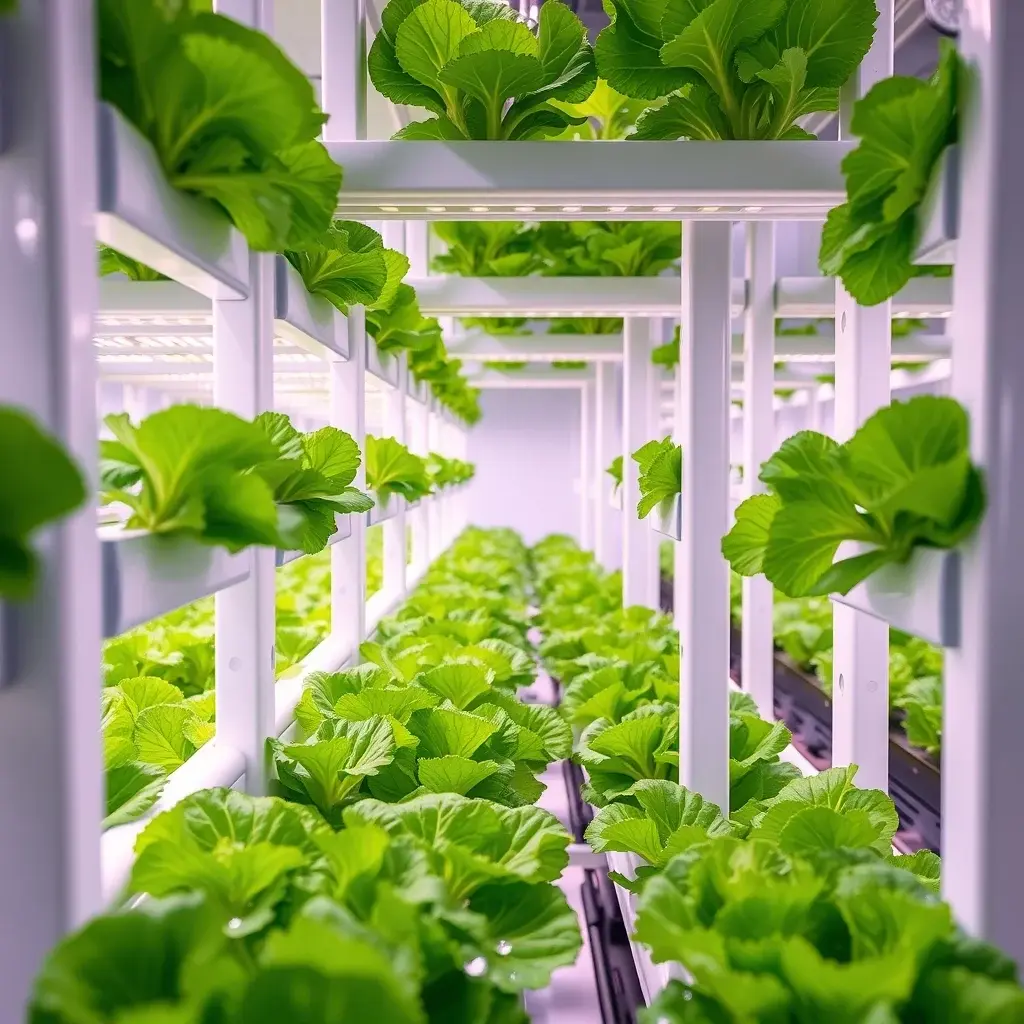
Hydroponics is a smart way to grow plants by using water instead of dirt. People love this method because it works well in small spaces like apartments or backyards. You give your plants exactly what they need to thrive by adding nutrients directly to the water.
Many beginners think growing food this way is hard, but it is actually quite straightforward. Whether you want fresh lettuce in your kitchen or big tomatoes in your garage, this approach helps you get results fast. Check out this guide on Hydroponics: How to Grow Plants Without Soil at Home if you are just starting out.
Understanding How Hydroponics Works
Plants need three main things to grow. They need light, water, and nutrients. Soil usually acts as a way to hold onto water and food, but the dirt itself does not feed the plant. When you remove the soil, you gain total control over the plant’s environment.
The Role of Nutrient Solutions
Because there is no soil, you must provide food through the water. You buy a liquid or powder nutrient solution that contains nitrogen, phosphorus, and potassium. These are the building blocks that keep your leaves green and your roots strong.
| Requirement | Why It Matters |
| Water | Carries nutrients to roots |
| Nutrients | Acts as plant food |
| Oxygen | Prevents root rot |
| Light | Helps plants make energy |
Popular Hydroponic Systems for Beginners
You do not need a fancy setup to start. Most people choose a system based on how much space they have. The simplest way to start is the Deep Water Culture (DWC) method.
- DWC: The plant roots hang in a bucket of oxygenated water.
- Wick System: A simple rope pulls water up to the roots.
- Ebb and Flow: Water floods the tray and then drains away.
Choosing The Best Plants To Grow
Some plants grow much faster than others in water. If you are new to this, start with plants that do not need much weight to hold them up. Leafy greens are the best choice for your first attempt.
- Lettuce
- Basil
- Spinach
- Kale
- Mint
Setting Up Your First System
To begin, you need a reservoir to hold the water and a way to hold the plant. Most people use net pots filled with clay pebbles. These pebbles keep the plant upright while letting roots reach the water below.
Make sure you have an air pump. The air pump pushes bubbles into the water, which gives the roots oxygen. Without bubbles, the roots may drown or rot. Visit earnstools.com to see tools that help you build your own reservoir.
Maintaining Proper pH Levels
Plants are picky about the balance of their water. If the water is too acidic or too basic, the roots cannot drink the food you provide. You should check the pH level at least once a week.
Most vegetables prefer a slightly acidic environment. You can buy a basic testing kit at any garden store. Adjusting the pH is as simple as adding a few drops of a special liquid to your water tank.
Managing Light Requirements
Even if you grow plants indoors, they still need plenty of light. Windows often do not provide enough brightness for plants to grow well. Many growers use LED grow lights to make sure their plants get the right spectrum of light.
| Plant Type | Light Hours Needed |
| Leafy Greens | 12 to 14 hours |
| Tomatoes | 16 to 18 hours |
| Herbs | 12 hours |
Common Mistakes to Avoid
New growers often make a few common errors. First, they add too much nutrient solution. More food does not mean faster growth; it can actually burn the roots. Follow the label on your bottle exactly.
Second, people forget to clean their systems. Algae loves light and water. If you use a clear bucket, algae will grow. Always use an opaque or painted container to keep the light away from the nutrient solution.
Preventing Pests and Disease
Indoor plants get fewer bugs than outdoor plants, but problems still happen. Watch for tiny insects like aphids on the undersides of leaves. If you see them, a gentle wash with soap and water usually takes care of the issue.
Keep your area clean. Remove any dead leaves that fall into the water. Clean habits prevent most diseases before they even start.
Pros and Cons of Hydroponics
This method has many benefits, but it also takes effort. Here is what you should expect.
| Pros | Cons |
| Faster growth | Requires electricity |
| Less water waste | Needs daily checks |
| No soil weeds | Higher starting cost |
Frequently Asked Questions
Does hydroponics taste different than soil gardening?
Many people think the taste is cleaner. Since you control the nutrients, you can often get a very healthy and tasty harvest.
Do I need to change the water often?
You should refresh your water and nutrients every two weeks. This keeps the environment healthy for your plants.
Can I grow fruit in a hydroponic system?
Yes, but plants like tomatoes and peppers need a larger system and more light than lettuce.
Is it expensive to start?
You can build a small system for a low price using household items. As you get better, you can buy more advanced equipment.
Why are my leaves turning yellow?
Yellow leaves usually mean the pH is off or the plant is not getting enough light. Check your water balance first.
How do I know when to harvest?
Pick leaves when they are large enough to eat. For fruiting plants, wait until they reach their full color and feel firm.
Conclusion
Hydroponics is a great hobby for anyone who wants to grow fresh food year-round. Start small with a simple bucket system and a few leafy greens. As you learn more about how your plants react to the light and nutrients, you will feel more confident. Remember to keep your water clean, monitor your pH, and give your plants plenty of light to succeed.
Key Takeaways:
- Use an opaque container to stop algae growth.
- Monitor your pH levels every week for the best results.
- Start with simple crops like lettuce or basil.
- Ensure your roots have access to oxygen through an air pump.
Suggested External Authority Sources:
- USDA National Agricultural Library
- University of Arizona Controlled Environment Agriculture Center