Hydroponics is a smart way to grow plants by using water instead of soil. You give your plants exactly what they need through a nutrient-rich water solution. This method saves space, uses less water than traditional gardening, and often helps plants grow much faster.
| Feature | Soil Gardening | Hydroponics |
|---|---|---|
| Growth Speed | Slower | Faster |
| Water Use | High | Very Low |
| Space Needed | Large plot | Small area |
Outline
| Level | Heading | Purpose |
|---|---|---|
| H2 | How Hydroponics Actually Works | Explain the science simply. |
| H3 | The Role of Nutrients | Detail the feeding process. |
| H2 | Common Hydroponic Systems | Show different setups. |
| H3 | Deep Water Culture | Explain the bubble method. |
| H3 | Nutrient Film Technique | Explain the water flow method. |
| H2 | Selecting the Best Plants | Help beginners choose crops. |
| H2 | Getting Your Equipment Ready | List basic tools. |
| H2 | Monitoring Your Water Quality | Essential maintenance tips. |
| H3 | Checking pH Levels | Explain acidity control. |
| H2 | Avoiding Common Mistakes | Help the reader succeed. |
| H2 | Pros and Cons of Going Soilless | Honest comparison. |
| H2 | Setting Up Your First System | Step-by-step guidance. |
| H2 | Managing Light and Air | Optimizing growth conditions. |
| H2 | Tips for Bigger Harvests | Expert advice. |
| H2 | Conclusion | Wrap up the key points. |
How Hydroponics Actually Works
When you grow plants in soil, they search for nutrients hidden in the dirt. In hydroponics, you place the roots directly into a mix of water and minerals. This saves the plant energy because it does not have to work hard to find food.
You can learn more about the fundamentals in our Hydroponics 2026: How to Grow Fresh Plants Without Soil guide. The main goal is to keep the roots oxygenated and fed. If the water stays stagnant, the plant can drown.
The Role of Nutrients
Plants need specific minerals to survive. Since there is no soil to provide these, you must buy a hydroponic nutrient solution. These solutions contain nitrogen, phosphorus, and potassium. Always follow the instructions on the bottle so you do not burn your plants.
Common Hydroponic Systems
There are many ways to set up a garden. You might want to start with a simple bucket system before moving to complex pipes. Here are the most popular choices for 2026 home growers.
Deep Water Culture
This is often called a DWC system. You suspend your plant in a net pot above a reservoir of water. An air stone at the bottom blows bubbles into the water to keep it oxygenated. It is very simple to build and works great for leafy greens like lettuce.
Nutrient Film Technique
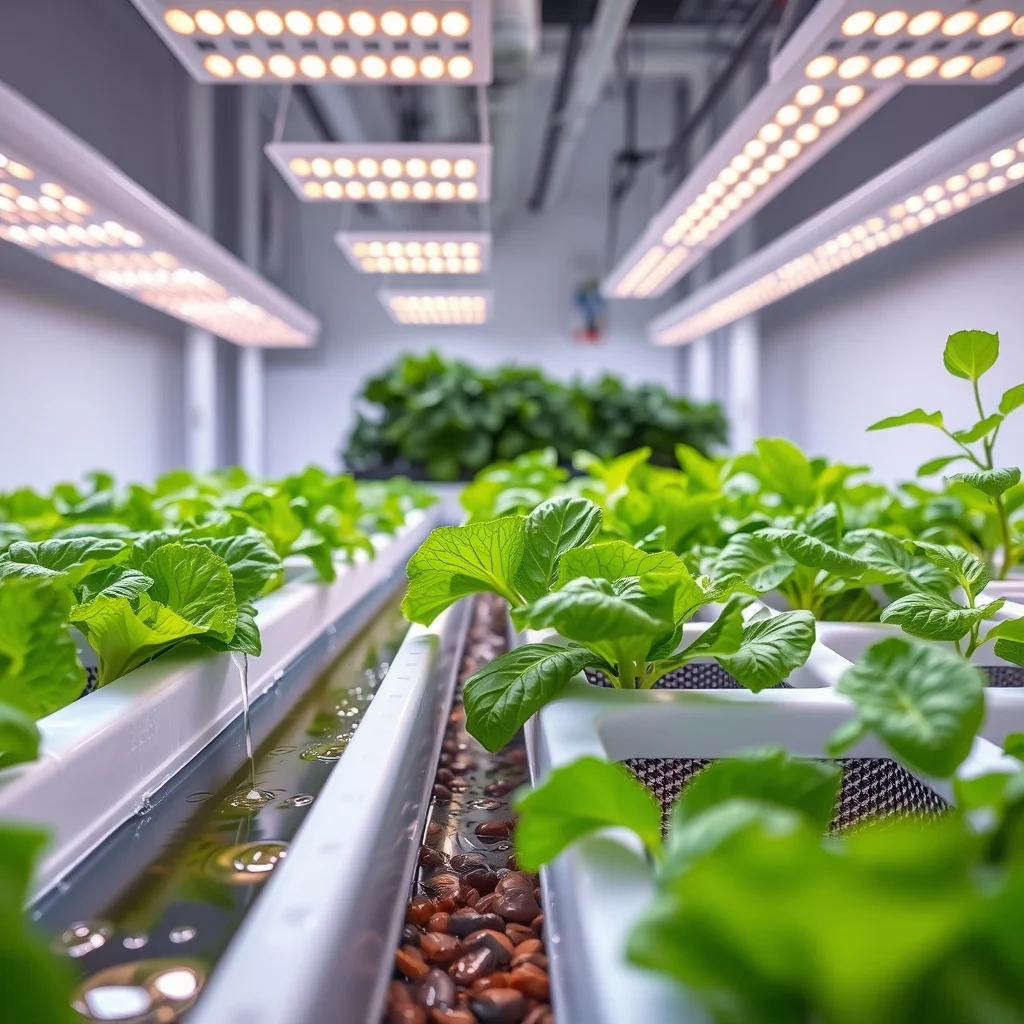
In this system, a thin film of nutrient water flows over the roots. The roots sit in a slanted tube or channel. The water returns to a main tank to be pumped back to the top. This is a favorite for people who want to scale up their production.
| System | Difficulty | Best For |
|---|---|---|
| DWC | Easy | Lettuce, Herbs |
| Wick | Very Easy | Small plants |
| NFT | Moderate | Leafy greens |
Selecting the Best Plants
Not every plant loves water-only environments. Beginners usually have the most success with fast-growing plants. If you are just starting, try these options:
- Lettuce
- Spinach
- Basil
- Mint
- Strawberries
Plants like tomatoes or peppers take longer and require more technical care. Stick to greens for your first few harvests to build your confidence.
Getting Your Equipment Ready
You do not need a lot of money to start. You can visit earnstools.com to see which basic hand tools help with plant maintenance. You will need a reservoir, a small water pump, some net pots, and a light source if you are growing indoors.
Monitoring Your Water Quality
The health of your garden depends on the water. You must check the pH levels at least twice a week. If the water becomes too acidic or too basic, the plants cannot absorb food. Most plants prefer a slightly acidic environment.
Checking pH Levels
Buy a cheap digital pH meter. It will show you a number on a screen. If the number is too high, you use a small amount of pH down liquid. If it is too low, you use pH up. It only takes a few seconds to fix.
Avoiding Common Mistakes
The biggest mistake is overfeeding. People think more food means faster growth. In reality, too much fertilizer will kill your roots. Start with half the recommended strength if you are unsure.
Another mistake is poor light. If you are growing inside, make sure your LED grow lights are close enough to the plants. If the plants look tall and skinny, they are stretching to find more light.
Pros and Cons of Going Soilless
Pros:
- No weeding required.
- Less water waste.
- Higher growth rates.
- No pests from soil.
Cons:
- Requires electricity for pumps.
- System can fail if power cuts out.
- Need to monitor water daily.
Setting Up Your First System
Find a flat spot near a power outlet. Clean your reservoir thoroughly to avoid bacteria. Add your water and nutrients. Place your plant in a net pot with clay pebbles for support. Turn on your pump and watch your plants thrive.
Managing Light and Air
Plants breathe through their leaves and roots. Ensure your room has good airflow. A small fan will make your plants stronger by moving the air around. For lighting, keep the bulbs about 12 to 18 inches away from the top of the plants.
Tips for Bigger Harvests
Keep your water temperature cool. Warm water carries less oxygen. If the reservoir gets too hot, the roots can rot. You can add a frozen bottle of water to the tank during the middle of the day if it gets very hot in your grow area.
Key Takeaways
- Hydroponics is great for year-round growing.
- Start with simple systems like Deep Water Culture.
- Check your pH levels often.
- Always provide enough light for your plants.
- Keep your water clean to prevent root issues.
Frequently Asked Questions
Does hydroponics taste different than soil-grown food? No, it usually tastes the same or even better because the plant gets the exact nutrients it needs.
Can I use tap water? Yes, but let it sit out for 24 hours to let the chlorine evaporate first.
How often should I change the water? Change the water completely every two to three weeks to keep the nutrient balance fresh.
Is it expensive to start? You can start with basic household items for a very low cost.
Can I grow outdoors? Yes, but you will need to protect the system from extreme heat and heavy rain.
Do I need special lights? If you grow inside, you need full-spectrum LED grow lights to mimic the sun.
Conclusion
Growing food using hydroponics is a rewarding hobby. It is clean, efficient, and lets you grow fresh food in any space. Start with a small bucket system and keep a close eye on your water quality. Soon, you will be harvesting your own greens right in your kitchen.
Suggested Internal Link Opportunities: Check our guide on Hydroponics 2026: How to Grow Fresh Plants Without Soil for more technical setup details.
Suggested External Authority Sources: USDA National Agricultural Library, University of Arizona Controlled Environment Agriculture Center.