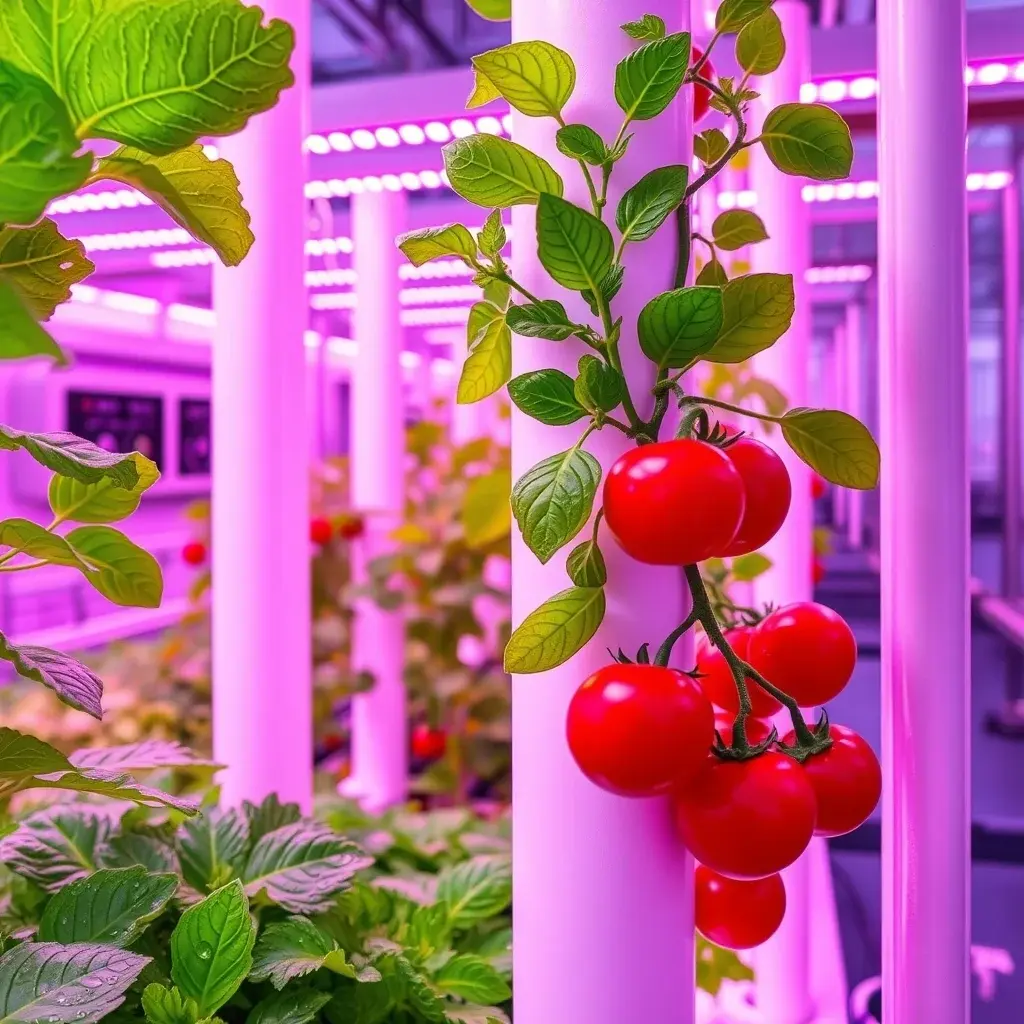
Hydroponics is an advanced method of soilless gardening that cultivates plants using a nutrient-dense water solution delivered directly to plant roots. By bypassing traditional soil, this innovative agricultural technique enables indoor gardeners and commercial growers to harvest vibrant vegetables, aromatic herbs, and luscious fruits anywhere year-round. Understanding how a modern hydroponics system functions allows you to maximize crop yields, accelerate plant development, and conserve natural resources efficiently. In this comprehensive guide, you will discover the foundational science of indoor hydroponics, explore distinct system architectures, and master essential best practices for maintaining thriving soilless crops.
Key Takeaways
- Hydroponic farming eliminates traditional soil, delivering balanced mineral ions dissolved in water directly to root systems for accelerated growth.
- Popular active and passive configurations include Deep Water Culture, Nutrient Film Technique, Ebb and Flow, and Aeroponics.
- Precise management of pH levels, Electrical Conductivity, light spectrum, and dissolved oxygen is vital for plant vitality.
- Soilless cultivation conserves up to 90 percent more water compared to traditional soil-based agricultural practices.
What is Hydroponics and How Does Soilless Cultivation Work?
At its core, hydroponics replaces soil with an inert growing medium and water enriched with essential mineral elements. Soil traditionally serves as a reservoir for nutrients and water while providing physical support for plant roots. However, roots must exert significant energy searching through soil particles for oxygen, water, and essential elements like nitrogen, phosphorus, and potassium.
In a controlled hydroponic environment, plants receive immediate access to tailored liquid nutrients dissolved in oxygenated water. Inert growing media such as coconut coir, expanded clay pebbles, perlite, or rockwool provide physical anchor points without altering nutrient balance. Because plants absorb dissolved minerals effortlessly without searching through dense soil, energy is redirected toward rapid cellular growth, dense foliage production, and bountiful fruit yield.
Core Types of Hydroponics Systems Explained
Selecting the optimal hydroponic system depends on space, budget, desired crop varieties, and grower experience. Hydroponic architectures fall into two primary operational categories: active systems that utilize water pumps to circulate nutrients and passive systems that rely on capillary action or gravity.
1. Deep Water Culture (DWC)
Deep Water Culture stands out as one of the simplest and most productive hydroponic setups for home growers. In a DWC system, plants are held in net pots suspended above a reservoir filled with nutrient solution. The roots remain continuously submerged in water aerated constantly by an air pump and air stone, providing abundant oxygen directly to root cells.
2. Nutrient Film Technique (NFT)
Nutrient Film Technique systems utilize a continuous shallow stream of nutrient solution flowing through slanted channels. Plant roots hang suspended inside the channel, absorbing moisture and mineral ions from the thin film of passing liquid while the upper root system remains exposed to ambient air for optimum oxygen intake.
3. Ebb and Flow (Flood and Drain)
Ebb and Flow systems operate by periodically flooding a grow tray containing plants with nutrient solution from a lower reservoir. Once the root zone is completely saturated, a timer turns off the submersible pump, allowing the liquid to drain back into the reservoir. This cycling draws fresh oxygen deep into the root zone upon draining.
4. Aeroponics and Wick Systems
Aeroponics represents a high-tech approach where roots hang suspended in air and receive liquid nutrients through high-pressure mist nozzles. Conversely, Wick systems offer a low-tech passive solution, using dynamic wicking material to draw liquid nutrients upward from a lower container into the root medium.
Comparing Popular Indoor Hydroponic Systems
| System Type | Mechanism | Skill Level | Best Crops |
|---|---|---|---|
| Deep Water Culture | Roots submerged continuously in aerated nutrient solution | Beginner | Lettuce, spinach, basil, leafy greens |
| Nutrient Film Technique | Continuous shallow stream flowing over suspended roots | Intermediate | Strawberries, herbs, small leafy greens |
| Ebb and Flow | Periodic flooding and draining of root holding tray | Intermediate | Tomatoes, peppers, larger fruiting plants |
| Aeroponics | Roots suspended in mid-air misted with nutrient fog | Advanced | Microgreens, herbs, leafy vegetables |
Essential Environmental Factors for Hydroponic Gardening Success
Achieving outstanding results in indoor hydroponics requires monitoring crucial micro-environmental variables. Maintaining appropriate chemistry prevents nutrient lock-out, root rot, and stunted vegetative growth.
Managing Water Chemistry: pH and Electrical Conductivity (EC)
Maintaining proper pH balance ensures plant roots absorb target nutrients effectively. Most hydroponic crops thrive within a slightly acidic pH range between 5.5 and 6.5. If the pH drifts outside this optimal window, vital nutrients become chemically unavailable to the plant even if present in the liquid.
Electrical Conductivity (EC) measures total dissolved solids and ionic strength within your water reservoir. Monitoring EC allows growers to adjust fertilizer concentrations precisely, ensuring crops receive required macro and micronutrients without experiencing nutrient burn or salt build-up.
Lighting and Climate Control in Indoor Hydroponics
Since indoor crops lack direct sunlight, dedicated grow lights provide necessary Photosynthetically Active Radiation (PAR). Modern full-spectrum LED fixtures deliver optimized light spectrums that mimic natural sunlight while generating minimal excess heat. Maintaining ideal ambient temperature, relative humidity, and airflow around plant canopies ensures efficient transpiration and photosynthesizing performance.
Key Advantages of Indoor Hydroponic Farming
Soilless farming offers unprecedented environmental and operational control. According to research published by the United States Department of Agriculture, controlled environment agriculture significantly reduces water consumption while optimizing land efficiency. Traditional field crops lose vast amounts of moisture to soil evaporation and runoff, whereas hydroponic systems recirculate water inside closed loops.
Furthermore, indoor hydroponics eliminates soil-borne pests, weed competition, and soil diseases, drastically reducing or completely eliminating the need for chemical pesticides. Year-round harvesting capability shields crops against unpredictable weather events, droughts, and seasonal shifts, providing consistent agricultural output within minimal physical footprints.
Common Hydroponics Mistakes and How to Avoid Them
Beginner hydroponic gardeners frequently encounter challenges related to reservoir hygiene and environmental monitoring. Overwatering root zones in passive systems or allowing water temperatures to rise above 72 degrees Fahrenheit (22 degrees Celsius) reduces dissolved oxygen, fostering harmful pathogens like Pythium root rot.
Additionally, neglecting regular reservoir flushes leads to severe salt accumulation and ionic imbalance. Flushing the reservoir with fresh pH-balanced water every ten to fourteen days ensures clean water chemistry and prevents toxic nutrient build-up.
Expert Insight: Optimizing Reservoir Oxygenation for Rapid Root Growth
Experienced growers recognize that dissolved oxygen is the primary engine of hydroponic root health. Root systems require oxygen to power active nutrient transport across cellular membranes. Upgrading reservoir air pumps to supply generous cubic feet per minute (CFM) of airflow dramatically enhances root mass and accelerates vegetative speed. Maintaining lower water temperatures around 65 to 68 degrees Fahrenheit enhances dissolved oxygen capacity, keeping root systems healthy, bright white, and highly absorbent.
Frequently Asked Questions
What crops are best suited for beginner indoor hydroponics?
Leafy greens such as butterhead lettuce, spinach, kale, and tender culinary herbs like basil and mint are ideal for beginners due to their fast growth cycles and tolerant nutrient demands.
How often should hydroponic nutrient solutions be replaced?
Nutrient reservoirs should generally be drained, thoroughly cleaned, and refilled with fresh nutrient solution every seven to fourteen days to maintain ideal mineral ratios and prevent salt build-up.
Do hydroponic plants require special lighting indoors?
Yes, indoor hydroponic setups rely on modern full-spectrum LED grow lights or high-intensity discharge lamps to provide necessary photosynthetically active radiation required for healthy plant growth.
Is hydroponic produce organic?
Hydroponic produce can be certified organic depending on specific national organic standards, provided all fertilizers and inert growing substrates originate strictly from approved organic inputs.
To start your soilless gardening journey successfully, choose a simple Deep Water Culture system, invest in an accurate digital pH meter, and cultivate fast-growing leafy greens to gain practical confidence before expanding into complex flowering crops.