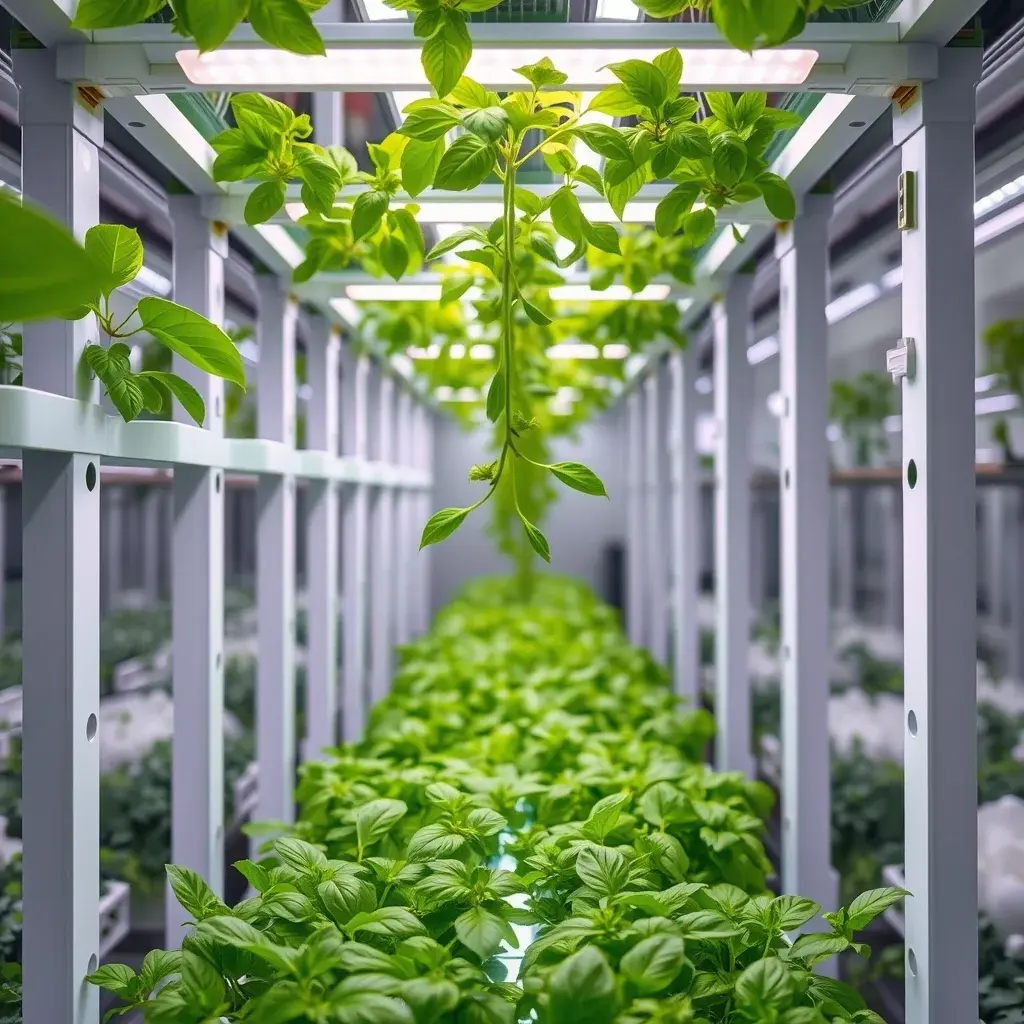
Hydroponics gardening is a high-yield method of growing plants without soil by delivering mineral nutrient solutions directly to plant roots in a water solvent. This innovative technique allows crops to absorb essential elements with minimal energy expenditure, resulting in up to 50 percent faster growth rates and substantially higher yields compared to traditional soil-based farming. Whether utilizing compact indoor hydroponics setups for home herbs or scaling commercial hydroponic farming operations, soilless gardening optimizes resource efficiency, conserving up to 90 percent more water while entirely eliminating soil-borne pests and weeds.
Key Takeaways
- Hydroponics delivers water and essential minerals directly to root systems, bypassing the need for traditional soil mediums.
- Indoor hydroponic systems conserve up to 90% more water compared to traditional field agriculture.
- Popular hydroponic methods include Deep Water Culture (DWC), Nutrient Film Technique (NFT), and Ebb and Flow systems.
- Precise control over water pH, electrical conductivity (EC), and light spectra is key to maximizing plant health and crop yield.
What is Hydroponics and How Does It Work?
At its core, hydroponics replaces soil with a nutrient-rich water solution and an inert growing medium to support plant roots. In traditional gardens, plant roots must actively forage through dense soil to extract nutrients and moisture. Hydroponics streamlines this process by delivering dissolved nitrogen, phosphorus, potassium, and trace minerals directly to the root zone.
Because the plant spends far less metabolic energy searching for nutrients, it redirects its vital resources toward vegetative growth, leaf development, and fruit production. Plants cultivated in a controlled hydroponic system often reach harvest maturity significantly faster than soil-grown counterparts.
To support plant structure without soil, growers use inert substrates such as coco coir, expanded clay pebbles, rockwool, perlite, or vermiculite. These mediums retain oxygen and moisture around the root tissue without altering the chemical balance of the nutrient solution.
Key Benefits of Soilless Gardening
Transitioning from ground agriculture to controlled soilless cultivation offers environmental, economic, and operational advantages. By isolating the root environment, growers retain absolute control over biological and chemical inputs.
Water conservation stands out as one of the most significant advantages. In recirculating hydroponic systems, water is captured, filtered, and continuously cycled back to the crops. This closed-loop design drastically reduces consumption, making hydroponic farming an essential solution for dry climates and urban areas.
Space efficiency is another major benefit. Because root systems do not need to spread out horizontally to find sustenance, plants can be spaced much closer together. Vertical hydroponics further multiplies acreage by stacking growing trays upward, maximizing crop density per square foot.
Indoor hydroponics eliminates common soil pathogens, root parasites, and weed seeds. This clean environment minimizes or entirely eliminates the need for chemical pesticides, yield-limiting herbicides, and aggressive soil fumigants.
Types of Hydroponic Systems
Understanding the mechanical structure of different hydroponics system setups allows growers to choose the best configuration for their space, budget, and crop selection.
1. Deep Water Culture (DWC)
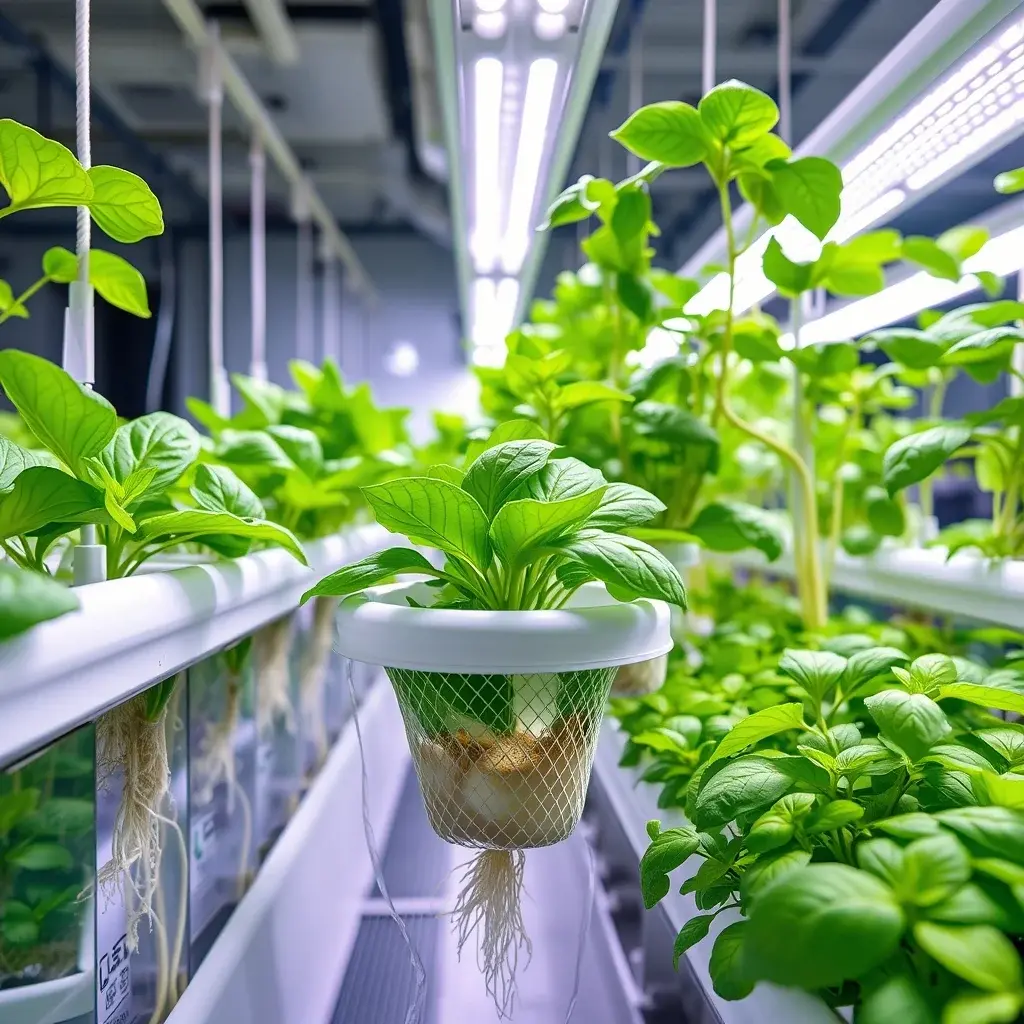
Deep Water Culture is one of the simplest and most efficient hydroponic methods. Plants are suspended in net pots above a reservoir filled with nutrient-enriched water. The roots remain continuously submerged in the solution, which is constantly oxygenated using an aquarium air pump and air stone. DWC is ideal for fast-growing leafy greens like lettuce, spinach, and herbs.
2. Nutrient Film Technique (NFT)
In an NFT system, a continuous shallow stream of nutrient solution flows over the bare roots of plants housed in sloping channels or gullies. The solution drains into a main reservoir and is continuously recirculated back to the top of the system by a submersible pump. The top of the root mass remains exposed to air, ensuring abundant oxygen intake while the bottom roots absorb moisture and minerals.
3. Ebb and Flow (Flood and Drain)
The Ebb and Flow system operates on a timed cycle. A grow tray filled with an inert medium like expanded clay pebbles is periodically flooded with nutrient solution from a submerged reservoir below. Once the tray fills to a designated level, gravity drains the solution back down into the reservoir. This periodic flooding delivers nutrients while drawing fresh oxygen down into the root zone as the water recedes.
4. Drip Systems
Widely used in commercial hydroponic farming, drip systems use micro-tubing to pump nutrient solution directly to the base of individual plants. Drip emitters release precise micro-doses of water onto growing media like coco coir. Excess solution can either drain to waste or recirculate back into the main tank.
Comparing Popular Hydroponics Systems
| System Type | System Complexity | Best Crops | Maintenance Level |
|---|---|---|---|
| Deep Water Culture (DWC) | Low | Lettuce, Herbs, Kale | Low |
| Nutrient Film Technique (NFT) | Medium | Strawberries, Greens, Microgreens | Medium |
| Ebb and Flow | Medium | Tomatoes, Peppers, Cucumbers | Medium |
| Drip System | High | Large Fruiting Plants, Root Crops | High |
Managing Water Quality, pH, and Nutrients
Maintaining proper chemistry inside your reservoir is vital for healthy hydroponic plant growth. Plants can only absorb nutrients when the root environment falls within a specific pH window, typically between 5.5 and 6.5.
If the pH drifts too high (alkaline) or drops too low (acidic), nutrients become chemically bound and unavailable to the plant, a condition known as nutrient lockout. Regular monitoring with a digital pH meter and adjustments using pH Up or pH Down solutions prevent systemic nutrient deficiencies.
Electrical Conductivity (EC) measuring tools gauge the concentration of dissolved mineral salts in your water reservoir. Young seedlings require a lower EC concentration, while rapidly growing fruiting crops demand a higher nutrient concentration to fuel foliage and blossom growth.
Water quality and environmental guidelines established by agricultural authorities, such as the United States Department of Agriculture, emphasize maintaining clean water reservoirs to protect plant health and guard against contamination in indoor agricultural environments.
Best Practices for Indoor Hydroponics Success
Indoor hydroponics requires balancing light spectrums, ambient temperature, humidity, and air circulation to construct an optimal microclimate.
High-efficiency LED grow lights provide full-spectrum lighting tailored for plant photosynthesis. Positioning grow lights at the proper distance prevents heat stress while supplying sufficient photosynthetically active radiation (PAR) for dense foliage.
Maintaining air movement with small oscillating fans prevents stagnant pockets of humidity around crop canopies. Adequate air circulation reduces the risk of fungal infections such as powdery mildew and botrytis gray mold.
Reservoir water temperatures should ideally remain between 65°F and 70°F (18°C to 21°C). Excessively warm water holds significantly less dissolved oxygen and encourages beneficial-root-killing organisms like Pythium (root rot).
Expert Insight: Fine-Tuning Reservoir Oxygenation
Experienced hydroponic growers prioritize root aeration above all other variables. While high-quality plant food and intense grow lighting are essential, oxygen availability at the root site dictates how efficiently plants take up water and minerals. Installing heavy-duty air pumps paired with fine-bubble micro-diffusers maintains dissolved oxygen concentrations near saturation levels. Keep oxygen levels elevated to build robust, bright-white root structures that resist disease and support heavy vegetative growth.
Frequently Asked Questions
Is hydroponics hard for beginners to learn?
Hydroponics is very accessible for beginners, especially when starting with simple setups like Deep Water Culture or small wick systems. Basic systems require only a reservoir, air pump, grow medium, and premixed hydroponic nutrients to get started.
Can any plant be grown hydroponically?
Virtually any plant can be grown hydroponically, but leafy greens, culinary herbs, tomatoes, peppers, and strawberries thrive most easily. Root vegetables like carrots and potatoes are less common in hobby setups due to space and substrate constraints.
How often should I change the hydroponic nutrient solution?
You should completely drain, clean, and refresh your hydroponic reservoir solution every 7 to 14 days. Regular changes prevent nutrient imbalances, salt buildup, and pathogen proliferation within the water supply.
Do hydroponic vegetables taste good compared to soil crops?
Hydroponic vegetables often feature exceptional flavor and crisp texture because plants receive precise, optimal nutrient rations throughout their growth cycle. Flavor compounds depend primarily on genetic variety, proper lighting, and balanced mineral supply rather than the presence of natural soil.
To begin your journey with hydroponics gardening, select a straightforward system like Deep Water Culture, acquire a reliable digital pH meter, and start with fast-growing crops such as sweet basil or butterhead lettuce to gain hands-on experience managing your nutrient reservoir.
One thought on “The Complete Guide to Hydroponics Gardening: Systems, Benefits, and Getting Started”