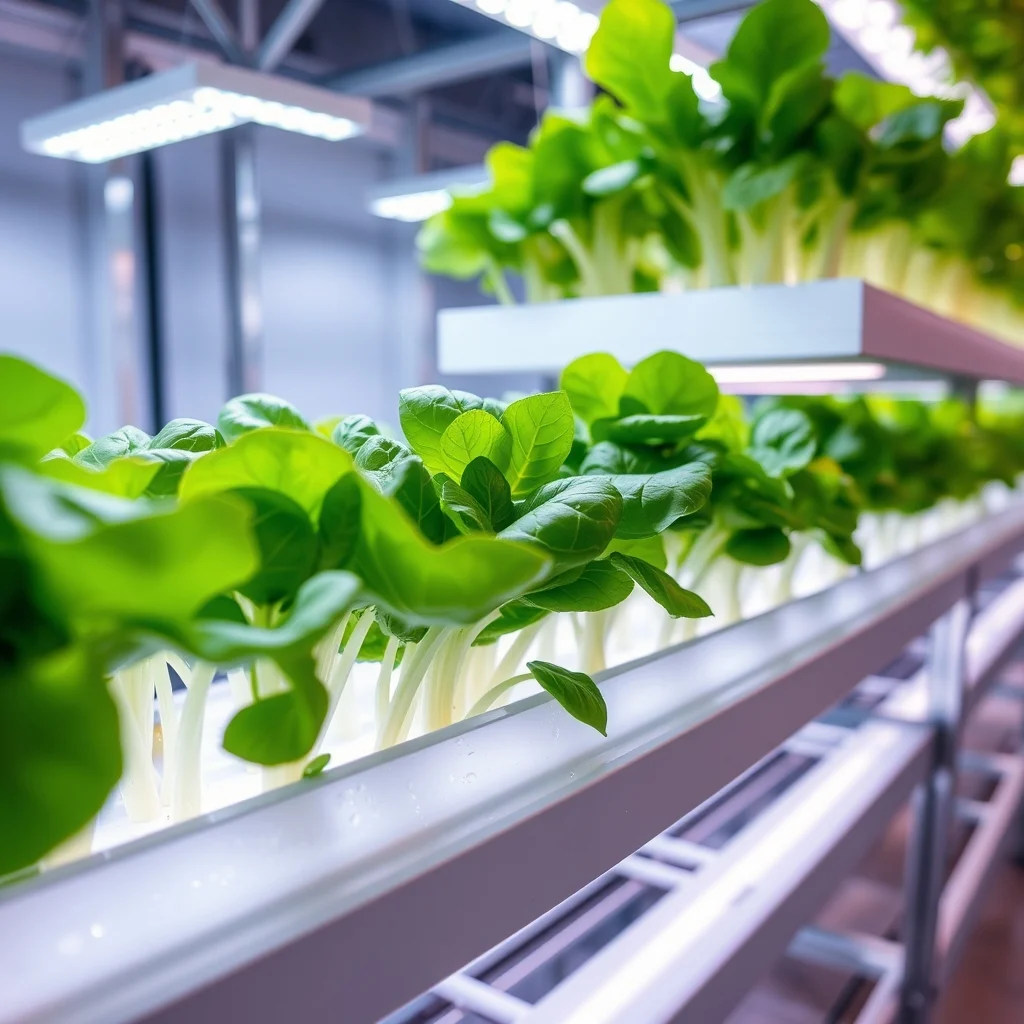
Hydroponics gardening is an innovative method of cultivating plants in a nutrient-rich, water-based solution without the use of soil. By delivering essential minerals directly to plant root systems in a controlled environment, hydroponic farming accelerates growth, maximizes crop yields, and dramatically conserves water compared to traditional agriculture. Whether you are exploring indoor hydroponics in a small city apartment or setting up a large-scale commercial greenhouse, understanding how these soilless systems function empowers you to grow lush vegetables, vibrant herbs, and juicy fruits year-round. In this comprehensive guide, you will learn about foundational mechanics, popular hydroponics system designs, optimal nutrient balances, and essential maintenance practices required for a thriving soilless garden.
Key Takeaways
- Hydroponic systems deliver dissolved mineral nutrients directly to plant roots, eliminating the need for soil and achieving up to 90% higher water efficiency compared to traditional farming.
- Popular indoor hydroponics methods include Deep Water Culture (DWC), Nutrient Film Technique (NFT), Drip Systems, and Wick Systems, each offering unique trade-offs for beginner and advanced growers.
- Precise management of pH levels (typically between 5.5 and 6.5), electrical conductivity (EC), water temperature, and lighting spectrum is essential for maximizing growth rates and preventing root diseases.
What is Hydroponics and How Does It Work?
At its core, hydroponic farming bypasses soil by providing plants with direct access to an oxygenated solution packed with macro and micronutrients. In traditional soil cultivation, plant roots must expend considerable energy searching through earth for water and mineral elements. Soilless gardening removes this physical struggle, allowing the plant to channel its energy directly into vegetative foliage, robust stems, and abundant fruit production.
In a typical hydroponics system, an inert medium—such as expanded clay pebbles, rockwool, coco coir, or perlite—supports the physical structure of the plant roots. The grower introduces a carefully balanced liquid nutrient solution directly to the root zone via automated pumps, gravity feeds, or passive capillary action. Because roots remain oxygenated and fully nourished, crop maturation rates can increase by up to 30 to 50 percent compared to soil-based growing.
Key Benefits of Soilless Gardening and Indoor Hydroponics
The rise of indoor hydroponics offers remarkable advantages for urban growers, hobbyists, and commercial agriculture. By controlling environmental variables, growers eliminate seasonal restrictions, weed growth, and soil-borne pests like nematodes or fungal wilt organisms. This yields cleaner, pesticide-free produce that can be harvested fresh every week of the year.
Conservation of resources stands out as another primary benefit. Hydroponic farming recirculates water within closed-loop reservoirs, utilizing up to 90 percent less water than conventional field farming, where much of the applied water is lost to drainage, runoff, and evaporation. Furthermore, vertical hydroponic setups maximize spatial efficiency, producing higher yields per square foot in compact urban spaces.
Comparing Popular Types of Hydroponics Systems
Selecting the right hydroponic setup depends on your space, technical expertise, budget, and the specific plants you intend to cultivate. Below is a comparative overview of the core active and passive hydroponic methods.
| System Type | Operating Mechanism | Best Plants To Grow | Complexity Level |
|---|---|---|---|
| Deep Water Culture (DWC) | Roots stay submerged in oxygenated nutrient solution continuously. | Lettuce, spinach, basil, small leafy greens | Beginner |
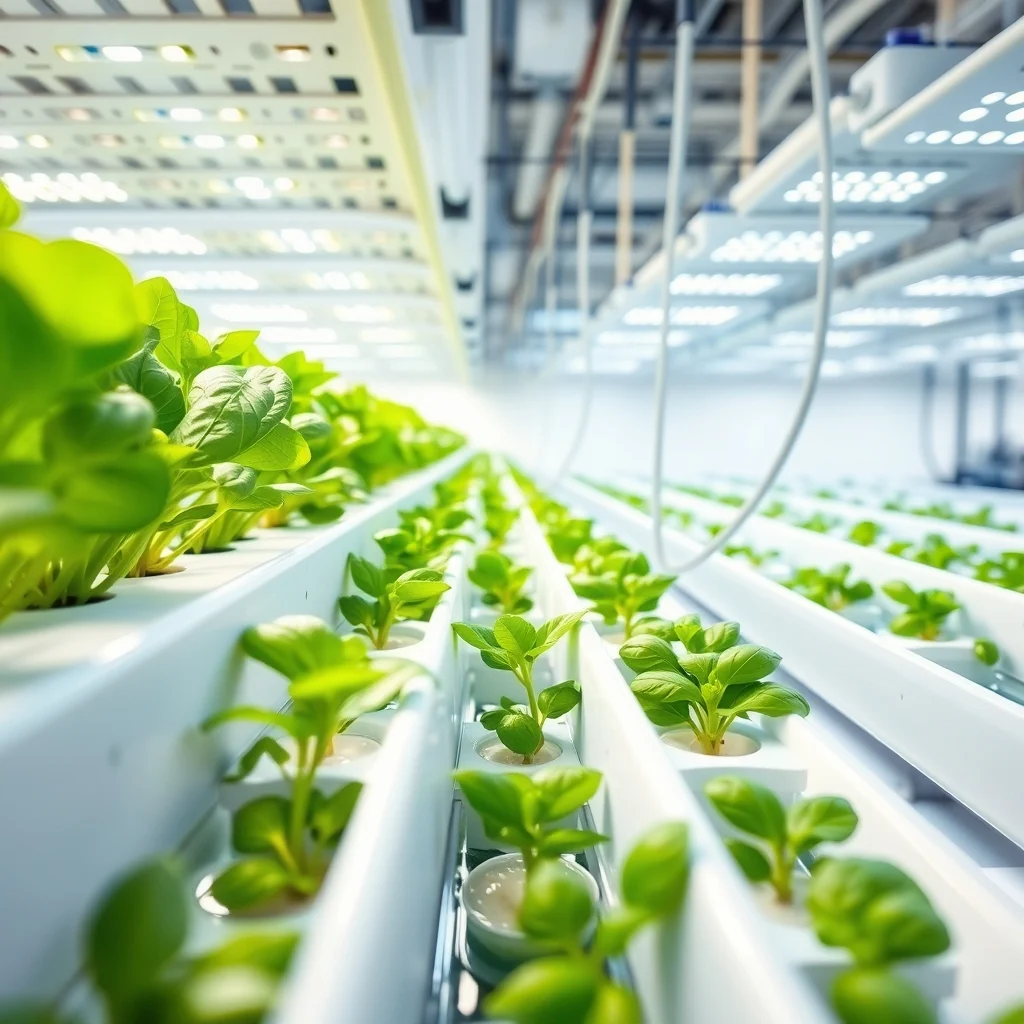
| Nutrient Film Technique (NFT) | A thin stream of nutrient solution flows continuously over roots in sloped channels. | Strawberries, herbs, greens, small brassicas | Intermediate |
| Ebb and Flow (Flood & Drain) | Grow tray is periodically flooded with nutrient solution and drained back to reservoir. | Tomatoes, peppers, root vegetables, larger plants | Intermediate |
| Drip System | Drip emitters deliver controlled nutrient solution to individual plant bases. | Large fruiting plants, cucumbers, tomatoes | Intermediate to Advanced |
| Wick System | Passive system using capillary wicks to draw liquid from reservoir to growing medium. | Small indoor herbs, microgreens | Beginner |
| Aeroponics | Plant roots hang suspended in air and are periodically misted with high-pressure sprayers. | Leafy greens, herbs, root cuttings, potatoes | Advanced |
Essential Variables for Hydroponic Success
Mastering indoor hydroponics requires monitoring three critical factors: nutrient chemistry, water temperature, and artificial lighting. The chemical balance of your reservoir dictates how effectively plants absorb essential elements like nitrogen, phosphorus, potassium, calcium, and magnesium.
Managing pH and Electrical Conductivity (EC)
Maintaining a precise pH range between 5.5 and 6.5 ensures that all essential mineral ions remain biologically available to the roots. If the pH strays above 7.0 or below 5.0, plants suffer from nutrient lockouts, displaying yellowing leaves or stunted growth despite high nutrient concentrations. Electrical conductivity (EC) measures the concentration of dissolved minerals, serving as an operational gauge for nutrient strength.
Optimizing Lighting and Aeration
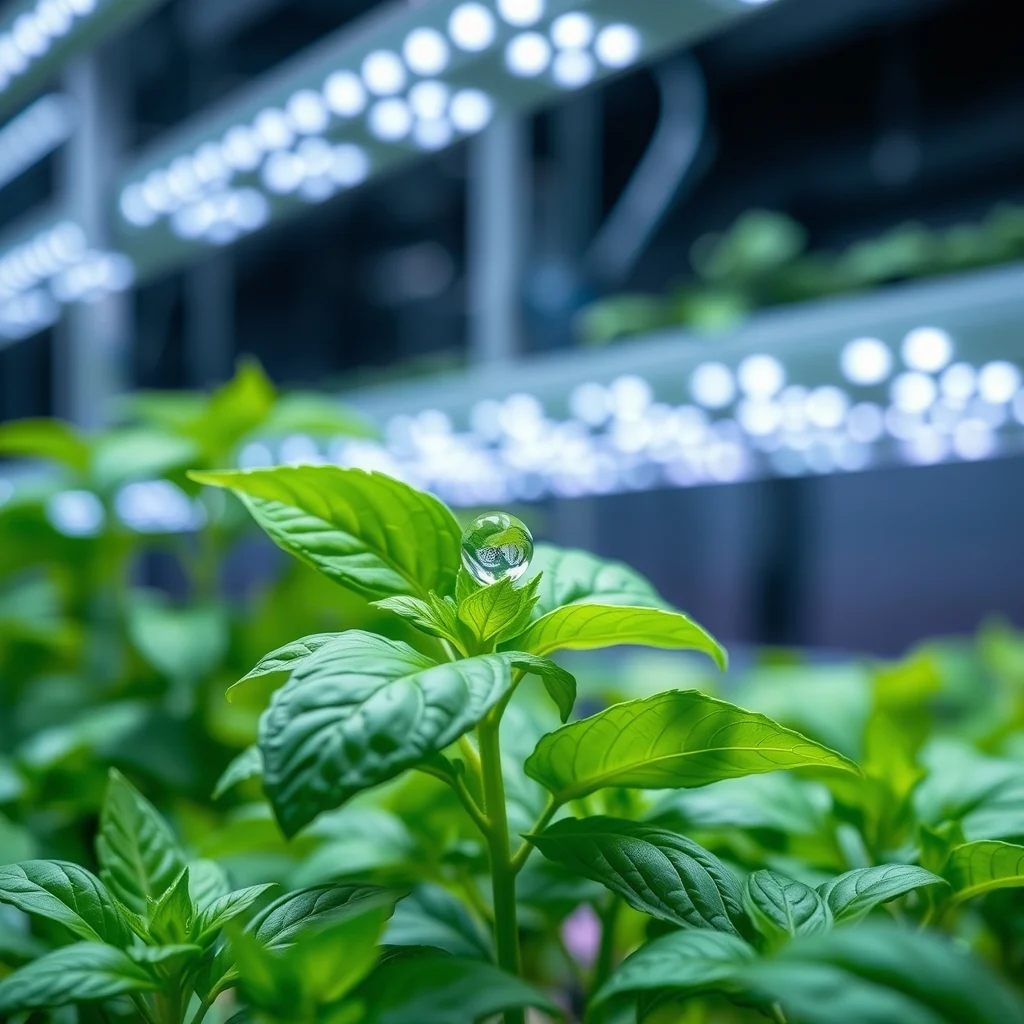
Indoor setups rely heavily on high-efficiency LED grow lights or high-intensity discharge lamps to replace natural sunlight. Providing 12 to 16 hours of targeted light spectrums daily fuels photosynthetically active radiation. Additionally, air pumps paired with air stones must constantly oxygenate the nutrient solution in DWC systems to prevent root rot caused by pathogens such as Pythium.
Best Practices for Maintaining a Healthy Hydroponic Garden
Consistent routine maintenance guarantees high productivity and protects your living investment from system failures. Establishing daily check-ups and weekly system flushes prevents mineral salt buildup and wards off bacterial infections.
Every seven to fourteen days, completely drain and clean your nutrient reservoir before refilling it with fresh, filtered water and calibrated mineral nutrients. According to agricultural research from Utah State University Extension, maintaining ideal solution temperatures between 65°F and 72°F (18°C to 22°C) optimizes dissolved oxygen levels while suppressing root pathogen development.
Inspect leaves regularly for early signs of micronutrient deficiencies or pest incursions. Maintaining steady ambient air circulation with oscillating fans removes stagnant microclimates around leaves, discouraging powdery mildew and promoting strong stem structure.
Common Hydroponics Mistakes and How to Avoid Them
Novice indoor growers frequently encounter preventable pitfalls that can derail plant health. One widespread error is over-fertilization, which leads to mineral salt accumulation on roots and burned leaf tips. Always start with a lower nutrient concentration than maximum manufacturer recommendations and gradually increase as crops mature.
Another frequent oversight is ignoring water temperature fluctuations. Nutrient solutions that exceed 75°F (24°C) lose dissolved oxygen rapidly, creating an anaerobic environment where destructive root fungi thrive. Installing a submersible water chiller or placing reservoirs on cool insulated surfaces keeps root zones stable and resilient.
Expert Insight: A Practical Setup for Beginners
For those starting their first indoor hydroponics project, a simple 5-gallon Deep Water Culture (DWC) system yields immediate success with low capital investment. Begin by drilling a hole in a 5-gallon food-grade bucket lid to fit a 6-inch net cup filled with expanded clay pebbles. Fill the bucket with water, adjust the pH to 6.0, add a balanced two-part hydroponic nutrient formula, and connect a small dual-outlet aquarium air pump to two air stones submerged at the bottom. Insert a lettuce seedling into the clay pebbles, position a 30-watt LED grow light six inches above the plant, and run it for 14 hours daily. This simple setup yields crisp, harvestable heads of lettuce within four to five weeks with minimal maintenance.
Frequently Asked Questions
Is hydroponic farming better than soil gardening?
Hydroponic farming offers faster growth rates, higher yields, and superior water efficiency compared to traditional soil gardening. However, soil gardening often requires lower upfront equipment costs and provides natural buffers against sudden environmental changes.
Can you grow any plant in a hydroponics system?
While almost any plant can technically grow hydroponically, leafy greens, herbs, tomatoes, peppers, and strawberries thrive best. Deep root crops like carrots and potatoes can be grown using specialized aeroponic or deep-aggregate setups, though they require more effort.
How often should I change my hydroponic nutrient solution?
You should completely change your hydroponic nutrient solution every 7 to 14 days. Regular changes prevent nutrient imbalances, salt buildup, and pathogen growth, ensuring plants receive optimal nutrition.
Do hydroponic vegetables taste as good as soil-grown produce?
Yes, hydroponic vegetables can taste just as flavorful—and often superior—to soil-grown produce. Because growers precisely control macro and micro-nutrients, plants produce high levels of natural sugars, aromatic compounds, and vitamins.
Embracing hydroponics opens up a world of continuous, high-yield gardening right inside your home regardless of outdoor weather or soil conditions. Take your first step today by selecting a straightforward system like Deep Water Culture, assembling your essential supplies, and experiencing the incredible speed and satisfaction of growing your own fresh, nutritious food soillessly.