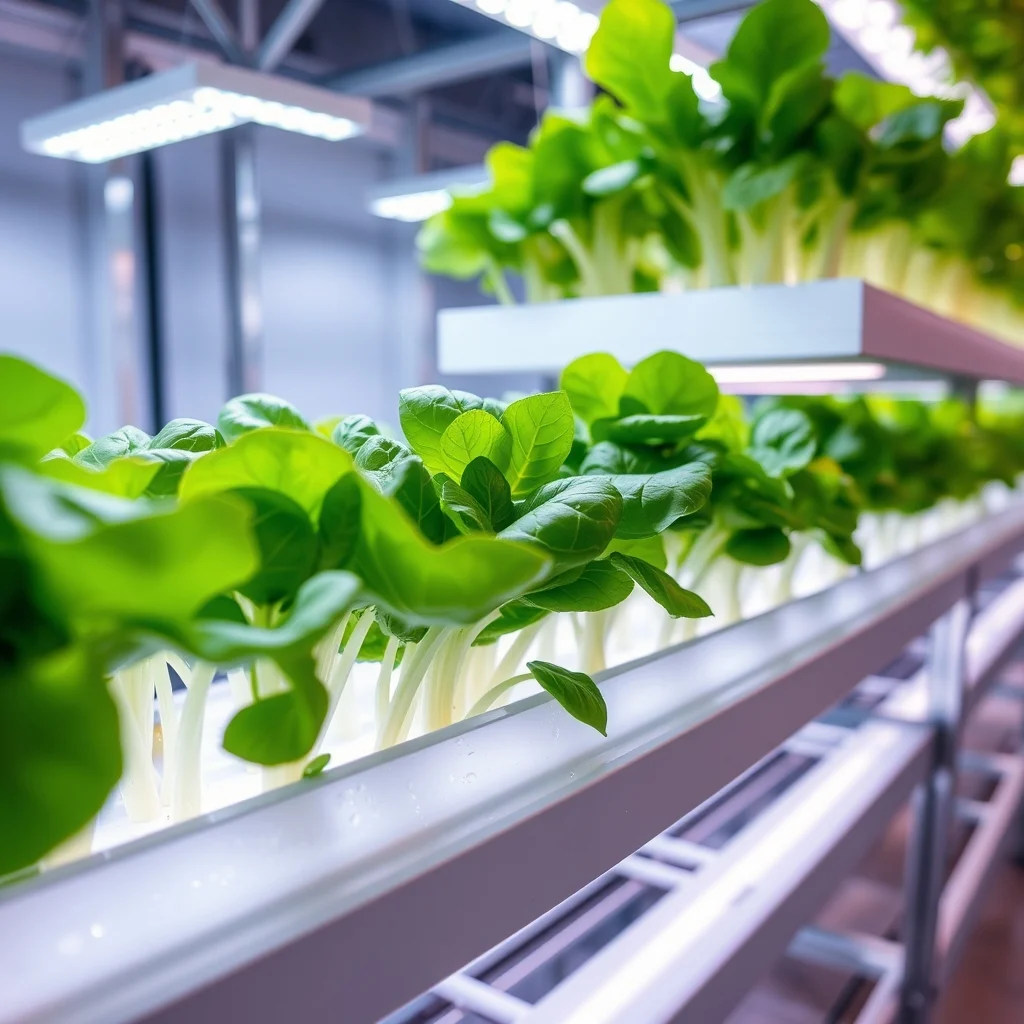
Hydroponics gardening is a high-efficiency, soil-free agricultural methodology where plants grow in oxygenated, nutrient-rich water solutions. By delivering essential minerals directly to root systems without soil barriers, indoor hydroponics accelerates crop growth by up to 50 percent while using up to 90 percent less water than traditional soil farming. Whether cultivating vibrant leafy greens in a compact urban apartment or establishing a high-yielding indoor hydroponic farming setup, mastering soilless gardening provides ultimate control over plant nutrition, light exposure, and microclimates year-round.
Key Takeaways
- Hydroponic systems optimize water and nutrient efficiency by delivering precise mineral solutions directly to plant roots.
- Six primary system designs exist, ranging from passive Wick setups to dynamic Deep Water Culture and Nutrient Film Technique configurations.
- Maintaining optimal pH range (5.5 to 6.5) and electrical conductivity (EC) prevents nutrient lockout and ensures maximal plant growth.
- Indoor hydroponics enables continuous, high-density harvesting regardless of external seasonal limitations or soil quality.
What is Hydroponics and How Does Soilless Gardening Work?
At its core, hydroponics strips away the necessity of natural topsoil, replacing it with an engineered liquid environment tailored for rapid botanical growth. Soil primarily serves as a structural support system and a reservoir for water and dissolved minerals. In a hydroponic farming ecosystem, plants are supported by inert substrates such as coco coir, expanded clay pebbles, perlite, or rockwool, while their root zones hang submerged or regularly bathed in a nutrient solution.
Without the physical resistance of dense soil, plant roots expand effortlessly, allocating their metabolic energy directly into lush foliage, robust stems, and abundant fruit production. Dissolved oxygen plays a pivotal role in this process; dynamic aeration systems inject air directly into the root zone, preventing oxygen starvation and discouraging pathogenic organisms like Pythium root rot from colonizing the reservoir.
The science of soilless gardening relies on precise control over macronutrients—nitrogen, phosphorus, potassium, calcium, magnesium, and sulfur—alongside essential micronutrients like iron, manganese, and zinc. According to research accessible through the USDA National Agricultural Library, controlled environment agriculture significantly enhances resource efficiency by eliminating agricultural runoff and mitigating topsoil degradation.
Core Types of Hydroponic Systems Explained
Selecting the ideal hydroponic system layout depends on crop selection, available space, and desired automation levels. Hydroponic systems fall into two broad functional categories: passive setups, which rely on capillary action without mechanical pumps, and active setups, which continuously or periodically circulate solution using electrical pumps.
1. Deep Water Culture (DWC)
Deep Water Culture is one of the most accessible and highly productive active hydroponic methods. Plants rest in net pots suspended above a reservoir filled with nutrient solution. Submerged roots remain continuously bathed in water, while a dedicated air pump and bubble diffuser continuously oxygenate the liquid to prevent suffocation.
2. Nutrient Film Technique (NFT)
In an NFT system, plants grow inside sloped, shallow channels. A continuous, thin stream or film of nutrient solution flows over the bare tips of the root mass by gravity before draining back into a lower reservoir. The top portion of the roots stays exposed to ambient moist air, granting exceptional oxygenation alongside constant nourishment.
3. Ebb and Flow (Flood and Drain)
Ebb and Flow systems operate on a timed cycle. A grow tray containing plants in inert media is periodically flooded with nutrient solution from a subterranean reservoir via a submersible water pump. Once flooded, gravity drains the liquid back down through the pump, pulling fresh oxygen down into the root substrate during every siphon cycle.
4. Drip Systems
Highly flexible and widely utilized in commercial hydroponic farming, drip systems pump solution through tiny drip lines directly to the base of individual plants. Excess solution can either drain to waste or return to the main reservoir for recirculation, depending on grower preference and system design.
5. Aeroponics
Aeroponics represents the frontier of modern indoor hydroponics. Plants hang suspended in air-tight chambers where high-pressure misters saturate suspended roots with a fine mist of nutrient solution every few minutes. This maximum exposure to air produces unmatched growth rates, though systems require precise maintenance to prevent misting nozzles from clogging.
6. Wick System
The Wick system is a simple, passive method requiring no electricity, pumps, or moving parts. Capillary wicks pull nutrient solution upward from a reservoir directly into the growing substrate surrounding the roots. While ideal for small herbs, it is unsuitable for large, thirsty crops.
Hydroponic System Comparison Matrix
| System Type | Skill Level | Ideal Crops | Water Efficiency | Maintenance Level |
|---|---|---|---|---|
| Deep Water Culture (DWC) | Beginner to Intermediate | Lettuce, Basil, Kale, Spinach | High | Low to Moderate |
| Nutrient Film Technique (NFT) | Intermediate to Advanced | Greens, Herbs, Strawberries | Very High | Moderate |
| Ebb and Flow | Intermediate | Tomatoes, Peppers, Cucumbers | Moderate to High | Moderate |
| Drip System | Intermediate to Advanced | Large Tomatoes, Melons, Squash | Moderate | Moderate to High |
| Aeroponics | Advanced | Leafy Greens, Root Cuttings, Herbs | Exceptional | High |
| Wick System | Beginner | Microgreens, Small Culinary Herbs | Moderate | Low |
Essential Components of an Indoor Hydroponic System
Constructing a thriving indoor hydroponic environment requires several core technical components working in harmony. Omitting or neglecting any of these key elements can swiftly compromise crop yields or cause system failures.
- High-Efficiency Grow Lights: Indoor crops require full-spectrum LED or T5 fluorescent grow lamps providing adequate Photosynthetically Active Radiation (PAR) to power photosynthesis without generating excessive thermal stress.
- Aeration and Circulating Pumps: Submersible water pumps ensure fluid movement, while heavy-duty air pumps paired with ceramic air stones maintain high dissolved oxygen levels within the reservoir.
- Hydroponic Mineral Nutrients: Pure water lacks sufficient nourishment; specialized liquid or dry water-soluble fertilizers provide completely bioavailable ionic salts designed specifically for hydroponic application.
- Inert Growing Media: Substrates such as expanded clay pebbles, coconut coir, and rockwool cubes offer structural anchorage for roots while preserving optimal water-to-air ratios.
- Digital Testing Instruments: Calibrated electronic meters measuring pH (acidity) and Electrical Conductivity (EC) or Total Dissolved Solids (TDS) enable precise real-time monitoring of nutrient concentrations.
Critical Environmental Controls for Peak Hydroponic Yields
Managing the immediate atmosphere and water quality is crucial when managing an indoor hydroponics system. Unlike soil, which buffers mineral swings and temperature shifts, hydroponic root zones register environmental variances instantly.
Maintaining target water temperatures between 65°F and 68°F (18°C to 20°C) is ideal. Water temperatures exceeding 72°F (22°C) drop dissolved oxygen capacity dramatically while inviting root rot pathogens. Conversely, excessively cold water can shock root systems and halt nutrient uptake.
Acidity levels dictate mineral availability. The optimal pH window for most hydroponic crops lies between 5.5 and 6.5. When pH drifts outside this sweet spot, plants experience nutrient lockout—a condition where essential elements like iron or calcium remain physically present in the water but chemically inaccessible to the roots.
Common Hydroponic Gardening Mistakes and Troubleshooting
Despite the immense advantages of soilless gardening, beginners frequently run into easily avoidable pitfalls. Recognizing early warning signs keeps your indoor garden vibrant and blooming year-round.
Algae Accumulation in Reservoirs
Algae flourishes whenever standing water containing mineral salts encounters ambient light. Algae competes directly with plants for nutrients and depletes dissolved oxygen. Prevent algae growth by using opaque, light-proof reservoirs, tubing, and net pot covers.
Nutrient Burn and Over-Concentration
Providing excessive concentrations of liquid fertilizer leads to nutrient burn, manifested as scorched, brittle leaf tips and stunted growth. Monitor EC levels daily, diluting hyper-concentrated reservoirs with fresh, filtered water whenever readings spike above target ranges.
Inadequate Root Aeration
Slimy, brown, or foul-smelling roots indicate an oxygen-deprived root zone infected with water mold. Upgrade air pump volume, replace worn air stones, and maintain low water temperatures to ensure dark, moist root zones remain saturated with oxygen.
Expert Insight: Managing Reservoir Flushes for Long-Term Health
A proven operational practice in production-scale hydroponics is performing complete reservoir flushes every 10 to 14 days. Over time, plant roots selectively absorb specific ions while leaving behind unused salt compounds, leading to skewed nutrient ratios and unrecorded EC drift.
To execute a flush, pump out the old nutrient solution completely, clean the reservoir walls with diluted food-grade hydrogen peroxide or hot water, and refill with fresh, pH-adjusted water before adding fresh mineral nutrients. This disciplined cycle prevents toxic salt build-up, cleanses root zones, and gives crops a balanced nutritional start every fortnight.
Frequently Asked Questions
What plants are best suited for beginner hydroponic systems?
Fast-growing leafy greens and culinary herbs like butterhead lettuce, spinach, basil, mint, and kale are ideal for beginners due to their modest nutrient demands and short growth cycles.
Is hydroponic food as nutritious as soil-grown organic produce?
Yes, plants grown in well-managed hydroponic systems receive precise, complete mineral nutrition, allowing them to match or exceed the nutritional profile and antioxidant content of traditional soil-grown crops.
How much light do indoor hydroponic plants require daily?
Most leafy greens require 12 to 16 hours of daily full-spectrum light, whereas fruiting crops like tomatoes, peppers, and strawberries thrive under 14 to 18 hours of photoperiod under full-spectrum grow lights.
How often should you replace the hydroponic nutrient reservoir?
Complete reservoir flushes and solution replacements should occur every 10 to 14 days to prevent nutrient imbalances, salt buildup, and pathogen contamination in the system.
Embracing indoor hydroponic gardening opens a transformative pathway toward growing hyper-local, nutrient-dense produce in any season or space. By selecting the optimal hydroponic system design for your goals, carefully managing pH and nutrient concentrations, and maintaining optimal dissolved oxygen levels, you can achieve extraordinary yields year-round. Select a beginner-friendly Deep Water Culture setup or leafy green grow channel today, assemble your core components, and step confidently into the future of high-efficiency indoor farming.
One thought on “The Ultimate Guide to Hydroponics Gardening: Soilless Systems and Indoor Farming Mastery”