SEO Title: Hydroponics at Home: How to Grow Fresh Plants Without Soil
SEO Slug: hydroponics-at-home-guide
Meta Description: Learn how to start hydroponics at home. Grow fresh herbs and vegetables fast without soil using simple indoor gardening setups and expert tips.
Focus Keyword: Hydroponics
Secondary Keywords: indoor gardening, soilless growing, hydroponic systems, plant nutrients, grow lights
Estimated Reading Time: 8 minutes
Table of Contents
- What is Hydroponics?
- Why Grow Plants Without Soil?
- Main Types of Hydroponic Systems
- Essential Gear You Need
- Step-by-Step Setup Guide
- Best Practices and Common Mistakes
- Frequently Asked Questions
**What is Hydroponics?**
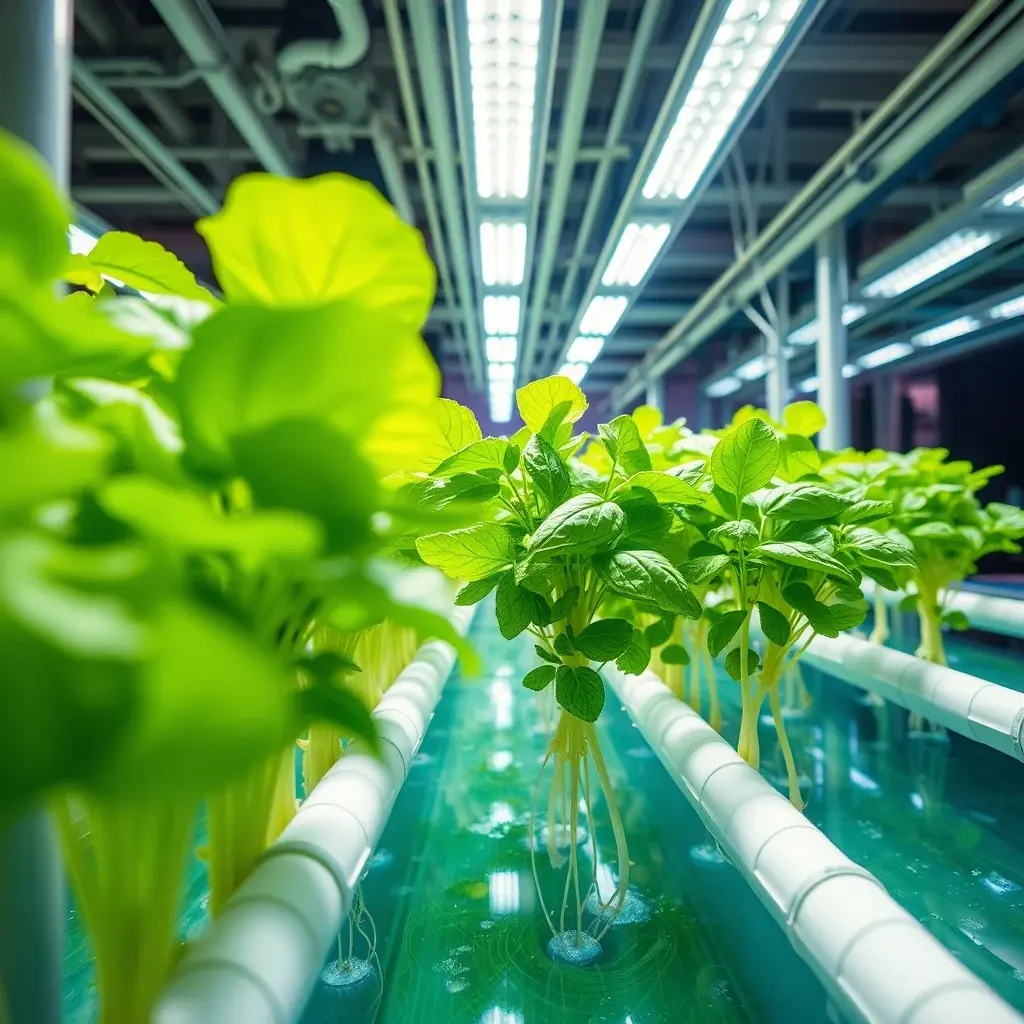
At its core, hydroponics is a method of growing plants using water and mineral nutrient solutions instead of dirt. When you use this method, plant roots hang directly in water or sit in a special growing medium like clay pebbles or perlite. This gives the roots direct access to oxygen and food.
People often think growing plants indoors is too hard. In reality, setting up your first indoor garden is quite simple once you learn the basics. You can build a basic setup on your kitchen counter or in a spare room.
If you want to read more about advanced setups, check out The Ultimate Guide to Hydroponics Gardening: Soilless Systems and Indoor Farming Mastery for deeper insights.
**Why Grow Plants Without Soil?**
Growing plants without soil comes with big perks. Traditional gardening takes up a lot of yard space and requires heavy lifting. With indoor setups, you save space and avoid weed pulling.
Here are the main benefits you will notice right away:
- Faster plant growth because roots get food instantly.
- Higher crop yields in small spaces.
- No soil pests or garden weeds.
- Lower water use compared to traditional farming.
**Main Types of Hydroponic Systems**
You can choose from several types of setups depending on your budget and space. Let us look at the most popular options for home gardeners.
**Deep Water Culture (DWC)**
DWC is the easiest system for beginners. Plant roots sit directly in a bucket filled with water and liquid plant food. An air pump keeps the water oxygenated so the roots do not drown.
**Nutrient Film Technique (NFT)**
NFT uses a small, slanted channel. A tiny pump pushes a thin stream of water over the roots constantly. This system works great for fast-growing leafy greens like lettuce and spinach.
**Wick Systems**
Wick systems use no pumps or electricity at all. Nylon ropes pull water and food up from a lower reservoir into the plant roots. It is slow, but it is cheap and very reliable.
**Essential Gear You Need**
Before you start buying supplies, you need to know what gear is actually necessary. Do not waste money on fancy gadgets you do not need yet.
Here is a quick breakdown of the core items:
| Equipment | Purpose | Estimated Cost |
|---|---|---|
| Grow Lights | Provides sunlight indoors | Budget to Mid-range |
| Air Pump | Keeps water oxygenated | Low |
| Nutrient Mix | Feeds your plants | Low |
| Net Pots | Holds plants in place | Low |
**Step-by-Step Setup Guide**
Building your first hydroponic system takes just a few steps. Follow this guide to get your indoor garden running today.
- Pick a bright spot or set up your grow lights on a timer.
- Clean your container, air pump, and air stones thoroughly.
- Mix your water and plant nutrients following the package instructions.
- Place your starter plants into net pots filled with clay pebbles.
- Turn on your air pump and lights, then monitor daily.
**Best Practices and Common Mistakes**
Even though growing plants this way is fun, beginners often make a few common errors. Keep these tips in mind to protect your harvest.
Expert Tip: Always check your water pH levels twice a week. Plants cannot absorb food if the water is too acidic or too basic.
Common Mistake: Adding too much plant food. More food does not mean faster growth. It will actually burn your plant roots and kill them.
**Key Takeaways**
Hydroponics lets you grow fresh food indoors without soil.
Deep Water Culture is the best starting point for beginners.
Water quality, pH levels, and lighting matter more than anything else.
**Frequently Asked Questions**
Do hydroponic plants taste different than soil plants?
No, they taste just as good, and often fresher because you pick them right when they are ripe.
Can I use tap water for my system?
Yes, but you should let it sit out for 24 hours first so the chlorine evaporates.
How often should I change the water?
You should completely change the water and nutrient mix every two to three weeks.
Do I need natural sunlight?
No, full-spectrum LED grow lights work even better than weak winter sunlight.
What are the best plants for beginners?
Lettuce, basil, mint, and spinach are the easiest plants to grow in your first setup.
Is it expensive to start?
You can build a simple DIY setup using household items for very little money.
**Conclusion**
Starting with hydroponics is a great way to grow fresh food all year long. You do not need a big backyard or a green thumb. Just pick a simple system, keep your water clean, and watch your plants thrive.
Visit earnstools.com for more handy tips on indoor farming and tools.
**Suggested Internal Link Opportunities**
- The Ultimate Guide to Hydroponics Gardening: Soilless Systems and Indoor Farming Mastery