SEO Title: Hydroponics 101: How to Grow Plants Without Dirt
SEO Slug: hydroponics-101-grow-plants-without-dirt
Meta Description: Learn how hydroponics lets you grow fresh vegetables and herbs indoors without soil. Get simple tips, system types, and expert setup steps today.
Focus Keyword: Hydroponics
Secondary Keywords: indoor gardening, growing plants without soil, nutrient solution, deep water culture, hydroponic systems
Estimated Reading Time: 8 minutes
Table of Contents
- What Is Hydroponics?
- Why Grow Plants Without Soil?
- Main Types of Hydroponic Systems
- Essential Equipment You Need
- Best Plants for Beginners
- Step-by-Step Setup Guide
- Common Mistakes to Avoid
- Frequently Asked Questions
**What Is Hydroponics?**
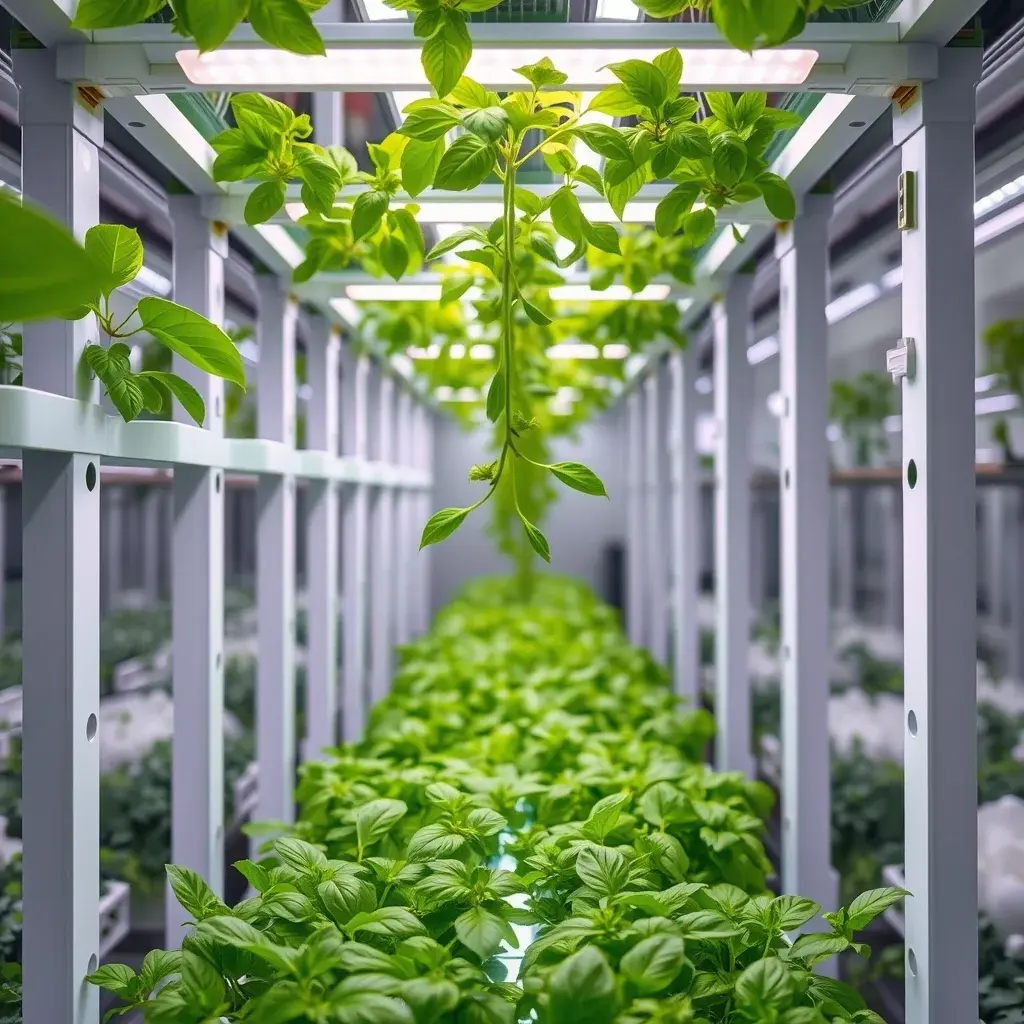
Hydroponics is a method of growing plants using water and mineral nutrient solutions instead of dirt. When you use traditional gardening methods, roots search through soil to find food and water. In a soilless setup, plant roots sit directly in water that has all the exact vitamins and minerals the plant needs to grow fast and strong.
People use this technique indoors, in greenhouses, and on small apartment balconies. Because you do not need a massive backyard or heavy bags of dirt, you can grow fresh food right inside your kitchen all year long. You can also check out this helpful guide on Hydroponics Made Easy: Grow Fresh Plants Without Soil for more beginner tips.
**Why Grow Plants Without Soil?**
Growing plants without dirt comes with massive benefits for home gardeners. Plants grow much faster because they do not waste energy pushing through heavy soil to find nutrients. Instead, food is delivered straight to the roots every single minute.
You also use much less water. Traditional garden beds lose lots of water through evaporation and runoff into the ground. A closed water setup recycles moisture, which saves a lot of water over time. Plus, you will not have to deal with common soil pests like weeds and garden bugs.
**Main Types of Hydroponic Systems**
Choosing the right setup is the first real project for new growers. Here is a quick comparison table to help you pick the best system for your home.
| System Type | How It Works | Best For |
|---|---|---|
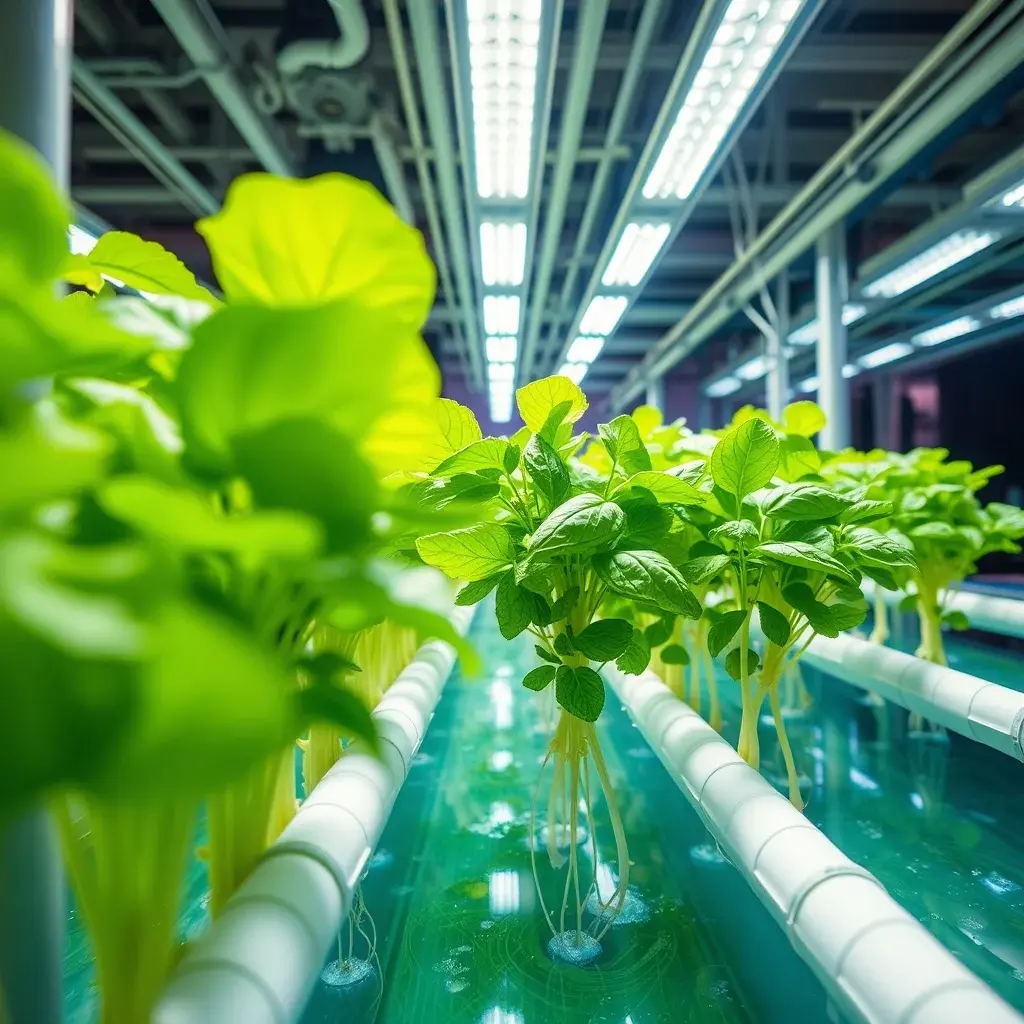
| Deep Water Culture (DWC) | Roots hang directly in oxygen-rich nutrient water. | Beginners growing lettuce and herbs. |
| Nutrient Film Technique (NFT) | A thin stream of water flows constantly over roots. | Fast-growing, light plants like spinach. |
| Wick System | Nylon ropes pull water up from a tank into the roots. | Low-maintenance houseplants and herbs. |
**Essential Equipment You Need**
To start your first garden, you need a few core items. Do not worry about buying expensive commercial gear right away. A simple DIY kit works wonders.
Here are the basic items you need:
- A light-proof water reservoir container
- An air pump and air stone to keep oxygen in the water
- Special liquid plant food made for water gardens
- Grow lights if you do not have a sunny window
- Net pots and clay pebbles to hold your plants in place
**Best Plants for Beginners**
Starting with the right crop makes all the difference. Some plants adapt much better to water-only environments than others. Leafy greens and fast herbs are your best bet.
Try growing these first:
- Leafy lettuce like romaine and butterhead
- Fresh culinary herbs like basil, mint, and cilantro
- Zesty greens like spinach and kale
- Strawberries for a sweet treat
**Step-by-Step Setup Guide**
Setting up your very first system takes just a few simple steps. Follow this guide to get your plants growing smoothly.
- Clean your water reservoir thoroughly with soap and warm water.
- Fill the tank with clean tap water and let it sit for twenty-four hours to remove any chlorine.
- Add your liquid plant food to the water according to the instructions on the bottle.
- Place your air pump inside the tank and turn it on to pump bubbles into the water.
- Put your young seedlings into net pots filled with clay pebbles.
- Set the pots into the lid of your reservoir so the roots touch the water.
**Common Mistakes to Avoid**
Even smart gardeners make mistakes when they try new things. Keep these common traps in mind so your plants stay healthy.
Overfeeding your plants is a huge mistake. Adding extra fertilizer will burn the roots and kill your crops. Always measure your nutrient solution carefully.
Another error is ignoring water temperature. Water that gets too warm stops holding oxygen, which suffocates plant roots. Keep your reservoir in a cool spot away from hot windows.
**Expert Tips for Success**
If you want to take your skills to the next level, follow these expert rules from seasoned indoor growers.
Test your water pH levels every single week. Most plants like slightly acidic water. Use a simple digital pH pen to check the water and adjust it using safe balancing drops.
Change out the entire water tank every two weeks. Old water loses essential minerals and builds up salt deposits that hurt your plants.
**Frequently Asked Questions**
Do I need natural sunlight for my indoor garden?
No, you do not need natural sun. Many people use full-spectrum LED grow lights, which work even better than winter sunlight and let you grow plants in dark basements or closets.
How often should I add plant food?
You mix plant food into the water when you fill the tank. As the water level drops, you add plain water or a weak nutrient mix depending on the growth stage of your plants.
Does growing plants in water taste different?
Fresh herbs and greens grown this way taste crisp, clean, and delicious. Because they get steady nutrition every day, many people think they taste even better than yard-grown crops.
Is it expensive to run a home system?
Running a small air pump and LED light costs very little on your monthly electric bill. You can easily build a basic system using cheap plastic storage bins from a local store.
Can I use regular garden soil in my water system?
Never put dirt into your system. Soil will clog your water pump, make a muddy mess, and cause root rot very quickly.
How do I stop algae from growing in my water tank?
Algae needs light to grow. Make sure your water reservoir is completely opaque so light cannot pass through the plastic walls into the water.
**Conclusion**
Starting with hydroponics opens up a whole new world of fresh food production right inside your house. You do not need a green thumb or a massive yard to grow amazing herbs and vegetables. Follow the basic setup steps, keep your water clean, and enjoy watching your indoor garden thrive all year long.
**Key Takeaways**
- Hydroponics replaces heavy dirt with nutrient-rich water.
- Beginners should start with easy crops like lettuce, basil, and mint.
- An air pump is required to keep plant roots breathing.
- Check your water pH and change the reservoir water every two weeks.