SEO Title: Hydroponics Made Easy: The Ultimate Indoor Growing Guide
SEO Slug: hydroponics-indoor-growing-guide
Meta Description: Learn how to start growing fresh plants without soil using modern hydroponics. Get expert tips, setup guides, and practical advice for home gardens.
Focus Keyword: Hydroponics
Secondary Keywords: indoor gardening, nutrient solution, grow lights, plant roots, water systems
Estimated Reading Time: 8 minutes
Table of Contents
- Introduction to Hydroponics
- How Hydroponics Works
- Main Types of Systems
- Essential Equipment You Need
- Step-by-Step Setup Guide
- Pros and Cons
- Expert Tips for Success
- Common Mistakes to Avoid
- Frequently Asked Questions
- Conclusion
| Heading Level | Heading | Purpose |
|---|---|---|
| H2 | Introduction to Hydroponics | Explain the core concept and why people use it |
| H2 | How Hydroponics Works | Break down the science behind soil-free growing |
| H2 | Main Types of Systems | Compare different setups for home use |
| H2 | Essential Equipment You Need | List gear required to build a working garden |
| H2 | Step-by-Step Setup Guide | Give clear instructions for building your first system |
| H2 | Pros and Cons | Weigh the benefits against the drawbacks |
| H2 | Expert Tips for Success | Share insider advice to boost plant growth |
| H2 | Common Mistakes to Avoid | Warn readers about typical beginner errors |
| H2 | Frequently Asked Questions | Answer common user queries |
| H2 | Conclusion | Wrap up the guide and encourage action |
Introduction to Hydroponics
Growing plants without soil might sound like science fiction, but it is actually a very old idea that anyone can try at home. If you want to learn the basics, check out What Is Hydroponics? for a quick overview. When you skip the dirt, your plants get their food and water straight from a liquid mix. This means they grow faster and often produce more food than traditional garden plants.
You can set up a small system right on your kitchen counter or take over a corner of your garage. Many people in the United States love this hobby because it lets them enjoy fresh herbs and greens all year long, no matter the weather outside.
How Hydroponics Works
In a normal garden, roots dig through dirt to find water and tiny bits of food. With hydroponics, the roots sit directly in water that is packed with essential minerals. Because the plant does not have to spend energy searching for nutrients, it puts all its power into growing leaves, flowers, and fruit.
Oxygen is another big part of the puzzle. Roots need air just like humans do. Most systems use small air pumps or keep part of the root system exposed to the open air so the plant can breathe easily.
| Plant Need | Traditional Soil Garden | Hydroponic System |
|---|---|---|
| Water | Absorbed from wet dirt | Delivered directly to roots |
| Nutrients | Found naturally in soil | Mixed into liquid water |
| Oxygen | Found in soil pockets | Pumped into water or air gaps |
Main Types of Systems
There are a few different ways to build a garden without soil. Picking the right one depends on your space, budget, and time.
Here are the most popular styles:
- Deep Water Culture
- Nutrient Film Technique
- Ebb and Flow
- Wick Systems
Deep Water Culture is the easiest for beginners. The plant roots float right in the nutrient liquid while an air stone keeps the water bubbling.
Essential Equipment You Need
You do not need expensive gear to start growing plants indoors. You can build a basic setup using simple plastic containers from your local hardware store.
Here is what you need to gather:
- A clean water reservoir
- Net pots to hold the plants
- Growing medium like clay pebbles
- Water pump and air stones
- Special liquid plant food
You will also want to visit earnstools.com to find tools that make measuring your water levels and pH much easier.
Step-by-Step Setup Guide
Setting up your first garden is a fun weekend project. Just follow these simple steps to get your plants growing.
- Clean your plastic reservoir with soap and water.
- Fill the container with clean tap water.
- Mix your liquid plant food into the water following the label directions.
- Place your air stone inside and turn on the air pump.
- Put your young plants into the net pots with clay pebbles.
- Set the pots into the lid so the roots touch the water.
Pros and Cons
Like any hobby, growing plants this way has good points and bad points. Knowing what to expect helps you avoid frustration.
Pros:
- Plants grow much faster
- Uses less water than dirt gardening
- No weeding required
- Great for small spaces
Cons:
- Requires electricity to run pumps
- Needs regular water checks
- Initial setup takes time
| Feature | Rating | Notes |
|---|---|---|
| Growth Speed | Fast | Plants mature weeks ahead of soil crops |
| Water Usage | Low | Water recirculates through the system |
| Skill Level | Medium | Requires basic monitoring of water balance |
Expert Tips for Success
If you want your indoor garden to thrive, pay close attention to your water. Check the pH level every few days to make sure it stays in the sweet spot for plants.
Keep your reservoir clean and block out the light. If light hits the water, green algae will grow and steal food from your plants. Always keep a spare air pump on hand just in case your main one stops working.
Common Mistakes to Avoid
Beginners often make a few simple errors when starting out. Learning from these mistakes saves you time and money.
Here are things to avoid:
- Adding too much plant food at once
- Ignoring water temperature changes
- Using untreated tap water with high chlorine
- Forgetting to check the air pump daily
Always follow the mixing instructions on your nutrient bottle. More food is never better for young roots.
Frequently Asked Questions
Can I grow any plant this way?
Most leafy greens, herbs, and strawberries do extremely very well. Large root vegetables and massive fruit trees are much harder to grow indoors.
Do I need natural sunlight?
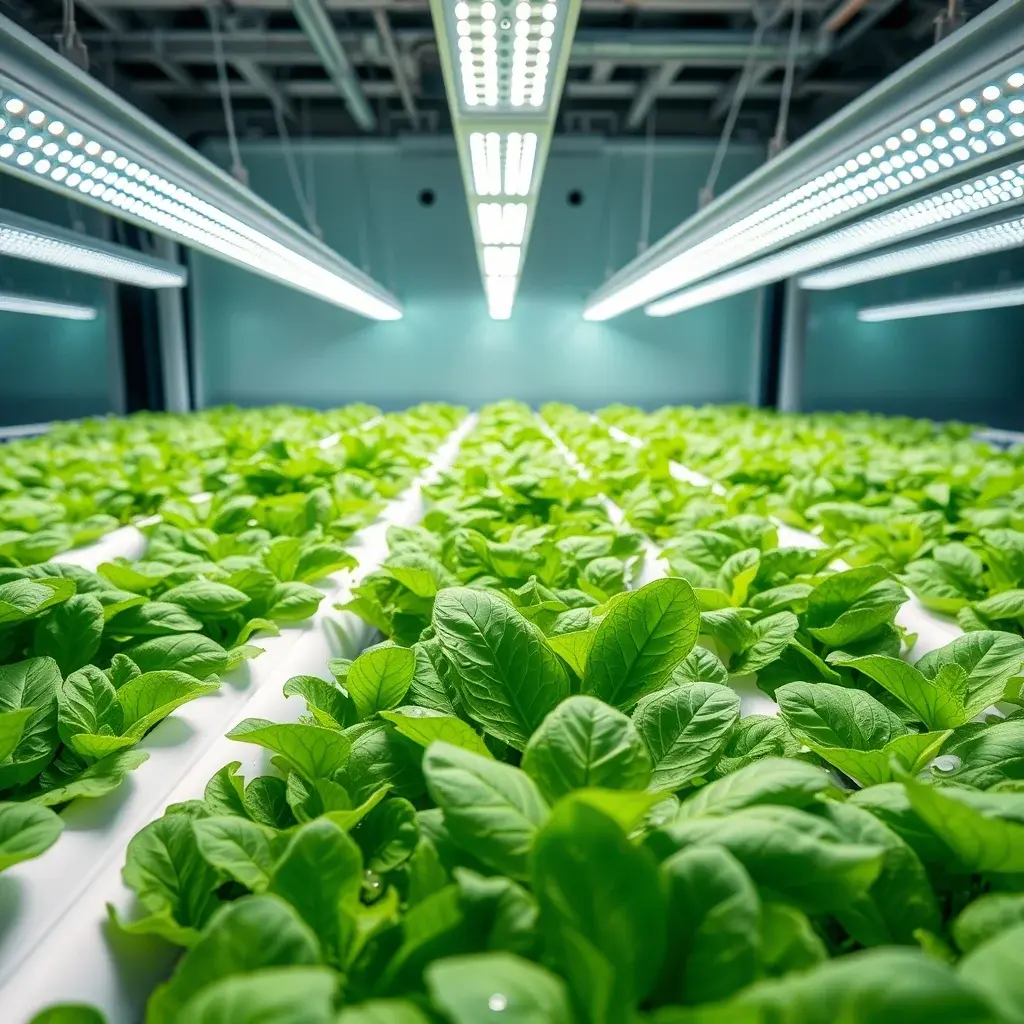
No. Many gardeners use LED grow lights. These lights give plants the exact color spectrum they need without needing a sunny window.
How often should I change the water?
You should completely change the water and add fresh nutrients every two to three weeks to keep your plants healthy.
Is it hard to learn?
Not at all. Starting with a simple deep water culture kit makes learning the basics very easy for anyone.
Does it use a lot of electricity?
Standard water pumps and LED lights use very little power, so your monthly electric bill will barely change.
Can I use regular garden dirt in my system?
No. Dirt will clog your pumps, make a muddy mess, and ruin the balance of the liquid nutrients.
Conclusion
Starting with hydroponics is a rewarding way to grow fresh food right inside your house. By following the right steps and keeping your water clean, you will enjoy a bountiful harvest in no time. Grab your supplies, set up your first system, and enjoy the fun of soil-free gardening.
Key Takeaways
- Plants grow faster without soil because nutrients go straight to the roots.
- Deep water culture is the best setup for beginners.
- Monitoring your water pH and nutrient levels is key to success.
- LED lights make indoor growing possible anywhere in your home.