SEO Title: Hydroponics: The Best Way to Grow Plants Without Soil
SEO Slug: hydroponics
Meta Description: Learn how to grow healthy plants using hydroponics. This guide covers how to set up your system, pick nutrients, and maintain your garden at home.
Focus Keyword: Hydroponics
Secondary Keywords: growing plants without soil, hydroponic nutrients, indoor gardening, plant growth systems
Estimated Reading Time: 12 minutes
Table of Contents
- What is Hydroponics?
- Why Grow Plants Without Soil?
- The Six Basic Types of Hydroponic Systems
- Choosing the Right Plants for Your Setup
- Essential Hydroponic Nutrients and pH Levels
- Common Mistakes New Gardeners Make
- Best Practices for Success
- Maintaining Your System
- FAQs About Growing Without Soil
What is Hydroponics?
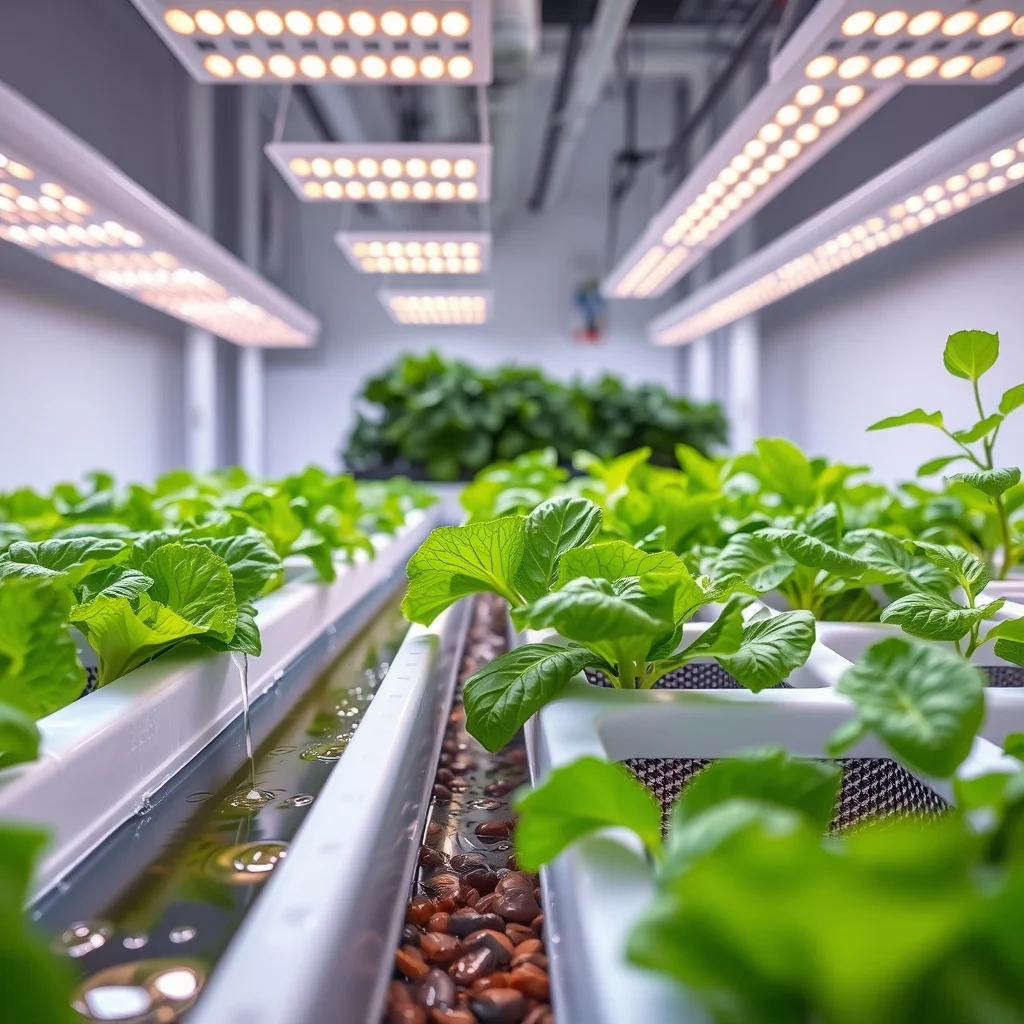
Hydroponics is a method of growing plants in water rather than dirt. Instead of pulling nutrients from soil, plants receive minerals directly through a water solution. This allows you to control exactly what your plants eat and how much light they get.
You can use this method inside your house or in a greenhouse. Because you do not need a backyard, it is a perfect solution for apartments or small spaces. You can check out more about growing fresh food without soil to get started with your first project.
Why Grow Plants Without Soil?
Growing plants without soil saves water and time. In traditional gardening, you spend a lot of time pulling weeds. With this method, weeds are almost never an issue. Plants also tend to grow faster because they do not have to search for food in the ground.
| Benefit | Why it matters |
| Water Efficiency | Uses much less water than traditional gardens. |
| Faster Growth | Plants get constant access to nutrients. |
| No Weeds | No soil means no weed seeds. |
| Space Saving | Can grow plants vertically. |
The Six Basic Types of Hydroponic Systems
There are many ways to set up your garden. Most people choose based on their budget and space. The deep water culture method is one of the easiest ways for beginners to learn.
1. Deep Water Culture (DWC)
Plants sit in net pots with their roots dangling into a tub of water. You use an air pump to keep the water oxygenated. This is simple and effective for small plants like lettuce.
2. Nutrient Film Technique (NFT)
A thin film of nutrient water runs over the roots in a tilted channel. This constant flow keeps the roots happy. It is great for leafy greens.
3. Ebb and Flow
This system fills your grow bed with water and then drains it back into a reservoir. It gives plants cycles of water and air. It works well for larger plants like tomatoes.
Choosing the Right Plants for Your Setup
Some plants love water more than others. If you are just starting, stick to crops that grow quickly. Lettuce, spinach, and herbs like basil are the most common choices.
- Lettuce
- Spinach
- Basil
- Kale
- Strawberries
Essential Hydroponic Nutrients and pH Levels
Since your plants do not have dirt, you must add nutrients to the water. You can buy liquid mixtures that contain everything a plant needs. These usually come in two parts that you mix together.
You must also watch the pH level of your water. If the water is too acidic or too basic, the roots cannot absorb food. Aim for a pH between 5.5 and 6.5. You can buy cheap test kits at earnstools.com to keep your garden healthy.
| Task | How often |
| Check pH | Daily |
| Check nutrient level | Every 2-3 days |
| Clean reservoir | Once a month |
Common Mistakes New Gardeners Make
Many beginners think more light is always better. However, you need to balance light and heat. If the room gets too hot, the plants will wilt even if they have enough water.
Another mistake is forgetting to check the water level. As plants grow, they drink more. If the reservoir runs dry, your plants will die quickly. Always keep a backup gallon of mixed nutrient water nearby.
Best Practices for Success
Start small. Do not try to build a huge system on your first attempt. Begin with one or two buckets to understand how the plants react.
Keep your equipment clean. Algae loves light and water. If you see green film in your reservoir, clean it out right away. Block any light from hitting your water to prevent this from happening.
Maintaining Your System
Maintenance is key to a happy garden. Every two weeks, you should replace the water in your reservoir entirely. This prevents nutrient buildup that can burn the roots.
Check your air pump often. If the bubbles stop, the roots will suffocate. Listen for a steady hum from your pump to ensure it is working properly.
FAQs About Growing Without Soil
Is hydroponics expensive to start?
It can be cheap or expensive depending on how much you build yourself. You can start with a simple bucket system for very little money.
Do I need natural sunlight?
No, you can use grow lights. This allows you to grow food in a basement or dark room.
Is it harder than soil gardening?
It is different. You do not deal with bugs or weeds, but you must be consistent with checking your water and nutrients.
Can I grow fruit in these systems?
Yes, but larger plants like tomatoes and peppers need more space and stronger lights.
What if the power goes out?
The roots might dry out if you are using an active system. Keep a small battery backup for your air pump if you live in an area with frequent power issues.
How do I know if my plants are healthy?
Healthy plants will have bright white roots. If the roots look brown or smell bad, you likely have a water problem.
Conclusion
Hydroponics is a rewarding way to grow fresh food all year. By controlling your own water and nutrients, you can produce bigger harvests in smaller spaces. Start with a simple system, watch your pH levels, and keep your water clean to see great results. With a bit of practice, you will be surprised at how fast your garden grows.
Key Takeaways:
- Hydroponics eliminates the need for soil and reduces pests.
- Water quality and pH balance are the most important factors.
- Start with simple greens like lettuce or basil.
- Always keep your reservoir clean to avoid algae.
Suggested External Authority Sources:
- USDA National Institute of Food and Agriculture (nifa.usda.gov)
- University of Maryland Extension (extension.umd.edu)
One thought on “Hydroponics: The Best Way to Grow Plants Without Soil”