SEO Title: Hydroponics 101: A Simple Way to Grow Plants Without Soil
SEO Slug: hydroponics-basics-growing-plants
Meta Description: Learn how to start your own hydroponics garden. We explain how to grow fresh food and plants without soil using these simple, proven methods.
Focus Keyword: Hydroponics
Secondary Keywords: indoor gardening, grow systems, water-based plants, nutrient solution, home garden
Estimated Reading Time: 12 minutes
Table of Contents
- What Is Hydroponics?
- How Plants Grow Without Soil
- The Main Types of Systems
- What You Need to Get Started
- Choosing the Right Plants
- Mixing Your Nutrient Solution
- Managing Water and Light
- Common Mistakes Beginners Make
- Pros and Cons of Going Soilless
- Setting Up Your First System
- Maintenance Tips for Success
- Troubleshooting Plant Issues
- Advanced Tips for Better Harvests
- Why Home Growers Choose Hydroponics
- Final Thoughts on Your Garden
What Is Hydroponics?
Hydroponics is a method of growing plants in water instead of dirt. You provide everything the plant needs directly to its roots. This allows you to grow food or flowers inside your house or in a small outdoor space.
Many people find that plants grow faster in these systems. Since the plant does not have to hunt for nutrients in the soil, it spends more energy growing leaves and fruit. You can learn more about Hydroponics at Home: Growing Fresh Food Without Soil to see how it works in practice.
How Plants Grow Without Soil
Plants actually do not need dirt to survive. Dirt just holds water and nutrients. In a hydroponics system, you replace the dirt with a nutrient-rich water solution. The roots sit in this water or get sprayed with it constantly.
Because you control the environment, the plants get exactly what they need at every stage. This helps them stay healthy even when the weather outside is bad. You can find all the gear you might need over at earnstools.com to build your first setup.
The Main Types of Systems
There are several ways to build your garden. Some are very simple, while others use pumps and timers.
| System Type | Best For | Ease of Use |
|---|---|---|
| Deep Water Culture | Lettuce and herbs | Easy |
| Drip System | Tomatoes | Moderate |
| Wick System | Small plants | Very Easy |
What You Need to Get Started
You do not need a fancy laboratory to start. Most beginners start with a few basic items. You will need a container to hold the water, a way to hold the plant upright, and a source of light.
- A plastic bin or jar
- Net pots
- Growing medium like clay pebbles
- Nutrient solution
- An air pump and stone for oxygen
Choosing the Right Plants
Some plants love water more than others. If you are just beginning, start with greens. They are very forgiving and grow fast. Once you feel comfortable, you can move on to larger plants like peppers or tomatoes.
Mixing Your Nutrient Solution
Plants need food. You buy this in a liquid or powder form. It contains minerals like nitrogen, phosphorus, and potassium. Always follow the label on the bottle. If you add too much, you can burn the roots.
Managing Water and Light
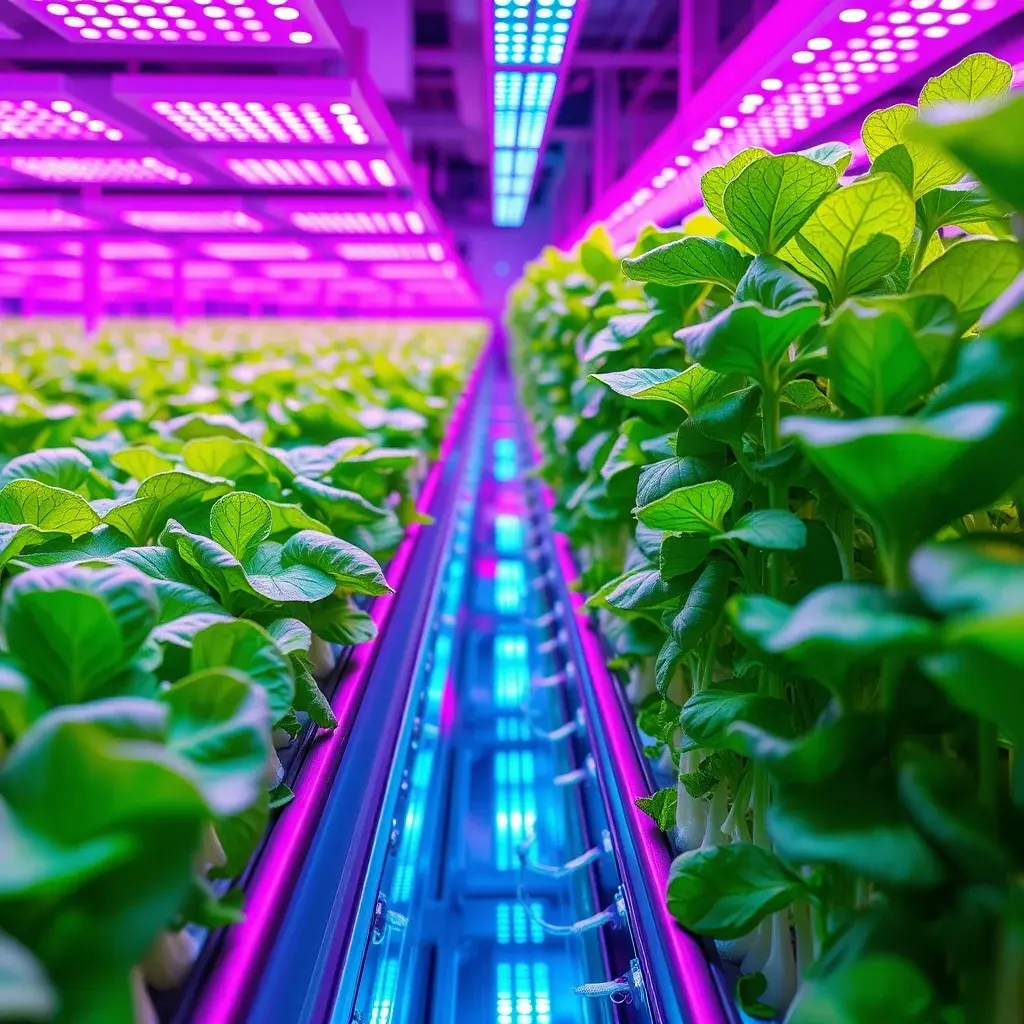
Your plants need light to grow. If you are indoors, you will likely need an LED grow light. Keep your lights on for about 12 to 16 hours a day. Also, check your water levels every few days to make sure the roots stay covered.
Common Mistakes Beginners Make
One big mistake is adding too much fertilizer. Another is forgetting to check the water pH. Plants are picky about the acidity of the water. If the pH is off, the plant cannot absorb its food.
Pros and Cons of Going Soilless
Everything has a trade-off. Here is what to expect.
| Pros | Cons |
|---|---|
| Faster growth | Higher initial cost |
| Use less water | Need to monitor daily |
| No soil pests | Electricity needed |
Setting Up Your First System
Start small. Take a simple plastic storage bin and fill it with water and nutrients. Use a lid with holes cut out to hold your net pots. Place your plant in the pot and surround it with clay pebbles. Turn on your air pump to keep the water moving.
Maintenance Tips for Success
Clean your tank every two weeks. This prevents algae from growing. Algae can steal nutrients from your plants. Always wash your hands before working on the system to keep it clean.
Troubleshooting Plant Issues
If leaves turn yellow, your plants might be hungry. If they wilt, check your roots. Healthy roots are white and firm. If they look brown or mushy, you need to fix your water quality or oxygen levels.
Advanced Tips for Better Harvests
As you get better, you can track your success. Use a simple notebook to write down when you changed the water and what nutrients you added. This helps you repeat your best results later.
Why Home Growers Choose Hydroponics
Many people like this method because it saves space. You can grow food on a shelf or a small kitchen counter. It is a clean way to farm since there is no dirt being tracked into your house.
Final Thoughts on Your Garden
Hydroponics is a fun and rewarding hobby. It might seem tricky at first, but you will learn quickly. Start with a basic system and enjoy your first harvest of fresh greens.
Key Takeaways
- Plants do not need soil if you provide nutrients in water.
- Start with easy crops like lettuce or basil.
- Keep your system clean to prevent algae.
- Monitor your water pH and nutrient levels often.
Frequently Asked Questions
Do I need a lot of space? No, you can grow on a desk or a small kitchen shelf.
Is the food safe to eat? Yes, it is the same food as grown in soil.
How much electricity does it use? Very little, mostly just for small pumps and lights.
Can I use tap water? Most tap water is fine, but let it sit for a day to remove chlorine.
How fast do plants grow? Most plants grow 20 to 50 percent faster than in soil.
Do I need to be a scientist? No, just follow the simple instructions on your nutrient kit.
Conclusion
Growing plants with hydroponics is a great way to have fresh food all year. By controlling the water and light, you can ensure your plants stay healthy and strong. Start today, and you will see how much fun gardening without soil can be.
Suggested Internal Link Opportunities
Check out our guide on Hydroponics at Home for more tips. Visit earnstools.com to browse tools for your garden.
Suggested External Authority Sources
USDA National Agricultural Library: https://www.nal.usda.gov
University of Arizona Controlled Environment Agriculture Center: https://ceac.arizona.edu