Hydroponics gardening is a revolutionary method of cultivating plants without soil, relying instead on a nutrient-rich water solution to deliver essential minerals directly to plant roots. By eliminating the need for traditional dirt, indoor hydroponics allows growers to maximize space, conserve up to ninety percent more water, and achieve significantly faster growth rates year-round. Whether you are aiming to grow fresh herbs on a kitchen counter or establish a full-scale indoor hydroponic farming operation, understanding the core mechanics of water chemistry, aeration, and lighting will empower you to harvest vibrant, pesticide-free produce in any climate.
Key Takeaways
- Hydroponics accelerates plant growth by delivering oxygenated water and balanced nutrients directly to the root zone.
- System designs range from simple non-electric setups like the Kratky method to high-efficiency automated systems like Deep Water Culture and Nutrient Film Technique.
- Maintaining optimal water pH between 5.5 and 6.5 is critical for ensuring full nutrient availability and preventing plant deficiencies.
- Indoor hydroponics allows complete control over environmental variables, yielding up to ten times more produce per square foot than conventional soil gardening.
What is Hydroponics and How Does It Work?
At its core, hydroponics is the science of growing plants in a soil-free medium while delivering precise mineral nutrients through an aqueous solution. Traditional plants spend significant energy expanding their root systems through dense soil to scavenge for nitrogen, phosphorus, potassium, and trace minerals. In a hydroponics system, these vital elements are dissolved directly in water, allowing the plant to absorb nutrients effortlesly and direct its main energy toward lush foliage and fruit production.
The fundamental engine of any soilless gardening setup is root zone oxygenation. Plant roots require oxygen to perform cellular respiration, absorb water, and take up nutrients efficiently. Hydroponic methods utilize air stones, water pumps, or engineered drainage cycles to keep the nutrient solution rich in dissolved oxygen. Without adequate oxygenation, root systems quickly become suffocated, leading to anaerobic conditions and destructive root rot pathogens like Pythium.
By controlling light spectrums, ambient temperature, humidity, and root zone chemistry, indoor hydroponics strips away the unpredictable variables of outdoor farming. Weather disruptions, soil-borne pests, weeds, and localized droughts are completely removed from the equation. This level of environmental precision enables growers to cultivate crops in urban apartments, basements, arid environments, and cold northern latitudes where traditional agriculture is impossible.
The Core Types of Hydroponics Systems
Selecting the right hydroponics system depends on your available space, budget, technical expertise, and the specific crops you wish to cultivate. While all systems deliver water and nutrients without soil, they differ in how they convey liquids and oxygen to the root zone.
Deep Water Culture (DWC)
Deep Water Culture is one of the simplest and most powerful active hydroponic methods available. Plants are suspended in net pots filled with inert media like clay pebbles, resting on a floating platform above a reservoir filled with oxygenated nutrient water. A submerged air stone powered by an external air pump constantly bubbles oxygen through the solution, bathing the dangling root mass in aerated moisture. DWC is exceptionally forgiving, cost-effective, and ideal for fast-growing leafy greens and herbs.
Nutrient Film Technique (NFT)
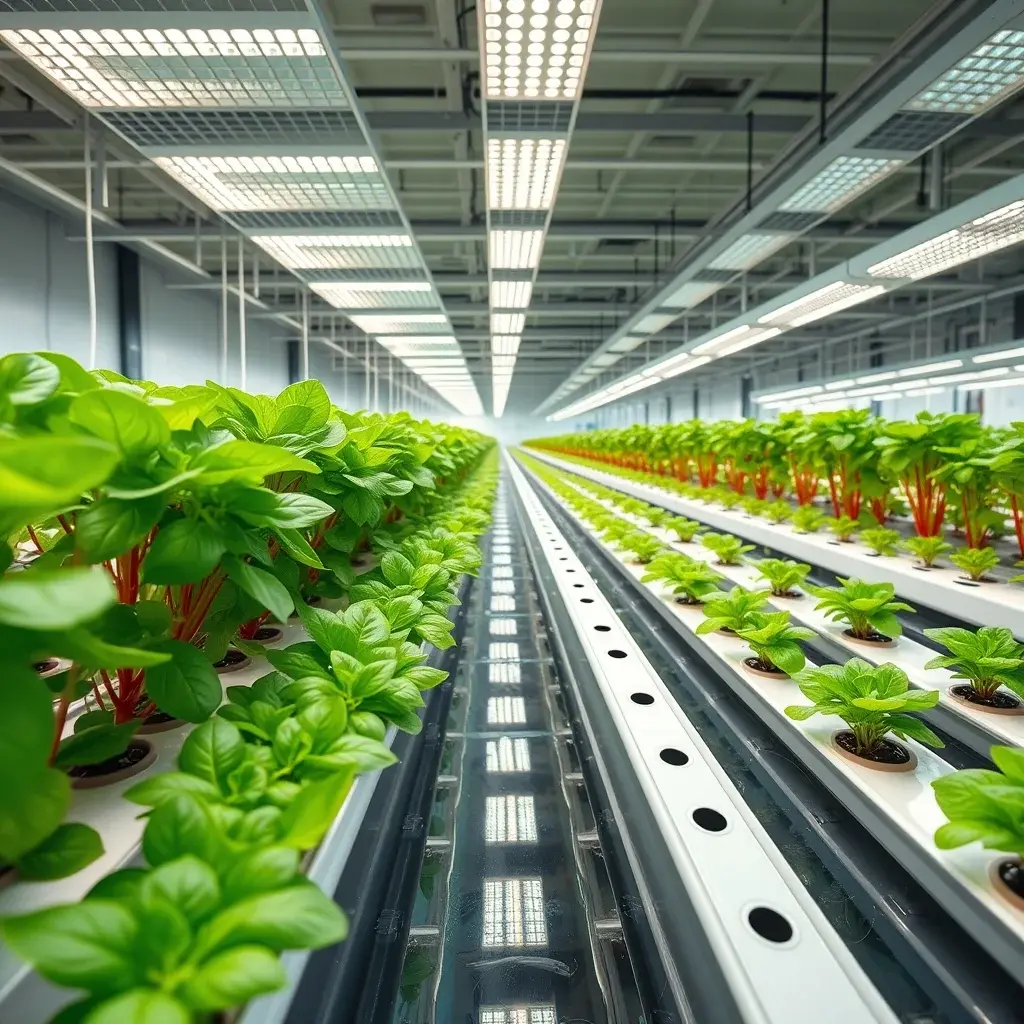
Nutrient Film Technique is a popular commercial and home setup designed for maximum continuous efficiency. Plants sit in long, slightly sloped channels while a continuous shallow stream or film of water recirculates over the bare root tips. The top of the root mass remains exposed to the humid air inside the channel, capturing abundant atmospheric oxygen while the lower roots drink from the nutrient stream. NFT excels with short-cycle crops like butterhead lettuce, spinach, and basil.
Ebb and Flow (Flood and Drain)
Ebb and Flow systems work by periodically flooding a planting tray filled with inert substrate or bare root containers with nutrient solution from an underlying reservoir. Once the tray fills to a designated overflow level, an automated timer shuts off the water pump, allowing the solution to drain completely back into the reservoir. This rhythmic flooding and draining action pulls fresh atmospheric oxygen down into the root zone with every cycle, promoting vigorous, resilient root networks.
Aeroponics and Drip Systems
Aeroponics represents the high-tech frontier of soilless culture. Roots hang suspended in an enclosed chamber where high-pressure misters atomize the nutrient solution into fine particles every few minutes. The extreme exposure to oxygen causes rapid nutrient uptake and explosive growth rates. Conversely, drip systems utilize individual micro-emitters to feed plants set in coco coir or rockwool, making them the gold standard for large fruiting crops like vine tomatoes, peppers, and cucumbers.
Essential Elements of an Indoor Hydroponic System
Building a thriving indoor hydroponics setup requires combining specialized components that mimic and enhance natural growing conditions. Every piece plays a vital role in keeping your plants vigorous, healthy, and high-yielding.
Inert Growing Media
Because hydroponic plants do not utilize soil, roots require physical support from inert media that will not react chemically with the nutrient solution. Popular choices include coconut coir, expanded clay pebbles (hydroton), horticultural rockwool, and perlite. Coconut coir excels at water retention, while clay pebbles offer superior aeration and drainage, allowing roots to anchor securely while maintaining breathability.
Nutrient Solutions, pH, and EC Control
Plants require primary macronutrients (nitrogen, phosphorus, potassium), secondary minerals (calcium, magnesium, sulfur), and essential micronutrients (iron, manganese, zinc) to thrive. Liquid hydroponic nutrients are formulated to be instantly water-soluble. To ensure plants can absorb these elements, you must monitor solution pH, which should generally remain between 5.5 and 6.5. Additionally, measuring Electrical Conductivity (EC) or Parts Per Million (PPM) tells you the exact concentration of dissolved mineral salts, preventing underfeeding or nutrient burn.
Full-Spectrum LED Grow Lights
Light drives photosynthesis, making proper lighting non-negotiable for indoor soilless gardening. Modern full-spectrum LED grow lights replicate natural sunshine while consuming minimal electricity and producing low heat. High-PAR (Photosynthetically Active Radiation) LEDs provide the blue light spectrum required for vegetative leaf development and the red light spectrum necessary for flowering and fruit development.
Comparing Soil Gardening vs. Hydroponics Systems
Understanding the operational differences between soil culture and hydroponic farming helps highlight why soilless methods offer unparalleled yield efficiency per square foot.
| Feature | Traditional Soil Gardening | Hydroponics Gardening |
|---|---|---|
| Water Usage | High loss due to evaporation and deep runoff | Up to 90% savings through closed-loop recirculation |
| Growth Rate | Standard seasonal growth speeds | 30% to 50% faster growth due to direct nutrient access |
| Pest & Disease Risk | High exposure to soil pathogens and weeds | Minimal risk; entirely free of soil pests and weeds |
| Space Requirement | Requires large land plots and spacing | High-density vertical stack capability for tight spaces |
| Control Over Nutrients | Variable; reliant on soil biology and compost | Precise real-time control over pH, EC, and mineral ratios |
How to Get Started with Indoor Hydroponic Farming
Beginning your hydroponic journey does not require expensive high-tech gear. Starting with a modest system allows you to master water chemistry and environmental management before expanding into larger setups.
Begin by selecting an easily manageable crop like sweet basil, loose-leaf lettuce, or spearmint. Choose a basic Deep Water Culture kit or construct one using a food-grade five-gallon bucket, an air pump, an air stone, a net pot lid, and expanded clay pebbles. Fill your reservoir with clean, filtered water and mix in a quality two-part hydroponic nutrient formula according to the manufacturer’s directions.
Position your setup beneath a dedicated LED grow light running for 14 to 16 hours daily. Use a digital pH meter and an EC pen to test your reservoir daily, adjusting the pH with dedicated pH-Up or pH-Down solutions as needed. Replace the entire nutrient reservoir every seven to fourteen days to prevent nutrient imbalances and microbial buildup, keeping your system fresh and pristine.
Expert Insight: Managing Solution Quality and Avoiding Pythium
Maintaining long-term success in hydroponic farming hinges entirely on reservoir health and temperature regulation. According to agricultural research from the United States Department of Agriculture, proper nutrient management and strict sanitation protocols are fundamental to preventing crop loss in closed-loop agricultural systems. A common mistake among beginner growers is allowing reservoir water temperatures to drift above 72°F (22°C).
Warm water holds significantly less dissolved oxygen, creating an ideal environment for waterborne pathogens like Pythium to take hold and destroy root systems. To safeguard your crop, maintain reservoir water temperatures strictly between 65°F and 68°F (18°C–20°C) using water chillers or ambient room conditioning. Furthermore, introducing beneficial inoculants like mycorrhizae or Bacillus amyloliquefaciens establishes a defensive biological barrier that outcompetes harmful root rot fungi before they can take root.
Frequently Asked Questions
Is hydroponically grown food organic?
Hydroponic crops can be grown using organic nutrients, but certifying them as USDA Organic depends on regional standards. Because hydroponics relies on refined water-soluble minerals rather than traditional soil biology, many growers focus on clean, pesticide-free practices rather than formal organic labeling.
What are the best plants for hydroponic beginners?
Leafy greens and herbs are the absolute best choices for beginners due to their fast growth and low nutrient demands. Butterhead lettuce, spinach, kale, basil, cilantro, and mint thrive exceptionally well in basic hydroponic systems.
How often should I change my hydroponic nutrient solution?
You should completely flush and replace your hydroponic reservoir every 7 to 14 days. Regular changes prevent specific mineral salt accumulation, keep pH balanced, and ensure your plants receive fresh, clean nutrients continuously.
Does hydroponic gardening use a lot of electricity?
Modern hydroponic systems are remarkably energy-efficient due to high-efficiency LED lights and low-wattage water pumps. A small home system typically costs only a few dollars per month in electrical utility expenses.
Embracing hydroponics gardening unlocks complete control over your food production, allowing you to grow lush, hyper-nutritious produce in any living space throughout every season. Start small with a single indoor light and a manageable herb setup, refine your water management skills, and watch your soilless garden flourish into a bountiful year-round harvest.